
Introduction
Every homeowner wants a thick green lawn. Some plant seed by hand. Some lay sod. A third way has grown in use since the 1970s. It is called hydroseeding. The hydroseeding cost per square foot USA is one of the first things buyers ask about. This guide answers that question in plain terms. It gives price ranges. It shows what drives the price up or down. It helps you plan a real budget. If you are weighing hydroseeding against seed or sod, this article will help you decide.
Why Hydroseeding Matters: Hydroseeding Cost Per Square Foot Usa
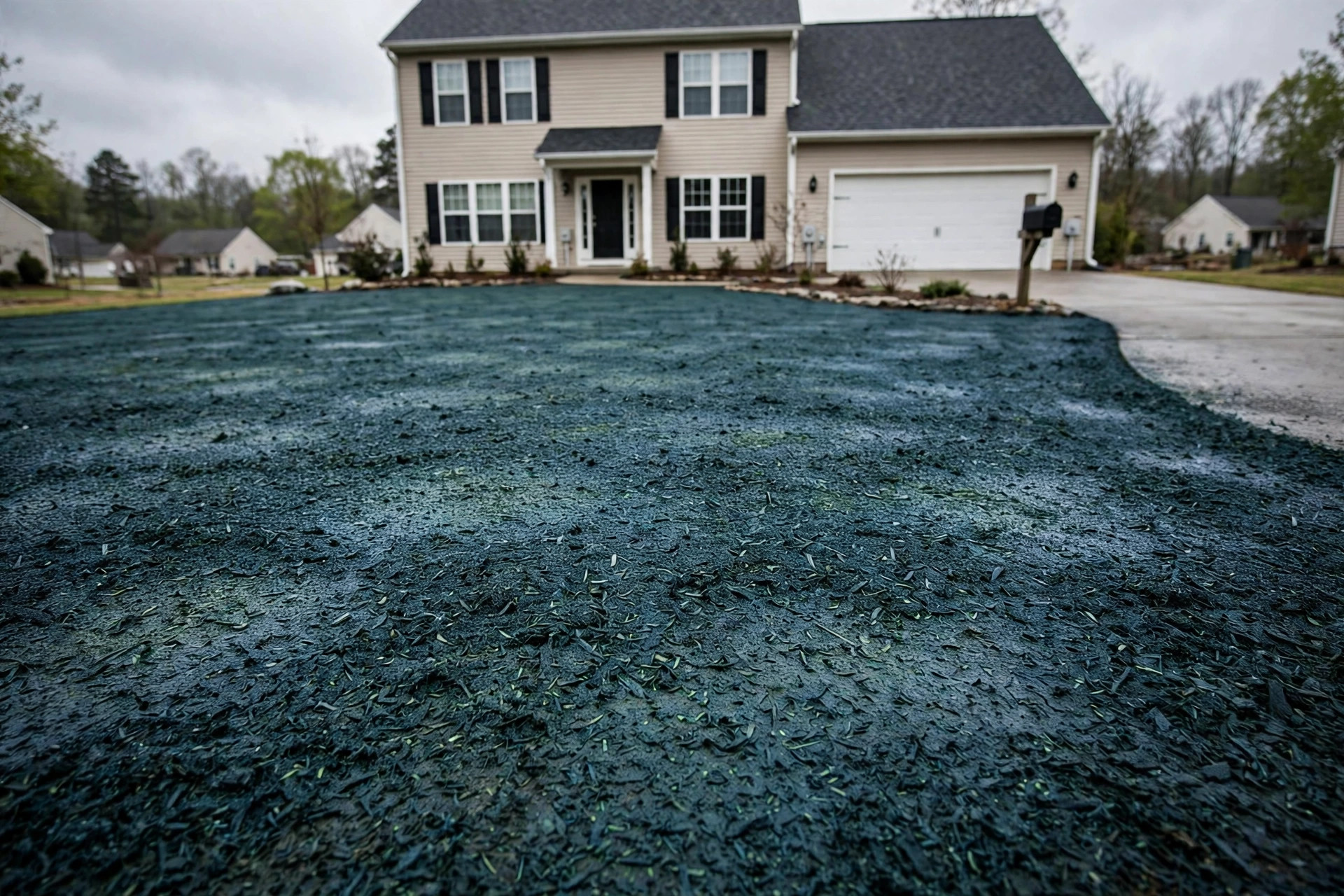
Hydroseeding is a method of planting grass. A truck mixes seed, water, mulch, and fertilizer into a slurry. The crew sprays the mix over bare soil. The mulch holds the seed in place. It keeps the soil moist. It feeds the young grass. Within days the lawn shows a green tint. Within weeks it looks like a real lawn.
The hydroseeding cost per square foot USA sits between hand seeding and sod. Hand seeding is cheap but slow and patchy. Sod is instant but dear. Hydroseeding lands in the middle. It costs more than seed. It costs far less than sod. It also covers large areas fast. A crew can spray a full acre in one day.
For new homes this matters. Builders often leave bare dirt. That dirt turns to dust in summer and mud in spring. Hydroseeding turns that dirt into grass in a single visit. For older homes with thin lawns it also works. The crew can kill the old grass, prep the soil, and spray fresh seed.
Lawn care writers at The Spruce note that a strong start matters more than the seed price alone. Good soil prep and steady water decide the outcome. That advice fits hydroseeding well.
How to Choose a Hydroseeding Contractor
Not all contractors are equal. Pick with care. A good crew will give you a lawn that lasts. A poor crew will give you weeds and bare spots.
Check Experience and References
Ask how long the company has done hydroseeding. Ask for three recent jobs you can drive by. Call the owners. Ask if the grass came up thick. Ask if bare spots were fixed free. A firm with years of work will have a long list of happy yards. A new firm may still do fine work, but you take a bigger chance.
Ask About the Seed Mix
The seed mix is the heart of the job. Ask what blend they use. Ask for the seed tag. The tag shows the kinds of grass and the weed seed rate. Good contractors use fresh, certified seed. They match the blend to your soil and sun. Shade needs one mix. Full sun needs another. Seed makers like Pennington sell blends by region. That gives you a benchmark to judge the quote. If a contractor cannot name the seed, look elsewhere.
Get the Price in Writing
A firm quote should list the price per square foot. It should list the area measured. It should list the seed mix, mulch, and fertilizer. It should state the warranty terms. Get this in writing before work starts. Verbal quotes lead to fights.
Compare Apples to Apples
When you collect bids, compare the same work. One bid may include soil prep. Another may not. One may include a second pass of mulch. Another may skip it. Line up the details side by side. The cheapest bid is not always the best deal. A thin spray at a low price will need a redo. A full spray at a fair price will last.
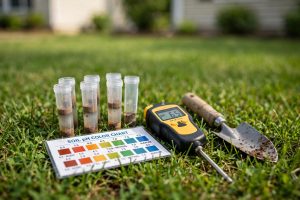
Before you call for quotes, it helps to test your ground. A lawn soil ph test kit tells you if your soil needs lime. That small step can save the whole job. It costs little and takes an afternoon.
Types and Options
Hydroseeding is not one fixed product. Contractors offer choices. Each choice changes the hydroseeding cost per square foot USA by a small amount.
Basic Slurry Mix
The basic mix has seed, water, paper mulch, and starter fertilizer. It works on flat, easy ground. It is the lowest cost option. It holds seed well in calm weather. On slopes it may wash away in heavy rain.
Bonded Fiber Matrix
This mix uses wood fiber mulch with tackifiers. Tackifiers are glues that bind the mulch. They hold the mix to the soil on slopes and in wind. This option costs more per square foot. It is worth it on hills, ditches, and banks. Road builders use it on highway cuts. Homeowners use it on sloped backyards.
Erosion Control Blends
Some jobs need fast cover for dust control. Contractors add quick-sprouting grasses like annual rye. The rye comes up in days. It holds the soil while the main grasses grow. This adds a small cost. It is common on new building lots.
Organic and Low Chemical Options
Some buyers want fewer chemicals. Contractors can use organic fertilizers and untreated mulch. The seed stays the same. The cost rises a bit. Ask what the organic plan includes. Some firms charge a premium for a label that changes little. Ask for details.
Add-On Services
Many firms sell extras. These include soil prep, grading, lime, irrigation setup, and a second visit. Each add-on raises the total. Some are worth it. Grading a rough lot is worth it. A second pass on steep ground is worth it. Skip extras you do not need. LawnStarter lists local lawn services, so you can compare a hydroseeding quote against full service lawn care in your town.
Cost and Price
Now the main question. What is the hydroseeding cost per square foot USA?
The Typical Range
Across the country, most homeowners pay between 8 and 20 cents per square foot. A 5,000 square foot lawn might cost 400 to 1,000 dollars. A full acre of 43,560 square feet might cost 3,500 to 8,700 dollars. Prices move with region, season, and job size.
Why Size Changes the Price
Small jobs cost more per square foot. A 1,000 square foot patch might run 25 to 40 cents per foot. The crew still must drive out, mix a tank, and clean up. Large jobs cost less per foot. A full acre spreads the setup cost wide. If your job is small, ask if the firm has a minimum charge. Most do.
Why Region Changes the Price
Labor rates differ by state. In the Southeast and Midwest, prices trend low. In the Northeast and West Coast, prices trend high. Seed choice also plays a role. Warm season grasses in the South cost different amounts than cool season blends in the North. Call three local firms. Local quotes beat national averages every time.
Soil Prep and Its Cost
Bare, level soil is the cheapest to spray. If your lot needs work, the price rises. Killing old weeds, grading ruts, and spreading topsoil all add cost. If you have tree stumps, grind them first. Read reviews of a stump killer for tree stumps before you start. Prep can add 2 to 10 cents per square foot. Ask for prep as a line item. Then decide what you can do yourself.
Comparing With Sod and Seed
Hand seeding costs about 2 to 5 cents per square foot in materials. But it needs weeks of care. Sod costs 30 cents to over a dollar per square foot installed. Hydroseeding sits in the middle at 8 to 20 cents. For a 10,000 square foot yard, the math looks like this. Seed costs a few hundred dollars in materials. Hydroseeding costs 800 to 2,000 dollars. Sod costs 3,000 to 10,000 dollars. Hydroseeding gives near-sod looks at a fraction of the sod price.
Retailers like The Home Depot stock the gear you need for aftercare, from sprinklers to starter fertilizer. Scotts sells starter fertilizers made for new seed. Equipment context helps too. John Deere builds the turf machines that large contractors use. For prep work, small engines matter: Briggs & Stratton makes the engines found on many spray rigs and pumps.
Care and Upkeep
Hydroseeding is not plant and forget. The first month decides the outcome. Follow these steps.
Water Right Away
The mulch must stay damp. Water lightly three to four times a day for the first two weeks. Keep the top inch of soil moist. Do not flood it. Floods wash the seed away. A simple oscillating sprinkler works fine. Set a timer so you do not forget.
Cut Back Water Slowly
Once the grass is two inches tall, cut back to once a day. Then move to deep watering every other day. Deep, less frequent water grows deep roots. Shallow daily water grows weak roots. By week six, water like a normal lawn.
First Mow
Mow when the grass hits three inches. Cut it to two inches. Use a sharp blade. A dull blade tears young grass. Bag the clippings on the first mow. This keeps the young plants clean. After that, you can mulch mow. A quiet battery mower from Greenworks is a gentle choice for a new lawn.
Feed the Lawn
Starter fertilizer in the slurry feeds the first weeks. At week six, feed again with a balanced lawn fertilizer. Follow the bag rate. More is not better. Too much nitrogen burns young grass. In fall, feed once more before winter. A steady feed plan builds a thick lawn. A handheld spreader for small lawns makes this job easy on a modest yard. Cordless yard tools from RYOBI also help with cleanup around the new grass.
Watch for Weeds
Some weeds will come up with the grass. Pull the big ones by hand. Do not use weed killer on a new lawn. Most labels say to wait until the grass has been mowed three or four times. Read the label. When the lawn is old enough, spot treat weeds.
Fill Bare Spots
Small bare spots are normal. Buy a bag of matching seed. Scratch the spot with a rake. Spread seed. Cover with a thin layer of straw. Water daily. The spot will fill in a few weeks. Big bare spots may mean a spray miss. Call the contractor. Most offer a free touch up within the first season. For edges and tight spots, a trimmer from ECHO keeps lines clean once the lawn is strong enough.
Safety
Hydroseeding is low risk, but a few points matter.
Keep children and pets off the sprayed area until it is dry. The slurry stains clothes and shoes. It is not poison, but the dye and fertilizer irritate skin and eyes. Once dry, the area is safe to walk on lightly.
Stay off the new grass as much as you can for the first month. Foot traffic crushes young blades. Make a simple path with boards if you must cross.
Store leftover seed and fertilizer out of reach of kids and pets. Follow label directions. Wash hands after handling.
If the crew uses a tackifier, ask for the product name. Most are non toxic. But read the sheet the crew leaves. Keep the sheet with your home records.
Frequently Asked Questions
How long does hydroseeding take to grow?
Seed sprouts in five to ten days in warm soil. The lawn looks thin at first. It thickens over four to eight weeks. By the third month it looks like a full lawn. Cool weather slows this down. Warm weather speeds it up.
Is hydroseeding worth the cost?
For most homeowners, yes. The hydroseeding cost per square foot USA is far below sod. The result is close to sod in looks. Hand seeding is cheaper but needs more work and more time. Hydroseeding splits the difference well.
Can I hydroseed my own lawn?
DIY kits exist. They attach to a garden hose or a pressure washer. They work on small patches. They do not match a pro rig on big areas. The pro tank holds hundreds of gallons and sprays far. For a small fix, DIY is fine. For a full yard, hire a crew.
What time of year is best?
Fall is best in most of the country. Soil is warm. Weeds are weak. Rain is steady. Spring is second best. Summer works if you can water well. Winter does not work in cold states. The seed will not sprout in frozen soil.
How much does one acre cost to hydroseed?
A full acre often runs 3,500 to 8,700 dollars. That is 8 to 20 cents per square foot. The price drops per foot on big jobs. It rises if the land needs grading or clearing. Get a firm quote with the area measured.
Does hydroseeding work on slopes?
Yes, and it is one of its best uses. The mulch and tackifiers grip the soil. Seed stays where sod might slide. Ask for a bonded fiber matrix on steep banks. Water gently so the flow does not wash the mix down.
A Short Final Word
A green lawn starts with good numbers. The hydroseeding cost per square foot USA is easy to grasp once you know the range. Expect 8 to 20 cents per foot for most jobs. Small jobs cost more per foot. Big jobs cost less. Prep adds cost. Get three written quotes. Check the seed mix. Plan for a month of watering. Do these things and your new lawn will come up thick and green. The price you pay once will pay you back for years in curb appeal and pride.
References
Briggs & Stratton. (n.d.). Engines and outdoor power equipment. https://www.briggsandstratton.com ECHO. (n.d.). Professional outdoor power equipment. https://www.echo-usa.com Greenworks. (n.d.). Battery-powered lawn and garden tools. https://www.greenworkstools.com The Home Depot. (n.d.). Lawn and garden supplies. https://www.homedepot.com John Deere. (n.d.). Turf care equipment. https://www.deere.com LawnStarter. (n.d.). Lawn care services. https://www.lawnstarter.com Pennington. (n.d.). Grass seed blends by region. https://www.pennington.com RYOBI. (n.d.). Cordless tools and yard equipment. https://www.ryobitools.com Scotts. (n.d.). Lawn seed and fertilizer. https://www.scotts.com The Spruce. (n.d.). Lawn care guides. https://www.thespruce.com
Was this guide helpful?

About David Wilson
The My Garden US editorial team writes practical, in-depth home and garden guides for American homeowners — tested advice, no fluff.
You May Also Like

The Best Electric Lawn Mower for Seniors: A Practical Guide for Older Homeowners
March 10, 2026 1 views
Lawn Care Tips for New Homeowners
April 16, 2026 0 views
How to Install a Landscape Lighting Transformer
April 30, 2026 0 views