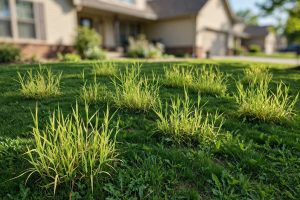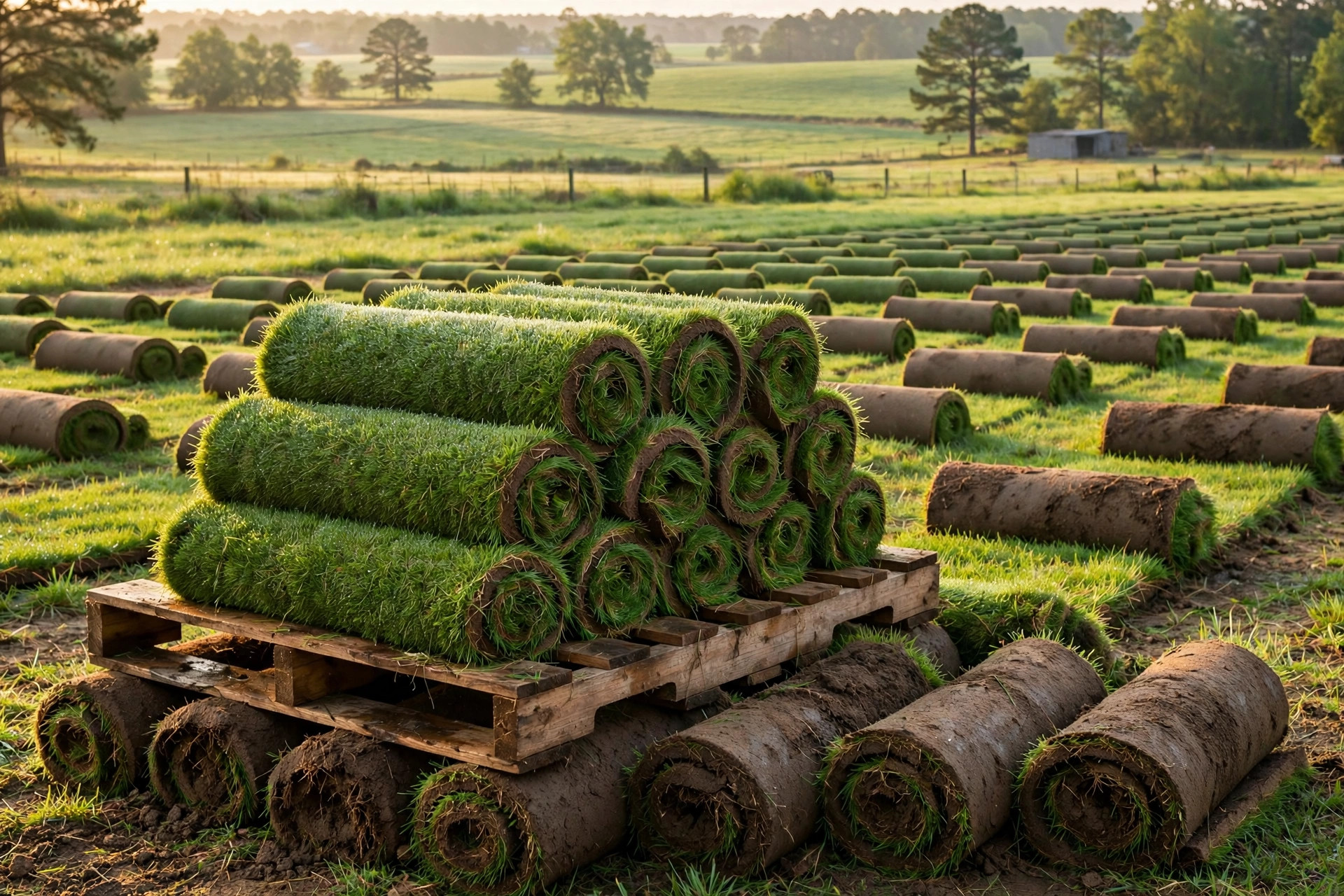

Many Georgia homeowners ask the same question each spring: where to buy centipede grass sod georgia yards can trust. Centipede grass is the classic lawn of the Deep South. It likes heat, it needs little fertilizer, and it asks for less mowing than most grasses. But buying good sod takes care. A bad load of sod wastes money and leaves a patchy lawn. This guide explains your buying options, what to check before you pay, what it costs, and how to lay the sod so it takes root.
Why Centipede Grass Suits Georgia Lawns
Centipede grass grows well in the warm, humid parts of the Southeast. It spreads by creeping stems called stolons. Over time it fills in bare spots on its own. It stays light green in summer and turns a straw color in winter when it goes dormant. Most Georgia lawns from Macon southward do well with it.
The grass has a simple charm. It asks for less nitrogen than other warm-season grasses. In fact, too much fertilizer harms it. It also tolerates the acidic sandy soils common across much of Georgia. Homeowners who want a low-care lawn often pick centipede over bermuda or zoysia because it needs less mowing and less feeding.
There are limits to know. Centipede grass dislikes heavy shade. It also dislikes heavy foot traffic. A yard where children play soccer every day may wear it down. It is slow to recover from damage. And it is sensitive to cold in the mountain areas of north Georgia. If your yard sits in full sun and sees light use, centipede grass is a sound choice. Many buyers who search for centipede grass sod near me in Georgia want exactly this easy, slow-growing lawn.
Your Main Options for Buying Centipede Grass Sod in Georgia: Where to Buy Centipede Grass Sod Georgia
You can buy centipede grass sod in Georgia from four kinds of sellers. Each has its strengths.
Local sod farms are often the best choice. Georgia has many working sod farms, from the coastal plain up through central Georgia. A farm near your county cuts the sod fresh, often the same morning you pick it up. Fresh-cut sod roots faster. Farm prices are often lower than store prices for large orders. Many farms sell by the pallet, and some sell by the square yard or by the piece. When you look for Georgia sod farms centipede grass, ask how recently the sod was cut and whether they grow it on site.
Garden centers and nurseries sell centipede sod too. These stores suit small jobs. If you need only ten or twenty square feet to patch a spot, a garden center is easy. The sod comes on small pallets or in single rolls. The price per square foot runs higher than farm prices. Check that the rolls have not sat in the sun for days. Heat kills cut sod fast.
Home improvement stores carry sod in the lawn and garden section. The stock turns over quickly in spring. This is handy when you want sod on short notice. As with garden centers, inspect the rolls before you buy. Look for green color and moist soil on the roots.
Online sod brokers and delivery services have grown in recent years. You order by phone or on a website, and the sod arrives on a truck from a partner farm. This works well if no farm sits near you. Read reviews and ask the broker which farm cuts the sod. Good brokers name the farm. Poor ones will not.
How to Choose a Good Sod Farm or Seller
Start with the farm itself. Visit if you can. A clean, well-kept farm field tells you much about the sod. Ask what variety they grow. Common centipede varieties include common centipede and TifBlair. TifBlair stands more cold and tolerates more use. Ask how the farm cuts the sod and how soon after cutting it reaches you. Sod should go down within 24 hours of cutting in warm weather.
Ask about weeds. A good farm walks its fields and pulls weeds. Ask whether the sod is certified. Certification means the sod meets state rules for purity and freedom from noxious weeds. In Georgia, certified sod carries a tag or label. Certification is not law for every sale, but it is a mark of care.
Compare service too. Ask about delivery charges and minimum orders. Some farms deliver free within a set number of miles. Ask what happens if some rolls arrive dry or brown. A fair seller will replace bad rolls. Read the return policy before you pay a deposit. Deposits are common on large orders, but the terms should be clear and written.
What to Look For in the Sod Itself
Good centipede sod looks fresh and feels heavy. Lift a roll and look at the grass. It should be green, not yellow or brown. A few yellow blades are normal, but wide brown patches mean the sod has sat too long or dried out.
Look at the underside. The roots and soil should be moist and cool. The soil layer should be about an inch thick. Roots should show as a fine white mat. If the soil crumbles away dry, the sod has been cut too long or stored in heat.
Check for weeds and pests. Pull back the grass and look for weed seedlings or grubs in the soil. A few stray weeds are common, but heavy weed growth means poor farm care. Smell the sod. It should smell like fresh earth. A sour smell means it has heated in the stack, and it may be dying.
Size matters for your yard. Standard sod rolls cover about two to three square feet each. Pallets in Georgia usually hold 400 to 450 square feet. Measure your yard before you order. Add ten percent extra for cutting waste around curves and corners. It is better to have a few rolls left over than to run short with half the lawn bare.
Cost and Price in Georgia
Centipede grass sod is one of the cheaper sod choices in Georgia. Prices move with the season, the farm, and the size of the order. Small retail orders cost more per square foot than full pallets.
At a sod farm, expect to pay roughly 35 to 50 cents per square foot for farm pickup in most years. Delivery adds cost, often 50 to 150 dollars per load depending on distance. Some farms fold delivery into the price on orders of several pallets.
Garden centers and home improvement stores charge more per square foot, often 60 cents to over a dollar. You pay for convenience and for small amounts. For patching jobs this is fair. For a whole lawn it adds up fast.
For full-lawn costs, a helpful read is our guide to cheap sod installation cost per pallet, which breaks down what pallets really run. If you are weighing one grass against another, see zoysia sod installation cost near me for how zoysia prices compare. And if you wonder whether sod beats planting seed, our sod versus seed cost comparison walks through both sides.
Installation adds more if you hire help. Professional laying often costs 75 cents to a dollar or more per square foot on top of the sod price. Many homeowners lay their own sod to save money. Centipede sod is light work for a weekend crew, though it is still real labor in Georgia heat.
Delivery, Timing, and Laying the Sod
Timing is half the job. Lay centipede sod from late spring through early summer in Georgia, when nights stay warm and the grass grows fast. April through June is the sweet spot in most of the state. Sod laid in fall may not root before winter cold.
Have the soil ready before the truck arrives. Sod waits for no one. Till the top four to six inches of soil. Rake it level. Test the soil if you can, and add lime only if a test calls for it. Centipede likes soil that is slightly acidic. Water the bare soil the day before so it is damp, not muddy.
When the sod arrives, start laying at once. Place the rolls in straight rows, like bricks. Stagger the joints so no long seams line up. Butt the edges tight with no gaps. Do not stretch the sod to fit. On slopes, lay across the hill and pin the rolls with stakes or wire if the grade is steep. Roll the whole lawn with a water-filled roller to press the roots against the soil.
Water at once. Soak the new sod the day you lay it. For the first two weeks, water daily so the soil under the sod stays moist. Then taper off as roots grow down. You can test by tugging a corner. When it resists, the roots have taken hold. Mowing starts when the grass reaches about two inches. Keep the mower blade sharp, and never cut off more than a third of the blade at once. A well-kept mower from Toro or a John Deere machine handles centipede grass with ease, and engines built by Briggs & Stratton power many of the walk-behind mowers Georgia homeowners use.
Care and Upkeep After Planting
Centipede grass asks little, but it asks for the right things. Water deeply and rarely once it is set. About an inch of water per week, from rain or the hose, is enough in most Georgia summers. Water in the morning so the blades dry by night. Wet grass overnight invites disease.
Feed it lightly. Centipede grass needs far less fertilizer than bermuda or zoysia. One light feeding in late spring is enough for most lawns. Use a fertilizer low in nitrogen, and follow the bag rate. More is not better here. Too much nitrogen burns centipede grass and feeds weeds.
Mow high and steady. Keep centipede at one and a half to two inches. Cut weekly in summer. Leave the clippings on the lawn. They return nutrients to the soil. Keep mower blades sharp so cuts are clean. Dull blades tear the grass and let disease in.
Watch for thatch and weeds. Centipede can build thatch, the spongy layer between grass and soil. If thatch grows thicker than half an inch, dethatch in late spring. Pull weeds by hand when they are young. A thick, healthy lawn crowds out most weeds on its own. For lawns where centipede struggles in shade, consider trimming trees to let in morning sun.
Pests are rare but real. Mole crickets and grubs sometimes trouble centipede lawns. Treat only when you see damage, not on a schedule. A local extension office can confirm the pest and the right fix.
Safety
Sod work is honest labor, but it strains backs and knees. Lift rolls with your legs, not your back. Take breaks in the shade and drink water. Georgia spring heat can surprise you.
Wear gloves and closed shoes. Sod soil can hide sharp bits and biting insects. Keep children and pets off the new sod until it roots. The fertilizer, if you use one, should stay off skin and out of mouths. Store bags locked away from kids and pets.
Watch for fire ants when you work bare soil in Georgia. Their mounds are common in sandy yards. Treat mounds before you lay sod so the new lawn starts clean.
Frequently Asked Questions
How much centipede grass sod do I need for my yard?
Measure the length and width of the lawn area in feet and multiply to get square feet. Subtract large beds and paths. Then add ten percent for cutting waste. One pallet covers about 400 to 450 square feet in Georgia. A 2,000 square foot lawn needs about five pallets.
Can I buy centipede grass sod by the pallet or by the piece?
Most Georgia sod farms sell by the pallet for full lawns and by the piece or small roll for patches. Garden centers often sell single rolls. Farms usually offer better per-square-foot prices on pallet orders. Always ask about minimum orders and delivery fees.
When is the best month to lay centipede sod in Georgia?
Late April through June is best for most of Georgia. The soil is warm and the grass roots fast. Sod laid in the heat of August can work if you water hard, but it is riskier. Fall plantings may not root before winter.
Will centipede grass grow in the shade in Georgia?
It tolerates light shade but not deep shade. Four to six hours of sun is the practical minimum. Under pines or heavy oaks, centipede thins out. Trim limbs to let in morning light, or choose a ground cover for the darkest spots.
How long does it take for centipede sod to root?
In warm weather with good watering, roots start in about two weeks. Full rooting takes four to six weeks. You can mow lightly once the grass is two inches tall. Keep foot traffic off until the sod resists a gentle tug.
Is centipede grass sod cheaper than other sod types in Georgia?
Usually yes. Centipede sod often costs less per pallet than zoysia or bermuda sod in Georgia. It also costs less to feed over time. The trade-off is slower growth and less tolerance for heavy use.
A Short Final Word
The answer to where to buy centipede grass sod georgia homeowners can trust is simple: buy from a Georgia sod farm when you can, check the rolls before you pay, lay the sod the day it arrives, and water it well. Do that, and centipede grass will reward you with a quiet, low-care lawn for years.
References
Briggs & Stratton. (n.d.). Outdoor power equipment engines. https://www.briggsandstratton.com Deere & Company. (n.d.). John Deere lawn and garden equipment. https://www.deere.com Toro. (n.d.). Lawn mowers and yard care equipment. https://www.toro.com
Was this guide helpful?

About Sarah Mitchell
The My Garden US editorial team writes practical, in-depth home and garden guides for American homeowners — tested advice, no fluff.
You May Also Like
How to Edge Lawn With String Trimmer: A Plain Guide for Homeowners
January 29, 2026 0 views
Flagstone Walkway Ideas for Backyards
May 30, 2026 0 views
How to Build Raised Garden Bed Cheap: A Plain Guide
August 2, 2026 0 views