A lawn care calendar for southern states is not the same as the one used in the North. In the South, the grass is warm-season grass. It sleeps in winter and wakes in spring. It grows fast in summer heat. The timing for mowing, feeding, and weed control is different. Many people follow advice written for cool-season grass. That advice does not fit the South. A southern lawn needs its own plan.
This guide gives you that plan. It walks through the year, month by month. It covers Florida, Georgia, Alabama, Mississippi, Louisiana, Texas, the Carolinas, and southern Arkansas. If your winters are mild and your summers are hot, this calendar is for you.
Why the South Needs Its Own Lawn Calendar
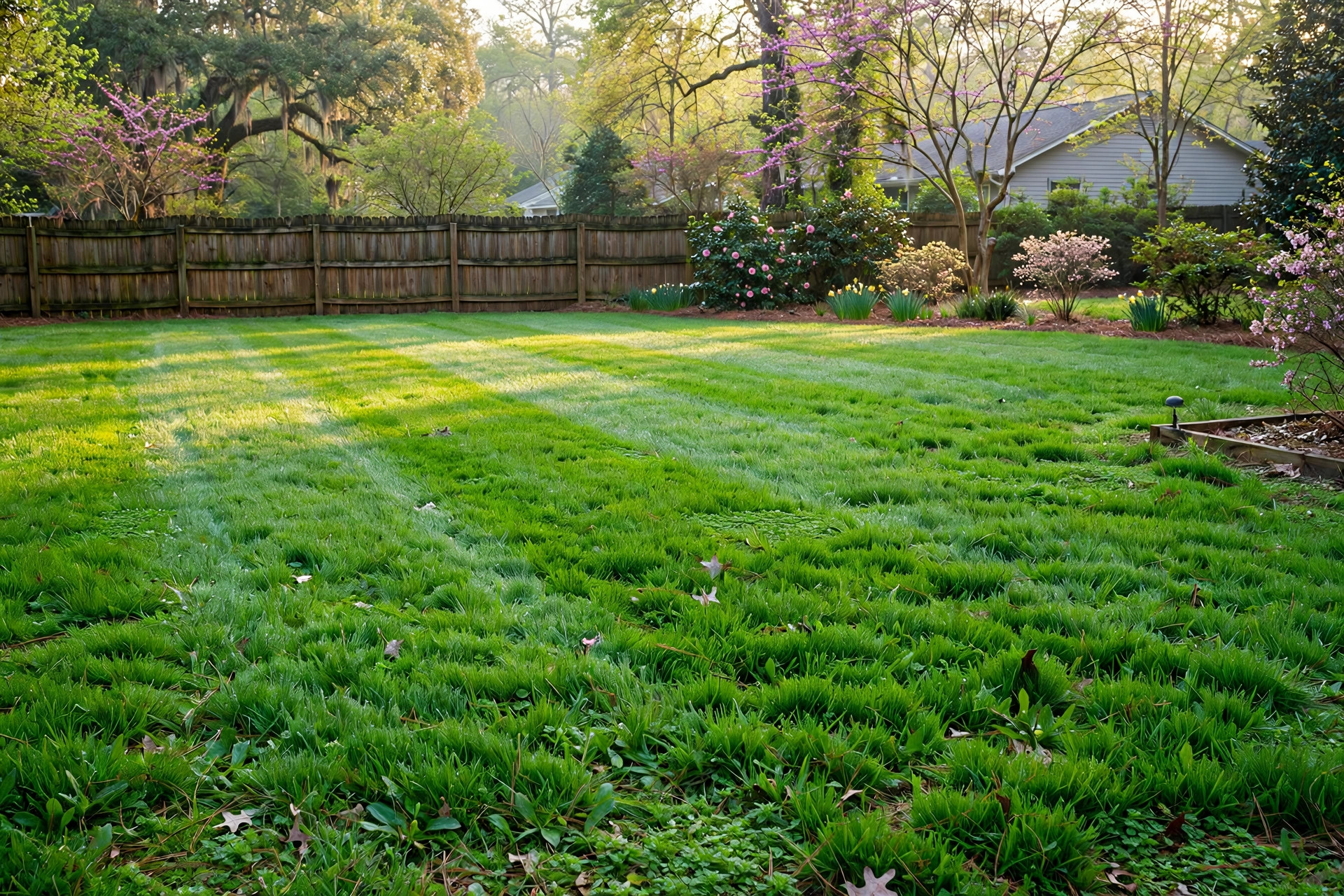
The South grows warm-season grasses. Bermuda grass, St. Augustine grass, zoysia, and centipede are the common ones. These grasses turn green when soil temperatures rise above 55 degrees. In much of the South, that happens in March or April. In the North, cool-season grasses like fescue and bluegrass wake earlier.
This difference changes every date on the calendar. Pre-emergent weed killer goes down in the South in late February or March. In the North, it goes down in April. Fall seeding is common in the North. In the South, most lawns are not seeded in fall. They are patched with sod or plugs in late spring.
Know Your Grass Before You Start: Lawn Care Calendar for Southern States
Before you follow any calendar, know which grass you have. Each one needs different care.
Bermuda grass is common in Texas, Georgia, and Alabama. It likes full sun. It can be cut short, down to one inch. It spreads fast and heals fast. It needs more fertilizer than most southern grasses. A lawn care schedule for bermuda grass in Florida follows much of this same calendar.
St. Augustine grass is the most common lawn in Florida and coastal Texas. It grows thick and shades out weeds. It should be cut at three to four inches. It does not do well with cold. In north Florida and north Texas, a hard freeze can thin it.
Zoysia grass grows in many southern states. It is dense and soft. It can be cut at one to two inches. It grows slowly, so patches take time to fill in. It needs less water than Bermuda.
Centipede grass is popular in the Carolinas, Georgia, and Alabama. It needs little fertilizer. Too much fertilizer hurts it. It likes acid soil.
If you do not know your grass, take a sample to your local county extension office. They will tell you for free or for a small fee.
The Southern Lawn Care Calendar
Late Winter: January and February
The lawn is brown or dull green. The grass is asleep. This is a quiet time, but not a lazy one.
Sharpen your mower blades. A sharp blade cuts clean. A dull blade tears the grass and leaves brown tips. Check the Toro website for blade care guides for your mower model.
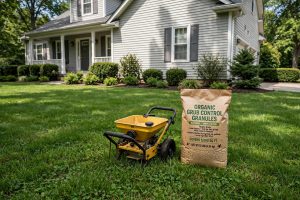
Apply pre-emergent weed killer in late February. This is the most important date in the whole lawn care calendar for southern states. Pre-emergent stops crabgrass and other weeds before they sprout. It must be down before soil temperatures reach 55 degrees for several days. Watch the soil, not the calendar page.
Do not fertilize yet. Feeding the lawn while it is still half asleep feeds the weeds instead. Wait until the grass is fully green.
Early Spring: March
The grass wakes up. Green shoots appear across the yard. This is a busy month.
Mow for the first time when the grass is fully green. Set the mower high for this first cut. Follow the one-third rule: never cut more than one-third of the blade at once.
Check the sprinkler system. Turn it on and walk the yard. Look for broken heads, low pressure, and dry spots. Spring rain may cover your needs in March, but the system must be ready for summer.
Now is the time for the first fertilizer feeding, but only if the grass is fully green and growing. A good fertilizer for St. Augustine grass in Texas is high in nitrogen. Bermuda also wants nitrogen now. Centipede wants very little. Zoysia wants a light feeding. Read the bag and follow the rate. More is not better.
Late Spring: April and May
The lawn is growing fast. Mowing becomes a weekly job. In the deep South, some lawns need mowing twice a week in May.
Keep the mower at the right height for your grass. Bermuda does well at one to one and a half inches. St. Augustine does well at three to four inches. Zoysia does well at one to two inches. Centipede does well at one and a half to two inches.
Water deeply but not often. One inch of water per week is the standard goal. Put a rain gauge on the lawn. When it holds one inch, you have watered enough.
Watch for insects. In April and May, grubs, chinch bugs, and mole crickets become active. Chinch bugs are a common problem in St. Augustine grass. They leave yellow patches that grow in the heat. If you see damage, treat only the damaged area.
Summer: June, July, and August
Summer is the test. Heat, sun, and storms all hit at once.
Mow high in summer. Raise the blade a half inch above your spring height. Taller grass handles heat better. Mow in the morning or evening, not in the midday heat.
Water early in the morning. Watering at dawn lets the grass dry before night. Wet grass at night invites fungus. Brown patch is a common summer fungus in St. Augustine and zoysia.
Do not fertilize in the peak heat of July and August. Fertilizer pushes new growth. New growth is weak and needs extra water. It is also more open to disease. If you must feed, wait for late August in the upper South.
Leave the clippings on the lawn. This is called grasscycling. The clippings break down and return nitrogen to the soil. A mulching blade, like those from Briggs & Stratton, chops them fine.
Fall: September and October
The heat breaks. The grass gets a second wind. Fall is the best time to fix problems. A guide to pre-emergent weed killer application timing covers the spring dates, but a fall pre-emergent also stops winter weeds.
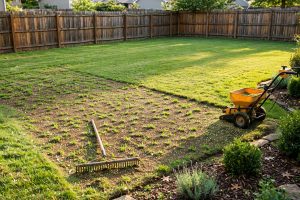
Thin spots can be patched with sod or plugs in September. The warm soil helps roots take hold before winter. Most southern lawns are not overseeded like northern lawns.
Aerate compacted lawns in late summer or early fall. Aeration pulls small plugs of soil from the lawn. It lets air, water, and food reach the roots. Lawns with heavy foot traffic or clay soil need it most.
Apply a fall fertilizer in September or October. This feeding should be lower in nitrogen and higher in potassium. Potassium helps the grass stand up to cold. Do not apply fertilizer after the first frost date in your area.
Winter: November and December
The grass slows down. In the upper South, it goes fully brown. In south Florida, it may stay green all year.
Mow less often. In most of the South, the last mow comes in November. Set the blade a little lower for the final cut. This keeps the grass from lying flat and matting under winter leaves.
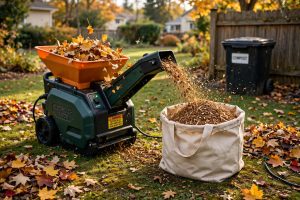
Clean up leaves. A thick layer of leaves blocks light and traps moisture. That kills grass underneath. Mow over light leaves to chop them up. Rake up heavy layers.
Do not water much. The sleeping grass needs little. Water only during long dry spells. If footprints stay visible in the grass after you walk on it, the lawn is thirsty.
Keep off frozen grass. In the upper South, morning frost is common. Walking on frosty grass breaks the blades. Wait until the frost melts.
What to Look for When Choosing Products
Not every bag on the store shelf fits a southern lawn. Read the label.
Look for fertilizer numbers that fit your grass. The three numbers on the bag show nitrogen, phosphorus, and potassium. Southern soils often have enough phosphorus already. A soil test tells you for sure.
Look for slow-release nitrogen. Quick-release fertilizer greens the lawn fast but fades fast. It can also burn the grass. Slow-release feeds the lawn for six to eight weeks. It is safer and lasts longer.
Look for weed killers labeled for your grass type. Some products that are safe on Bermuda will hurt St. Augustine. Read the label twice. The label is the law with weed killers.
Measure your lawn before you buy. A bag that covers 5,000 square feet on a 10,000 square foot lawn means you need two bags. Guessing leads to overfeeding or underfeeding.
Types of Lawn Care Plans
You can follow this calendar yourself, or you can hire help. There are three common paths.
Do it yourself. You buy the products and do the work. This is the cheapest path. It takes time and some learning. The calendar above is built for this path.
Lawn care service. A company comes on a schedule. They mow, edge, and blow. Most do not fertilize or treat weeds unless you add that plan. Ask what is included before you sign.
Full treatment program. A company handles feeding, weed control, and pest control. This path costs more but takes less of your time. Make sure the company knows southern grasses. Ask which products they use on St. Augustine or centipede. John Deere dealer networks can also point you to local service options.
Cost and Price
A bag of fertilizer that covers 5,000 square feet costs about fifteen to thirty dollars. You will need four to six bags per year for a quarter-acre yard. A pre-emergent weed killer costs about twenty to forty dollars per application. You may apply it twice a year, in spring and fall.
A basic push mower costs a few hundred dollars. A riding mower costs one to three thousand dollars. Blade sharpening costs ten to twenty dollars at a shop.
Hiring a mowing service costs about thirty to sixty dollars per visit for a quarter acre. Doing it yourself usually costs two hundred to four hundred dollars per year in products.
Care and Upkeep Through the Year
Test your soil every two or three years. The extension service test tells you the pH and nutrient levels. Southern soils are often acid. Only add lime if the test says you need it. Guessing with lime is a common mistake.
Keep mower blades sharp all season. Check them each month. A sharp blade is the cheapest way to a better lawn.
Clean the mower deck after each mow. Wet clippings cake under the deck. They block airflow and make the cut uneven.
Store fuel safely. Use fresh fuel or add stabilizer. Old fuel gums up the carburetor.
Edge every two or three weeks in the growing season. A crisp edge along the driveway and sidewalk makes the whole yard look cared for.
Safety
Read every product label before you open the bag. Wear gloves and long sleeves when spreading fertilizer or weed killer. Keep children and pets off the lawn until the product is watered in and dry.
Store chemicals in a locked shed or cabinet. Never pour leftover weed killer down a drain or into a ditch. It ends up in the water supply.
Mower safety matters too. Never reach under the deck while the engine runs. Clear sticks and stones before you mow. Wear closed shoes, not sandals. Keep children and pets inside while you mow.
Heat safety is real in the South. Do yard work in the morning. Drink water. Take breaks in the shade.
Frequently Asked Questions
When should I start my lawn care calendar for southern states each year? Start in late February with pre-emergent weed killer. That is the first real job of the year. Mowing and feeding start in March when the grass turns fully green.
Can I use the same lawn schedule as my cousin in Ohio? No. Ohio grows cool-season grass. Its calendar is built around fall seeding and spring feeding of fescue. Southern warm-season grass wakes later, grows through summer heat, and sleeps in winter. The dates and the products are different.
How often should I mow in summer? Most southern lawns need mowing once a week in summer. Fast-growing Bermuda may need mowing twice a week in May and June. Never cut more than one-third of the blade at one time.
Is it too late to start in July? No. Start where the calendar says for July. Mow high, water deeply in the morning, and skip fertilizer until late August or September. Do not try to catch up on missed spring feedings with a heavy summer feeding.
Why is my lawn brown in patches even though I water? Brown patches can come from many causes. Grubs eat roots. Chinch bugs suck the juice from the blades. Fungus spreads in wet weather. Compacted soil blocks water. Pull up a brown patch. If it lifts like a carpet, grubs may be the cause. A correct diagnosis saves money.
Do I need to dethatch my southern lawn? Most southern lawns do not need regular dethatching. A thin layer of thatch is normal. A layer thicker than half an inch blocks water. Bermuda lawns can build thatch faster than other grasses. For most lawns, aeration does more good than dethatching.
A Short Final Word
A lawn care calendar for southern states is a simple tool. It tells you what to do and when to do it. The South gives you a long growing season and strong sun. That is a gift. It also gives you heat, weeds, and bugs that test the lawn. A steady calendar turns that test into a routine.
Start with the soil test. Mark the pre-emergent date. Mow sharp and mow high. Water deep and water early. Feed on time, not on impulse. Do those things, and the lawn will do the rest.
References
Toro. (n.d.). Lawn mowers and yard care equipment. https://www.toro.com Deere & Company. (n.d.). Agriculture and turf equipment. https://www.deere.com Briggs & Stratton. (n.d.). Outdoor power equipment engines. https://www.briggsandstratton.com
Was this guide helpful?

About Lisa Anderson
The My Garden US editorial team writes practical, in-depth home and garden guides for American homeowners — tested advice, no fluff.