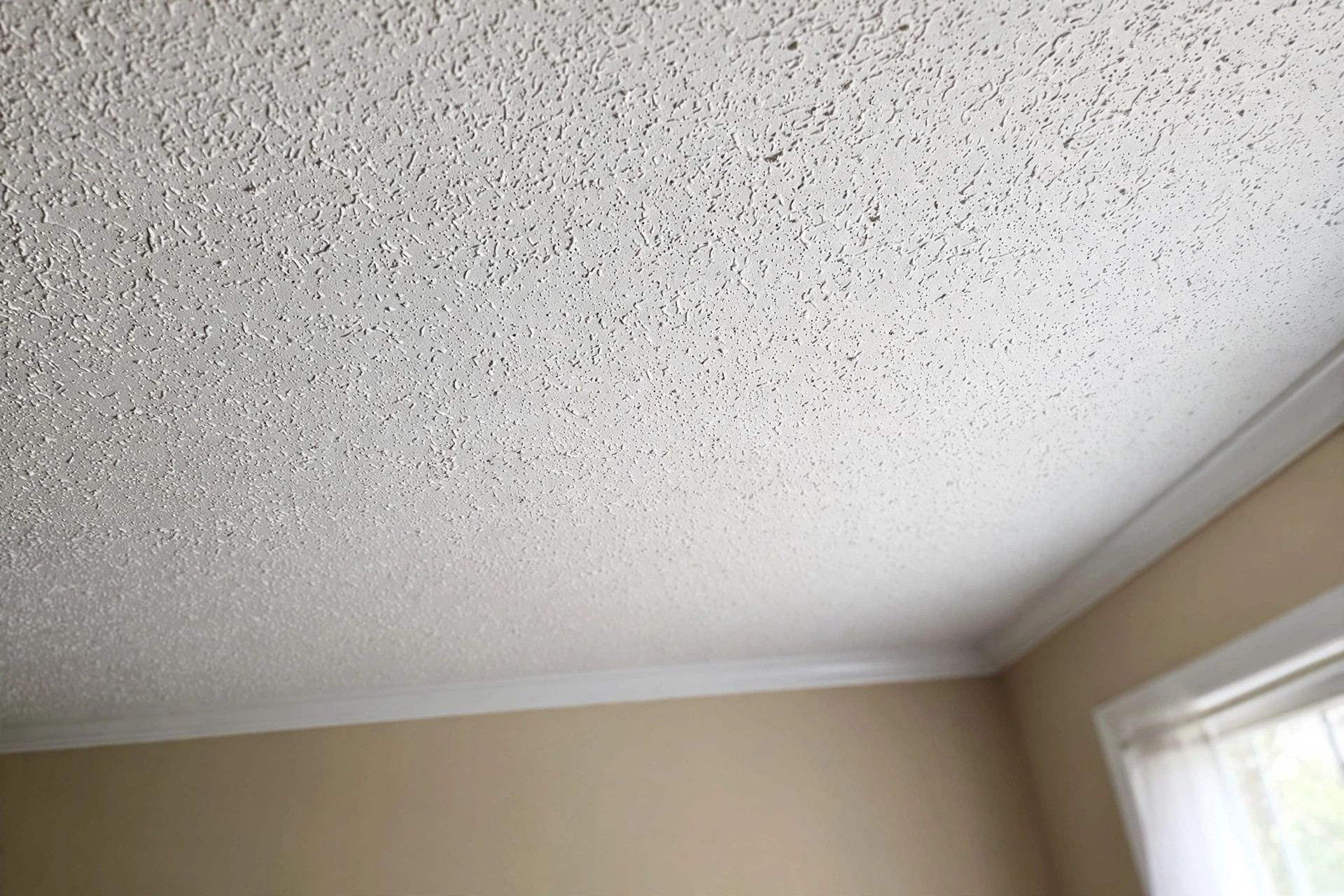
Popcorn ceilings were once found in almost every American home. Builders put them up fast. They covered flaws. They also held a lot of dust. Many homeowners now want to freshen them with a coat of paint. Finding the best ceiling paint for popcorn ceilings USA buyers can rely on takes some care. The bumpy texture does not act like a flat wall. It soaks up paint. It can also crumble if you work it too hard. This guide explains what to look for, what to buy, and how to do the job right.
Why the Right Paint Matters for Popcorn Ceilings
A popcorn ceiling is fragile. The rough finish is often made of a mix of paint and texture material. It can chip or flake if you press too hard with a roller. A thin, watery paint can soak in and loosen the texture. The result is a mess of peeled spots.
The best ceiling paint for popcorn ceilings USA stores sell is thick and made for the job. A heavy-bodied paint sits on top of the bumps instead of soaking through. It covers stains in one or two coats. It also hides old marks without heavy sanding. Sanding a popcorn ceiling is work you want to avoid. It makes dust, and older ceilings may hold materials you should not breathe in.
A fresh coat of ceiling paint also brightens a room. Popcorn ceilings turn yellow over time. Smoke, cooking, and sun all stain them. A good white or light ceiling paint brings the brightness back. Many buyers check product pages at Behr and guides from Sherwin-Williams when they compare paint made for ceilings.
What to Look for in Ceiling Paint: Best Ceiling Paint for Popcorn Ceilings Usa
Not every paint can do this job. Here are the traits that matter most.
Thick, High-Hiding Formula
Look for paint labeled for ceilings. These paints are thicker than wall paint. They spatter less. They cover old stains with fewer coats. A high-hiding formula means you may need only one full coat over a primed surface.
Flat or Matte Sheen
Ceilings look best in flat paint. Flat paint does not reflect light. It hides the bumps and shadows of the texture. Gloss or even eggshell paint will make every bump stand out. Stay with flat or matte.
Stain Blocking
Popcorn ceilings often carry water stains and smoke marks. A paint with stain-blocking strength keeps those marks from bleeding through. If the stains are dark, plan on a separate stain-blocking primer first. Many do-it-yourself guides on This Old House explain when a primer step is needed.
Low Odor
You will spend hours under the ceiling with paint overhead. A low-odor or zero-VOC paint makes the job much easier. It is also kinder to children and pets in the house.
Types of Paint That Work
Acrylic Latex Ceiling Paint
This is the most common choice. It cleans up with water. It dries fast. Modern acrylic ceiling paints are thick enough for popcorn texture. Most homeowners pick this type. You can find solid options at Lowe’s and The Home Depot.
Stain-Blocking Primers
A primer is not paint, but it may be the most important can you buy. On bare or stained popcorn texture, a primer seals the surface. It gives the top coat something firm to hold. Use an oil-based or shellac-based stain blocker for heavy smoke or water stains. Use a water-based primer for light stains.
Specialty Ceiling Paints
Some paints are sold only for ceilings. They go on slightly tinted, often pink or blue, and dry to white. This trick helps you see where you have painted. It is useful on a white ceiling where wet and dry paint look the same.
How to Choose the Right Can
Start with the condition of your ceiling. If the texture is firm and only looks dull, a quality ceiling paint alone may do. If there are brown water rings or yellow smoke stains, buy a stain-blocking primer too.
Check the label for coverage. Most ceiling paints cover 250 to 400 square feet per gallon. A popcorn texture uses more paint than a flat ceiling. The bumps add surface area. Buy one extra gallon beyond what the label says. Running out mid-job leaves lap marks.
Read reviews before you buy. Sites like Bob Vila and The Spruce publish paint comparisons that cover real-world use. HGTV also runs home guides with paint picks for tricky surfaces.
If you are painting the whole house interior, you may also want to look at /interior-house-painters-near-me-reviews/ for help with the walls while you handle the ceiling yourself.
Tools You Will Need
The right tools matter as much as the paint. A cheap roller can tear the texture.
– A thick-nap roller cover, three-quarter inch to one inch. The deep nap reaches into the bumps. – A sturdy roller frame and an extension pole. Painting overhead is hard on the arms. A pole gives you reach and control. – A paint tray or a five-gallon bucket with a screen. – Painter’s tape and drop cloths. Cover every inch of floor and furniture. Ceiling paint drips. – A brush for cutting in along the edges. – A sprayer if you have one. A sprayer lays paint on gently without touching the texture. It is the safest method for fragile popcorn ceilings.
Step-by-Step: Painting a Popcorn Ceiling
1. Test the Texture First
Wet a small hidden spot with a damp sponge. If the texture turns soft or starts to come off, it is not painted and sealed. In that case, a sprayer is your best option. A roller may pull the texture loose.
2. Protect the Room
Take down light fixtures and vent covers. Tape the tops of the walls. Lay drop cloths over the floor and furniture. Popcorn ceiling work makes a fine dust even before paint goes on.
3. Clean Lightly
Use a soft brush or a vacuum with a brush head to take off cobwebs and dust. Do not scrub. Do not use water on an unsealed texture.
4. Prime Stains
Roll or spray stain-blocking primer over any dark spots. Let it dry fully. Check the can for dry times. Rushing this step lets stains bleed through the top coat.
5. Cut In the Edges
Use a brush to paint a line where the ceiling meets the walls. Work in small sections so the edge stays wet.
6. Roll in One Direction
Load the roller well. Roll gently in straight lines, in one direction only. Do not go back over wet paint. Back-rolling can pull the texture up. Overlap each pass slightly. Two light coats beat one heavy coat.
7. Let It Dry and Check
Let the first coat dry fully. Look at it in daylight and at night under the lamps. Touch up thin spots with a light second coat.
Many buyers compare paint brands on Benjamin Moore pages when they want a premium ceiling finish.
Cost and Price
A gallon of good ceiling paint costs between 25 and 55 dollars in most American stores. Stain-blocking primer runs 20 to 45 dollars per gallon. A standard bedroom ceiling of about 150 square feet may need two gallons of paint after priming, because the texture drinks paint.
Tools add to the cost. A thick-nap roller cover costs 8 to 15 dollars. An extension pole costs 15 to 30 dollars. Drop cloths and tape may add another 20 dollars. If you rent a paint sprayer, expect 50 to 100 dollars per day.
Hiring a painter changes the math. A professional may charge 1 to 3 dollars per square foot for a popcorn ceiling, because the work is slow and messy. For a full cost picture, see /best-exterior-house-painting-cost-estimator-usa/ if you are planning bigger paint projects around the house.
Care and Upkeep
Once the paint is dry, a painted popcorn ceiling is easy to live with. Dust it once or twice a year with a soft brush or a vacuum brush head. Do not use a wet mop. Water can soften the paint and the texture under it.
Fix small chips fast. Keep a small jar of the same paint. Dab chips with a brush and let them dry. Small fixes blend in well on a flat white ceiling.
Watch for new water stains. A brown ring on a fresh ceiling means a leak above. Fix the leak first, then prime and repaint the spot. Paint alone will not stop a leak.
If your kitchen cabinets need fresh paint too, read /kitchen-cabinet-refinishing-service-cost-usa/ before you start.
Safety Notes
Homes built before 1980 may have popcorn ceilings that contain asbestos. Do not scrape, sand, or disturb the texture until you know it is safe. You can buy a test kit or hire a lab to test a small sample. If the test is positive, call a licensed asbestos contractor. Painting over the texture without disturbing it is usually safe, but check local rules first.
Lead paint is another concern in older homes. If the ceiling was painted before 1978, the old paint may contain lead. The EPA rules for lead-safe work apply when you disturb old paint. Keep children and pregnant women out of the work area.
Ventilate the room while you paint. Open windows and run a fan. Even low-odor paint needs fresh air. Wear safety glasses to keep drips out of your eyes. A hat or hood keeps paint out of your hair.
FAQ
Can I paint a popcorn ceiling with regular wall paint?
You can, but it is not the best choice. Wall paint is thinner and made to be scrubbed. Ceiling paint is thicker, spatters less, and hides stains better. For the best ceiling paint for popcorn ceilings USA homeowners recommend, stick with a paint made for ceilings.
Do I need to prime a popcorn ceiling before painting?
If the ceiling was never painted, or if it has stains, yes. Primer seals the texture and blocks stains. If the ceiling is already painted and clean, a quality ceiling paint may cover it without primer.
Is it better to spray or roll a popcorn ceiling?
Spraying is gentler. The paint lands on the texture without touching it. Rolling works fine on firm, sealed texture if you use a thick-nap roller and light pressure. On soft or crumbly texture, spraying is much safer.
How many coats does a popcorn ceiling need?
Most jobs need one coat of primer on stains plus two coats of ceiling paint. The texture hides a lot, but it also soaks up paint. Plan for more paint than a flat ceiling of the same size would need.
Can I paint over a popcorn ceiling that is peeling?
No. Fix the peeling first. Scrape loose pieces gently, patch the spots, and prime them. Painting over loose texture traps the problem. It will peel again, taking the new paint with it.
What color should I paint a popcorn ceiling?
Bright white is the classic choice. It reflects light and makes the room feel taller. Some people use a very light tint of the wall color. Avoid dark colors on popcorn texture. Dark paint makes the bumps cast strong shadows and can make the room feel lower.
A Final Word
Painting a popcorn ceiling is slow work, but it pays off. The right paint, a thick roller, and a light touch will take a tired yellow ceiling back to bright white. Take your time with the prep. Test the texture. Prime the stains. Roll in one direction and do not overwork the paint. When the job is done, the whole room will feel new. That is the real value of the best ceiling paint for popcorn ceilings USA homeowners keep buying: a simple upgrade that changes how the home feels.
References
Behr. (n.d.). Paints, primers, and stains. https://www.behr.com Benjamin Moore. (n.d.). Paints and stains. https://www.benjaminmoore.com Bob Vila. (n.d.). Home improvement advice. https://www.bobvila.com HGTV. (n.d.). Home and garden ideas. https://www.hgtv.com Lowe’s. (n.d.). Home improvement products. https://www.lowes.com Sherwin-Williams. (n.d.). Paints and coatings. https://www.sherwin-williams.com The Home Depot. (n.d.). Home improvement products. https://www.homedepot.com The Spruce. (n.d.). Home and garden advice. https://www.thespruce.com This Old House. (n.d.). Home renovation guidance. https://www.thisoldhouse.com
Was this guide helpful?

About James Carter
The My Garden US editorial team writes practical, in-depth home and garden guides for American homeowners — tested advice, no fluff.