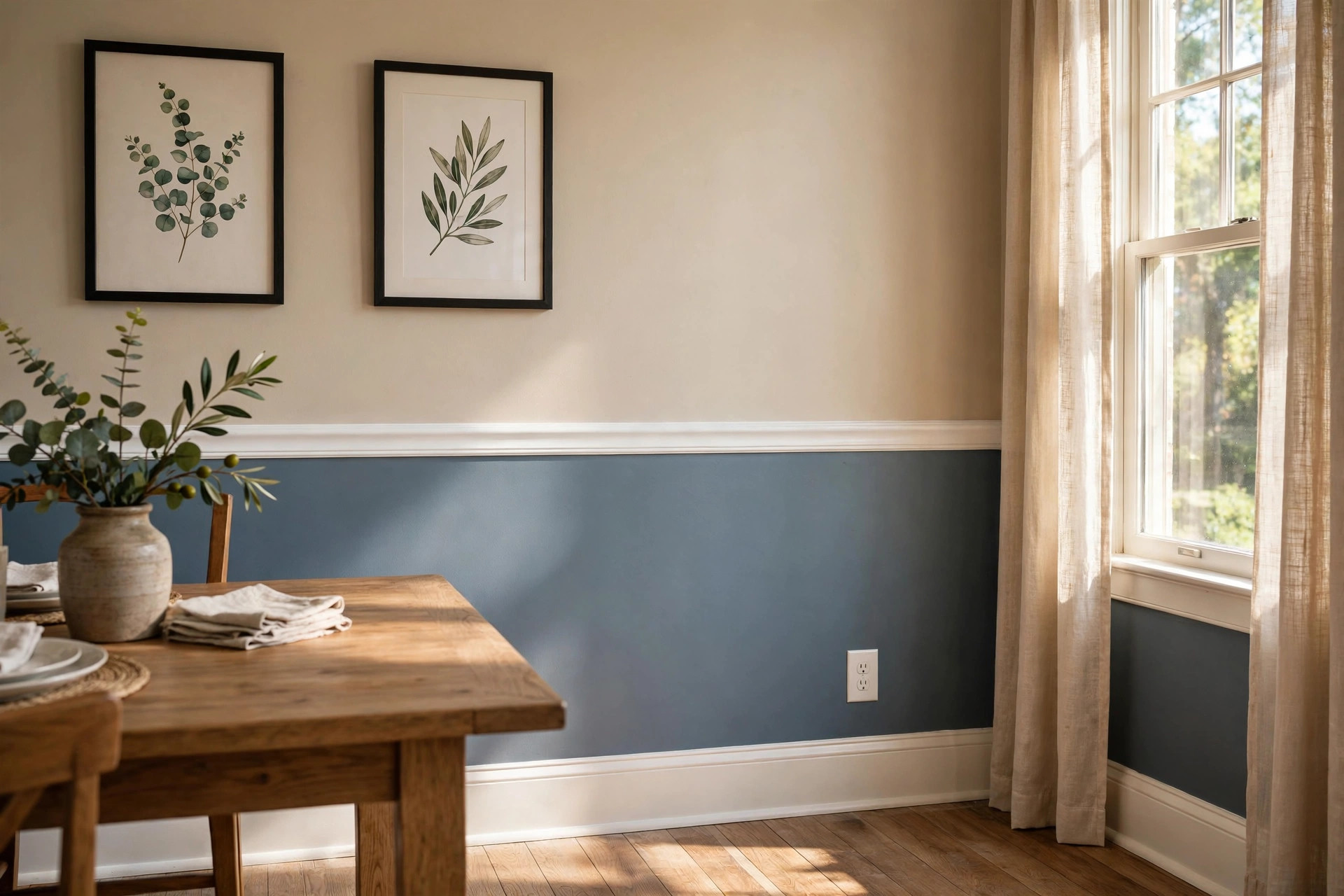

Many homeowners search for chair rail installation cost near me before they start a wall trim project. A chair rail is a thin strip of molding that runs along a wall, usually about three feet from the floor. It was made to protect walls from chair backs. Today it is used mostly for looks. It gives a plain room a finished feel.
The cost to install chair rail depends on the size of the room, the type of wood, and the price of labor in your area. This guide will walk you through every part of the cost. It will help you get fair quotes from local pros.
Why Chair Rail Matters for Your Home
Chair rail adds style at a low cost. It breaks up a tall wall into two parts. This makes a room feel warm and planned. You can paint the lower part one color and the upper part another. Or you can keep both parts the same color for a clean look.
A chair rail also works well in older homes. Many houses built in the last century already have it. Adding it back keeps the home in line with its first design. In new homes, it adds charm that flat walls lack. The look fits well in dining rooms, living rooms, halls, and bedrooms. Style guides from HGTV often show chair rails in classic American dining rooms.
It is also one of the least costly trim projects. Unlike full wainscoting, which covers the whole lower wall, chair rail is just one strip. That means less wood and less labor. Homeowners on a tight budget can get a big change for little money.
What to Look for When Hiring an Installer: Chair Rail Installation Cost near Me
Check local reviews and past work
Start with local contractors who do finish carpentry. Read reviews from real clients. Ask to see photos of past chair rail jobs. A good installer will have sharp corners and clean joints. Look for even gaps between the molding and the wall. Paint lines should be straight.
Get at least three quotes
Call three pros in your area. Ask each one to visit your home. A quote given over the phone is only a guess. The pro needs to see the room, count the corners, and check the wall shape. Ask each one the same questions so you can compare. Sites like Bob Vila list common questions to ask trim carpenters.
Ask about the full scope
A good quote should list the wood cost, the labor cost, and the paint cost. It should say who buys the supplies. It should state how many days the job will take. Ask if the price covers filling nail holes and sanding. Ask if paint is included or extra.
Types of Chair Rail and Material Options
Solid wood
Solid wood is the most common choice. Pine is cheap and easy to cut. Oak and poplar cost more but look better with stain. Wood takes paint well and holds up for years. Most local shops stock it. Hardware stores such as Home Depot carry several wood profiles.
MDF
MDF is a man-made board made from wood fibers. It costs less than real wood. It paints smooth and does not warp. But it dents more easily than wood. It also swells if it gets wet. For dry rooms, it is a fine budget pick.
PVC and polyurethane
PVC and polyurethane moldings are made for rooms with moisture. They do not rot or warp. They cost more than MDF but last a long time in baths and laundry rooms. They are light and easy to cut.
Profiles and widths
Chair rail comes in many shapes. Simple flat strips are the cheapest. Rounded and stepped shapes cost a bit more. Most rails are two to three inches wide. A wider rail gives a bolder look. Your installer can show you samples.
Chair Rail Installation Cost: Full Price Breakdown
The national average for chair rail installation is about four to ten dollars per linear foot. This includes wood and labor. For a twelve by fourteen foot room, you need about fifty-two feet of rail. The total would run from about two hundred to five hundred dollars.
Here is how the cost breaks down.
Material cost
Pine chair rail costs about one to three dollars per foot. MDF costs about fifty cents to two dollars per foot. Oak and other hardwoods cost about three to seven dollars per foot. PVC costs about two to five dollars per foot. Paint and supplies add about twenty to fifty dollars for a room.
Labor cost
Labor is the largest part of the bill. Carpenters charge about fifty to one hundred dollars per hour in most American cities. A simple room takes about four to six hours. That puts labor at about two hundred to six hundred dollars. Prices are higher on the coasts and in large cities. Prices are lower in small towns.
How room shape changes the price
A square room with four corners is the easiest job. Rooms with many corners, doors, and windows take more time. Every inside and outside corner must be cut at the right angle. Long walls may need joints where two strips meet. A tricky room can add one to two hours of labor.
Painting
Some installers paint the rail as part of the job. Others leave the paint to you or to a painter. Painting one room of chair rail costs about one hundred to two hundred dollars if hired out. Quality interior paint from Sherwin-Williams or Behr will hold up well on trim. If you paint it yourself, you save the full labor cost. How-to guides from This Old House walk through trim painting step by step.
Chair rail vs. other wall trim
Many homeowners weigh chair rail against bigger trim jobs. A wainscoting installation service near me search will turn up higher quotes, often ten to twenty dollars per foot. Board and batten installation cost usa averages land a bit above chair rail too, since they cover more wall. A shiplap wall installation cost per square foot quote will run higher still. Chair rail stays the cheapest way to dress up a wall.
Extra costs to watch for
Small extras can add up. If the walls are in bad shape, the installer may need to patch drywall before the rail goes up. Patch work runs about fifty to one hundred fifty dollars per room. Moving the rail around built-in shelves or odd angles adds labor time. If you want the rail to run through a doorway casing or around a window, the cuts get tricky and the price rises.
Delivery fees for molding are rare, but some lumber yards charge for small orders. Ask about this when you buy. Waste is another small cost. Installers buy ten to fifteen percent more wood than the room needs. Corners and bad cuts use up extra feet. This is normal and should be in the quote.
Ways to Save Money on the Project
Buy your own molding if you can find a deal. Big stores like Lowe’s run sales on trim. But check with your installer first. Some pros get trade discounts and may beat the store price.
Do the prep work yourself. Move furniture away from the walls. Take down outlet covers and curtains. This saves the installer time.
Paint the rail yourself after the install. This is the easiest way to cut the bill. Trim paint is forgiving to brush on. Drying tips from Benjamin Moore help you get a smooth finish.
Book the job with other work. If you already have a carpenter coming for doors or baseboards, adding chair rail costs less per foot. The tools are already on site.
Timing and season
Trim carpenters are busiest in spring and early summer. Prices can be a bit higher then. Late fall and winter are slower months. You may get a better rate in the off season. Ask the pro if the quote changes by month. It never hurts to ask.
What a fair quote looks like
A fair quote is written, not spoken. It lists each cost line by line. It names the wood type and the paint brand. It gives a start date and a finish date. It states the payment plan. Most pros ask for a small deposit and the rest at the end. Be wary of anyone who wants full pay up front. A fair quote also covers clean up. The crew should haul away scraps and sweep the room.
Care and Upkeep After Installation
Chair rail needs little care. Dust it once a month with a dry cloth or a soft brush. Wipe marks with a damp cloth and mild soap. Do not soak MDF molding with water.
Check the caulk line where the rail meets the wall once a year. If gaps open up as the house settles, run a thin bead of paintable caulk. Touch up paint chips with a small brush. Design care guides from The Spruce suggest keeping a small jar of leftover trim paint for quick fixes.
Keep heavy chairs from hitting the rail hard. Felt pads on chair legs help. In homes with kids, expect more scuffs and plan a fresh coat of paint every few years. If a section of rail ever comes loose, a few finish nails and a dab of wood glue will fix it. Match the paint and the repair will vanish.
Safety Notes
Watch for dust when old molding is cut or sanded. The installer should use a dust mask and keep the room aired out. In homes built before 1978, old paint may hold lead. Federal rules require a certified pro for work that disturbs lead paint. Ask your installer about this if your home is old.
Keep the work area clear while the carpenter is cutting. Small children and pets should stay out of the room. Nails and sharp cut ends can cause cuts.
If you run new rail near outlets or switches, the installer may need to cut around them. The power should be off while plates are moved. A licensed electrician should move any box that sits in the way.
Frequently Asked Questions
How much does it cost to install chair rail in one room?
Most single rooms cost between two hundred and six hundred dollars. The price covers wood and labor. A large room or pricey wood pushes it higher.
What is the cheapest chair rail material?
MDF is the cheapest common choice. It costs about fifty cents to two dollars per foot. Pine is the cheapest real wood.
Can I install chair rail myself?
Yes, if you own a miter saw and a nail gun. The cuts are simple. But corners take practice. Many homeowners hire a pro for the first room and do the rest themselves.
How long does installation take?
A pro can finish a normal room in half a day. Painting adds another half day. A whole house may take two to three days.
Should chair rail be painted the same color as the wall?
It is a matter of taste. Same-color trim looks modern and calm. White trim against a colored wall looks classic. Either choice works with the right paint.
Does chair rail add value to a home?
It can help a home feel well kept. Buyers like finished details. The added value is small, but the cost is small too.
A Final Word
Searching chair rail installation cost near me is a smart first step. Now you know the price range and what drives it. Get three local quotes. Pick the right wood for your room. Decide who paints. With a little planning, you can add lasting charm to your walls for a few hundred dollars.
References
Behr. (n.d.). Paints, primers, and stains. https://www.behr.com Benjamin Moore. (n.d.). Paints and stains. https://www.benjaminmoore.com Bob Vila. (n.d.). Home improvement advice. https://www.bobvila.com HGTV. (n.d.). Home and garden ideas. https://www.hgtv.com Lowe’s. (n.d.). Home improvement products. https://www.lowes.com Sherwin-Williams. (n.d.). Paints and coatings. https://www.sherwin-williams.com The Home Depot. (n.d.). Home improvement products. https://www.homedepot.com The Spruce. (n.d.). Home and garden advice. https://www.thespruce.com This Old House. (n.d.). Home renovation guidance. https://www.thisoldhouse.com
Was this guide helpful?

About Emily Rodriguez
The My Garden US editorial team writes practical, in-depth home and garden guides for American homeowners — tested advice, no fluff.
You May Also Like

Winter Interior Painting Tips for USA Homes
February 25, 2026 0 views
Wainscoting Installation Service Near Me Reviews: A Homeowner’s Guide
February 23, 2026 0 views
Painting Kitchen Cabinets White Cost USA: A Complete Price Guide
February 9, 2026 0 views