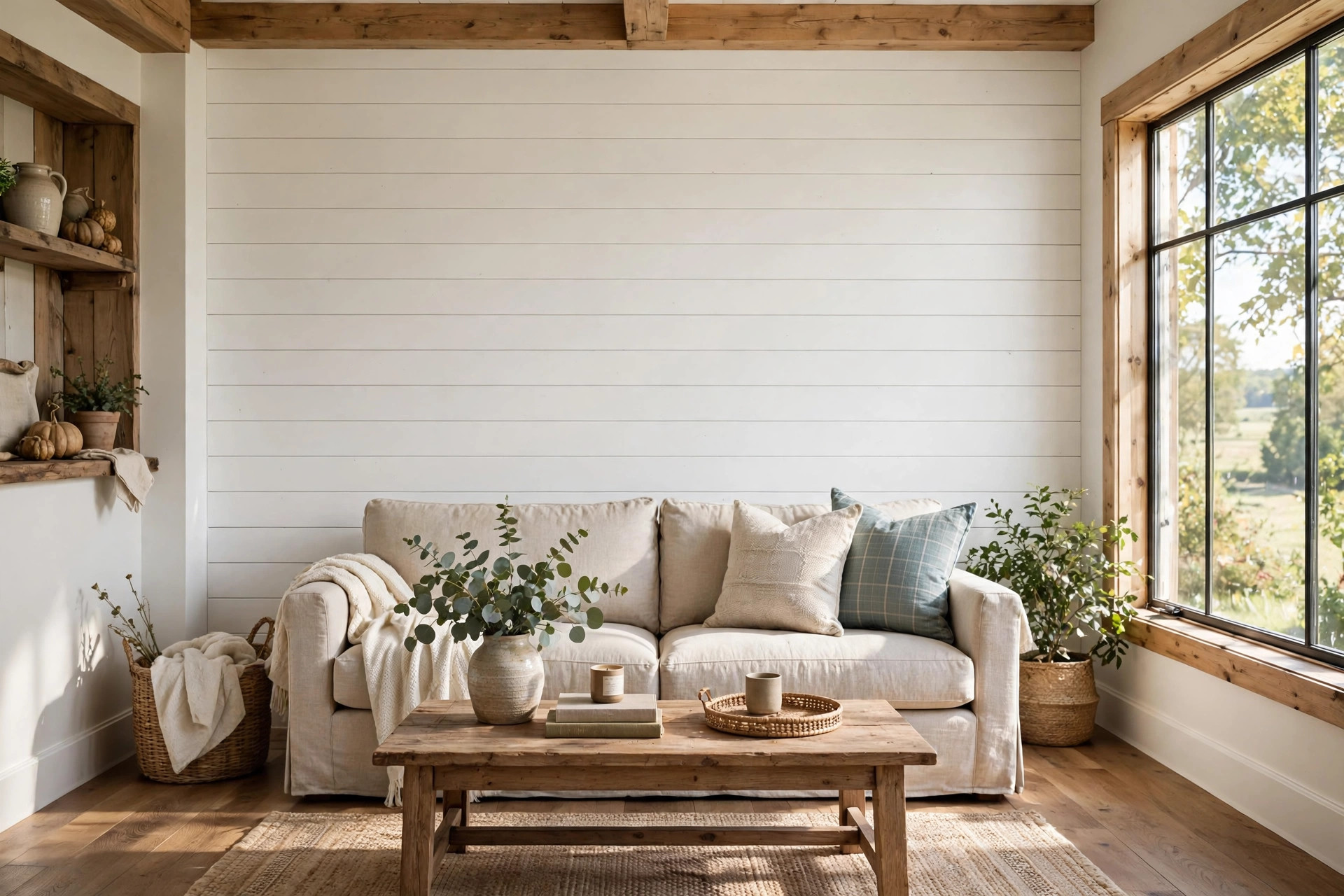

Shiplap has become one of the most loved wall treatments in American homes. The clean horizontal lines give a room instant character. They suit a farmhouse look, a coastal cottage, and even a modern city apartment. Before you buy a single board, it helps to know the shiplap wall installation cost per square foot. A clear price picture keeps the project honest. It lets you compare quotes with confidence. It also shows you where you can save money and where you should not.
This guide walks through every part of the price. You will learn what shiplap is, what the boards cost, what installers charge, and how the total adds up. You will also see how paint, trim, and repair work can change the final number. By the end, you will know how to budget the whole job like a pro.
Why the Cost Per Square Foot Matters
Many homeowners get one big lump-sum quote for a shiplap job. That single number hides the details. It does not show what the boards cost versus the labor. It does not show whether the painter added extra coats. It does not show if the room shape made the work harder.
A per-square-foot price fixes that problem. It turns every quote into a number you can compare. If one installer asks $8 per square foot and another asks $12, you know exactly where the gap sits. You can ask what the extra $4 covers. Maybe the higher bid includes paint. Maybe it includes new trim. The number gives you a fair way to judge.
The per-square-foot figure also helps you plan room by room. A small powder room may cost only a few hundred dollars. A full living room wall may run past a thousand. When you know the rate, you can multiply it by your wall size and get a quick estimate before you call anyone.
What Is Shiplap: Shiplap Wall Installation Cost Per Square Foot
Shiplap is a style of wooden board. Each board has a small groove, called a rabbet, cut along the edge. The groove lets boards overlap in a tight, neat joint. The result is a flat wall surface with thin shadow lines between boards.
True shiplap came from barns and old houses, where it served as the outer siding. Today most shiplap is used indoors as a decorative accent. It goes on living room walls, behind beds, in hallways, and on ceilings. It can be left natural, stained, or painted. White paint is the most popular choice.
Boards come in many widths. The classic width is six inches. Wider boards give a bolder look. Narrower boards feel more traditional. The boards you pick affect the shiplap wall installation cost per square foot, because wider boards cover more area with fewer cuts.
What to Look For When Getting Quotes
Not all quotes are built the same way. When you ask installers for a price, check that each bid covers the same list of tasks. A fair quote should spell out the following items.
Materials
Ask for the exact board type. Real wood costs more than MDF. Ask for the board width and thickness. Ask whether the price includes paint or stain. Some bids list boards only. Others are all-in. These are very different numbers, so get the details in writing.
Labor
Labor is the largest part of most shiplap jobs. The work includes measuring, cutting, leveling, nailing, filling nail holes, and caulking edges. Ask how the installer charges. Some charge by the square foot. Some charge by the hour. Make sure the quote states the method.
Prep and Repair
Walls must be sound before boards go up. Drywall damage, loose plaster, or old wallpaper can add prep time. Ask whether the quote includes repair work. If the installer finds soft drywall behind the first boards, you want to know who pays for the fix.
Paint and Finish
Raw wood needs primer and paint. Painted shiplap looks crisp and lasts longer. Some installers paint boards before they go up. Others paint after. Either way, paint adds $1 to $3 per square foot. Get it in the quote so there is no surprise later.
Homeowners who like to plan ahead often check paint makers’ color tools before they hire anyone. You can browse paint colors for shiplap to get ideas, and read paint selection help from a major paint brand to learn which finishes hold up best on wood walls.
Types of Shiplap and Their Material Prices
The board you choose sets the base price. Here are the common types, with typical material costs per square foot.
Pine Shiplap
Pine is the most common real wood shiplap. It is light, easy to cut, and takes paint well. Material prices run about $2 to $4 per square foot. Pine knots can show through light paint, so a good primer matters.
Cedar Shiplap
Cedar resists moisture better than pine. That makes it a smart pick for bathrooms and mudrooms. It costs more, often $4 to $7 per square foot for materials. Many homeowners stain cedar instead of painting it, to show the grain.
MDF Shiplap
MDF stands for medium-density fiberboard. It is made from pressed wood fiber. It is smooth, takes paint well, and costs less than real wood, often $1 to $3 per square foot. The catch is water. MDF swells if it gets wet, so keep it out of damp rooms.
Reclaimed Wood Shiplap
Old barn wood gives a rustic look that new lumber cannot copy. Prices vary widely, from $3 to $10 per square foot or more. Supply is uneven. Boards may need extra cleaning and milling, which raises labor time.
Peel-and-Stick Shiplap
Thin vinyl or wood-look panels with adhesive backs are the budget option. Materials can run under $1 per square foot. They work for renters and small accents, but they do not feel like real wood up close.
Retailers like The Home Depot and Lowe’s carry several of these board types, which makes it easy to compare shiplap board prices side by side in the store or online.
Shiplap Wall Installation Cost Per Square Foot: The Full Breakdown
Now the central question. What is the shiplap wall installation cost per square foot when you count everything?
Professional Installation
A professional job, materials plus labor, usually runs $6 to $12 per square foot. The range is wide because rooms differ. A simple flat wall in pine runs near the low end. A ceiling job, a stairwell, or a wall full of outlets and vents runs near the high end.
Here is how the total breaks down on a typical job:
– Boards: $1 to $4 per square foot – Labor: $3 to $7 per square foot – Paint and primer: $1 to $3 per square foot – Trim, caulk, and fasteners: $0.50 to $1.50 per square foot
Add those parts together and most walls land between $6 and $12 per square foot. A 10-by-8-foot accent wall is 80 square feet. At $8 per square foot, the job costs about $640.
DIY Installation
If you do the work yourself, the shiplap wall installation cost per square foot drops to $2 to $6. You pay for boards, paint, and fasteners only. A basic miter saw, a level, and a nail gun are the main tools. If you already own them, your cost stays at the low end.
DIY saves money but costs time. A first-timer may spend a full weekend on one wall. Cuts around outlets and corners take patience. A bad level line shows in every board after it, so measure twice and cut once.
For step-by-step guidance, trim and woodwork guides from a long-running home show walk through leveling and fastening basics, while project planning advice covers the tools and materials lists beginners need.
What Pushes the Price Up
Several factors move a quote toward the top of the range:
– Ceilings. Working overhead is slower and harder. Expect a 20 to 40 percent premium over wall work. – Small rooms. A powder room has the same setup work as a big room, spread over fewer square feet. The per-foot rate rises. – Painted finish. Two coats of paint with back-priming add labor. A clear stain is often cheaper. – Old walls. Rotted drywall, peeling paint, or uneven studs add prep hours. – Custom patterns. Herringbone or chevron layouts look great but take much longer than straight runs. – Trim and baseboards. New trim around the shiplap adds material and finish time.
What Pushes the Price Down
You can pull the number back down with a few smart choices:
– MDF boards. They cost less than real wood and paint up smooth. – Fewer walls. One accent wall gives the look for a fraction of a full room. – Pre-painted boards. Some boards come primed or painted. That cuts finish labor. – Straightforward rooms. Flat walls with few outlets keep labor at the low end. – Off-season scheduling. Some installers offer better rates in slow months. It never hurts to ask.
Room-by-Room Cost Examples
Numbers feel more real with examples. These use a mid-range rate of $8 per square foot installed and painted.
– Bedroom accent wall, 12 by 9 feet, 108 square feet: about $864. – Living room feature wall, 15 by 9 feet, 135 square feet: about $1,080. – Hallway, two walls at 12 by 9 feet each, 216 square feet: about $1,728. – Full small bedroom, four walls at 12 by 9 feet, 432 square feet: about $3,456. – Powder room, walls totaling about 120 square feet: about $960, though small rooms often price higher per foot.
These are planning figures, not bids. Your local labor market sets the true rate. Get three written quotes and compare the per-square-foot math.
Care and Upkeep
Shiplap is easy to live with if you give it basic care. Dust the boards every month with a soft cloth or a vacuum brush. The grooves collect dust faster than flat drywall. A damp cloth handles fingerprints and light marks. Use mild soap only. Harsh cleaners can dull the paint.
Check caulk lines once a year. Wood moves with the seasons. Small gaps can open at corners and along the ceiling. A bead of paintable caulk keeps the lines crisp. Touch up paint chips as soon as you see them. A small chip is a five-minute fix. A year of chips is a full repaint.
In kitchens and baths, run the vent fan. Steam and grease settle on wood faster than on tile. A semi-gloss or satin paint finish wipes clean and resists moisture. Flat paint looks soft but marks more easily.
Design sites such as HGTV offer plenty of room design ideas that pair shiplap with the right lighting and furniture, which helps your new wall look its best for years.
Safety Notes
Shiplap work is low risk, but a few safety points matter.
Wear eye protection when cutting boards. A miter saw throws chips fast. Wear a dust mask when sanding MDF. The fine dust irritates lungs. Work in a vented space and keep the mask on until the dust settles.
Find studs before you nail. A stud finder is cheap and saves you from weak fasteners. Boards that miss the studs can sag or pop loose over time. Keep nails away from electrical boxes. Turn off the circuit before you cut around outlets.
If your home was built before 1978, test old paint for lead before you disturb it. Lead dust is a real health hazard, and the rules for safe handling are strict. A certified test kit or a licensed inspector gives you a clear answer.
Paint fumes call for fresh air. Open windows and run a fan while you paint. Keep children and pets out of the room until the paint cures.
Frequently Asked Questions
How much does shiplap cost per square foot installed?
Most professional jobs run $6 to $12 per square foot, including boards, labor, paint, and trim. Simple pine walls sit near $6. Complex rooms, ceilings, or premium woods push past $10.
Is it cheaper to install shiplap myself?
Yes. DIY brings the shiplap wall installation cost per square foot down to about $2 to $6, since you skip labor charges. The trade-off is time and tools. Budget a full weekend for your first wall.
Does shiplap add value to a home?
It can. A clean, well-painted shiplap accent wall appeals to many buyers. It is not a guaranteed return like a kitchen update, but it photographs well and gives listings a fresh feel. Poor work, crooked lines, or cheap panels can hurt more than they help.
Can shiplap go in a bathroom?
Yes, with the right materials. Use cedar or moisture-rated boards, not standard MDF. Seal all edges with caulk and use a moisture-resistant paint. Run the bath fan during and after showers.
How long does shiplap installation take?
A pro crew can finish a single accent wall in one to two days, including paint. A full room takes three to five days. DIY takes longer. Plan double the pro time if it is your first project.
Should I paint shiplap before or after installation?
Both methods work. Painting boards before they go up is faster and gives clean edges. Touch-ups after nailing hide the nail holes. Many pros prime all sides before install, then apply the final coat on the wall. For finish know-how, wall finishes from a paint maker explain sheen choices, and a home improvement reference covers prep steps in plain terms.
A Final Word
The shiplap wall installation cost per square foot is not a mystery once you know the parts. Boards, labor, paint, and trim each add their share. Most walls land between $6 and $12 per square foot with a pro, or $2 to $6 if you do it yourself. Measure your walls, pick your boards, and get your quotes in writing. A little math up front turns a trendy project into a calm, well-planned upgrade.
Homeowners tackling the rest of the house can also find useful context in guides to exterior house painting cost estimates, concrete stain reviews for patios, and curtain ideas for patio doors when planning the rooms around their new shiplap wall.
References
Behr. (n.d.). Paints, primers, and stains. https://www.behr.com Benjamin Moore. (n.d.). Paints and stains. https://www.benjaminmoore.com Bob Vila. (n.d.). Home improvement advice. https://www.bobvila.com HGTV. (n.d.). Home and garden ideas. https://www.hgtv.com Lowe’s. (n.d.). Home improvement products. https://www.lowes.com Sherwin-Williams. (n.d.). Paints and coatings. https://www.sherwin-williams.com The Home Depot. (n.d.). Home improvement products. https://www.homedepot.com The Spruce. (n.d.). Home and garden advice. https://www.thespruce.com This Old House. (n.d.). Home renovation guidance. https://www.thisoldhouse.com
Was this guide helpful?

About David Wilson
The My Garden US editorial team writes practical, in-depth home and garden guides for American homeowners — tested advice, no fluff.
You May Also Like
Spray Paint for Wicker Furniture Reviews USA: A Plain Buying Guide
June 10, 2026 0 views
Best Paint for Concrete Block Walls USA Homeowners Trust
March 26, 2026 0 views
Large Wall Art for Living Room for Sale: How to Choose the Right Piece
April 12, 2026 0 views