
Many home owners ask which flooring that increases home value most in the USA is right for them. It is a fair question. Floors cover more space than any other surface in a home. Buyers see them in every room. They see them in the first ten seconds of a showing. A good floor can lift a sale price. A worn floor can drag it down.
The short answer is simple. Real hardwood floors add the most value. Real estate agents across the country say the same thing. Buyers will pay more for a home with hardwood. They often pay several thousand dollars more. But the full answer has more detail. Tile, engineered wood, and luxury vinyl can also help. Carpet and cheap sheet vinyl usually do not.
This guide walks through the choices. It ranks flooring types by added value. It gives cost ranges in United States dollars. It covers upkeep and safety. It answers common questions. Use it before you spend money on a floor project.
Why Flooring Matters to Home Value
Buyers form an opinion fast. Studies of home showings show that buyers decide how they feel about a house within the first few minutes. Floors shape that first feeling. A floor in good shape tells a buyer the home was cared for. A floor with stains, tears, or warping tells the buyer to expect problems.
Appraisers look at floors too. An appraiser notes the type of flooring and its condition. Hardwood floors count as an upgrade in most markets. The This Old House team reports that refinishing hardwood floors and installing new hardwood rank among the home projects with the highest return on cost.
Consistency also matters. When the main rooms share one floor material, the home feels larger and calmer. Homes with five different floors in five rooms feel choppy. Buyers notice. A single wood or wood-look floor through the living room, dining room, and hall often adds value all by itself.
Style matters less than quality and condition. Neutral tones sell better than bold colors. Natural wood tones, warm grays, and soft beige tones suit most buyers. A wild pattern or a bright color limits the pool of buyers. Keep the look calm and natural.
What to Look for When You Choose Flooring: Flooring That Increases Home Value Most Usa
Match the floor to your home and its price range. This is the first rule. A luxury floor in a modest home rarely pays back its cost. A cheap floor in an expensive home can hurt the sale. Look at what similar homes in your area have. If most have hardwood, you should have hardwood too. If most have tile or vinyl, a mid-range option is fine.
Durability is the second rule. A floor that looks worn in three years adds no value. Ask how the floor handles foot traffic, pets, and water. Families with dogs and children need harder surfaces. A guide at Mohawk shows how scratch and dent ratings differ across floor types.
Water resistance is the third rule. Kitchens, bathrooms, laundry rooms, and entryways take on water. Wood can cup and stain in these spots. Tile and waterproof vinyl handle them better. Putting the right floor in the right room protects your investment.
Comfort and noise are the fourth rule. Hard floors echo. Carpet quiets a room. Tile feels cold underfoot in northern states. Think about how each room will be used. A bedroom with carpet can be a selling point in cold climates. A living room with warm wood suits most homes.
Finally, plan for maintenance. A floor that stays in good shape with simple care keeps its value. A floor that needs special products and constant attention can look tired fast. Choose a floor you will actually maintain.
Flooring Types Ranked by Added Value
This list starts with the floors that add the most value and works down.
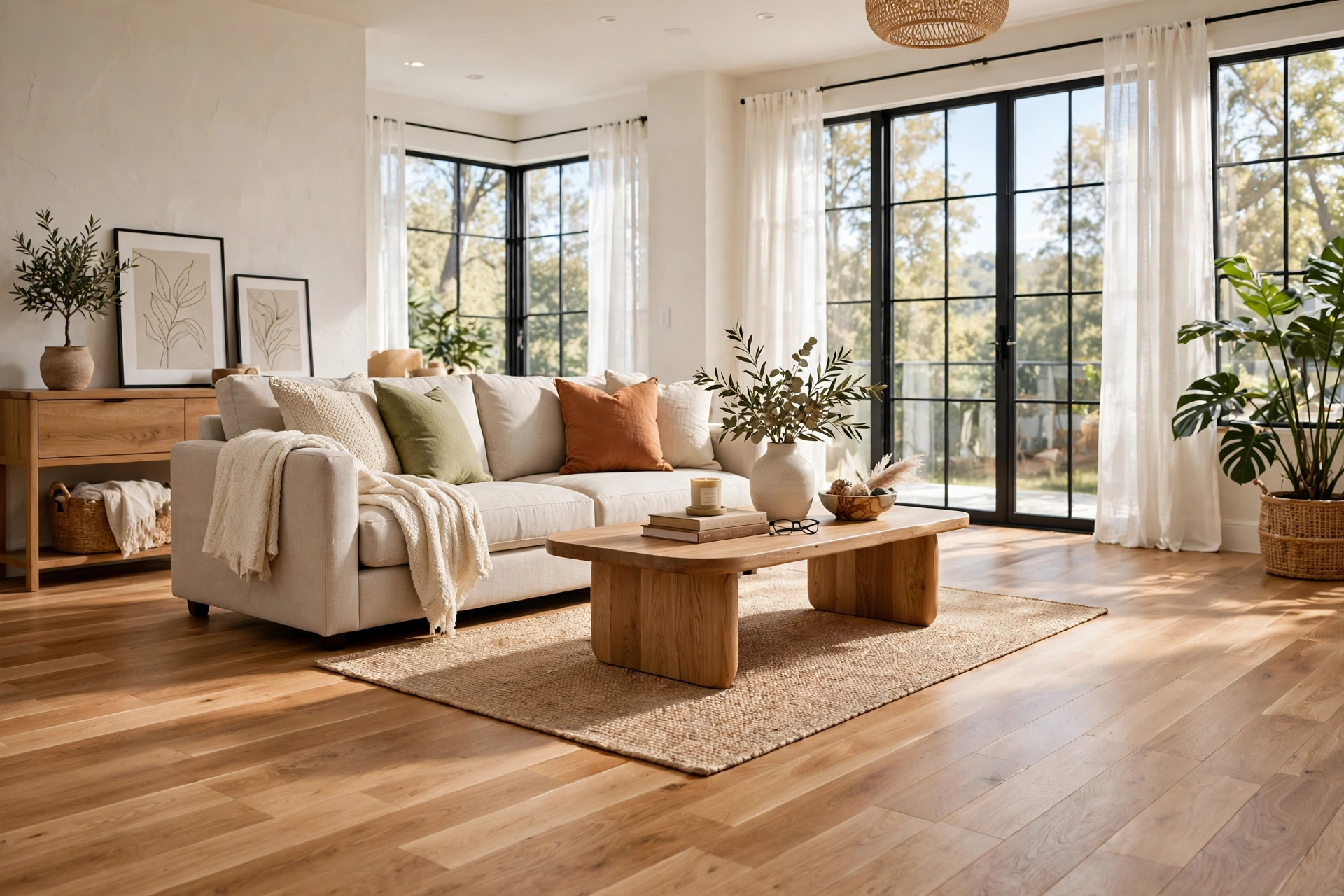
Solid hardwood floors. This is the top choice. Buyers pay a premium for real hardwood. White oak is the most popular species in the USA right now. It has a calm grain and takes stain well. Wide planks look modern and upscale. Hardwood suits living rooms, dining rooms, halls, and bedrooms. It is not right for basements or bathrooms, where moisture is a problem. New solid hardwood adds clear value, but it is the most expensive option.
Refinished hardwood floors. If your home already has hardwood under old carpet, you may have gold under your feet. Many homes built before 1970 hide oak floors. Sanding and refinishing them costs far less than installing new floors. It also gives one of the highest returns of any home project. A refinishing hardwood floors cost calculator can help you estimate the job for your square footage. Refinishing removes scratches, dull finish, and old stain. The floors look new again.
Engineered hardwood floors. Engineered wood has a real wood layer on top and plywood layers below. It looks like solid hardwood. It handles moisture better than solid wood. It works in basements and over concrete slabs. Buyers see real wood and respond the same way. Check the engineered hardwood flooring cost per square foot to compare it with solid wood for your project. It often costs less than solid hardwood to install.
Ceramic and porcelain tile. Tile adds value in the right rooms. In kitchens and bathrooms, tile is expected. In warm states like Florida and Arizona, tile through the whole home is normal and loved. Porcelain is denser and tougher than standard ceramic. Large format tile looks high end. Tile lasts for decades. It does not add as much value in living rooms in northern states, where buyers prefer warm wood. Browse patterns at Daltile to see how far tile design has come.
Luxury vinyl plank. Luxury vinyl plank, often called LVP, is the best value pick for many homes. It looks like wood. It is waterproof. It stands up to pets and kids. It costs far less than hardwood. It does not add as much value as real wood, but it adds far more than old carpet or sheet vinyl. Read recent luxury vinyl plank flooring reviews 2026 before you choose a brand, because wear layer thickness varies a lot. A thick wear layer lasts longer and looks better.
Quality laminate. Modern laminate has improved. High-end laminate now mimics wood grain closely. It resists scratches well. It costs less than vinyl plank in many cases. It adds modest value. Cheap thin laminate adds almost nothing. If you choose laminate, buy a thick plank with a textured surface.
Carpet. Carpet adds little value in most rooms. Buyers often plan to tear it out. There is one exception. In cold climates, fresh neutral carpet in bedrooms can help a sale. It feels warm and quiet. Everywhere else, hard floors win. If your carpet is old, replacing it with fresh carpet costs little and removes a negative. But it rarely adds real value.
Sheet vinyl. Basic sheet vinyl adds almost no value. Buyers see it as a budget floor. In a low-priced rental or a small laundry room, it is fine. In main living areas, it can hold a home back. Replacing it with luxury vinyl plank is one of the cheapest upgrades that buyers notice.
Cost and Price
Flooring costs vary by material and region. These are typical ranges in the USA, including installation, in dollars per square foot.
– Carpet: 3 to 7 dollars per square foot. – Sheet vinyl: 2 to 5 dollars per square foot. – Laminate: 3 to 8 dollars per square foot. – Luxury vinyl plank: 4 to 10 dollars per square foot. – Engineered hardwood: 6 to 12 dollars per square foot. – Solid hardwood: 8 to 15 dollars per square foot. – Ceramic tile: 5 to 12 dollars per square foot. – Porcelain tile: 7 to 15 dollars per square foot. – Refinishing existing hardwood: 3 to 8 dollars per square foot.
A 1,500 square foot home can cost 6,000 to 22,000 dollars to re-floor, depending on the material. Labor is a large share of the cost. Prices run higher on the coasts and lower in the Midwest and South.
Refinishing is the best deal in flooring. For 3 to 8 dollars per square foot, you get floors that look new. Realtors often say it returns more than it costs. If you have hardwood under carpet, get quotes for refinishing before you price new floors.
Compare store prices at Home Depot and Lowe’s. Both carry major brands and post installed-price estimates. For wood and laminate specialists, LL Flooring lists a wide range. Shaw is one of the largest flooring makers in the country and sells through local dealers.
Do not forget the extras. Old floor removal, subfloor repair, trim work, and moving furniture add cost. Get three written quotes. Ask each installer what is included. A low quote that skips subfloor prep can cost more in the long run.
Care and Upkeep
A floor keeps its value only if it stays in good shape. Most floors need little work if you follow a few habits.
Put felt pads under all furniture legs. Chairs and tables scratch wood and vinyl fast. A pack of felt pads costs a few dollars. It prevents hundreds of dollars of damage.
Use rugs and runners in busy paths. Entryways, halls, and the path from the kitchen to the dining table take the most wear. A rug takes the wear instead of the floor. Shake rugs out often so grit does not grind into the floor.
Clean the right way. Sweep or vacuum hard floors weekly. Use a damp mop, not a wet mop. Too much water harms wood and laminate. For tile, a mild cleaner keeps grout bright. Avoid steam mops on wood. Check maker guides, such as those at The Spruce, for cleaner advice by floor type.
Re-coat wood floors every three to five years. A fresh top coat renews the finish without full sanding. It costs much less than refinishing. It keeps the floor looking new for buyers.
Fix small damage fast. A chipped tile, a lifted plank, or a stained spot draws the eye. Small repairs cost little. Left alone, they suggest the whole floor needs work.
Safety
Floors affect safety, and buyers notice that too.
Watch slip resistance in wet areas. Tile and polished stone can be slick when wet. Look for tile with a textured surface in bathrooms and entryways. Rugs with non-slip pads help on hard floors.
Keep transitions smooth. Where one floor meets another, the edge should be level. A raised edge is a trip hazard. Metal or wood transition strips should sit flat and tight.
Think about stairs. Carpet on stairs reduces slips. Hardwood stairs look great but can be slick. Add a runner or non-slip treads if the stairs are steep.
Check for loose planks and cracked tile. Loose flooring trips people. It also signals poor installation to a buyer. Re-glue or replace loose pieces before you list a home.
Ventilate during installation. New floors and adhesives give off fumes. Open windows and run fans. Keep children and pets out of the work area until the air clears.
FAQ
Which floor adds the most value to a home? Solid hardwood adds the most value in most of the USA. Buyers pay more for homes with real wood floors. White oak in a natural or medium tone is the safest choice.
Does luxury vinyl plank increase home value? Yes, it can. It adds less value than real hardwood. But it adds far more than old carpet or sheet vinyl. In mid-priced homes, it is a smart upgrade because it costs much less than wood.
Is it worth refinishing hardwood floors before selling? In most cases, yes. Refinishing costs 3 to 8 dollars per square foot. It makes old floors look new. Many sellers recover the full cost in the sale price, and the home often sells faster.
Should all rooms have the same flooring? Not all rooms, but the main living areas should match. One floor through the living room, dining room, and hall looks best. Bathrooms and laundry rooms can have tile. Bedrooms can have carpet in cold climates.
Does carpet hurt home value? Old, stained carpet hurts value. Fresh neutral carpet is neutral in most rooms. It rarely adds value, but clean carpet removes a negative that turns buyers away.
What flooring is best for resale in warm states? In Florida, Arizona, and Texas, tile and wood-look floors do well. Tile through the main rooms suits the climate and local taste. Light tones keep homes feeling cool.
A Short Final Word
The flooring that increases home value most in the USA is real hardwood, with refinished hardwood close behind as the best deal. Tile serves wet rooms and warm climates well. Luxury vinyl plank is the smart middle path for budget-conscious sellers. Whatever you choose, keep it neutral, keep it consistent, and keep it in good repair. A floor that looks cared for tells every buyer the same story: this home was loved.
References
Daltile. (n.d.). Ceramic and porcelain tile. https://www.daltile.com LL Flooring. (n.d.). Hardwood, vinyl, and tile flooring. https://www.llflooring.com Lowe’s. (n.d.). Home improvement products. https://www.lowes.com Mohawk Flooring. (n.d.). Flooring products. https://www.mohawkflooring.com Shaw Floors. (n.d.). Flooring products. https://www.shawfloors.com The Home Depot. (n.d.). Home improvement products. https://www.homedepot.com The Spruce. (n.d.). Home and garden advice. https://www.thespruce.com This Old House. (n.d.). Home renovation guidance. https://www.thisoldhouse.com
Was this guide helpful?

About Lisa Anderson
The My Garden US editorial team writes practical, in-depth home and garden guides for American homeowners — tested advice, no fluff.
You May Also Like
Refinishing Hardwood Floors Cost Calculator: A Complete Guide to Prices and Planning
July 12, 2026 0 views
Bullnose Tile vs Schluter Trim Comparison: A Plain Guide for American Homes
July 1, 2026 0 views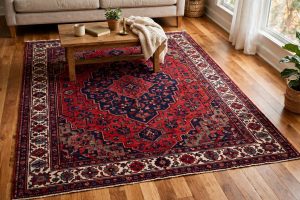
The Best Persian Rug for Living Room Use in America
May 3, 2026 0 views