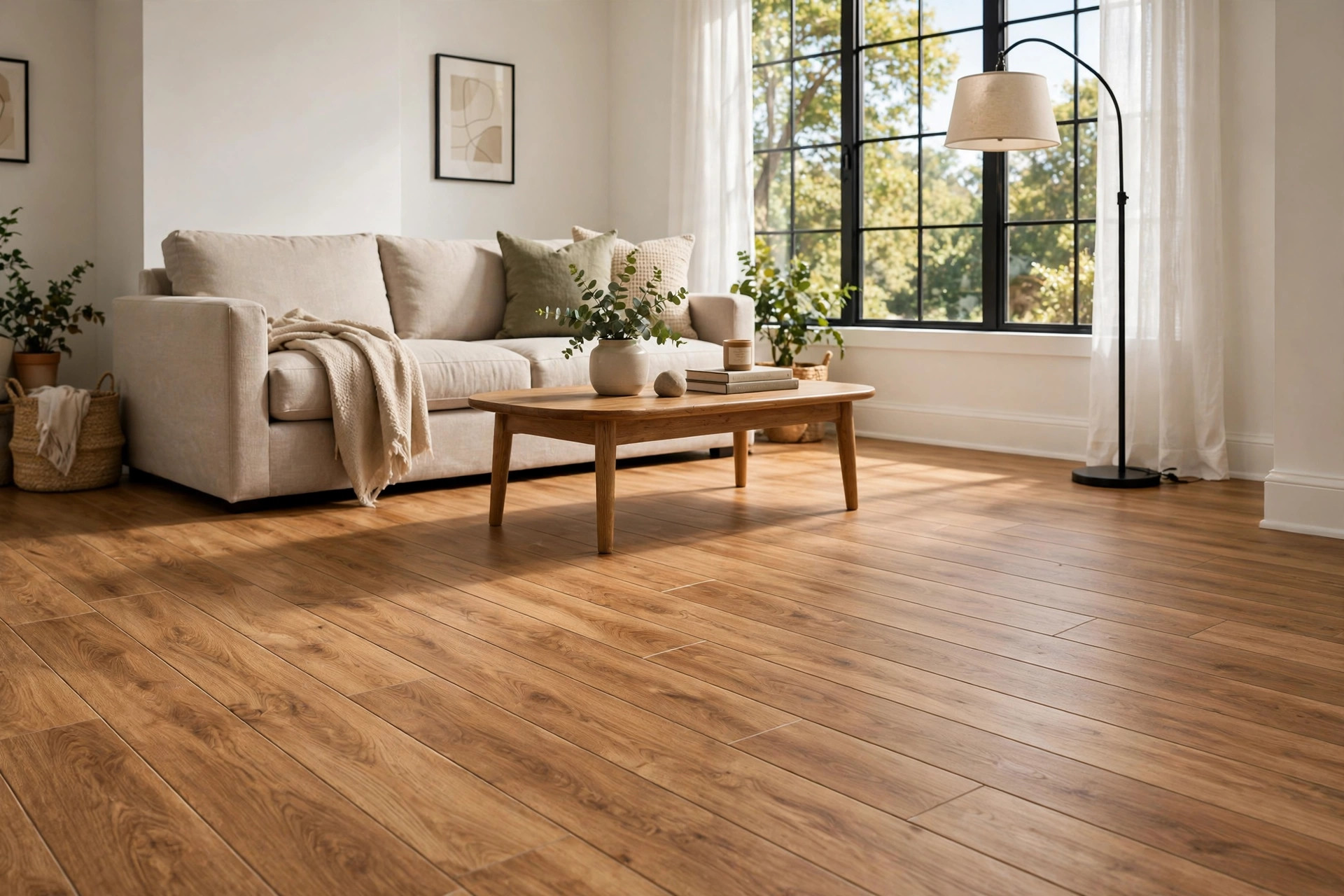

The search for luxury vinyl plank flooring reviews 2026 brings up thousands of results. Every maker claims the toughest wear layer, the most lifelike wood grain, and the fairest price. A smart buyer does not trust the package alone. Reviews show how a floor behaves after months of real life with shoes, pets, spills, and moved furniture. This guide shows how to read luxury vinyl plank flooring reviews 2026 with a clear head. You will learn which features matter most, which claims deserve doubt, and how to match a product to your rooms, your family, and your budget.
Why Reviews Matter in 2026
Luxury vinyl plank has grown into one of the most popular floors in American homes. It copies the look of oak, hickory, walnut, and maple at a fraction of the price of solid wood. It resists water far better than laminate or engineered wood. New lines released in 2026 offer deeper grain textures, truer colors, and planks wide enough to fool the eye in a bright room.
Store samples mislead. A small square shows color, but it hides how planks click together, how the surface feels under bare feet, and how the floor handles a dropped pan or a dragged chair. Reviews from owners fill these gaps. Detailed flooring reviews record dents, scratches, and stains after a year of daily use, which no showroom can copy.
Reviews also expose the fine print. A “lifetime residential warranty” may cover only certain rooms, exclude pet damage, or end the moment the floor is installed over an unapproved underlayment. Owner reports show which brands honor claims with a simple phone call and which ones fight every request. Installation stories matter just as much as product tests. Step-by-step installation guides from trusted home sources help you judge whether a floor is truly a weekend DIY project or a job best left to a professional crew.
Another reason reviews count in 2026 is the speed of change. Brands refresh lines often, and a floor that earned praise in 2022 may now use a different core or a thinner wear layer under the same name. Fresh reviews tied to the current model year tell you what is actually in the box today.
What to Look For When You Shop: Luxury Vinyl Plank Flooring Reviews 2026
Most reviews judge the same short list of features. Learn the list before you read a single review, and the reviews become far more useful.
The Wear Layer
The wear layer is the clear top coat that takes every scratch, scuff, and spill. Its thickness is measured in mils, which are thousandths of an inch. A 12-mil wear layer suits a quiet bedroom. A 20-mil layer fits a busy family room with kids and a dog. Commercial spaces often need 28 mils or more. Reviews of a floor with a thin wear layer often tell the same sad story: it looked perfect on day one and dull by month six. When you read product lines at LL Flooring, compare the wear layer in mils, not the marketing words like “tough” or “premium.”
The Core Type
Below the design layer sits the core. WPC cores, made of wood and plastic composite, feel softer and warmer underfoot and run a bit thicker. SPC cores, made of stone and plastic composite, are harder and thinner and resist dents better. Both are sold as rigid core. Reviews from owners with heavy furniture or wheelchairs often favor SPC for dent resistance, while owners who stand long hours in the kitchen often favor WPC for comfort. Many product pages from Shaw Floors now show the core type clearly, so you can sort by it.
Plank Thickness and Feel
Overall thickness runs from about 4 mm on budget lines to 8 mm or more on premium lines. Thicker planks hide small subfloor flaws better and feel more solid underfoot. Look also at the edges. Painted bevels can chip and show a light line. Pressed bevels hold color better. Deep embossed texture feels like real grain and hides dust.
The Click Lock and the Underlayment
The most common complaint in negative reviews is not color or wear. It is the click lock. Cheap locks break during install or open into gaps after a season of heat and cold. Good reviews often name the locking system and praise tight, quiet joints. Many planks now carry an attached pad. A thin pad adds comfort and sound control, but it cannot fix a wavy subfloor. Check what the maker requires for flatness, usually no more than 3/16 inch of rise over 10 feet, and see whether reviewers who skipped floor prep paid for it later. The flooring guides at Home Depot and the flooring guides at Lowe’s both stress subfloor prep, and reviewers who followed that advice report far fewer problems.
Warranty Terms
Read the warranty like a contract, because it is one. Note the years of coverage for wear, the terms for waterproof claims, and the rules for radiant heat, stairs, and commercial rooms. Some warranties require the original receipt and proof of professional install for full coverage. Reviews that describe the claims process are gold.
Main Types of Luxury Vinyl Plank
Reviews sort LVP into three broad types, and each fits a different job.
Click-lock rigid core is the most reviewed type. Planks snap together and float over the subfloor with no glue. It is the easiest for DIY work and the simplest to repair, since a damaged plank can often be unclicked and replaced. Most waterproof luxury vinyl plank sold for homes today uses this system.
Glue-down LVP bonds each plank to the subfloor with adhesive. It feels very solid and handles rolling loads, which is why stores and offices favor it. Install is slower and messier, and removal is a chore. Reviews from commercial buyers praise its stability, while home reviewers note that a bad glue job telegraphs every trowel mark.
Loose-lay LVP uses a heavy, grippy backing that holds the floor in place without glue or locks. It shines in rentals and in rooms where easy plank swaps matter.
Shoppers sometimes weigh tile against plank for wet areas. If you are also comparing wood-look options, our wood-look tile brand guides can help you decide before you buy. For shower walls themselves, tile is the right material, and vertical subway tile shower ideas show how a tall tile layout can make a small bath feel larger. On the floor outside the shower, waterproof LVP is a fair rival to tile, with warmer feet and easier install.
Cost and Price Ranges
Prices in luxury vinyl plank flooring reviews 2026 cluster into three bands. Budget lines run about two to three dollars per square foot for the material. Mid-range lines, where most good reviews land, run three to six dollars. Premium lines with thick wear layers, deep texture, and long warranties run six to ten dollars or more per square foot.
Professional install adds roughly one dollar and fifty cents to four dollars per square foot, depending on your market and the condition of the subfloor. Do not forget the extras: underlayment if the plank lacks an attached pad, transition strips, quarter-round or base shoe, and stair nosing, which can cost far more per step than buyers expect. Subfloor repair is the wild card. A floor that needs leveling compound or plywood patching can add hundreds of dollars to the bill.
For a 1,000-square-foot project, a mid-range material at four dollars per foot plus two dollars and fifty cents for install lands near six thousand five hundred dollars before trim and extras. DIY install can cut a third or more from that total, but only if your subfloor is flat and you own or can rent the basic tools. Reviews often warn about hidden costs: old floor removal, furniture moving, and the delivery fee for a pallet of boxes.
Value is not the same as cheap. The best-reviewed floors are often mid-range lines with 20-mil wear layers and strong warranties. They cost more up front and less over ten years.
Care and Upkeep
Good care starts the day the floor goes in. Sweep or vacuum daily with a soft brush head. Hard beater bars can dull the surface over time. Damp mop weekly with a pH-neutral cleaner made for vinyl. Never use a steam mop. Heat and steam can force moisture into seams and weaken the click lock. Skip abrasive powders, scouring pads, and “mop and shine” products that leave a film. The floor care guides at Mohawk repeat this point often, and reviewers who ignored it report cloudy finishes.
Place felt pads under chair and table legs, and replace the pads when they wear flat. Use wide, non-staining casters under office chairs, or lay a chair mat rated for vinyl. Put breathable rugs at entries to catch grit, which is the main enemy of any smooth floor. Trim pet nails on a regular schedule. Most scratches in reviews come from one sharp nail on one fast turn.
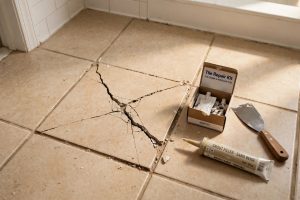
Spills are where LVP earns its fame. Wipe them up the same day. While the surface is waterproof, standing water can still work into seams and reach the subfloor, especially at the edges of the room. Keep a repair kit from the same brand on hand. Small chips and scratches can be filled and colored to blend with the grain, and many reviewers say a ten-minute repair saved a whole room from looking tired.
Sunlight deserves respect. Strong direct sun can fade colors and, in extreme heat near glass doors, can stress the floor. Use curtains or UV film in sun-heavy rooms. In rooms that stay damp, like a laundry or a bath, check the edges now and then for lifted seams. Caught early, most issues are small fixes.
Safety
Safety shows up less often in reviews than style, but it matters just as much. Look for independent certification of indoor air quality, such as FloorScore, which tests for volatile organic compounds. New floors can carry a mild odor for a few days. Ventilate the rooms well during and after install, and give the boxes a day to air out in the garage before you open them.
Slip resistance matters in kitchens, baths, and entries. Textured surfaces grip better than glass-smooth ones. If the home has older adults or small children, favor planks with a pronounced grain and ask the dealer for the slip rating rather than trusting the word “safe” on the box.
Fire and heat rules deserve a careful read. Most LVP is not rated for use over high-temperature radiant heat systems, and some warranties void coverage above a set floor temperature. Fireplaces and stoves need proper clearances and hearth protection regardless of the floor type. In the wettest zones of a home, many reviewers still choose tile for peace of mind, and the tile collections at Daltile give a sense of what that alternative looks like and costs.
Keep install waste and offcuts away from children and pets during the project, and follow local rules for disposal.
Frequently Asked Questions
Is luxury vinyl plank truly waterproof? The surface of quality LVP resists water well, and many lines are sold as waterproof. But no floating floor is a bathtub. Water can still reach seams, edges, and the subfloor if it stands for hours. Treat spills fast and seal the perimeter in wet rooms for the best results.
How long does luxury vinyl plank last? In a home, a well-chosen LVP floor often lasts 15 to 25 years. The wear layer thickness is the best predictor. A 20-mil layer in a family room outlasts a 12-mil layer by many years. Sun, grit, and heavy dragging shorten life, while rugs and felt pads extend it.
Can I install LVP over my old flooring? Often yes, if the old floor is flat, sound, and well bonded. Many reviewers install over tile, sheet vinyl, or hardwood. Carpet must come out. Check the maker’s rules, since some warranties require removal of certain old floors or forbid install over cushioned vinyl.
Does LVP raise home value? It improves look and function, which helps a sale, but appraisers rarely credit it like solid hardwood. Buyers like waterproof floors in kitchens and baths.
Will my pets scratch the floor? Large dogs with long nails can scratch any floor, including LVP. A thick wear layer and deep texture hide marks best. Keep nails trimmed, use rugs in play zones, and pick a mid-tone color, since very dark and very light floors show every mark.
Is a thicker plank always better? Not always. Thickness adds comfort and hides subfloor flaws, but the wear layer and the core matter more for long life. A 5-mm plank with a 20-mil wear layer will outlast a 7-mm plank with a 12-mil wear layer in most homes.
A Final Word
Reading luxury vinyl plank flooring reviews 2026 is a skill, and it pays for itself. Focus on the wear layer, the core, the lock, and the warranty. Trust reviews that describe years of use over reviews that describe the delivery truck. Match the floor to the room: waterproof and tough where life is messy, warm and quiet where life is slow. Get itemized quotes, prep the subfloor, and keep up the simple care routine. Do that, and the floor you choose this year can still look proud a decade from now. And if your project reaches the yard, our notes on bluestone patio cost per square foot can help you price the outdoor side of the job.
References
Daltile. (n.d.). Ceramic and porcelain tile. https://www.daltile.com LL Flooring. (n.d.). Hardwood, vinyl, and tile flooring. https://www.llflooring.com Lowe’s. (n.d.). Home improvement products. https://www.lowes.com Mohawk Flooring. (n.d.). Flooring products. https://www.mohawkflooring.com Shaw Floors. (n.d.). Flooring products. https://www.shawfloors.com The Home Depot. (n.d.). Home improvement products. https://www.homedepot.com The Spruce. (n.d.). Home and garden advice. https://www.thespruce.com This Old House. (n.d.). Home renovation guidance. https://www.thisoldhouse.com
Was this guide helpful?

About Lisa Anderson
The My Garden US editorial team writes practical, in-depth home and garden guides for American homeowners — tested advice, no fluff.
You May Also Like
Slate Tile Flooring for Entryway Spaces: A Practical Guide for American Homes
March 10, 2026 0 views
Lippage in Tile Floors: How to Fix It in American Homes
February 16, 2026 0 views
Handmade Subway Tile for Kitchen Reviews USA
July 27, 2026 0 views