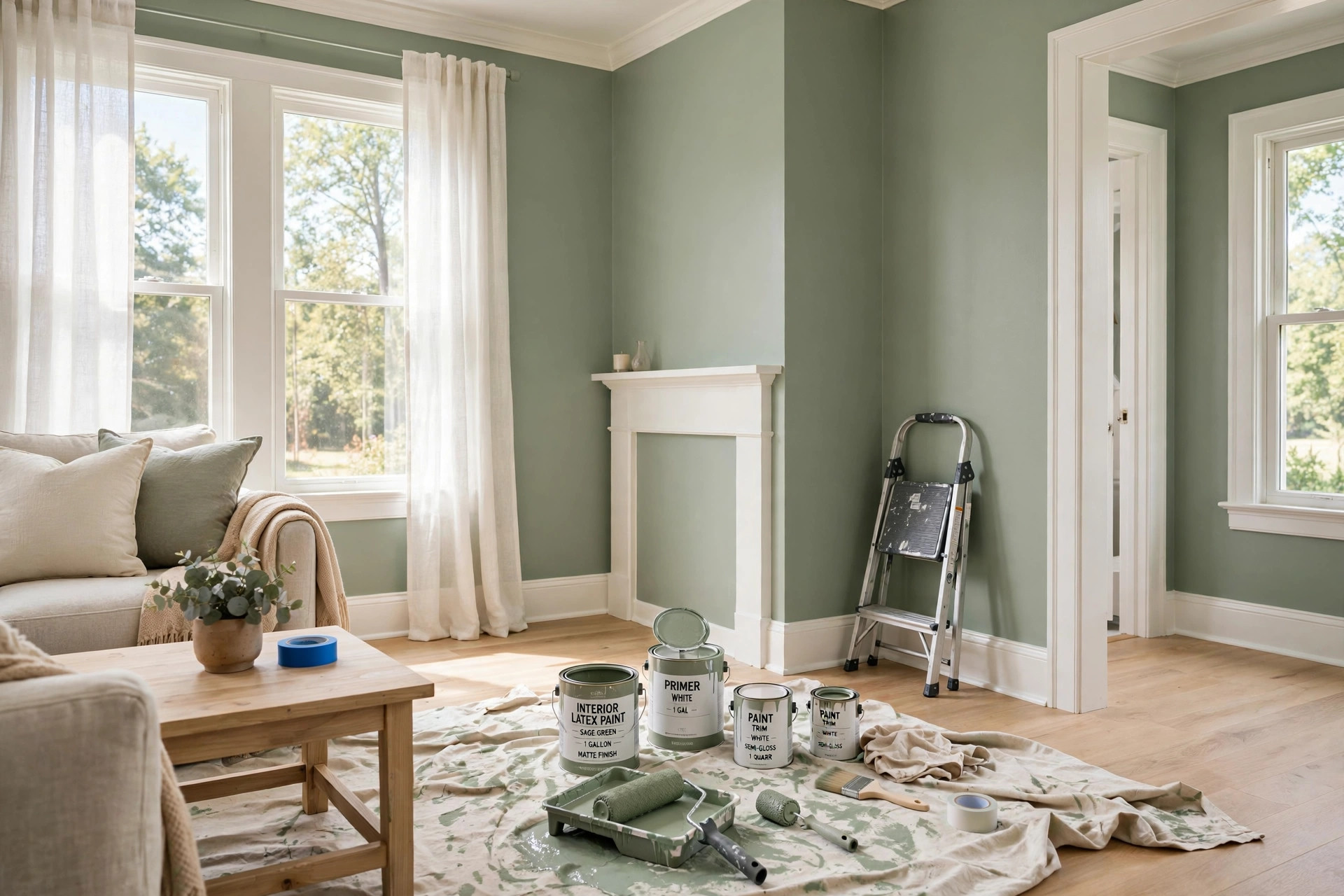

When you search for interior house painters near me reviews, you get a long list of names, stars, and comments. Some painters have hundreds of five-star ratings. Others have only a few reviews but very kind words. It can be hard to know who to trust. A paint job changes the look of every room you live in. You want it done right the first time. This guide will help you read reviews the smart way, ask the right questions, and pick an interior painter who will treat your home with care.
Why Reviews Matter for an Interior Painter
Painting is not just about color on a wall. A good interior painter protects your floors and furniture, fixes small cracks before painting, and leaves clean, straight lines at every edge. A poor painter may drip paint on your carpet, miss spots, or leave the job half done. The difference shows up for years.
Reviews give you a window into real jobs. They come from homeowners who stood where you stand now. They tell you if the painter showed up on time, kept the house clean, and finished when promised. They also tell you how the company handled problems. Every painter hits a snag now and then. A missed spot behind a door. A color that looks different in morning light. The good ones fix it fast and without argument. That is the kind of detail reviews can show.
Reviews are not perfect, of course. Some are too vague to help. A few may be fake. But taken as a whole, they are one of the best tools you have. Learning to read them well is worth the time. A site like HGTV has guides on home improvement projects that remind readers to check many sources before they hire anyone. You should do the same.
How to Read Reviews Like a Professional: Interior House Painters near Me Reviews
Do not just count the stars. A rating of 4.8 across two hundred reviews means more than a perfect 5.0 from three friends. Look at the number of reviews, the date range, and the words people use. Old reviews from five years ago tell you less than steady praise in the last twelve months.
Read the middle ratings too. Three-star reviews are often the most honest. The writer liked some things and disliked others. These reviews show you the real trade-offs. If many middle reviews mention the same problem, such as slow replies or messy cleanup, take it seriously.
Look for Details About the Work
The best reviews describe the actual work. They say which rooms were painted. They say how the crew protected the floors. They say how the edges looked when the tape came off. Short reviews like “great job, nice guy” are kind but not useful. Long reviews with specifics are the ones that help you decide.
Also watch for notes about communication. Did the painter answer the phone? Did the crew leader explain each step? Did the final bill match the estimate? These small things decide whether the job feels easy or stressful.
Watch for Red Flags
Some patterns should make you pause. If many reviews say the painter asked for all the money up front, walk away. A normal deposit is a third or less. If reviews mention that the crew left paint on fixtures, door handles, or floors, that shows sloppy habits. If the company never answers bad reviews, it may not care about customer problems.
Be careful with clusters of reviews posted on the same day with similar words. That can mean the company asked friends to post praise, or paid for fake reviews. Real reviews come in slowly over months and years, and they sound like different people. Also be careful with companies that have no reviews at all. If you take that gamble, ask for extra references and keep the first job small.
What to Check Before You Hire
Reviews are only the first step. Once you have two or three painters in mind, check the basics yourself. This takes an hour or two. It can save you from a very bad week.
License and Insurance
Ask each painter for proof of insurance. A real company carries general liability insurance. This covers damage to your home if something goes wrong. Many states also require a contractor license. You can check the license with your state office in minutes. If a painter cannot show insurance, do not hire them. One spill of paint on a wood floor can cost thousands to fix. You do not want to pay for that yourself. Consumer guides on Bob Vila often stress that insurance is not optional for home contractors. Take that advice to heart.
Written Estimates
Get every quote in writing. The estimate should list the rooms, the number of coats, the paint brand and type, the prep work included, and the total price. It should also say how long the job will take and what happens if extra work is found. Two painters may quote very different prices for what looks like the same job. The written estimate shows you why. One may include primer and two finish coats. The other may plan a single thin coat and skip the prep. You cannot compare quotes fairly without the details.
Ask how the company handles changes. If you decide mid-job to add a ceiling or a closet, agree on the cost in writing before the work starts. Surprises on the final bill are one of the most common complaints in bad reviews.
References and Past Work
Ask for three recent references. Call them. Ask if the crew was on time, if the house stayed clean, and if they would hire the painter again. Also ask to see photos of recent jobs. Look at the edges where walls meet ceilings. That is where skill shows.
Types of Interior Painting Services
Interior painters offer more than just wall color. Knowing the full menu helps you read reviews with a sharper eye. Many reviewers praise a company for one service and criticize it for another.
Whole-house painting covers every wall, ceiling, and trim in the home. It is the biggest job and the biggest expense. Room-by-room painting is more common. Many homeowners start with the living room or the bedrooms. Cabinet painting is a specialty job. Kitchen and bathroom cabinets need careful sanding and the right primer, or the paint chips in months. Trim and door painting takes a steady hand. Doors show every brush mark.
Some painters also do drywall repair, wallpaper removal, and color consulting. Reviews often mention these extras. A review that says the painter patched holes so well you cannot find them is a strong vote for that crew. If you want a specific look, such as a sage green paint for living room usa shade or the best white paint for interior walls usa, ask if the company offers color help. A painter who knows color can save you from a costly mistake.
Not every job needs a full-service company. A small bedroom repaint is simple. A whole house with high ceilings, wallpaper removal, and cabinet refinishing is not. Match the company to the job. Reviews of simple jobs do not tell you how the company handles hard ones.
Cost of Hiring an Interior Painter
Prices vary by region, home size, and the amount of prep work. As a rough guide, painting a single average room often costs between three hundred and eight hundred dollars. A whole house can run from two thousand to seven thousand dollars or more. These are wide ranges. Your home may fall outside them.
The paint itself is a big part of the price. Quality paint covers better and lasts longer. It costs more per gallon, but it often needs fewer coats. Cheap paint can be a false saving. Many painters will let you supply the paint, but most prefer to buy it themselves. They get trade discounts and they know which products work. Brands like Benjamin Moore and BEHR are common in professional quotes because they cover well in two coats. When you compare estimates, check that each one uses paint of similar quality. Comparing a quote with premium paint to one with bargain paint is not a fair fight.
Labor is the other big cost. Prep work takes time. Moving furniture, taping edges, and sanding walls can take as long as the painting itself. A quote that seems high may include a full day of prep that a cheaper quote skips. Ask directly. The reviews you read can confirm whether the prep was real. Look for phrases like “they spent all day prepping” or “they covered everything with plastic.” Those words are worth money.
Watch out for quotes that are far below the others. Very low prices often mean cut corners. The painter may thin the paint, skip primer, or rush the edges. The job looks fine for a month, then the problems start. Paying a fair price for careful work is almost always cheaper in the long run.
Keeping Your New Paint Job Looking Good
Once the painters leave, the care of the walls is up to you. Good paint lasts five to ten years on interior walls if you treat it well. The first rule is patience. Fresh paint needs time to cure. It may feel dry to the touch in a few hours, but full hardness takes days or even weeks. Avoid hanging heavy frames or scrubbing walls for the first two weeks.
Clean walls gently. A soft cloth with mild soap and water handles most marks. Test in a hidden spot first. Flat paint shows marks more than satin or eggshell, and it does not like hard scrubbing. For kitchens and bathrooms, run the fan when you cook or shower. Moisture shortens the life of paint, especially in steamy rooms. Stores like Lowe’s carry cleaning products made for painted walls, and their project guides remind homeowners that gentle care beats harsh chemicals.
Save a small jar of touch-up paint from each room. Label it with the room name, the color, and the date. Chips and scuffs are part of life, especially with kids and pets. A quick dab of the original paint makes small damage vanish. If you used a bold color somewhere, such as concrete floor paint for basements reviews readers often discuss for utility spaces, keep that paint too. Touch-up paint stored in a cool, dry place stays good for years.
Safety in Your Home During the Job
Painting inside a home means fumes, ladders, and open cans. A good crew manages all of it. You should know what to expect so you can keep your family safe.
Ventilation matters most. Open windows when weather allows. Ask the painter to use low-VOC or zero-VOC paint. These products release far fewer fumes than old-style paints. They are safer for kids, pets, and anyone with breathing problems. Many major brands now lead with low-VOC lines. The U.S. government energy and environment sites, and guides from places like The Spruce, explain that low-VOC paint has become the standard choice for interior work. Reviews sometimes mention whether a painter offered this option without being asked. That is a sign of a modern, careful company.
Keep children and pets away from the work area. Ladders fall. Paint spills. Wet walls invite curious hands. A professional crew will set up barriers, but your help makes it safer. Move small valuables out of the rooms being painted. If anyone in the house is sensitive to smells, ask the painter about the schedule so you can plan to be out during the heaviest work.
Frequently Asked Questions
How many reviews should a good painter have?
There is no magic number, but more is better. A company with fifty or more reviews spread over several years shows a real track record. Ten reviews can be fine if they are detailed and recent. Be careful with companies that have hundreds of reviews but all posted in the last month. That pattern looks unnatural.
What is the most important question to ask a painter?
Ask what is included in the price, in writing. This one question covers prep work, number of coats, paint quality, and cleanup. A clear, detailed answer shows a professional. A vague answer is a warning. You can also ask how they handle problems. The answer tells you what your reviews research may already suggest.
Do I need to move my own furniture?
Most painters will move large furniture to the center of the room and cover it. They usually ask you to move small items, pictures, and breakables before they arrive. Ask about this when you book. The written estimate should say what the crew will and will not move.
Is it okay to buy my own paint to save money?
It can be, but talk to the painter first. Professionals often get better prices than retail stores, so your savings may be small. They also know which paint works best for each surface. If you have your heart set on a brand, many painters will use it. Just make sure it is a quality product. A big-box store like The Home Depot stocks many options, and project articles from This Old House can help you compare paint types before you decide.
A Final Word
Searching for interior house painters near me reviews is the start of the job, not the end. Read the reviews with care. Look for detail, steady praise over time, and honest middle ratings. Then check insurance, get written estimates, and call references. The hour you spend on this research will pay you back every day you look at your walls. A careful painter, chosen well, gives you a home that feels fresh for years. That is worth every minute of the search.
References
Behr. (n.d.). Paints, primers, and stains. https://www.behr.com Benjamin Moore. (n.d.). Paints and stains. https://www.benjaminmoore.com Bob Vila. (n.d.). Home improvement advice. https://www.bobvila.com HGTV. (n.d.). Home and garden ideas. https://www.hgtv.com Lowe’s. (n.d.). Home improvement products. https://www.lowes.com The Home Depot. (n.d.). Home improvement products. https://www.homedepot.com The Spruce. (n.d.). Home and garden advice. https://www.thespruce.com This Old House. (n.d.). Home renovation guidance. https://www.thisoldhouse.com
Was this guide helpful?

About Jennifer Lee
The My Garden US editorial team writes practical, in-depth home and garden guides for American homeowners — tested advice, no fluff.
You May Also Like
Efflorescence Sealer for Basement Walls: A Plain Guide for American Homeowners
March 2, 2026 0 views
Popcorn Ceiling Removal Cost Near Me: A Plain Guide for American Homeowners
January 23, 2026 0 views
Concrete Stain for Patio Reviews USA: A Plain Guide to Lasting Color
July 5, 2026 0 views