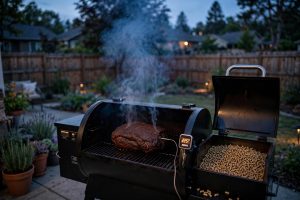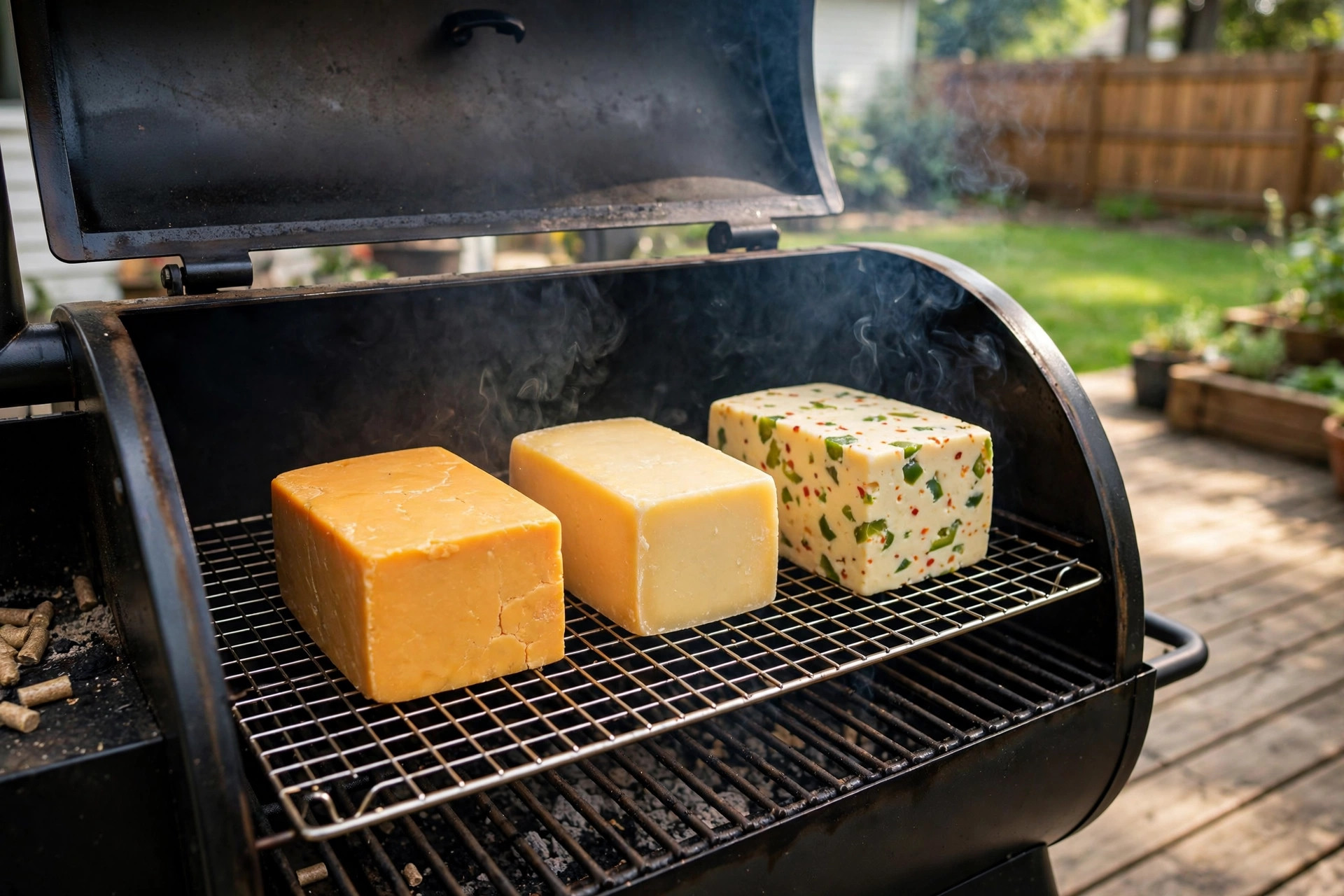
Smoked cheese tastes like something from a small country shop. It is rich, a little sweet, and full of wood flavor. The good news is that learning how to smoke cheese on pellet grill at home is not hard. You do not need a commercial smoker. You do not need special skill. You need a pellet grill, a cold smoking tube, a few blocks of cheese, and about two hours of patience. This guide walks through every step in plain words.
Why Smoked Cheese Is Worth the Effort
Cheese takes on smoke better than almost any other food. The fat in cheese pulls in the smoke flavor deep and fast. A block of plain cheddar that cost a few dollars can taste like a premium gift shop product after one afternoon of cold smoke. Guests notice. Family asks for more. It also makes a strong gift. A bag of smoked cheese with a paper label looks thoughtful and costs little to make.
Smoked cheese keeps well too. Once it rests, it holds its flavor for weeks in the refrigerator. Many cooks freeze extra blocks and thaw them through the winter. The flavor stays firm. The texture stays smooth. That is why so many pellet grill owners add cheese to their smoke days. It is a low-cost way to get a high-value result.
Cheese is the best first cold smoke project for a beginner. If you have read about how to smoke salmon on pellet grill, you know that fish needs careful temperature control. Cheese is even more forgiving.
What You Need Before You Start: How to Smoke Cheese on Pellet Grill
You need less equipment than most people expect. The list is short.
First, the cheese. Firm and semi-firm cheeses work best. Cheddar, gouda, pepper jack, colby, mozzarella, and Swiss are all fine choices. Buy blocks, not slices or shreds. Blocks take smoke on the outside and keep a clean shape. One to two pounds of cheese is a good first batch.
Second, a cold smoke tube or tray. Cheese melts at low heat, so you need smoke without a fire. A tube holds pellets and smolders for two to four hours with almost no heat. Cold smoking basics at AmazingRibs.com explain why low heat matters so much for dairy.
Third, wood pellets. Mild woods are best for cheese. Apple, alder, cherry, and pecan give a sweet, gentle smoke. Hickory and mesquite are stronger. Use them only for part of the session or mix them with a mild wood. The pellet flavor guide at Traeger gives a clear map of which woods run mild and which run bold.
Fourth, a wire rack or grill mat. Cheese should sit off the metal grates so air can move around it. A fine mesh mat also stops soft cheese from sticking.
Fifth, a thermometer. You must know the temperature inside the grill. Cheese begins to sweat near 90 degrees Fahrenheit. It melts soon after. A cheap grill thermometer keeps you safe.
Other helpers include gloves, foil, zip-top bags, and wax or vacuum bags for resting the cheese after the smoke. Nothing on this list is expensive. Most pellet grill owners already own half of it. Shoppers who compare grills and gear can find cold smoke tubes and pellets at Home Depot.
How a Pellet Grill Handles Cold Smoke
A pellet grill is built for heat. Its fire pot burns pellets to cook meat at two hundred degrees and above. Cheese needs smoke at ninety degrees or less. That gap is the whole challenge of this project.
The fix is simple. You do not light the pellet grill at all. The grill body becomes a smoke chamber. The lit smoke tube sits inside and makes the smoke. The grill lid holds it in. The vents move it slowly past the cheese. This is why grill design matters. Thick steel walls and good seals keep the smoke in and the summer heat out. Design notes from Napoleon describe how airflow moves through a grill body, and the same idea applies here.
If the weather is hot, add a tray of ice below the cheese. Check the thermometer often. If the grill climbs past ninety degrees, crack the lid for a minute until it cools. Cool days and early mornings are the best time to smoke cheese.
Temperature control guides from Broil King explain how small changes in vent position shift the inside heat. With cheese, you want the vents mostly open. Fresh air keeps the smoke thin and clean. Thick white smoke tastes bitter. Thin blue smoke tastes sweet.
Step-by-Step: How to Smoke Cheese on Pellet Grill
Step 1: Chill the Cheese
Cut the cheese into blocks of about four to six ounces. Small blocks take smoke faster and look nice on a serving board. Put the blocks on a plate in the refrigerator for one hour. Cold cheese resists melting. It also takes smoke more evenly, because the cold surface pulls moisture and smoke onto itself.
Step 2: Set Up the Grill
Clean the grates or lay down a grill mat. Cheese picks up old flavors, so a clean surface matters. Place the wire rack on the main grate. Set a foil pan of ice under the rack if the day is warm. Set the thermometer where you can read it through the lid or on the outside of the grill.
Step 3: Fill and Light the Smoke Tube
Fill the tube with pellets. Apple or alder is the safest first choice. Tap the tube so the pellets settle. Light one end with a torch or a long lighter. Let the flame burn for two minutes, then blow it out. The tube should smolder and give off a thin stream of smoke. Lay the tube on its side on the grill grate, away from the cheese. Light smoke, not flame, is the goal. Setup tips for smokers at Weber stress the same rule for all cold smoke work.
Step 4: Load the Cheese
Place the cold blocks on the rack with space between them. Air and smoke must reach every side. Close the lid. Start a timer for two hours. Most cheeses are done between ninety minutes and three hours. Cheddar and gouda take two hours well. Softer mozzarella needs less time.
Step 5: Watch the Temperature
Check the thermometer every twenty minutes. Keep the grill under ninety degrees. If it runs hot, open the lid briefly. Turn the blocks once, halfway through, so all sides get even color. A little surface sweat is normal. Puddles are not.
Step 6: Rest the Cheese
Take the cheese out and let it cool on the counter for one hour. Then wrap each block tight. This step matters more than most beginners think. Fresh smoked cheese tastes harsh. The smoke needs time to settle into the fat. Rest it in the refrigerator for three to seven days before tasting. One week is ideal. Cheese guides at The Spruce Eats describe which cheese types hold smoke flavor best during this rest. After the rest, the smoke flavor turns mellow and deep, and the harsh edge is gone.
Best Wood Pellets for Cheese
Mild fruit woods are the top pick for cheese. Apple gives a soft, sweet smoke that suits cheddar and mozzarella. Alder is the classic choice for fish and cheese alike, with a clean, light touch. Cherry adds a faint sweetness and a warm color on the rind. Pecan sits in the middle, richer than apple but still gentle.
Stronger woods need care. Hickory gives a bold bacon-like flavor. Use it for only half the session, or blend it with apple. Mesquite is the strongest common pellet and can turn cheese bitter in two hours. Most first timers should avoid it. Oak is a middle ground. It works well for gouda and aged cheeses that can stand up to more smoke.
Many cooks keep a small bag of fruit wood pellets just for cheese. They cost little and last many batches, because a smoke tube uses only a cup or two per session. If you are still learning your grill, how to smoke brisket on pellet grill is a good next read, since brisket work teaches you how different woods behave over long sessions.
Cold Smoke Methods for a Pellet Grill
The smoke tube is the most common method, but it is not the only one. Some cooks use a maze-style smoke tray. It holds sawdust or fine pellets in a winding channel. One light starts a slow burn that can run for six hours or more. Trays give very thin smoke. They suit mild cheeses and long sessions.
Another method uses a separate smoke generator. The generator sits outside the grill and pushes cool smoke through a short pipe into the cook chamber. This keeps all heat outside the grill. It costs more than a tube, but it gives the most stable cold smoke in warm weather.
A few pellet grill owners try running the grill on its smoke setting with the lid open. This is risky for cheese, because the fire pot still makes real heat. Beginner smoker guides at Char-Broil warn that dairy is the least forgiving food for temperature mistakes. A tube is safer and cheaper.
Cost and Price
A cold smoke tube costs about twenty to thirty dollars and lasts for years. A twenty-pound bag of fruit wood pellets costs about fifteen to twenty dollars and covers dozens of sessions. Two pounds of good cheddar runs eight to twelve dollars at most stores.
Store-bought smoked cheese often sells for six to nine dollars for a small package. Home smoking cuts that cost by more than half, and you control the wood and the smoke level. If you smoke cheese once a month, the tube pays for itself in the first year.
Grill costs vary more. A pellet grill is a real purchase. Reviews at Consumer Reports compare models by price, build, and temperature control, which helps buyers choose a grill that will serve them for years of smoking and grilling alike.
Care and Upkeep
Cold smoke leaves a sticky residue on grill parts. After a cheese session, wipe the grates and the inside of the lid with a damp cloth while the grill is still cool. A stiff brush takes off any tacky film on the grates. Empty the ash from the smoke tube and store it dry.
Keep the pellets dry between sessions. Damp pellets smolder poorly and taste sour. A sealed bucket with a tight lid is the best storage. Check the grill vents for buildup a few times per year. Clear vents mean clean airflow, and clean airflow means better smoke.
Seasonal deep cleaning keeps the grill ready for both hot cooks and cold smokes. A full walkthrough of pellet grill maintenance tips for beginners covers gasket checks, grease trap cleaning, and fire pot care. A clean grill gives cleaner smoke, and cleaner smoke gives better cheese.
Safety
Cheese smoking is a low-fire project, but safety still matters. Light the smoke tube with a long lighter or torch, never with lighter fluid. Keep the tube on a stable surface inside the grill. Never leave a lit tube unattended for long periods. A stray ember on dry grass is a real risk.
Food safety rules are simple. Keep the cheese cold until it goes on the rack. Work in cool weather or use ice. After smoking, get the cheese into the refrigerator within two hours. Wrap it tight. The rest period in the fridge is safe because the cheese was cold through the whole process.
Do not stand in the smoke plume while you check the grill. Stand upwind, and keep the grill away from open windows so smoke does not drift into the house. The same basic caution applies to any outdoor cooker, as safety guides from Big Green Egg explain.
FAQ
How long should I smoke cheese on a pellet grill? Most blocks need ninety minutes to three hours of cold smoke. Start with two hours. Taste after the rest week. If you want more smoke, add thirty minutes next time. Time matters less than temperature. Keep it under ninety degrees the whole session.
Why does my smoked cheese taste bitter? Bitter cheese comes from thick white smoke or from heat that is too high. Use thin blue smoke only. Vent the grill well. Smoke the cheese cool, and rest it a full week before judging the flavor. Fresh smoke always tastes sharp.
Can I smoke cheese without a smoke tube? You can, but it is harder. A maze tray or an outside smoke generator also works. Lighting pellets in a foil pouch is a poor substitute. It makes too much heat. A tube costs little and is the tool most cooks recommend first.
What is the best cheese for smoking? Cheddar, gouda, colby, pepper jack, and mozzarella are the best first choices. They are firm enough to hold their shape and mild enough to show the smoke. Save soft cheeses like brie for later, after you know your setup.
How long does smoked cheese keep? Wrapped tight in the refrigerator, smoked cheese keeps for four to six weeks. Vacuum-sealed blocks keep for three months in the fridge and six months in the freezer. Always thaw frozen cheese slowly in the refrigerator.
Do I need to rest the cheese after smoking? Yes. This is the most skipped step and the most important one. Rest wrapped blocks in the refrigerator for three to seven days. The harsh smoke taste softens and sinks in. Cheese eaten on smoke day tastes sharp and unfinished.
Final Word
Smoking cheese on a pellet grill is a small project with a big reward. Chill the blocks. Set up the tube. Keep the smoke thin and the temperature low. Give the cheese a week of rest. Follow those steps, and your first batch will taste like it came from a smokehouse. After that, the rest of cold smoking is yours to explore.
References
AmazingRibs.com. (n.d.). Barbecue and grilling science. https://www.amazingribs.com Big Green Egg. (n.d.). Kamado grills and outdoor cooking. https://www.biggreenegg.com Broil King. (n.d.). Gas and charcoal grills. https://www.broilkingbbq.com Char-Broil. (n.d.). Gas and charcoal grills. https://www.charbroil.com Consumer Reports. (n.d.). Product reviews and ratings. https://www.consumerreports.org Napoleon. (n.d.). Fireplaces, grills, and heating products. https://www.napoleon.com The Home Depot. (n.d.). Home improvement products. https://www.homedepot.com The Spruce Eats. (n.d.). Recipes and cooking guides. https://www.thespruceeats.com Traeger. (n.d.). Wood pellet grills. https://www.traeger.com Weber. (n.d.). Grills and outdoor cooking. https://www.weber.com
Was this guide helpful?

About James Carter
The My Garden US editorial team writes practical, in-depth home and garden guides for American homeowners — tested advice, no fluff.