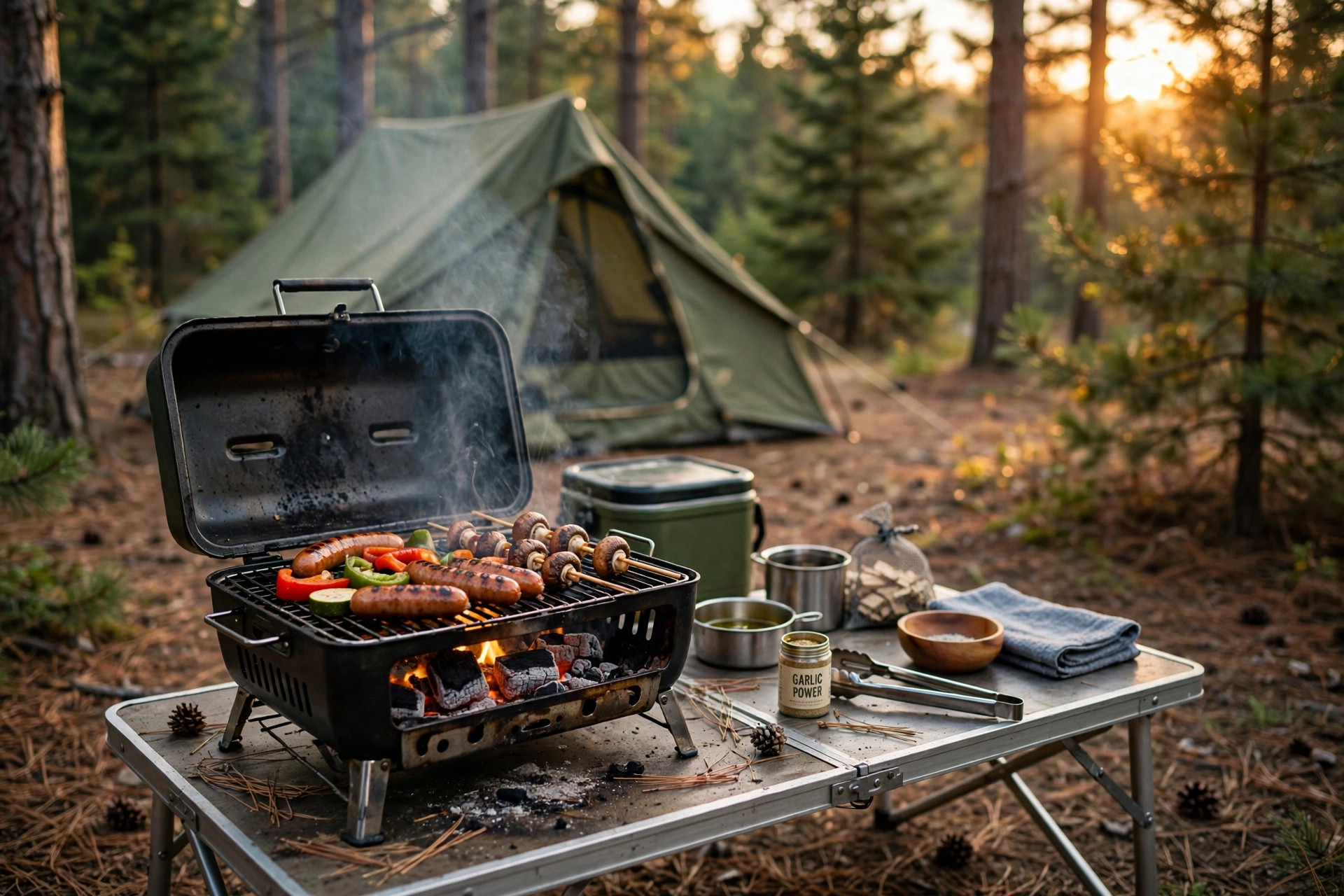

A good camping trip needs good food. Many campers read the best bbq for camping trips reviews before they buy a portable grill. They want to know which model is safe, easy to carry, and strong enough to feed a family.
This guide walks through what the reviews say. It covers the main types of portable grills. It looks at cost, care, and safety. It also answers common questions. Use it to choose a grill that fits your trips.
Why the Right Camp Grill Matters
Food tastes better outdoors. A steady fire and a hot grate can turn a simple night into a fine meal. But a poor grill choice can ruin dinner. A heavy grill may never leave the garage. A weak grill may cook unevenly and waste food.
Reviews matter here. Lab tests show heat output and build quality. Real campers add the rest. They report how a grill fares in wind, rain, and dust. They note if the legs wobble on soft ground. They say whether the latch holds during a long drive.
A small grill still needs to do real work. It must light fast after a long hike. It must hold heat on a cool night. It must be easy to clean with little water. The best bbq for camping trips reviews point to the models that do these things well.
How to Choose: What to Look For: Best Bbq for Camping Trips Reviews
Start with weight and size. A grill you carry must be light enough for one person. Most good models weigh between ten and thirty pounds. They fold down to fit in a car trunk. Check the folded size before you buy. Measure your trunk first.
Look at the fuel type. Propane grills light fast and control heat well. Charcoal grills add smoky flavor but take more time. Wood pellet grills are rare at campsites because they need power. Many campers pick propane for ease.
Count the cooking area. Two hundred square inches feeds about four people. Three hundred or more feeds six or more. Do not pay for space you will not use. Extra size means extra weight.
Study the heat control. At least two burners give you hot and cool zones. A lid thermometer helps you learn the grill. Push-button ignition saves matches and time.
Check the build. Porcelain-coated cast iron grates hold heat and last long. Steel bodies resist rust. Brass or stainless valves work better than cheap plastic parts.
Read about clean-up. Removable grease trays make life easy. Ash pans help on charcoal models. A grill that cleans fast gets used more.
Types of Portable BBQs for Camping
Propane Grills
Propane grills are the most common pick in the best bbq for camping trips reviews. They run on small one-pound bottles. Many also connect to a full-size tank with a hose.
They light in seconds. They heat up in about ten minutes. Two-burner models let you cook burgers on one side and warm beans on the other. Heat control is simple. Turn the knob and the flame changes.
The main cost is fuel. One-pound bottles run for about one to two hours on high. Bring extras for a long weekend. Some parks limit how many bottles you may store.
Charcoal Grills
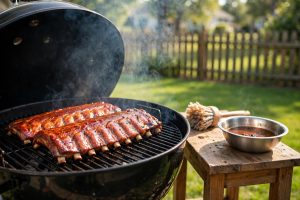
Charcoal grills give the best smoke flavor. Kettle-style models and small barrel grills are easy to carry. They cost less than propane grills.
They take more work. You need fifteen to twenty minutes to get coals ready. Ash must go somewhere safe. Wind makes heat hard to control. But many campers love the ritual.
If you go this way, read about charcoal grill ash disposal tips before your first trip. Safe ash handling keeps your campsite clean and fire-free.
Portable Pellet Grills
Pellet grills burn wood pellets and give real smoke with easy control. They need a power source. Some run on a car battery or a small power bank.
They are heavier than other types. They cost more too. They suit campers who park near their car and want low-effort smoke flavor.
Flat-Top Griddles
Griddles have a flat steel plate instead of grates. They cook eggs, pancakes, and fish with ease. Grease drains into a cup. They are a fine pick for breakfast-heavy trips.
Disposable Grills
One-use foil grills work for a single meal. They are light and cheap. They do not cook well and leave waste behind. Most reviews advise against them for regular campers.
What Reviews Say About Top Picks
Across the best bbq for camping trips reviews, a few names come up again and again. Compact two-burner propane grills from major makers win for most families. They balance weight, heat, and price.
Single-burner tabletop models win for solo campers and couples. They weigh little and heat one small zone well. They struggle with big meals.
Small charcoal kettles win for flavor fans on a budget. They need more skill but reward it.
Reviews also praise grills with strong legs. Campsites are not level. A grill that stands firm on dirt earns its place. Lids that latch shut earn praise too. A loose lid can spill ash on the drive home.
Look for recent reviews when you shop. Models change each year. A grill that won praise two years ago may have new parts now. Sites like Consumer Reports test grills in labs. Cooking sites like The Spruce Eats test them in real kitchens and yards. Both views help.
Maker pages also help. Weber lists specs for its portable lines. Char-Broil shows its tabletop options. Broil King and Napoleon list parts and manuals. Traeger covers portable pellet choices. Retailers like Home Depot carry many brands and show buyer reviews in one place. For smoking tips, Amazing Ribs explains fire control in plain terms.
Cost and Price
Portable camp grills span a wide price range. Small charcoal models start near thirty dollars. Basic one-burner propane grills run from fifty to one hundred dollars. Good two-burner propane models run from one hundred to three hundred dollars. Portable pellet grills start near four hundred dollars and go up.
Fuel adds to the cost. A pack of one-pound propane bottles costs about fifteen to twenty-five dollars. A bag of charcoal costs about ten to twenty dollars. Pellets cost about one dollar per pound.
Think in trips, not dollars alone. A two-hundred-dollar grill used twenty times costs ten dollars per trip. A fifty-dollar grill that breaks after two trips costs more in the end. Buy once and buy well.
Accessories add up. A cover, a longer hose for a big tank, a grill brush, and a carry bag can add fifty to one hundred dollars. Many campers skip the bag and use an old tarp instead.
Care and Upkeep
A clean grill cooks better and lasts longer. After each cook, burn off the grates on high for ten minutes. Brush them while hot. Wipe the outside with a damp cloth.
Empty the grease tray each day of the trip. Old grease draws bugs and can catch fire. On charcoal models, wait until ash is fully cold. Then bag it and pack it out. Never dump hot ash near dry grass.
Check the propane fittings before each season. Look for cracks in the hose. Listen for hissing. A simple soap-water test finds leaks. Brush soapy water on the joints. Bubbles mean a leak. Do not use the grill until you fix it.
Store the grill dry. A garage or shed is fine. Cover it if you store it outside. Rust shortens the life of any grill. Touch up paint chips on steel bodies with heat-safe paint.
Oil the grates before each cook. A thin coat of high-heat oil stops food from sticking. Heat the grate, brush it with oil, then add food.
Safety at the Campsite
Grills and tents do not mix. Keep the grill at least ten feet from tents, cars, and trees. Set it on flat ground. Point the lid away from the wind.
Never grill inside a tent or camper. Burning fuel makes carbon monoxide. This gas has no smell and can kill. Cook only in the open air.
Keep a water bucket or fire extinguisher close. Know where the shut-off valve is. If grease catches fire, close the lid and turn off the gas. Do not throw water on a grease fire.
Let the grill cool fully before you pack it. Propane tanks travel upright and strapped down. Charcoal ash must be dead cold. When in doubt, douse ash with water and wait.
Check camp rules before you light up. Some parks ban open charcoal during fire season. Some allow only propane. The park office or website will say. Follow the rules. Fines are costly and fires are worse.
Packing and Portability Tips
Pack the grill last and unload it first. Put it on top of other gear. Wrap grates in an old towel to stop rattling.
Keep fuel apart from food. Strap tanks so they cannot tip. Bring a small tool kit: brush, tongs, spatula, and a lighter. A headlamp helps for night cooks.
Plan meals around the grill size. Cook in batches if needed. Start with food that needs the most heat. Keep cooked food warm on the cool side or in foil.
For cold-weather trips, bring extra fuel. Propane flows slower in the cold. Wind screens help. A grill that works in summer may feel weak in winter. Read the best outdoor grill for winter grilling picks if you camp in the cold months.
Camping Grill Mistakes to Avoid
Many campers make the same errors. Buying too big is the first. A giant grill stays home. A small one goes on every trip.
Skipping the heat test is the second. Every grill has hot spots. Learn yours at home before the trip. Cook a test batch of burgers and note the hot zones.
Forgetting cleaning tools is the third. A brush and a trash bag weigh little. They save the grill from baked-on grease.
Ignoring the weather is the fourth. Wind steals heat. Rain cools the lid. A simple windbreak made from a foil pan can save dinner.
Poor food storage is the fifth. Keep raw meat cold and separate. Coolers with ice work fine. Do not let meat sit out for hours.
When a Camp Grill Is Not Enough
Some trips need more than a small grill. Large groups may need two grills or a big two-zone setup. Backpacking trips need a tiny stove, not a grill. Boat and beach trips have their own rules about fire. If you cook near the shore, check the best grill for beach house reviews for models that handle salt air.
A camp grill also suits home use. Many owners use it on a balcony or patio between trips. It can back up the main grill during a party. This dual use makes the cost easier to justify.
FAQ
What size grill is best for a family of four? About two hundred to two hundred fifty square inches of cooking space is enough. A two-burner propane grill in this size cooks a full meal in one or two batches. It stays light enough to carry.
Is propane or charcoal better for camping? Propane is easier. It lights fast, controls heat well, and cleans up fast. Charcoal gives better smoke flavor but takes more time and skill. Beginners should start with propane.
Can I use a camping grill at home? Yes. Many campers use their portable grill on a patio or balcony. Check your building rules first. Some apartments limit grill types and fuel storage.
How long does a one-pound propane bottle last? About one to two hours on high heat. Lower heat stretches it further. For a weekend, bring three to four bottles for a two-burner grill.
Are portable grills allowed in all campgrounds? No. Rules vary by park and season. Some ban charcoal during dry months. Some ban all open flames. Check the park website or call the office before you go.
What is the easiest camp grill to clean? Propane grills with removable grease trays clean fastest. Burn off the grates, brush them, and empty the tray. Charcoal models take longer because of ash.
A Short Final Word
The best bbq for camping trips reviews all point the same way. Buy a grill that fits your car, your group, and your patience. Propane wins for ease. Charcoal wins for flavor. Small wins for travel.
Read the reviews. Learn the specs. Test the grill at home. Then take it out and cook something good under the open sky.
References
AmazingRibs.com. (n.d.). Barbecue and grilling science. https://www.amazingribs.com Broil King. (n.d.). Gas and charcoal grills. https://www.broilkingbbq.com Char-Broil. (n.d.). Gas and charcoal grills. https://www.charbroil.com Consumer Reports. (n.d.). Product reviews and ratings. https://www.consumerreports.org Napoleon. (n.d.). Fireplaces, grills, and heating products. https://www.napoleon.com The Home Depot. (n.d.). Home improvement products. https://www.homedepot.com The Spruce Eats. (n.d.). Recipes and cooking guides. https://www.thespruceeats.com Traeger. (n.d.). Wood pellet grills. https://www.traeger.com Weber. (n.d.). Grills and outdoor cooking. https://www.weber.com
Was this guide helpful?

About Emily Rodriguez
The My Garden US editorial team writes practical, in-depth home and garden guides for American homeowners — tested advice, no fluff.
You May Also Like
How to Smoke Tri Tip on Grill: A Plain Guide to Tender, Smoky Beef
April 22, 2026 0 views
Gas Grill Clearance Sale Near Me: How to Save Big on a Quality Grill
August 18, 2026 0 views
Best Outdoor Range Hood for Grill Owners: A Complete Guide
August 9, 2026 0 views