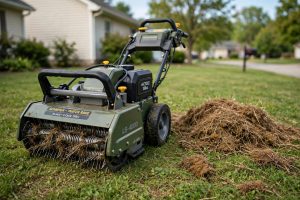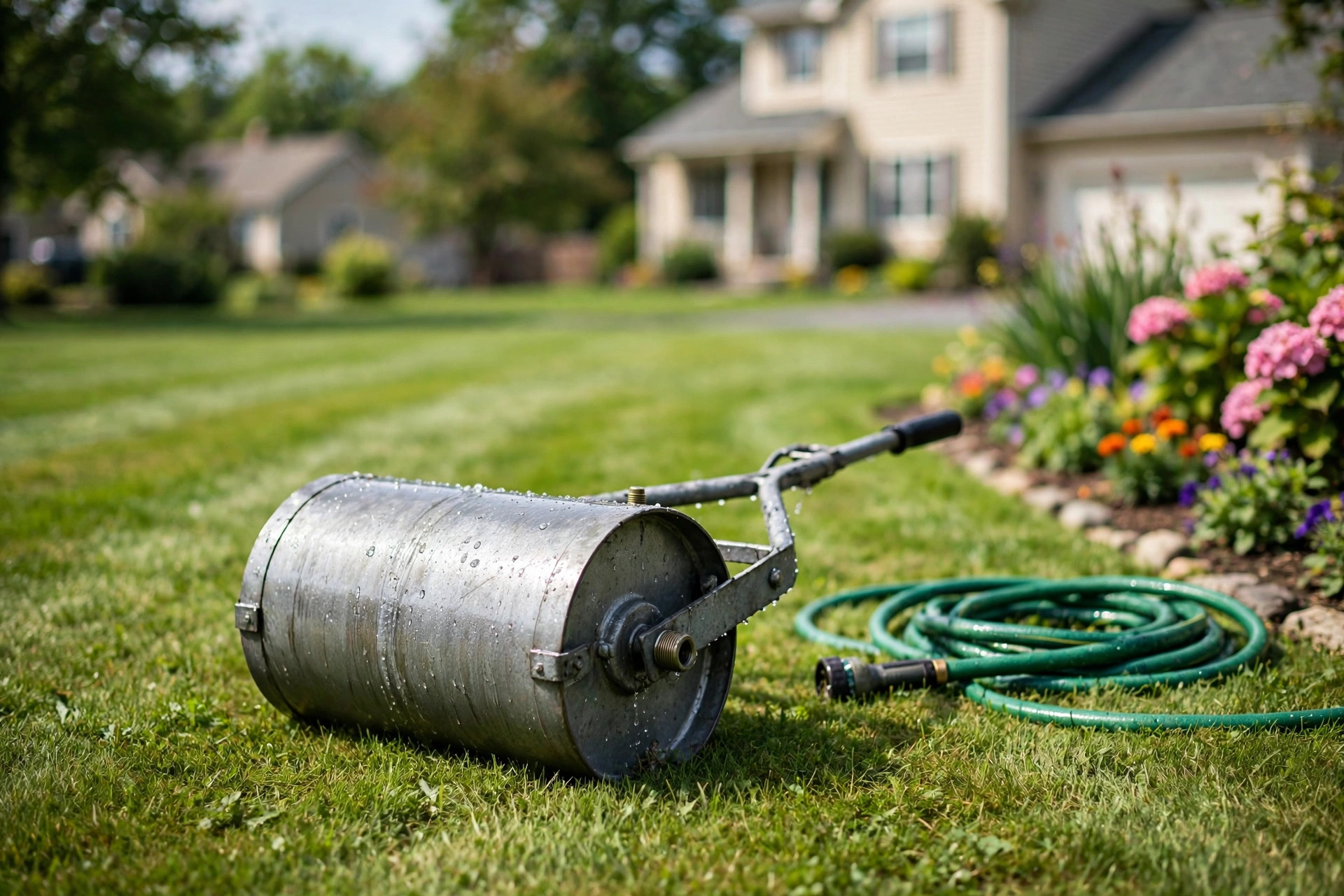

A smooth, level lawn does not happen by accident. Most yards have high spots, low spots, and patches where the grass grows thin. A lawn roller presses the soil down and gives the surface an even finish. The water filled lawn roller is the most popular kind for home use. It ships light and empty, and the owner fills it with a garden hose when work begins.
This guide on the best lawn roller water filled reviews will walk through how these tools work, what to look for, and what they cost. It gathers the main points buyers raise again and again: drum size, drum material, handle comfort, weight when full, and how easy the roller is to drain and store. By the end, you should know which model suits your yard and which ones to pass over.
Why a Lawn Roller Matters
A lawn roller is a heavy drum that you push or tow across the grass. Its weight presses down loose soil and small bumps. Many owners use one after seeding a new lawn. Fresh seed needs firm contact with the soil to sprout well. A light pass with a roller helps the seed bed settle without packing the ground too hard.
Spring is the most common time to roll. Frost can lift the soil during winter, leaving the lawn uneven when the thaw comes. A water filled roller lets you add only as much weight as you need. For spring touch-up work, many owners fill the drum only part way. For firming a new seed bed, they fill it to the top.
A roller also helps after laying sod. New sod strips can sit slightly loose on the soil below. One pass with the roller presses the roots into place. This is why landscapers often roll right after a sod job. It is also common to roll after mole or grub damage has left soft ridges in the turf.
It is worth knowing what a roller cannot do. It will not fix deep dips or drainage problems. Those need soil and grading work first. It will not remove large rocks or roots. And too much rolling can compact the soil, which harms grass roots. Used with care, though, the roller is a simple tool that earns its keep. A level lawn mows faster and looks better, and the ride-on mower runs smoother over ground that has been rolled flat.
How to Choose a Water Filled Lawn Roller: Best Lawn Roller Water Filled Reviews
Not every water filled roller is built the same. The differences show up in daily use. Reviews from owners point to a few features that matter most.
Drum Size and Weight
Drum width is the first thing to check. Common widths run from 18 inches to 36 inches. A narrow drum turns easily and fits through gates and tight beds. A wide drum covers more ground with each pass and finishes large yards faster. For a small city lot, a 24-inch drum is a fair middle ground. For a half acre or more, a 30 or 36-inch drum saves real time.
Weight matters because weight does the work. An empty drum weighs little. Filled with water, it can weigh from 200 pounds up to 600 pounds or more. Check the full weight in the specs. A drum around 300 pounds suits most home jobs. Heavier drums press harder but are harder to move. If you must push the roller by hand, stay toward the lighter end.
Drum Material
Most drums are made of steel or thick plastic. Steel drums are strong and hold up for years. They can rust, though, if the paint chips or water sits inside too long. Poly drums will not rust. They are lighter and cost less. They can dent or crack under hard use, but for home lawns they serve well.
Reviews often praise steel for long life and poly for ease of handling. There is no single right answer. Think about how often you will use the roller and where it will sit between jobs. A dry shed suits a steel drum fine. A damp garage corner is kinder to poly.
Handle and Hitch
Push rollers come with a long handle. Good handles are angled so the drum tracks straight without fighting you. Some handles fold or come apart for storage. Tow models hook to a lawn tractor or riding mower. A tow roller makes big yards easy, but you need a machine to pull it.
Some rollers switch between push and tow. This is a nice feature for families who own a mower now and want options later. Check that the hitch pin is solid and that the handle locks firm. Wobble at the handle makes long passes tiring.
Filling and Draining
Every water filled roller has a fill port, usually with a threaded cap. A wide mouth fills faster from a hose. A drain plug near the bottom lets you empty the drum after the job. Draining matters because a full drum is too heavy to move by hand and should not sit full through freezing weather. Water left inside over winter can split the drum as ice expands.
Look for a cap that seals tight. Leaks at the cap are a common complaint in owner reviews. A rubber gasket helps. Some owners wrap the threads with plumber’s tape for extra peace of mind.
Types of Lawn Rollers Compared
Water filled rollers come in a few broad styles. Push models are the most common for homes. They have a handle and a drum 18 to 30 inches wide. They suit small to mid-size yards. They store upright or on their side in a corner of the shed.
Tow models are built for tractors. They are wider, often 30 to 48 inches, and much heavier when full. They are the pick for large properties and farms. If you already pull a string trimmer or a sprayer behind your mower, a tow roller fits the same routine.
Combination models try to do both jobs. They have a handle for pushing and a hitch pin for towing. These cost a bit more. Owners like the flexibility, but note that a wide combination unit can still be awkward to push by hand when full.
Sand filled rollers are the older style. Sand does not freeze and burst the drum, which is a plus in cold states. But sand is heavy to haul and hard to remove. Water filled models have mostly replaced them for home use because water is free and easy.
Cost and Price: What to Expect
Prices for water filled lawn rollers run in a wide band. Small push models with a poly drum often sell for under one hundred dollars. Mid-size steel push models run from about one hundred to two hundred dollars. Large tow models can reach three hundred dollars or more.
Price follows size and material. A 36-inch steel tow drum costs more than a 24-inch poly push drum. Handles, hitch kits, and brand name add to the price. Sales at big home stores can cut these prices, especially in spring when lawn tools move fast.
Do not judge a roller on price alone. A cheap drum that leaks at the cap will cost you time and temper. Read owner reviews with an eye for the same problems showing up twice. A model with many reviews and few repeat complaints is usually the safer buy. Groups that test tools, such as the reviewers at Consumer Reports (https://www.consumerreports.org), often check build quality on outdoor equipment, and their buying guides are a useful cross-check before you spend.
Rental is another option. Some equipment yards rent rollers by the day. If you roll only once a year, renting a dethatcher or roller can cost less than buying. For most owners, though, a bought roller pays for itself in two or three seasons.
Care and Upkeep
A water filled roller needs little care, but the little it needs matters. Always drain the drum after use. Open the drain plug and roll the drum so the port faces down. Let it sit until the water runs out. This keeps the weight off the axle and stops freeze damage.
Store the roller in a dry place. If you must keep it outside, set it on blocks and cover it. A tarp keeps sun and rain off the drum. Steel drums benefit from a quick look for rust each spring. Touch up paint chips with a small brush and matching paint.
Check the cap gasket each year. Rubber dries and cracks with age. A worn gasket leaks, and a leak means a light drum and a half-done job. Replacement gaskets and caps are cheap and widely sold. Keep a spare cap if your model uses a special size.
Grease the axle bearings now and then if your model has grease fittings. A drop of oil on the handle joints keeps them moving free. Wipe the drum clean before storage so grass and soil do not harden on the surface. These small habits add years to the tool.
Safety on the Lawn
A full lawn roller is heavy. Treat it with respect. Never fill the drum while it stands on a slope. Fill it on level ground where it cannot roll away. Keep children and pets clear while you work. A rolling drum can pinch fingers at the handle and axle.
Watch your footing. Wet grass is slick, and a heavy roller can pull you forward on a hill. Push across slopes rather than up and down them when you can. Take breaks. Even with a tow model, stepping on and off a tractor all day wears you out.
Protect your back. A full drum weighs as much as two adults. Do not try to lift it into a truck bed alone. Use ramps and a second pair of hands. When you drain the drum, give the water time to run clear before you tip the unit.
Check the lawn first. Pick up branches, toys, and rocks. A sharp stone can dent a poly drum or scratch paint off steel. Mark sprinkler heads so you do not crush them. If you just had sprinklers installed, roll gently near the heads until the soil firms up.
Frequently Asked Questions
How full should I fill a water filled lawn roller?
It depends on the job. For spring touch-ups and light leveling, half full is often enough. For firming new seed or sod, fill it to the top. Many owners start half full and add more if the lawn does not smooth out. Never fill past the fill line marked on the drum.
Can I leave water in the roller between jobs?
It is best to drain it after each use. Standing water adds needless weight and can breed algae inside the drum. In cold weather, trapped water freezes and can crack the drum. Drain the roller, let it air dry, and store it empty.
Will a lawn roller damage my grass?
Used right, no. Roll when the grass is dry and the soil is firm but not rock hard. One or two passes is enough. Rolling wet, muddy ground compacts the soil and harms the roots. Rolling the same lawn many times a season is overkill. Once a year, or once per project, is the usual rule.
What size roller do I need for my yard?
Match the drum width to your lot. A 24-inch drum suits yards under a quarter acre. A 30-inch drum fits quarter to half acre lots. A 36-inch or wider tow drum fits larger ground. If you own a riding mower, a tow model makes half acre work easy. Many owners with a robot mower for half acre yards still keep a push roller for edges and small patches.
Steel or plastic drum: which is better?
Steel lasts longer and resists dents. Poly will not rust and weighs less. For most home use, either works. Choose steel if you want the longest life and have dry storage. Choose poly if you want light handling and a lower price. Either way, drain the drum and store it dry.
Where can I find reliable reviews before buying?
Start with owner reviews at large home and garden stores. Look for patterns rather than single complaints. Makers such as Toro (https://www.toro.com) and Deere (https://www.deere.com) publish full specs for their lawn care lines, which helps you compare drum width and weight. Independent testers like Consumer Reports (https://www.consumerreports.org) also rate outdoor power and hand equipment. Cross-check two or three sources before you decide.
A Final Word
The best lawn roller water filled reviews all point to the same lesson. There is no magic model. There is only the right match of size, build, and price for your yard. A mid-size steel push roller suits most homes. A wide tow roller suits big ground. Buy the drum that fits your lot, fill it only as much as the job needs, and drain it when you are done.
Roll in spring after the thaw. Roll after seeding and after sod. Keep the drum clean and the cap tight. Do these simple things and your roller will give you years of smooth, even lawns. A little care at the start of each season pays off every time you look out the window.
References
Consumer Reports. (n.d.). Product reviews and ratings. https://www.consumerreports.org Deere. (n.d.). Lawn care equipment. https://www.deere.com Toro. (n.d.). Lawn care products. https://www.toro.com
Was this guide helpful?

About James Carter
The My Garden US editorial team writes practical, in-depth home and garden guides for American homeowners — tested advice, no fluff.
You May Also Like
Best Riding Lawn Mower for One Acre Lots: A Plain Guide for American Homeowners
June 24, 2026 6 views
Affordable Fence Installation Companies Near Me: A Homeowner’s Guide
January 10, 2026 0 views
Best Overseed Blend for Cool Season Lawns
May 2, 2026 0 views