
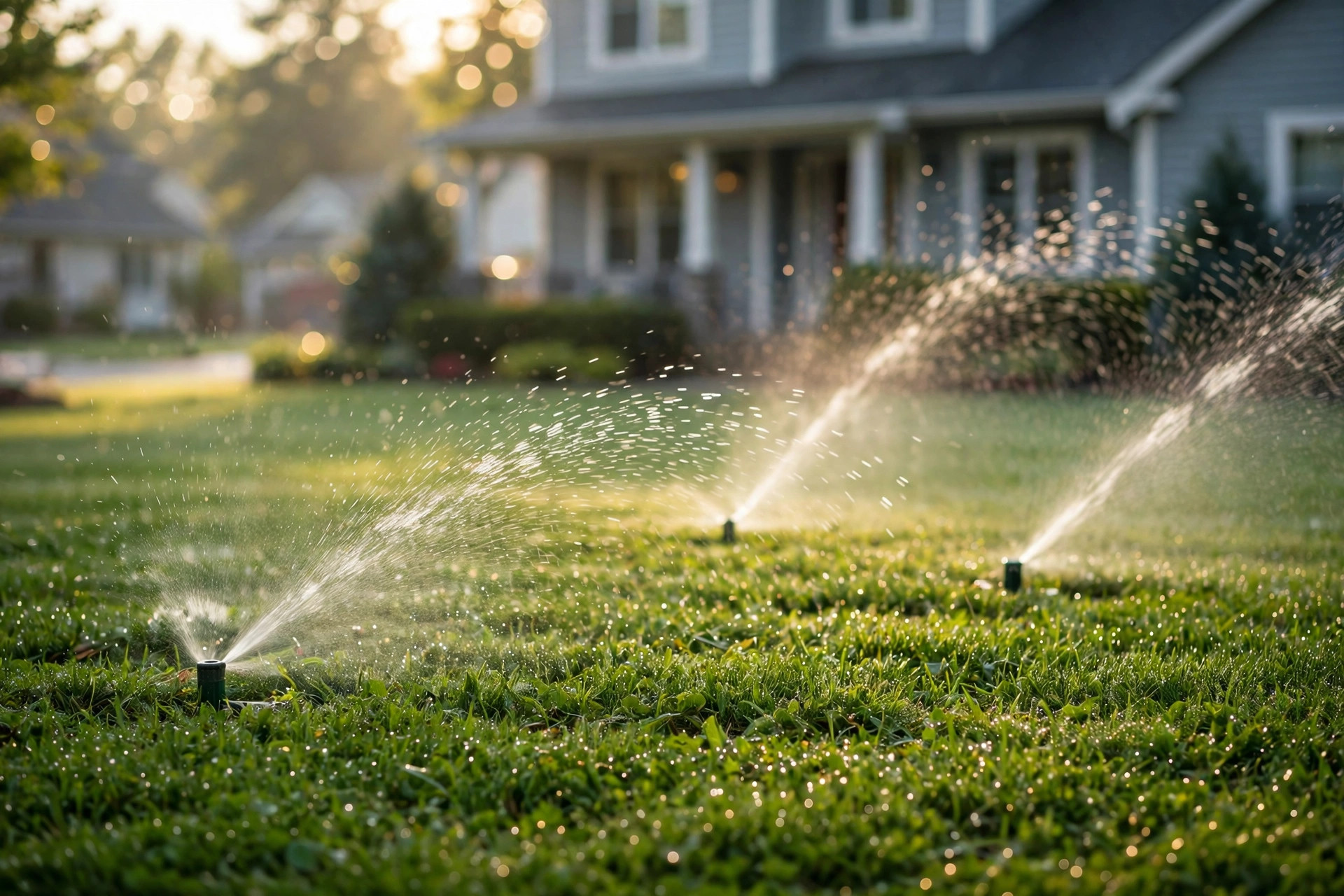

Getting an affordable lawn sprinkler installation cost estimate is the smart first step for any homeowner who wants a green lawn without spending too much. A sprinkler system waters your yard for you. It saves time and it saves water when it is set up right. But prices can vary a great deal. This guide walks you through what a sprinkler system should cost, what changes the price, and how to keep the final bill low. You will also learn how to compare bids and what questions to ask a contractor.
Why a Cost Estimate Matters
A cost estimate tells you what to expect before any work starts. Without one, you may face a bill much higher than you planned. With one, you can plan your budget, compare contractors, and make smart choices about your system.
A sprinkler system is a real investment in your home. A green lawn looks nice and can raise the value of your property. Studies from real estate groups have long shown that a well-kept yard helps a house sell faster. A good estimate keeps this investment under control.
Estimates also help you spot red flags. If one bid is far lower than the rest, the contractor may cut corners. If one bid is far higher, you may be paying too much. The middle ground is often where fair value lives.
What to Look for in a Good Estimate: Affordable Lawn Sprinkler Installation Cost Estimate
A good estimate is more than a single number. It should break down the work so you can see where your money goes. Here are the key parts to check.
Yard Size and Shape
The size of your yard is the biggest factor in the price. A small city lot costs much less than a full acre. The shape matters too. A square yard is easy to cover. An odd-shaped yard with curves and corners needs more heads and more pipe.
When you ask for an estimate, measure your yard or have the contractor do it. Most pros measure in square feet. Write the number down so every bidder works from the same base.
Water Pressure and Supply
Your home water pressure decides what kind of system you can run. Low pressure may need a booster pump. High pressure may need a regulator. Both add to the cost. A good contractor will test your pressure before writing the estimate. If a bidder skips this step, that is a warning sign.
Number of Zones
A zone is a section of the system that waters on its own. Sunny areas and shady areas need different amounts of water. Most homes need four to eight zones. Each extra zone adds pipe, a valve, and labor. A fair estimate lists the zone count so you know what you are buying.
Warranty and Service
Ask what the warranty covers. Most contractors warrant labor for one year. Parts carry the maker warranty, which often runs two to five years. Write these terms on the estimate. Also ask how fast the contractor answers service calls. A cheap bid loses its value if the installer never returns your calls. A good estimate lists a phone number and a clear promise of service after the sale.
Types of Sprinkler Systems
There are several kinds of systems, and each has a different price range. Knowing the types helps you pick the right one for your budget.
Above-ground systems are the cheapest. They sit on the grass and can be moved by hand. They cost little but look rough and need manual work. Many homeowners start here and upgrade later.
In-ground spray systems are the most common choice. Pipes run under the soil. Pop-up heads rise when water flows and drop back down when it stops. These give even coverage and look neat. For step-by-step guidance on the hands-on route, see our guide on how to install pop up sprinklers yourself.
In-ground rotor systems use rotating heads that throw water over long distances. They suit large yards. They cost more than spray heads but use fewer heads per zone.
Drip systems deliver water right to the roots through small tubes. They work well for flower beds and shrubs. Many homes pair drip lines for beds with spray heads for grass.
Manufacturers such as Toro and John Deere offer a wide range of heads and controllers, and browsing their product lines can help you understand the parts that appear in your estimate.
Cost and Price Breakdown
Let us look at the numbers. An affordable lawn sprinkler installation cost estimate for a typical American home usually falls between 2,000 and 4,000 dollars for a full in-ground system. Smaller yards may cost less. Large lots may cost more.
Here is how the price usually breaks down:
– Materials make up about 40 percent of the bill. This includes pipe, heads, valves, a controller, and wire. – Labor makes up about 50 percent. Trenching, laying pipe, and wiring take a crew a day or two. – Permits and fees make up the rest. Some towns require a permit and a backflow test.
Cost per zone is a handy way to compare bids. Many contractors charge 500 to 1,000 dollars per zone. Ask each bidder for the zone count and the price per zone. This makes apples-to-apples comparison easy.
The type of head also shifts the price. Basic spray heads are cheap. Rotor heads cost more but cover more ground. A smart controller adds to the upfront price but can cut your water bill. For more on that option, read our piece on the smart sprinkler controller for usa homes.
Retail prices for parts can be checked at large home improvement stores such as Home Depot. Seeing shelf prices helps you judge whether a contractor markup is fair.
Do not forget the cost of water itself. Most cities charge by the gallon. Ask your water company for the outdoor rate before you commit. A system that uses less water through efficient heads and a smart controller costs less to run every month. Over ten years, the water bill can matter more than the install price.
How to Keep the Price Affordable
You do not need to spend a fortune to get a good system. These tips keep an affordable lawn sprinkler installation cost estimate truly affordable.
First, get at least three written bids. Prices move a lot between contractors. Three bids show you the fair range for your area.
Second, schedule the work in the off-season. Late fall and early spring are slow times for installers. Contractors may offer discounts to keep crews busy.
Third, do part of the work yourself. You can mark the yard, dig simple trenches, or handle the final seeding. Some homeowners buy the parts and hire labor only. Sites like The Spruce carry helpful guides on yard projects that can build your confidence.
Fourth, keep the design simple. Each curve and extra zone adds cost. A clean layout with fewer zones costs less and often works just as well.
Fifth, ask about water-efficient options. Drip lines for beds and high-efficiency nozzles for turf use less water. Your city may offer rebates for efficient gear. Independent test data from Consumer Reports can help you compare brands before you buy.
Sixth, plan for repair costs from the start. Heads break. A sprinkler head replacement cost estimate usa will show you what small fixes run, so you can keep a small repair fund and avoid surprise bills later.
Care and Upkeep
A sprinkler system needs simple care each year. Good care keeps it working and keeps repair costs low.
In spring, walk the system before you turn it on. Look for cracked heads and clogged nozzles. Turn the water on slow and check each zone. Adjust heads that spray the sidewalk or the driveway.
In summer, watch the weather. Skip watering after heavy rain. Raise the mower blade so grass shades the soil. Healthy turf needs less water than stressed turf. Guides from Scotts and Pennington explain how lawn care and watering work together through the season.
In fall, winterize the system if you live where pipes freeze. Blow out the lines with air or have a pro do it. This one step prevents the most expensive kind of damage.
Check the controller once a month. Batteries die and schedules drift. A quick look keeps the system on track. Tool makers like Ryobi, ECHO, Greenworks, and Briggs and Stratton also make yard tools that help you keep the area around your heads clear and easy to service.
Safety Around Sprinkler Systems
Sprinkler systems are safe, but a few rules keep everyone protected. First, know where your pipes run. Mark the lines before you dig for any project. A cut pipe means a costly repair.
Second, keep the backflow preventer in good shape. This small device stops dirty water from flowing back into your drinking water. Many towns require a yearly test. Your water company can tell you the local rule.
Third, turn the system off before kids or pets play on wet grass. Slippery turf can cause falls. Also, keep chemical lawn treatments off the heads so they do not clog.
Fourth, if you winterize with compressed air, use low pressure. High pressure can crack pipes and hurt anyone standing near a head. When in doubt, hire a pro for the blowout.
Frequently Asked Questions
How long does installation take? Most homes take one to two days. A small yard may take a single day. A large or complex yard can take three days. Weather and soil type can change the schedule.
Do I need a permit for a sprinkler system? Many towns do require one. The permit is usually cheap. Your contractor often pulls it for you. Call your city office to check the rule before work starts.
How much water will the system use? A typical system uses about 12 to 15 gallons per minute per zone while it runs. Smart scheduling and efficient heads cut that number. A rain sensor helps too.
Can I install the system myself? Yes, many homeowners do. Kits are sold at home centers. The work is mostly digging and gluing pipe. It takes a full weekend or more. A pro gives a cleaner result and a warranty.
Will a sprinkler system raise my water bill? It can, but good design limits the rise. Water only what the grass needs. Fix leaks fast. Use a smart controller to skip rainy days.
How long does a sprinkler system last? A well-built system lasts 20 years or more. Heads and valves wear out sooner and need replacement. Regular checks add years to the life of the whole system.
A Final Word
An affordable lawn sprinkler installation cost estimate puts you in charge of the project. Know the parts of the price, compare several bids, and keep the design simple. Do some work yourself if you can, and ask about rebates for efficient gear. With a little planning, you can enjoy a green yard for years without an oversized bill. Start with measurements, gather your bids, and pick the contractor who explains the work the best. Your lawn, and your wallet, will thank you for the effort.
References
Deere. (n.d.). Agriculture and turf equipment. https://www.deere.com The Spruce. (n.d.). Home and garden guides. https://www.thespruce.com Greenworks. (n.d.). Outdoor power equipment. https://www.greenworkstools.com ECHO. (n.d.). Outdoor power equipment. https://www.echo-usa.com Ryobi. (n.d.). Power tools and outdoor products. https://www.ryobitools.com Briggs & Stratton. (n.d.). Engines and outdoor power. https://www.briggsandstratton.com Pennington. (n.d.). Lawn and garden products. https://www.pennington.com Toro. (n.d.). Irrigation and turf care. https://www.toro.com Consumer Reports. (n.d.). Product ratings and reviews. https://www.consumerreports.org Scotts. (n.d.). Lawn care products. https://www.scotts.com Home Depot. (n.d.). Home improvement products. https://www.homedepot.com
Was this guide helpful?

About Sarah Mitchell
The My Garden US editorial team writes practical, in-depth home and garden guides for American homeowners — tested advice, no fluff.
You May Also Like
Lawn Fertilizer With Iron for Greening: A Plain Guide to a Deep Green Yard
April 27, 2026 0 views
The Best Irrigation Controller with Rain Sensor for American Lawns
June 26, 2026 0 views
Riding Lawn Mower Financing Options USA: What Every Buyer Should Know
April 23, 2026 0 views