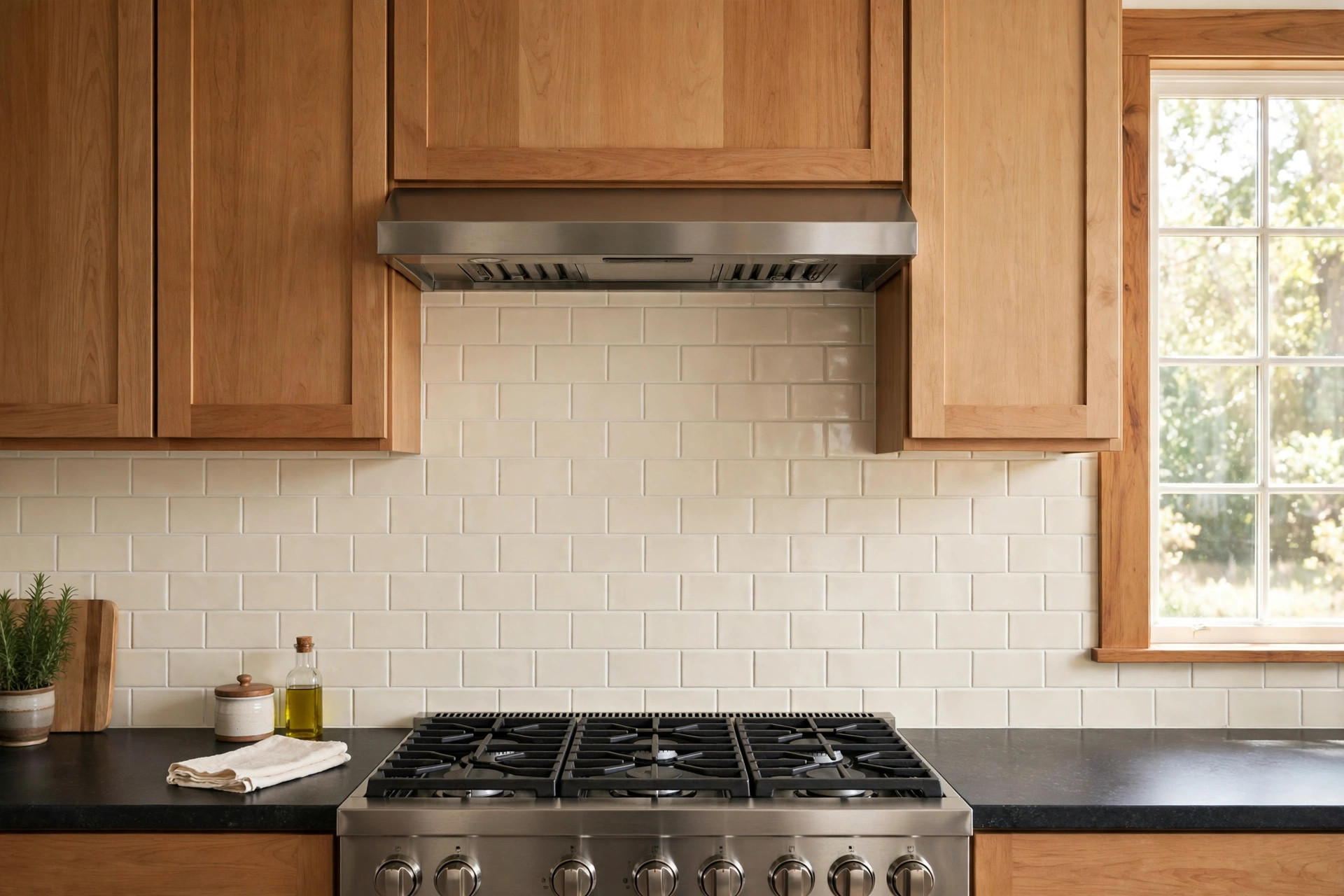

Every week, thousands of homeowners search for kitchen backsplash tiles deals near me. The reason is simple. The backsplash is the small wall area between the counter and the upper cabinets. It guards the wall from splashes and steam. It also sets the style of the whole kitchen. A good deal on tile can change the room for a few hundred dollars instead of a few thousand. This guide walks through the choices, the prices, and the best ways to find real savings close to home.
Why the Backsplash Matters
The backsplash does quiet work. It catches grease from the stove. It blocks water behind the sink. It takes the heat and steam of daily cooking. Without it, paint peels and drywall stains. With it, the wall stays clean for years.
It also changes how the kitchen feels. A dark kitchen wakes up with light tile. A plain kitchen gains charm with patterned tile. Buyers notice kitchens first when they tour a home. A fresh backsplash is one of the cheapest ways to lift the value of a room. That is why so many people look for discounted tile close to home before they start a remodel.
What to Look For When You Shop: Kitchen Backsplash Tiles Deals near Me
Start with the size of the job. Measure the wall from the counter top to the bottom of the cabinets. Write down the width in inches. Multiply width by height to get square feet. Add ten percent extra for cuts and breakage. Most deals look better than they are if you forget this step.
Next, check the tile rating. Floor tile can work on a wall, but wall tile is thinner and lighter. Look for tile marked for wall use. It cuts with less effort and stays put with standard mortar.
Think about cleaning. Kitchens get grease. Smooth, glazed tile wipes clean with a damp cloth. Rough, unglazed stone needs sealing. If you hate scrubbing, pick a finish that forgives.
Match the tile to the rest of the kitchen. The counter, the cabinets, and the floor should work as one. Bring a sample of the counter or a cabinet door when you shop. Colors look different in the store than they do at home.
Ask about the lot number. Tile from different lots can vary in shade. One box from lot A and one from lot B may not match. Buy all the tile you need at once. Keep one spare box for future repairs.
Main Types of Kitchen Backsplash Tiles
Ceramic and Porcelain Tile
Ceramic tile is the old favorite. It costs little, comes in many colors, and lasts for decades. Subway tile, the three-by-six inch rectangle, remains the most common choice in American kitchens. Porcelain is denser and tougher than ceramic. It resists stains and water well. Both types go on sale often, which is why shoppers hunting kitchen backsplash tiles deals near me find these first.
Glass Tile
Glass tile brings light into the room. It reflects daylight and lamp light. It resists stains and needs no sealing. The price runs higher than ceramic. Thin sheets of mosaic glass often sell at a discount when stores clear colors. Check the open-box shelf. You can find full cases at half price.
Natural Stone
Marble, travertine, and slate give a rich look. Each piece has its own pattern. Stone costs more and needs a sealer. It can stain if you cook with strong oils or red wine. Stone deals appear when a tile shop ends a line. Ask the staff what is being closed out. You may get stone at the price of ceramic.
Peel and Stick Tile
Peel and stick panels are thin sheets with adhesive on the back. You press them to the wall. No mortar, no grout, no wet saw. They suit renters and quick projects. They do not last as long as real tile. Heat near the stove can loosen them. Still, they are the cheapest way to test a new look before you commit.
Cost and Price Ranges
Prices vary by town, but the ranges below hold for most of the country.
– Basic ceramic subway tile: 50 cents to 2 dollars per square foot. – Decorative ceramic: 2 to 8 dollars per square foot. – Porcelain: 3 to 10 dollars per square foot. – Glass mosaic: 7 to 20 dollars per square foot. – Natural stone: 5 to 25 dollars per square foot. – Peel and stick: 1 to 5 dollars per square foot.
A standard backsplash covers about 30 square feet. At 1 dollar per square foot, the tile costs 30 dollars. Add mortar, grout, and tools for another 40 to 60 dollars. The full job can stay under 150 dollars when you find a good sale. At 10 dollars per square foot, the same job passes 350 dollars before labor. Knowing these ranges helps you judge whether a deal is real.
Labor adds to the total if you hire the work out. Tile setters often charge 5 to 15 dollars per square foot. A simple layout costs less than a complex mosaic. Many homeowners set their own backsplash to save the labor cost. The job takes a weekend for a first-timer. Simple layouts need only a wet saw, a trowel, and patience. You can read step-by-step how-to guides at This Old House before you decide.
Where to Find Kitchen Backsplash Tiles Deals Near Me
Local stores are the best place to start. Big home centers run clearance sales on tile lines they plan to drop. Walk the tile aisle and look for marked-down tags. Ask a sales associate about overstock. Stores sometimes sell full cases below cost to clear shelf space.
Independent tile shops are worth a visit too. They often keep a bargain room. It holds discontinued lines, small lots, and customer returns. The stock changes every week. A short drive can turn up tile you will not see at the big chains.
Check the classified ads and local online marketplaces. Remodelers sell leftover tile at deep discounts. A box of fifty square feet may sell for the price of ten. Make sure the lot numbers match before you buy.
Watch for holiday sales. Memorial Day, Labor Day, and Black Friday bring real cuts on tile and tools. Sign up for the store flyers in your zip code. The weekly ad tells you what is on sale before you drive there.
Online deals can work, but add shipping to the price. Tile is heavy. Shipping can erase the savings. Some stores let you order online and pick up at the local counter for free. That is the best of both worlds. Reading buyer reviews at Consumer Reports can help you sort strong brands from weak ones, and design ideas at HGTV can show you how each style looks in a finished room.
Care and Upkeep
A backsplash asks for little care. Wipe it down once a week with warm water and a drop of dish soap. Dry it with a soft cloth. This stops grease from building up.
Grout lines need more attention. Grout is porous. It soaks up stains. Seal the grout once a year with a grout sealer. The job takes twenty minutes. If a grout line cracks, rake it out and fill it fresh. A small bag of grout costs a few dollars.
Stone tile needs its own sealer. Apply it after the job is done and once a year after that. Test the seal by dropping water on the tile. If the water beads, the seal holds. If it soaks in, reseal.
Glass and glazed ceramic need almost nothing. Avoid harsh cleaners with bleach. They can dull the finish over time. A simple vinegar and water mix handles most messes.
Safety
Tile work is safe when you follow a few rules. Wear safety glasses when you cut tile. Small chips can fly. Wear a dust mask when you mix mortar or cut stone. The fine dust is not good for the lungs.
Unplug the outlets before you tile around them. The wall behind the tile may hold wires. Turn off the breaker for that circuit. Test with a lamp before you start.
Ventilate the room when you use sealers or strong cleaners. Open a window. The fumes pass fast, but they are not pleasant.
Keep children and pets out of the work area. Sharp tile edges can cut. Wet mortar stains paws and small hands. A simple barrier across the kitchen door does the job.
How the Backsplash Fits the Rest of the Kitchen
A backsplash never stands alone. It meets the range hood, the island, and the countertop. If you plan to upgrade the vent hood with a local deal, pick tile that works with its finish. Stainless steel pairs well with cool gray or white tile. A dark hood looks best against light tile.
The island is the other anchor of the room. New seating deals for the kitchen island can change how the space works. Light tile keeps an open feel around the island. Dark tile makes the island area feel smaller but warmer.
Countertops set the tone most of all. A guide to butcher block countertops shows how wood pairs with tile. Warm wood looks best with cream or soft green tile. Cool stone counters match gray or blue tile. When all three agree, the kitchen feels planned and calm. Energy-saving kitchen ideas from ENERGY STAR can also guide choices for appliances that sit beside the new tile.
Frequently Asked Questions
How much backsplash tile do I need? Measure the wall in inches. Multiply width by height. Divide by 144 to get square feet. Add ten percent for waste. A typical run between the counter and the cabinets needs about 25 to 35 square feet.
Can I install backsplash tile myself? Yes, if the layout is simple. A straight subway pattern is a good first job. You need a wet saw, a notched trowel, mortar, and grout. Plan for one full weekend. Complex mosaics and natural stone are harder. Consider hiring a setter for those.
What is the cheapest good-looking backsplash? Basic white ceramic subway tile wins. It costs under 2 dollars per square foot on sale. It suits almost any kitchen. Peel and stick panels cost even less per square foot, but they do not last as long.
Does backsplash tile add value to a home? A clean, modern backsplash helps a kitchen show well. Real estate agents rank the kitchen among the top rooms buyers judge. A fresh backsplash costs little and signals that the home is cared for. For style inspiration, browse photo galleries at House Beautiful.
How do I find real deals and not fake sales? Learn the normal price first. A tile marked down from 20 dollars to 10 dollars is a poor deal if other stores sell it for 8 dollars every day. Check two or three stores. Compare the price per square foot, not per box. Ask how long the sale runs. Real clearance moves fast.
Can I mix sale tile with full-price tile? Yes. Many kitchens use sale tile for the main field and a small strip of accent tile as a border. This stretches a small budget. It also looks planned. Buy the accent tile first, then find a field tile that matches.
A Final Word
Finding kitchen backsplash tiles deals near me takes a little homework and a little luck. Measure first. Learn the price ranges. Visit local stores and ask about clearance. Check independent shops and classified ads. With care, you can give your kitchen a new face for the cost of a family dinner out. The room will look fresh, clean longer, and serve you well for years. For more practical project guides, the how-to library at Bob Vila and the appliance guides at Whirlpool and Bosch are solid places to keep learning.
References
Bob Vila. (n.d.). Home improvement advice. https://www.bobvila.com Bosch. (n.d.). Home appliances. https://www.bosch-home.com Consumer Reports. (n.d.). Product reviews and ratings. https://www.consumerreports.org ENERGY STAR. (n.d.). Energy efficient products. https://www.energystar.gov HGTV. (n.d.). Home and garden ideas. https://www.hgtv.com House Beautiful. (n.d.). Home design and decorating ideas. https://www.housebeautiful.com Lowe’s. (n.d.). Home improvement products. https://www.lowes.com The Home Depot. (n.d.). Home improvement products. https://www.homedepot.com This Old House. (n.d.). Home renovation guidance. https://www.thisoldhouse.com Whirlpool. (n.d.). Home appliances. https://www.whirlpool.com
Was this guide helpful?

About Sarah Mitchell
The My Garden US editorial team writes practical, in-depth home and garden guides for American homeowners — tested advice, no fluff.
You May Also Like
Dual Fuel Ranges Reviews Buying Guide USA: How to Choose the Right Range for Your Kitchen
September 1, 2026 0 views
A Practical Guide to Vinyl Plank Flooring for Texas Homes in the USA
May 28, 2026 1 views
Undermount Stainless Sinks for Texas Homes: A Plain Buying Guide
January 11, 2026 0 views