
Introduction
A kitchen range is the heart of most American kitchens, and gas kitchen ranges florida homes usa shoppers consider must suit a state unlike any other. Florida brings heat, humidity, salt air near the coast, and the threat of summer storms. These facts shape how a gas range is chosen, installed, and kept in good order.
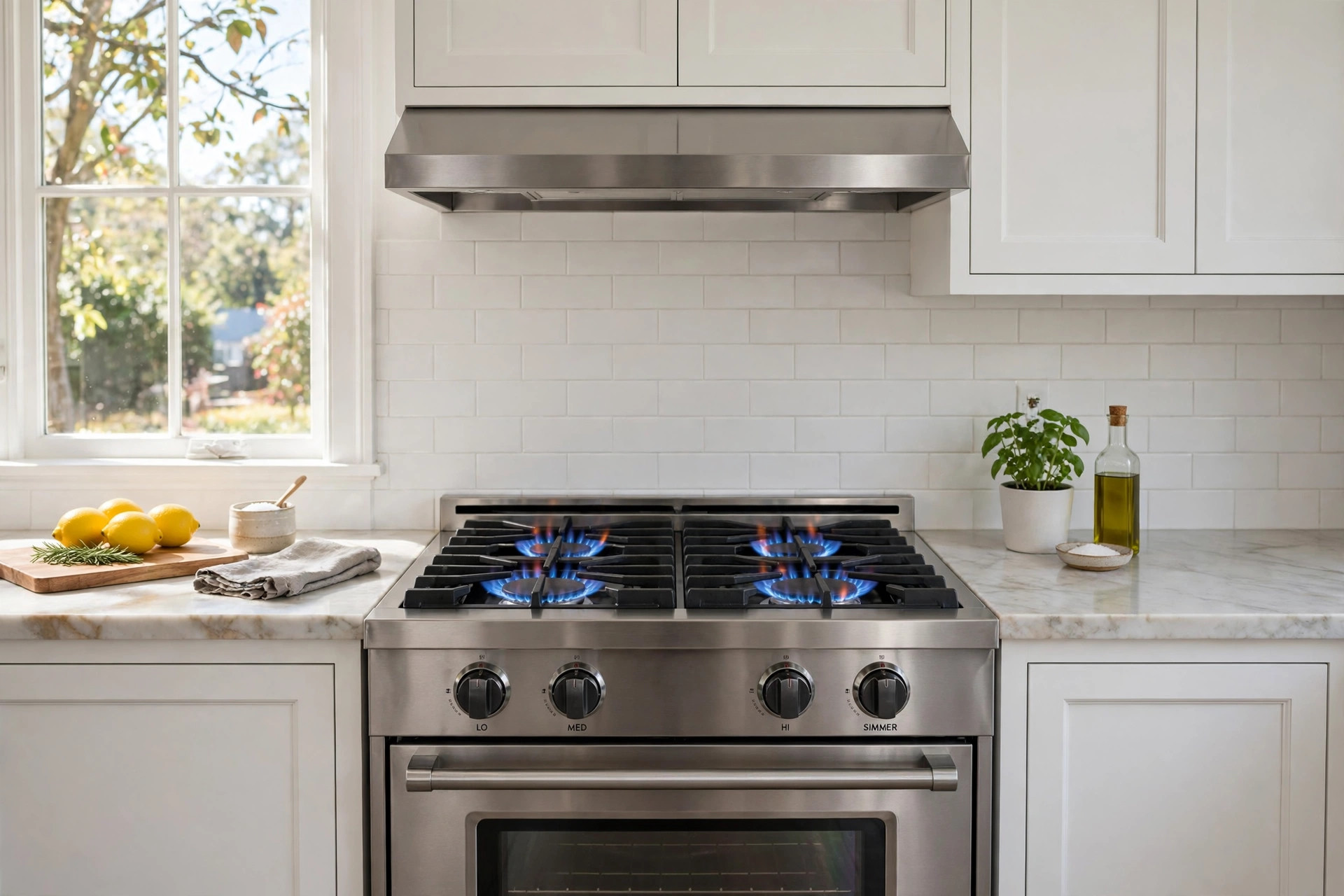
A gas range is an appliance that cooks with a gas flame instead of electric coils. It has burners on top and an oven below. Many cooks prefer it because the flame can be seen and changed in an instant. Turn the knob and the heat rises. Turn it down and the flame falls at once.
In Florida, the choice takes on a local color. Some towns have natural gas lines in the street. Others do not, and homes there use bottled propane instead. Near the Gulf of Mexico and the Atlantic coast, salt in the air can wear down metal parts. Inland, the damp heat of summer can rust steel if it is not wiped and cared for.
This guide explains what to know before buying a gas kitchen range for a Florida home. It covers why the choice matters, what to look for, the types on the market, what they cost, how to care for one, and how to use one safely. It is written in plain language so that any homeowner can follow it.
Why a Gas Range Matters in a Florida Home: Gas Kitchen Ranges Florida Homes Usa
Cooking habits shape the value of an appliance. In Florida, families cook often at home, and many enjoy fresh seafood and citrus. A gas flame suits these habits. It boils a pot of water fast. It keeps a low simmer for sauces and stews. It gives quick high heat for searing fish or blackening spices.
Power failures are another Florida fact. Hurricanes and summer storms knock out electric service each year. A gas range can still light its top burners with a match during a power cut, so long as the gas supply flows. This can matter a great deal when a storm leaves a neighborhood dark for days. Families with storm plans often count this as a strong point in favor of gas. Homeowners who want broader storm readiness sometimes also read our gas kitchen ranges buying guide for USA-wide tips.
There is a cost side as well. Where natural gas service is available, cooking with gas often costs less each month than cooking with electricity. Rates differ by town and by provider, but gas heat is steady and quick, so less fuel is wasted waiting for a burner to warm up.
What to Look For When You Choose
Buying a gas range is not only about price. The details below help a buyer pick a model that will serve well for years.
Size and Fit
Most American gas ranges are 30 inches wide, and this width fits the common kitchen cutout. Wider models of 36 inches exist for larger kitchens and for cooks who want more burners. Before shopping, measure the opening where the range will stand: height, width, and depth, and note where the gas line and the power outlet sit. Bring the measurements to the store or keep them handy when shopping online.
Burners and Heat Output
Heat output is measured in British thermal units, called BTUs. A high-power burner can reach 15,000 to 20,000 BTUs, which boils water fast and sears meat well. A simmer burner gives low heat for sauces and melting butter. Look for sealed burners, where a cap keeps spills from falling into the works.
The Oven
The oven below the burners matters as much as the top. Convection ovens use a fan to move hot air around, and they bake more evenly than old still ovens. Some models have a self-cleaning cycle that burns food soil to ash at very high heat. Check the oven window and the interior light, since you will use them often.
Ignition and Controls
Modern gas ranges light their burners with an electric spark instead of a standing pilot flame. This saves gas and is safer. The oven may use a hot-surface igniter. Front controls are easier to reach than back controls, and they are safer because a cook does not reach over hot flames. A child-lock feature is a plus for homes with small children.
Materials and Finish
Stainless steel is the most common finish. It looks clean and resists stains, but it can show fingerprints. Black and white enamel finishes hide marks better and cost less. Near the Florida coast, choose models with good seals and coated parts, because salt air finds its way into every seam.
Types and Options on the Market
Gas ranges come in several forms, and each suits a different kitchen.
Freestanding ranges are the most common. They have finished sides and a back panel with controls. They can stand alone or slide between cabinets. They are the simplest to install and the easiest to replace.
Slide-in ranges have no back panel. The controls sit on the front, and the range slides between cabinets so the top lines up with the counters. They give a built-in look for less money than a true built-in.
Drop-in ranges fit into a custom cabinet opening. They are less common today but still found in some older Florida condos.
Dual-fuel ranges mix a gas cooktop with an electric oven. They give the instant flame control of gas on top and the even dry heat of electricity below. They cost more and need both a gas line and a 240-volt outlet.
Professional-style ranges are wide and heavy, with high BTU burners and thick grates. They suit large kitchens and cooks who host often. They may need a stronger range hood and a larger gas line.
Most Florida homes do well with a freestanding or slide-in model in the 30-inch size. When you plan the full kitchen, think about the french door refrigerator too, since matching finishes give the room a calm, finished look.
Cost and Price
Prices for gas kitchen ranges vary widely. A basic freestanding model with four burners and a standard oven can cost a few hundred dollars. A mid-range slide-in model with convection, a fifth burner, and self-cleaning often runs from about one thousand to two thousand dollars. High-end professional-style and dual-fuel models can cost three thousand dollars or more, and some luxury names climb higher still.
Installation adds to the bill. If a gas line already reaches the kitchen, a licensed installer may charge a modest fee to connect and test the range. If no gas line exists, running a new line from the meter or from a propane tank can cost much more, and the price depends on distance and on the walls it must pass through. In Florida, condos and older homes sometimes need extra work to meet code.
Ongoing costs include the gas itself. Where utility gas is available, monthly fuel costs for cooking are usually low. Homes on propane pay more per unit of heat, but propane tanks give freedom in areas without gas mains.
When you compare prices, read reviews from trusted testing groups. Consumer Reports publishes range ratings based on lab tests, and shoppers can browse models at large retailers such as Home Depot and Lowe’s to compare features side by side.
Installation in Florida Homes
A gas range is not a plug-in appliance. It must be connected to a gas supply by a person who knows the work. In most Florida towns, the law requires a licensed plumber or gas contractor to make the connection. Do not try to connect a gas line yourself.
The installer will check that the gas pressure is right and that every joint is tight. A soapy water test shows leaks as small bubbles. The installer should also check the venting. Florida building code often requires a stainless steel range hood that vents to the outside, not one that merely recirculates air. A good hood pulls heat, steam, and cooking smoke out of the kitchen. This matters more in Florida than in cooler states, because the kitchen already fights the outdoor heat.
If your home uses propane, the tank must sit in a safe spot with room around it. Your propane company can advise on tank size and on how often refills are needed.
Storm planning is wise. Ask your installer about a gas shutoff valve that is easy to reach. Know where the main shutoff for the house sits. Keep the number of your gas utility or propane supplier where you can find it. Step-by-step install guidance is also available from This Old House and Bob Vila.
Care and Upkeep
A gas range that is cleaned and checked often will last many years. Florida homes ask for a bit of extra care.
Wipe the cooktop after each use, once it is cool. Spills that bake on become hard to remove. Lift the grates and burner caps once a week and wash them in hot soapy water. Dry them fully before putting them back, because standing water invites rust in humid air.
Clean the oven as the maker directs. If it has a self-cleaning cycle, run it only when you can open windows or run the hood, since the cycle makes heat and odor.
Near the coast, wipe the stainless steel with a soft cloth and a mild cleaner made for the purpose. Harsh scrubbers scratch the finish, and scratches give salt air a place to start rust. Check the back and the sides now and then for any orange specks.
Once a year, look over the gas connection area for wear. Check that each burner lights quickly and that the flame is steady and blue with small yellow tips. A lazy yellow flame can mean the burner needs cleaning or adjustment. If anything seems wrong, call a licensed technician. The Spruce has plain guides that walk through these yearly checks step by step.
Humidity also affects the oven. In the damp summer months, let the oven cool with the door closed, then wipe the inside lightly.
Safety
Gas is safe when it is respected. A few rules keep every home secure.
First, install a carbon monoxide detector near the kitchen and test it often. Gas flames make small amounts of carbon monoxide, and a detector warns you if levels ever rise. Second, never use the range to heat the house. Ovens are made for cooking food, not for warming rooms, and running one for heat can build up dangerous gases.
Third, learn the smell of a gas leak. Utility gas has a rotten-egg odor added so leaks can be noticed. If you smell it, do not light anything, do not flip switches, and leave the house. Call your gas company or the fire department from outside. Fourth, keep the area around the range clear of paper, cloth, and cleaners. Keep a fire extinguisher made for kitchen fires within reach, and know how to use it.
Fifth, supervise children and pets around the range. Turn pot handles inward so they cannot be knocked. Lock the oven door during self-cleaning.
Florida homes with elderly residents or rental tenants should post the gas company emergency number on the refrigerator. It takes a minute and can matter in a crisis. The U.S. Energy Star site also notes how efficient appliances lower home energy use, which pairs well with safe habits.
Frequently Asked Questions
Do all Florida homes have natural gas service? No. Natural gas lines serve many towns and cities, but large parts of Florida have no gas mains. Homes in those areas use propane tanks or cook with electricity. Check with your local utility before you shop.
Can I use my gas range during a power outage? The top burners of most modern gas ranges can be lit by hand with a match during a power cut, because the flame itself needs no electricity. The oven will not work. Never use the oven for heat, and keep the kitchen aired.
Is a gas range safe for a condo or apartment? Yes, if it is installed to code and vented well. Many Florida condos allow gas ranges where gas service exists. Check your building rules first. A licensed installer must make the connection, and the building may want proof of the permit.
How long does a gas range last? A well-made gas range often lasts 15 to 20 years, and some serve longer. Regular cleaning and yearly checks of the burners and connections all add years. Coastal homes should watch for rust, since salt air shortens the life of unprotected metal.
Should I choose gas or electric for my Florida kitchen? Gas gives instant heat control and works during power cuts, which suits Florida storm seasons. Electric ovens bake very evenly and need no gas line. Dual-fuel models give both, at a higher price. Your fuel supply, your budget, and your cooking style should guide the call. Brand makers such as GE Appliances, Whirlpool, and Bosch all offer both gas and dual-fuel lines so you can compare.
Does salt air really damage a range? It can, over time. Salt speeds up rust on bare or scratched steel. Wiping the range often, using proper cleaners, and keeping the finish intact will slow this down. Homes within a mile or two of the coast feel this most.
A Final Word
A gas kitchen range is a strong choice for many Florida homes. It gives fast, sure heat, it keeps cooking through power cuts, and it fits the way Florida families live and eat.
Take time to measure, to read reviews, and to ask about warranties for coastal use. Clean the range often, watch the burners, and respect the safety rules.
References
Bob Vila. (n.d.). Home improvement advice. https://www.bobvila.com Bosch. (n.d.). Home appliances. https://www.bosch-home.com Consumer Reports. (n.d.). Product reviews and ratings. https://www.consumerreports.org ENERGY STAR. (n.d.). Energy efficient products. https://www.energystar.gov GE Appliances. (n.d.). Kitchen and home appliances. https://www.geappliances.com Lowe’s. (n.d.). Home improvement products. https://www.lowes.com The Home Depot. (n.d.). Home improvement products. https://www.homedepot.com The Spruce. (n.d.). Home and garden advice. https://www.thespruce.com This Old House. (n.d.). Home renovation guidance. https://www.thisoldhouse.com Whirlpool. (n.d.). Home appliances. https://www.whirlpool.com
Was this guide helpful?

About Jennifer Lee
The My Garden US editorial team writes practical, in-depth home and garden guides for American homeowners — tested advice, no fluff.
You May Also Like

Vinyl Plank Flooring Deals Near Me: A Plain Guide to Low Prices
March 21, 2026 0 views
Quartz Countertop Installation: Where to Buy in the USA
February 10, 2026 0 views
Kitchen Island Seating Deals Near Me: A Plain Guide for American Homes
January 24, 2026 0 views