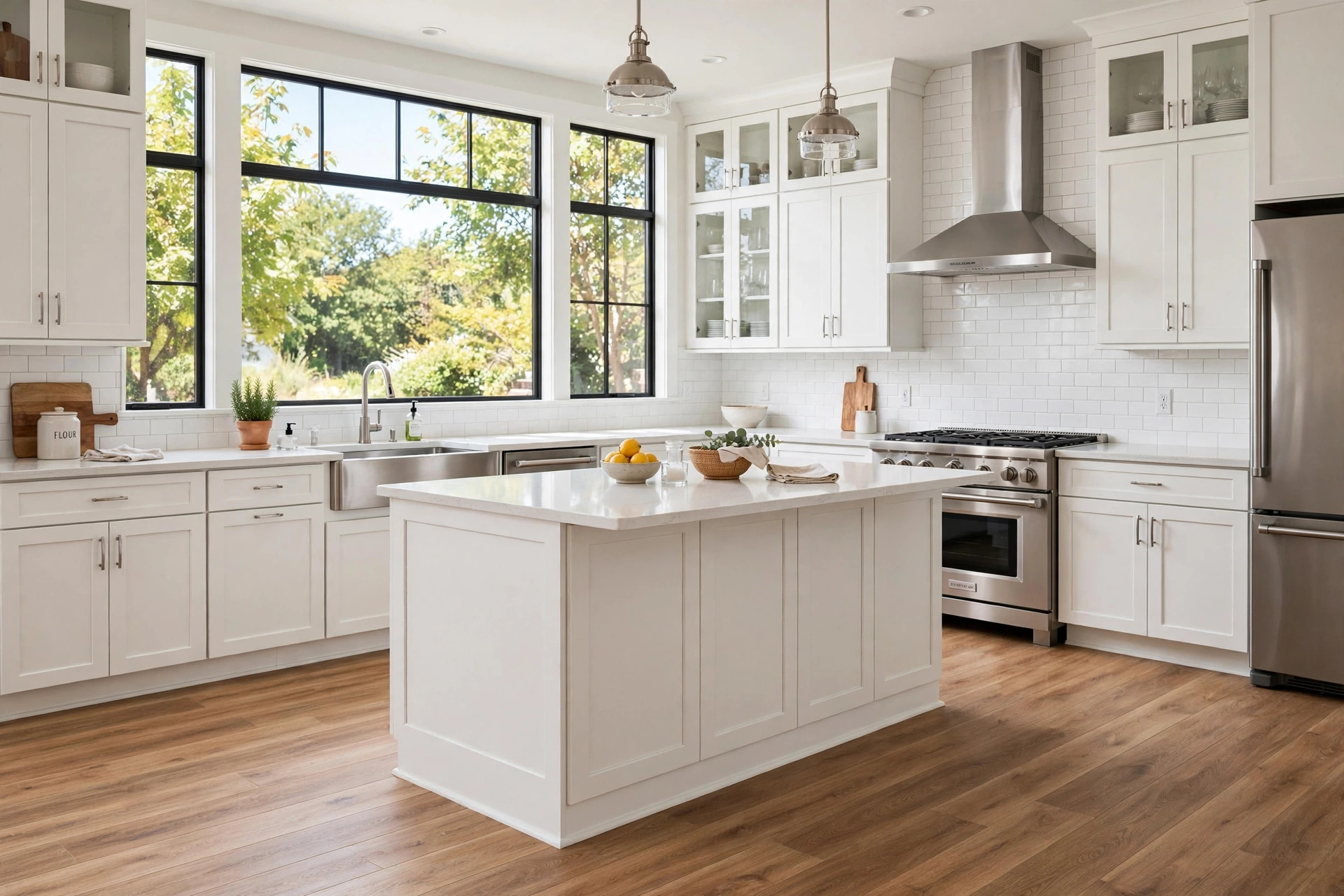

This vinyl plank flooring american homes guide explains the facts in plain terms. It covers what vinyl plank floors are, why so many American households choose them, how to pick the right kind, what they cost, and how to care for them. Every section is written for the regular homeowner. No jargon is used. No guesswork is needed.
Why Vinyl Plank Flooring Matters in American Homes
Flooring is one of the largest purchases a homeowner makes. It covers nearly every square foot of the house. It sets the look of every room. It must stand up to daily life for many years. For these reasons, the choice of floor matters more than most people think.
Vinyl plank flooring entered the American market in a serious way in the nineteen eighties. Early versions were thin. They were glued down. They often looked artificial. The product changed a great deal over time. Modern vinyl plank is thick. It has a strong core. It locks together like a puzzle. It resists water. It looks close to real wood.
American homes have special demands. Families track in snow and salt in the north. They deal with humidity and storms in the south. Pets run through the kitchen. Children spill drinks. A floor must handle all of this. Vinyl plank meets these demands at a price most families can afford.
Another point matters. Many homes were built with oak or pine floors that have worn out. Refinishing old wood is costly. It takes time. It fills the house with dust and fumes. Vinyl plank can be laid over many old floors. The work is fast. The mess is small. This makes it a practical answer for older houses across the country.
Choice is the hardest part. Store shelves show many colors, widths, and brands. The key is to look past the color and study the build. Three points matter most. They are wear layer, core type, and plank size. Each one affects how long the floor lasts and where it can be used.
Wear Layer and Thickness
The wear layer is the clear coat on top of the plank. It protects the printed pattern under it. It takes the scratches, the shoe marks, and the dirt. It is measured in mils. One mil is one thousandth of an inch.
For bedrooms and quiet rooms, a wear layer of 6 to 12 mil is enough. For kitchens, halls, and living rooms, look for 12 to 20 mil. For homes with large dogs or heavy traffic, choose 20 mil or more. A thicker wear layer costs more. It also adds years to the life of the floor.
Total plank thickness is a separate number. It runs from 2 millimeters to 8 millimeters or more. Thicker planks feel more solid underfoot. They hide small bumps in the floor below. They also tend to be quieter. A plank of 4 to 5 millimeters suits most homes. Thinner planks work well over smooth concrete. Very thick planks cost more but add comfort.
Core Types
Vinyl plank floors have three main core types. The first is flexible PVC. It is soft. It bends. It was the standard for years. It still works well in small rooms on flat floors.
The second type is wood plastic composite, called WPC. It has a foam center. It feels warm and soft underfoot. It is thicker than flexible PVC. It hides uneven spots better. It suits living rooms and bedrooms.
The third type is stone plastic composite, called SPC. It has a mineral center. It is very rigid. It resists dents from heavy furniture. It handles heat and cold well. It is a strong choice for kitchens and basements. The This Old House flooring resources give clear comparisons of these core types for home projects.
For most American kitchens, SPC is the safe pick. It stays flat under table legs and refrigerator wheels. It does not swell when water spills. Many installers favor it for busy family spaces.
Width and Length
Plank size changes the look of a room. Narrow planks, five to seven inches wide, suit the style of old farmhouses. Wide planks, seven to nine inches, make small rooms look larger. Very wide planks fit open modern spaces.
Length matters less. Most planks run 36 to 48 inches. Longer planks have fewer seams. Fewer seams mean a cleaner look. They also mean fewer joints that can open over time.
Color is the last choice. Oak tones are the most popular in the United States. Gray tones had a strong run and still suit modern homes. Dark walnut tones add formality. The best practice is to lay out sample planks in the room. Watch them in morning light and evening light. Pick the one that looks right in both.
When you plan a full kitchen refresh, pair the floor with new surfaces. Our quartz countertop installation buying guide usa and butcher block countertops buying guide usa explain how counters meet the floor at the cabinets.
Types and Options: Vinyl Plank Flooring American Homes Guide
Beyond the standard planks, the market offers several formats. Loose lay planks have a heavy rubber back. They sit on the floor by their own weight. They can be lifted and replaced one by one. They suit renters and people who like to change things.
Glue down planks are bonded to the subfloor with adhesive. They stay flat in large rooms. They are common in stores and offices. They take more labor to install. They are hard to remove.
Click lock planks are the most common for homes. The edges snap together. No glue is needed. A handy homeowner can install them in a weekend. If a plank is damaged, a section can be taken up and relaid. The Family of home improvement guides at Bob Vila walk through click lock installation step by step for beginners.
Some products carry an attached pad. The pad is a thin foam layer glued to the back of each plank. It adds quiet and comfort. It saves the step of laying a separate underlayment. Other products need a separate pad. Read the label before you buy.
Cost and Price
Vinyl plank flooring sits in the middle of the flooring market. It costs more than basic carpet or sheet vinyl. It costs less than solid hardwood or stone. This middle ground is a large part of its appeal.
Material prices in the United States generally run from two dollars to seven dollars per square foot. Basic flexible planks sit at the low end. Thick SPC planks with a 20 mil wear layer sit at the high end. Premium brands with long warranties reach the top of the range.
Professional installation adds two to five dollars per square foot in most regions. The price moves with the cost of labor in the city. Preparing the subfloor adds more. If old carpet must be removed, add about one dollar per square foot. If the subfloor is uneven and needs patching, add one to two dollars more.
Do it yourself work cuts the labor cost to zero. It adds time. A room of two hundred square feet takes a beginner one to two days. Tools are simple. A tape measure, a utility knife, a tapping block, and a pull bar cover most jobs. A fine tooth saw helps for door frames.
Total project cost for a two hundred square foot kitchen often lands between eight hundred and two thousand dollars. That range covers material, basic prep, and either a weekend of your own labor or a professional installer. Consumer Reports buying guidance helps shoppers compare brand prices and warranty terms before they commit.
If you are weighing the full kitchen project, see our vinyl plank flooring buying guide usa for a closer look at grades and prices.
Care and Upkeep
Vinyl plank floors are easy to keep. That is one of the main reasons families buy them. Daily care needs only a soft broom or a dry mop. Weekly cleaning needs a damp mop with warm water and a mild cleaner made for vinyl.
Avoid harsh chemicals. Bleach, ammonia, and strong solvents can dull the wear layer. Abrasive powders can scratch it. Wax is not needed. Most modern planks have a finish that should never be waxed. Read the maker’s care sheet and follow it.
Spills are not a crisis. The surface sheds water. Wipe spills with a soft cloth. Do not let water sit for days. Standing water can creep into the joints. It can reach the subfloor. A quick wipe keeps the floor safe.
Furniture pads matter. Put felt pads under chair legs and table legs. Use wide caster cups under rolling chairs. A refrigerator should sit on a mat if the floor brand asks for one. These small steps stop dents and scratches.
Sunlight can fade the print over years. In rooms with strong sun, use curtains or blinds in the bright hours. A rug at the door catches grit. Grit is the enemy of any hard floor. It acts like sandpaper under shoes.
A 12 mil floor in a kitchen often lasts ten to fifteen years. A 20 mil floor can last twenty years or more. The floor never needs refinishing or sealing. ENERGY STAR home guidance notes that long lived floors cut waste by staying out of landfills longer.
Safety
Flooring safety has two parts. The first is slip resistance. Vinyl plank is not as slick as polished tile. It is not as grippy as carpet. Most products carry a slip rating. Look for a static coefficient of friction of 0.42 or higher for kitchens and baths. Textured surfaces grip better than smooth ones. Test a sample with wet hands to feel the grip.
The second part is indoor air quality. Vinyl products can release volatile organic compounds, called VOCs. These are gases that come out of new material. They fade over weeks. To keep the air clean, choose floors with a FloorScore or GREENGUARD label. These marks mean an independent lab tested the product for emissions. Air the room well during and after installation. Run the fan for a few days.
Fire safety is worth a note. Vinyl plank is not fireproof. It will melt and burn under flame like most plastics. Keep it away from open fireplace fronts. Use the right hearth extension. Do not place hot pans on it. A trivet or mat protects the floor in the kitchen.
For homes with small children, the hard surface is firm to fall on. Area rugs in play zones add softness. For older adults, a floor that is not too slick and has no trip edges is best. Make sure transitions between rooms sit flat. Check that rug edges are taped down.
General product safety tips for home goods appear at the CPSC home safety pages, a good stop for any family planning a remodel.
Frequently Asked Questions
Can vinyl plank flooring go over old tile or wood?
In many cases, yes. The old floor must be flat, dry, and firmly attached. Loose tiles must be reset. Deep grout lines may need filling so they do not show through. A thin rigid plank hides small bumps. A flexible thin plank shows them. Ask the installer to check the floor with a straight edge. Gaps larger than a quarter inch over ten feet need fixing first.
Is vinyl plank flooring truly waterproof?
The planks themselves do not absorb water. In that sense they are waterproof. The floor as a whole is water resistant. Water can still find the seams and reach the subfloor below. It can also run under the edges at walls. For kitchens and laundry rooms, this level of protection is enough for daily spills. For a bathroom with a shower, use extra care at the edges and seals.
How long does vinyl plank flooring last?
Life depends on quality and traffic. A budget plank with a 6 mil wear layer may last five to eight years in a busy home. A mid grade plank with a 12 mil wear layer often lasts ten to fifteen years. A premium plank with a 20 mil wear layer can last twenty years. Pets, grit, and sun shorten the life. Gentle care extends it. Keep the purchase receipt and warranty papers in a safe place.
Does vinyl plank flooring add value to a home?
It can. Buyers like floors that look clean and new. A well installed vinyl plank floor beats worn carpet or damaged tile in most listings. It does not add value the way solid hardwood does. Appraisers rank it below real wood. Still, for the cost, it gives one of the best returns among floor updates. Neutral colors help. Bright or unusual colors can turn buyers away.
Can I install it myself?
Many homeowners do. Click lock planks are made for this. The job needs basic tools and patience. The subfloor must be clean, dry, and flat. Planks need a small gap at the walls for expansion. Stagger the joints so they do not line up. Watch one full video tutorial before you start. The Spruce home project library has plain step by step guides for first time installers. If the room is large or the subfloor is poor, hire a professional.
What is the difference between luxury vinyl plank and regular vinyl plank?
Luxury vinyl plank is simply the thicker, better printed grade. It has a stronger core and a deeper wear layer. Regular or standard vinyl plank is thinner and cheaper. Both are vinyl. The word luxury is a marketing term, not a legal grade. Judge the product by its numbers: wear layer, thickness, and warranty. Those numbers tell the true story.
Final Word
Vinyl plank flooring earned its place in American homes. It looks like wood. It shrugs off water. It costs less than hardwood. It installs fast. It asks little in return.
The smart buyer focuses on the build. Check the wear layer. Pick the right core. Choose a width that suits the room. Buy from a store with a clear warranty. Keep a spare box for repairs. Clean it gently and it will serve the family for many years.
Start with samples. See them in your own light. Measure twice. Then enjoy a floor that handles real life, day after day, in the heart of the American home. More kitchen planning help is on the big store sites: compare tools and stock at Home Depot flooring and Lowes flooring, check major brand lines at Whirlpool home appliances, GE Appliances, and Bosch home appliances.
References
Bob Vila. (n.d.). Home improvement advice. https://www.bobvila.com Bosch. (n.d.). Home appliances. https://www.bosch-home.com Consumer Reports. (n.d.). Product reviews and ratings. https://www.consumerreports.org ENERGY STAR. (n.d.). Energy efficient products. https://www.energystar.gov GE Appliances. (n.d.). Kitchen and home appliances. https://www.geappliances.com Lowe’s. (n.d.). Home improvement products. https://www.lowes.com The Home Depot. (n.d.). Home improvement products. https://www.homedepot.com The Spruce. (n.d.). Home and garden advice. https://www.thespruce.com This Old House. (n.d.). Home renovation guidance. https://www.thisoldhouse.com U.S. Consumer Product Safety Commission. (n.d.). Product safety information. https://www.cpsc.gov Whirlpool. (n.d.). Home appliances. https://www.whirlpool.com
Was this guide helpful?

About Jennifer Lee
The My Garden US editorial team writes practical, in-depth home and garden guides for American homeowners — tested advice, no fluff.
You May Also Like
Dishwasher Third Rack: A Guide for California Homes
June 30, 2026 0 views
Garbage Disposal Installation for Sale USA: A Plain Guide for Homeowners
September 15, 2026 0 views
Dual Fuel Ranges USA Online Deals: What to Know Before You Buy
April 12, 2026 0 views