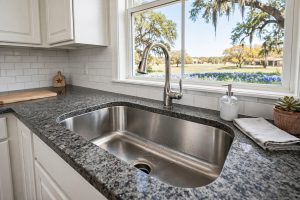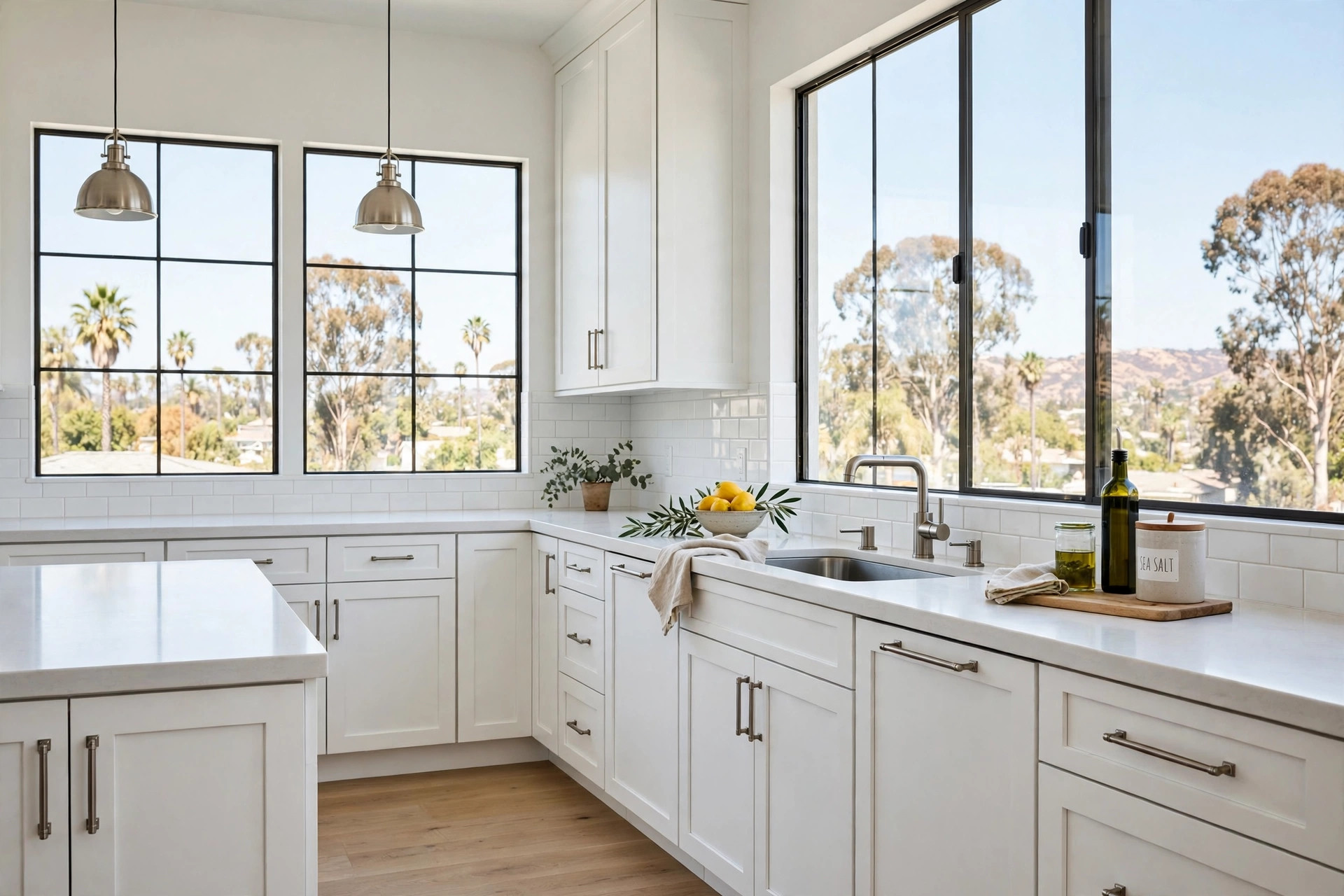

If you own a home in California, you have likely seen shaker cabinet doors. They are the doors with a flat center panel and a plain square frame. They show up in beach cottages, in ranch houses, and in new builds. The focus keyword for this guide is shaker cabinet doors california homes usa, and we will look at why this style fits so many homes in the state. The style is simple. It does not go out of date fast. It also works with many kinds of paint and stain. That is why so many homeowners pick it when they remodel a kitchen.
Why It Matters
Kitchen doors take more wear than almost any part of a home. Hands open them many times a day. Heat and steam rise from the stove. Grease lands on the fronts. A good door must hold up under this daily use and still look clean. Shaker doors do this well. Their flat center panel is easy to wipe. Their plain frame does not collect dust in deep curves the way ornate doors do. For busy families, this saves time each week.
California homes add their own demands. The state has dry heat in the south and in the central valley. It has damp fog along the coast. Wood moves when the air changes. Doors that swell or shrink can stick or show gaps. A shaker door made from stable material holds its shape better than a door with many joints and layers. This makes it a sound pick for homes from San Diego to San Francisco.
There is also the matter of style. California buyers like light, open rooms. White and pale gray paint are common on cabinets. A shaker door takes light paint well. Its clean lines suit modern farmhouse looks and plain modern looks alike. When you sell the home later, neutral shaker fronts tend to please a wide range of buyers. Realtors often say that a shaker kitchen photographs well and dates less fast than trendy styles.
How to Choose: Shaker Cabinet Doors California Homes Usa
Start with the wood. Maple is a common pick. It is hard and smooth, and it takes paint well. Oak is strong and shows more grain, which suits stained finishes. Cherry is rich and dark but costs more. Poplar is soft and cheap, and many shops use it for painted doors only. If your budget is tight, a wood veneer door or an MDF door with a shaker profile can look right at a much lower price.
Next, look at the build. A true shaker door has a frame joined at the corners and a flat panel set inside it. On cheap doors, the “shaker look” is cut from one flat board with a router. This looks fine when new, but the one-piece door can warp over time in hot kitchens. A five-piece door, with a real frame and panel, holds up better. Ask the maker which build you are buying.
Check the finish. Factory finishes last longer than paint done on site. A catalyzed lacquer or a baked finish resists steam, grease, and chips. Ask how the door was sealed on the back and edges. Good shops seal every side, because moisture gets in through bare wood. If you plan to paint the doors yourself, look for a primer made for cabinets and allow full dry time between coats. Rushing the job is the most common cause of peeling paint.
Think about the frame profile. Classic shaker doors have a square outside edge and a square inside edge. Some makers offer a slightly eased or beveled edge. The plain square cut is the most true to the style. A small bevel can soften the look and make edges less likely to chip. Either one reads as shaker from across the room.
Types and Options
Painted Shaker Doors
White is the top pick in California, and for good reason. It makes small kitchens look larger. It matches tile, stone, and steel appliances. Soft grays, pale blues, and warm whites are also common. When you pick paint, test a door in your own light. Sun through a west window changes how a color reads. The same door can look cool in the morning and warm at night.
Stained Shaker Doors
Stain shows the wood grain. It suits homes with warm wood floors and leather chairs. Oak and maple take stain in a smooth, even way. In older California ranch homes, a medium stain can keep the original feel while looking fresh. Stained doors hide small marks better than white paint, which helps in homes with kids.
Two-Tone Designs
Many California kitchens mix colors. The base cabinets may be a deep blue or gray, while the wall cabinets are white. Both use the same shaker door shape. This keeps the room tied together while adding interest. Two-tone work costs more in paint labor, so plan for it in the budget.
Flat Versus Raised Center Panels
The classic shaker panel is flat. A raised panel has a slight lift in the middle. Raised panels read as more formal and cost a bit more. Most California buyers pick the flat panel for a plain, calm look. Flat panels also clean faster because they have fewer edges.
Cost and Price
Price depends on wood, build, and finish. Simple numbers help here. A shaker door in MDF or veneer for a standard base cabinet often runs in the low tens of dollars per door. A solid maple five-piece door runs higher, often in the mid tens to low hundreds per door. Cherry and custom sizes push the price higher still.
Painting adds cost. A shop finish on new doors is part of the quote in many cases. Repainting old doors on site can cost less in materials but more in labor, because the painter must clean, sand, prime, and spray each door twice. Ask for the price per door, not just the total, so you can compare quotes.
Full sets add up. A normal California kitchen may have twenty to thirty doors and drawer fronts. Get three quotes from local shops. Ask each shop the same questions: what wood, five-piece or one-piece, what finish, how long the warranty lasts. When you shop for the rest of the kitchen, you may also want to read about quartz countertop installation options and dishwasher third rack choices, since counters and appliances shape the final look as much as the doors do. Big home stores like Home Depot and Lowe’s sell stock shaker doors and fronts, which can be a fast and low-cost route for a rental or a flip.
Care and Upkeep
Shaker doors are easy to care for, but a few habits make them last longer. Wipe grease near the stove once a week with a soft cloth and mild soap. Do not use harsh cleaners or rough pads, which dull the finish. Dry the cloth before it drips, because standing water harms wood edges.
Check the hinges once a year. Soft-close hinges keep doors from slamming, and slamming is what cracks paint at the corners. Most hinges have a small screw that adjusts the door left and right. A few turns keep the gaps even. If a door starts to stick in summer, wait before you plane it. Wood often moves back when the air dries.
Touch up chips right away. Keep a small jar of the cabinet paint. Dab it on with a fine brush and let it dry. Small chips that are left bare let in moisture, and moisture leads to swelling. For stained doors, a wax stick in a matching tone fills small nicks.
Sun is a slow enemy. Strong sun through a kitchen window can fade paint and stain over the years. A sheer curtain or a window film cuts the worst of it. This matters most in south and west facing kitchens, which are common in California.
Safety
Cabinets seem safe, but a few points matter. Heavy doors on tall cabinets need strong screws into studs, not just into drywall. A wall cabinet full of plates is heavy. If it pulls loose, it can hurt someone. Make sure the installer finds the studs.
Check paint safety if you strip old doors. Homes painted before 1978 may have lead paint. Do not sand it dry. A test kit from a hardware store tells you in minutes. If lead is present, hire a certified firm or follow the safety rules from Energy Star and federal guides on lead-safe work. The Consumer Product Safety Commission also posts plain guides on safe home work, and the federal Energy site covers safe home practices as well.
Vent the room when you paint. Open a window and use a fan. Paint fumes can give you a headache, and sprayed finishes need still more care. Wear a mask rated for paint. Keep children and pets out of the room until the paint is dry to the touch and the smell is gone.
Watch small parts. When you replace hinges or knobs, keep screws in a cup, not on the floor. A loose screw underfoot can cut a foot or get picked up by a toddler. This sounds small, but it is the kind of detail that keeps a remodel safe.
Frequently Asked Questions
Do shaker cabinet doors suit all California home styles?
They suit most of them. Shaker doors look right in ranch homes, craftsman bungalows, beach cottages, and new tract homes. They are less at home in very ornate Spanish revival kitchens, where an arched or carved door fits better. Even there, some owners use shaker doors painted in warm tones and find it works.
Are shaker doors cheaper than raised-panel doors?
In most shops, yes. The flat panel needs less machine work than a raised panel. The savings per door are small, but across a full kitchen they add up. One-piece routed shaker doors are cheaper still, though they are less stable than five-piece doors.
Can I put shaker doors on my old cabinet boxes?
Yes, in most cases. This is called refacing. You keep the boxes and add new doors and drawer fronts, plus a veneer on the frames. It costs far less than new cabinets. The boxes must be sound and square. If the boxes are weak or water-damaged, full replacement is the better path.
How long do painted shaker doors last?
With a factory finish and normal care, ten to fifteen years is common. Doors near the stove and sink wear first. On-site paint jobs last less long, often five to eight years, unless the prep work was thorough. Good cleaning habits stretch the life of any finish.
What hardware looks best with shaker doors?
Simple knobs and bar pulls suit the plain lines. Brushed nickel, matte black, and aged brass are the most common picks in California. Keep the style the same on all doors. Mixed hardware can look messy against a plain shaker front.
Should the drawer fronts match the doors?
Most designers say yes. Use the same shaker style on drawers, often with a wider rail to fit the drawer size. Matching fronts make the kitchen look planned and calm. For more on kitchen storage planning, see this kitchen pantry cabinets guide. Good design notes from The Spruce and Bob Vila also show how matching fronts tie a room together, and This Old House covers refacing in plain terms.
A Short Final Word
Shaker cabinet doors have lasted because they are honest. No fake curves, no fussy trim, just a flat panel in a clean frame. That plain look fits the California way of living: bright rooms, simple lines, and homes that work hard every day. Pick a good wood, a true five-piece build, and a strong finish. Care for the doors with mild soap and quick touch-ups. Do that, and your kitchen will look fresh for years. When you are ready to shop, compare local cabinet shops with national brands like Whirlpool, GE Appliances, and Bosch for the full kitchen picture, and read buyer tests from Consumer Reports before you spend.
References
Bob Vila. (n.d.). Home improvement advice. https://www.bobvila.com Bosch. (n.d.). Home appliances. https://www.bosch-home.com Consumer Reports. (n.d.). Product reviews and ratings. https://www.consumerreports.org ENERGY STAR. (n.d.). Energy efficient products. https://www.energystar.gov GE Appliances. (n.d.). Kitchen and home appliances. https://www.geappliances.com Lowe’s. (n.d.). Home improvement products. https://www.lowes.com The Home Depot. (n.d.). Home improvement products. https://www.homedepot.com The Spruce. (n.d.). Home and garden advice. https://www.thespruce.com This Old House. (n.d.). Home renovation guidance. https://www.thisoldhouse.com U.S. Consumer Product Safety Commission. (n.d.). Product safety information. https://www.cpsc.gov U.S. Department of Energy. (n.d.). Energy efficiency and renewable energy. https://www.energy.gov Whirlpool. (n.d.). Home appliances. https://www.whirlpool.com
Was this guide helpful?

About Michael Thompson
The My Garden US editorial team writes practical, in-depth home and garden guides for American homeowners — tested advice, no fluff.
You May Also Like
Kitchen Island Hanging Lights American Homes Guide: Styles, Sizing, and Installation
August 6, 2026 0 views
Dual Fuel Ranges Buying Guide USA: How to Choose the Right Gas and Electric Combination
March 29, 2026 0 views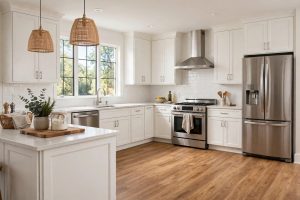
Vinyl Plank Flooring USA Online Deals: A Practical Guide
June 20, 2026 0 views