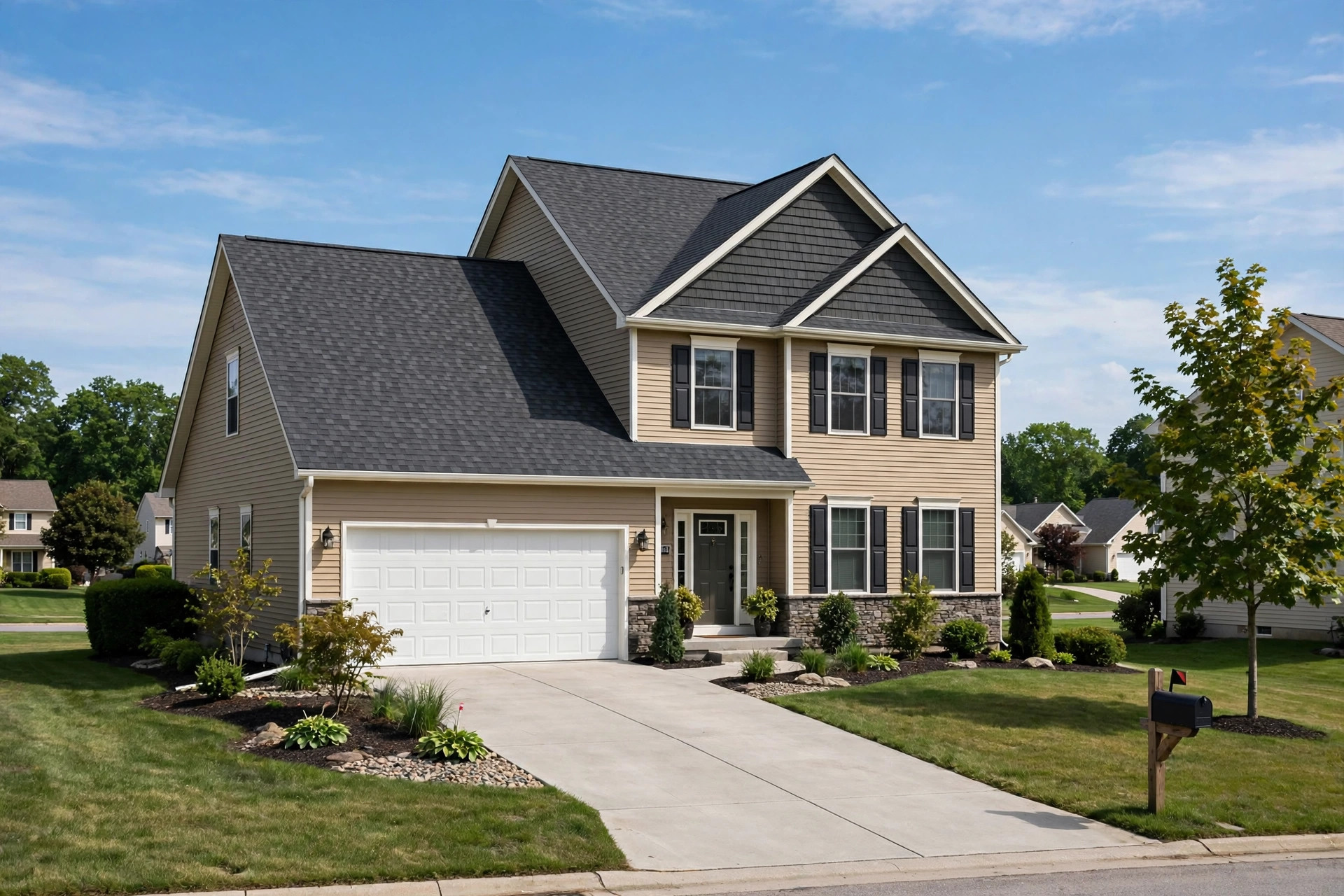
A new roof is one of the largest single expenses a homeowner will face. An asphalt shingle roofing price comparison usa shoppers rely on can make sense of the wide range of bids, materials, and labor costs found across the country. For a typical single-family home, a full roof replacement often falls between $8,000 and $16,000, though the range can stretch wider in both directions. Roofers charge by the square, a unit equal to 100 square feet of roof surface. The grade of material, labor rates in the area, the steepness of the roof, and whether the old roof must be torn off all move the final number. This guide breaks the subject into plain parts: why prices differ, what shingle types cost, how labor is figured, and how to compare bids in a fair and careful way.
Why Comparing Prices Matters
Two roofers can look at the same house and give bids that differ by several thousand dollars. That gap does not always mean one roofer is dishonest. It often means the bids describe different work. One bid may include the tear-off of the old roof, while another assumes the new shingles will be laid over the old ones. One may use a basic three-tab shingle with a 20-year warranty, while another quotes an architectural shingle with a 30-year warranty and higher wind rating.
This is why a careful asphalt shingle roofing price comparison usa homeowners can trust starts with a level playing field. Each bid should cover the same scope: tear-off or overlay, the same shingle brand and grade, the same underlayment, new flashing where needed, and disposal of old material. Without these details written down, the lowest price on paper may hide the thinnest coverage in practice.
Comparison also protects against pressure tactics. A contractor who demands a signature on the first visit or who offers a discount that expires that same day should be set aside. Three written bids from established local roofers is the standard rule, and it has held up well for decades.
What to Look For in an Asphalt Shingle Roof: Asphalt Shingle Roofing Price Comparison Usa
Price is only one part of the decision. The shingle itself carries the long-term value. Shoppers should check the warranty length, which runs from about 20 years for basic three-tab shingles to 50 years or lifetime terms for luxury grades. They should also note the wind rating, given in miles per hour. Basic shingles may be rated to 60 or 70 mph, while architectural grades commonly reach 110 or 130 mph. In storm-prone areas, that difference matters.
Algae resistance is another point worth reading on the label. Streaks and dark stains on older roofs are often caused by algae, and many mid-range shingles now include copper-lined granules to slow that growth. Weight matters too. Heavier shingles usually signal thicker mats and longer life, but some older roof decks cannot carry the heaviest grades, so the structure must be checked.
Local building codes shape the choice as well. Some cities require specific underlayment, ice and water shields in cold climates, or rated shingles in hurricane zones. A local roofer knows these rules. When shoppers read guides on top rated asphalt shingle roofing for USA homes, they get a fuller picture of how these ratings work in real conditions.
Types of Asphalt Shingles
Asphalt shingles come in three main grades. Each step up brings a longer life and a higher price.
Three-Tab Shingles
Three-tab shingles are the basic grade. They are flat, uniform in shape, and cut with three tabs per strip to create a regular pattern. Their main virtue is low cost. They suit rental properties, sheds, and homes where the owner plans to sell within a few years. The trade-off is a shorter life, usually 15 to 20 years, and lower wind resistance. Installed cost typically runs $350 to $500 per square.
Architectural (Dimensional) Shingles
Architectural shingles, also called dimensional shingles, are the most common choice in the United States today. They are thicker than three-tab shingles and have a layered, textured look that mimics wood shakes or slate. They carry longer warranties, often 25 to 30 years, and better wind ratings. Installed cost usually runs $450 to $700 per square. For most homeowners, this grade offers the best balance of cost and life span.
Luxury and Designer Shingles
Luxury shingles are the top grade. They are the thickest and heaviest, with deep shadows and rich texture that can resemble slate or cedar shake from the street. Some carry 40-year, 50-year, or lifetime warranties. They cost more to buy and more to install because of their weight. Installed cost often runs $700 to $1,100 per square. They suit homes where appearance and long life are the main goals.
Cost and Price Breakdown
Understanding how roofers build a price helps homeowners read any bid. Materials are only part of it. Labor often makes up 40 to 60 percent of the total. Here is how the parts add up for a typical 20-square roof, which is about 2,000 square feet of roof surface.
A three-tab roof on a 20-square home may cost $7,000 to $10,000 installed. An architectural shingle roof on the same home may cost $9,000 to $14,000 installed. A luxury shingle roof may cost $14,000 to $22,000 installed. These are broad ranges, and the final bid will sit somewhere inside them depending on the factors below.
Tear-off adds to the cost. Removing the old roof and hauling the debris away usually adds $100 to $150 per square. If there are two old layers, the charge rises. Some contractors offer to lay new shingles over one existing layer, which saves money but can void the warranty and add weight.
Roof pitch raises labor cost. A steep roof takes more time and more safety gear, so crews charge more per square. A complex roof with many valleys, dormers, and chimneys also costs more because each flashing point takes careful hand work.
Region matters a great deal. Labor rates in the Northeast and on the West Coast tend to run higher than in the South and Midwest. Material prices shift with fuel and factory costs, so prices quoted in one year may not hold the next. Homeowners weighing other materials sometimes check a metal roofing installation cost guide USA to see how shingles compare with metal, which costs more up front but can last twice as long.
Permits, dumpster rental, and decking repairs appear as line items on honest bids. If the crew finds rotted plywood under the old shingles, replacing it is billed per sheet, often $50 to $100 per sheet. Good bids state this rate in writing so there are no surprises.
Care and Upkeep
A well-kept asphalt shingle roof reaches its full rated life. A neglected one does not. The basic care routine is simple and can be done twice a year, in spring and in fall.
First, clear the gutters. Clogged gutters push water back under the shingles, and standing water shortens shingle life. Second, trim back tree limbs that touch or overhang the roof. Branches scrape granules off the shingles and drop leaves that hold moisture. Third, look for loose, cracked, or missing shingles from the ground with binoculars. Small problems caught early cost little to fix.
Moss and algae deserve attention in damp climates. A gentle wash with a garden hose removes most growth. Pressure washers should never be used on asphalt shingles because the high pressure strips the protective granules. Products made for roof cleaning are sold at most home centers, and roof repair and maintenance guides walk through the safe methods step by step.
Attic ventilation is the hidden factor in shingle life. A hot, poorly vented attic bakes shingles from below and can cut years off their life. Balanced intake and exhaust vents keep the attic close to outdoor temperature and reduce moisture that can rot the deck.
Safety Notes
Roof work is dangerous, and falls are a leading cause of injury in home repair. Homeowners should leave tear-offs and installations to trained crews who use harnesses and proper staging. Even a simple inspection is safer from a ladder or from the ground than from the roof surface, which can be slick with dew, moss, or loose granules.
Older homes may have roofs installed before modern safety rules. A contractor should carry liability insurance and workers compensation, and should be able to show proof on request. Uninsured crews may bid lower, but the homeowner can be held liable if a worker is hurt on the property.
Permits are another safety matter. Most cities and counties require a permit for a full roof replacement. The permit triggers an inspection that confirms the work meets code. Skipping the permit may void the manufacturer warranty and can cause trouble at resale. Manufacturer certified installers, listed by several roofing shingles and warranty programs, are trained to meet both code and warranty standards.
Frequently Asked Questions
How long do asphalt shingles last?
Three-tab shingles usually last 15 to 20 years. Architectural shingles often last 25 to 30 years. Luxury shingles can last 30 years or more. Climate, sun exposure, ventilation, and maintenance all affect the real life span. A roof in the hot Southwest sun may age faster than the same roof in a mild northern climate.
Can new shingles be installed over old ones?
In many areas, building codes allow one layer of new shingles over one existing layer. This saves the cost of tear-off, but it has drawbacks. The added weight stresses the roof deck, heat builds up between the layers, and most manufacturers reduce the warranty on overlay jobs. A full tear-off lets the roofer inspect the deck and fix problems. For a long-term home, tear-off is usually the wiser choice.
What is the difference between 3-tab and architectural shingles in price?
Three-tab shingles cost less both to buy and to install. Architectural shingles cost about 20 to 40 percent more installed, but they last longer, resist wind better, and look richer. On a typical home, the gap between the two bids may be $2,000 to $4,000. Over a 25-year life, the higher grade often proves the better value.
Should I get bids from out-of-state storm chasers after a storm?
Local roofers are the safer choice. Out-of-state crews that follow storms may offer low prices and fast starts, but they are hard to reach if the work fails later. A roofer with a local office, local references, and a history in the area can be found for warranty service. Shoppers who need help finding one can look for reliable roof replacement contractors in California as an example of how to vet local pros by region.
When is the best time of year to replace a roof?
Late spring and early fall are ideal in most of the country. Temperatures between 45 and 85 degrees help the shingle sealant bond properly. Summer work is fine but crews may charge more in peak season. Winter installs are possible in mild climates, though cold can slow the sealing process. Booking during the shoulder seasons can sometimes bring lower bids.
Do I need a permit to replace my roof?
In most places, yes. A full replacement usually requires a building permit, and the work is inspected when done. Minor repairs often do not. The contractor usually pulls the permit as part of the job. Homeowners should ask that the permit number be written on the contract.
Final Word
An asphalt shingle roofing price comparison usa homeowners can trust is not about finding the single lowest number. It is about matching the right shingle grade to the home, getting written bids that cover the same scope of work, and choosing a local roofer who stands behind the job. Prices will differ by grade, pitch, region, and the condition of the old deck. With three solid bids, clear questions about warranties and wind ratings, and attention to the details in the contract, a homeowner can sign with confidence and get a roof that lasts its full rated life.
Homeowners who want to keep learning can browse step-by-step roofing guides, check roofing materials at major retailers and home improvement stores, read home renovation guides and home advice sites, or compare siding and exterior materials when planning the full exterior.
References
Bob Vila. (n.d.). Home improvement advice. https://www.bobvila.com CertainTeed. (n.d.). Building materials and exterior products. https://www.certainteed.com Family Handyman. (n.d.). DIY home repair and maintenance. https://www.familyhandyman.com James Hardie. (n.d.). Fiber cement siding and exterior products. https://www.jameshardie.com Lowe’s. (n.d.). Home improvement products. https://www.lowes.com The Home Depot. (n.d.). Home improvement products. https://www.homedepot.com The Spruce. (n.d.). Home and garden advice. https://www.thespruce.com This Old House. (n.d.). Home renovation guidance. https://www.thisoldhouse.com
Was this guide helpful?

About Sarah Mitchell
The My Garden US editorial team writes practical, in-depth home and garden guides for American homeowners — tested advice, no fluff.