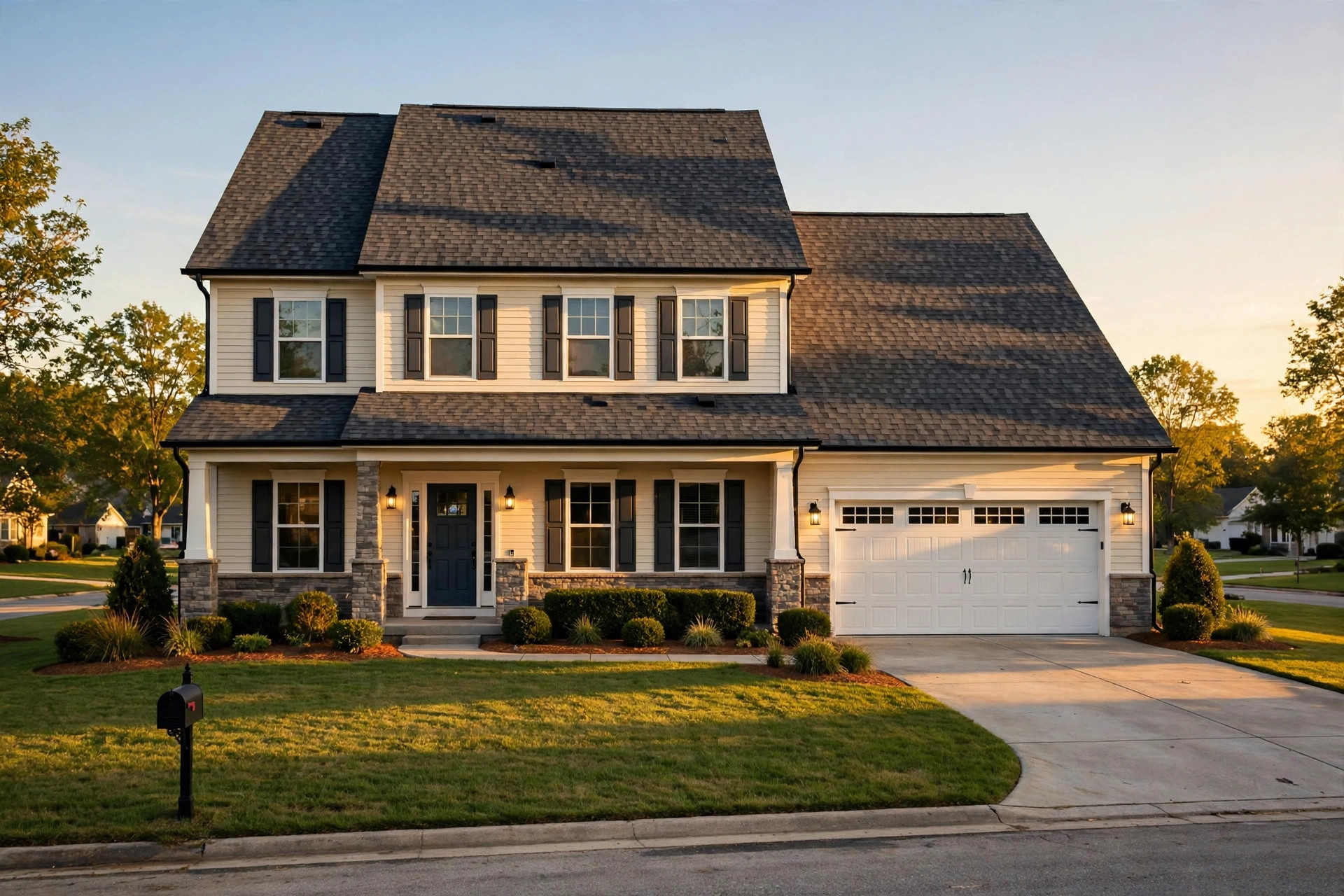
Why Asphalt Shingles Lead the American Roof
When the time comes to put a new roof on a house, most owners in the United States look at top rated asphalt shingle roofing for usa homes. It is the most common roof covering in the country. Four out of five homes with pitched roofs wear some form of asphalt shingle. The reasons are simple. The product is affordable. It is easy to find. And it suits the wood frame roofs that most American homes are built with.
The story of the asphalt shingle goes back more than a century. Early builders used felt soaked in tar. In the 1900s makers pressed that felt into cut tabs. By the 1950s the modern shingle was born, with mineral granules pressed into the surface to fight the sun. Fiberglass mats took the place of felt in the 1970s. Since then the shingle has only grown stronger. The best lines made today carry wind ratings above 110 miles per hour and algae guards that keep dark streaks off the roof.
A roof is more than shelter. It is a large part of how a home looks from the street. A top rated asphalt shingle gives a house a clean, even line. It raises curb appeal and helps at resale. It also forms the first line of defense against rain, wind, snow, and sun. A good choice here pays off for decades. A poor choice leaks early and costs twice.
What to Look For When You Choose: Top Rated Asphalt Shingle Roofing for Usa Homes
The Main Shingle Types
Three kinds of asphalt shingle sit on the shelves. Three-tab shingles are the old standby. They are flat, with three cut tabs per strip. They are the least costly. They last about 15 to 20 years. They work well on rental units and small budgets.
Architectural shingles, also called dimensional or laminate shingles, are now the standard. Two or more layers are bonded into one shingle. The result looks thick and rich. The shadow lines give the roof a crafted look. They last 25 to 30 years in most climates. Most top rated lines are architectural shingles.
Premium or designer shingles copy the look of slate or cedar shake. They are thick and heavy. They cost more and last 30 to 50 years. They suit fine homes where the roof is a design feature. For most buyers the architectural shingle hits the sweet spot between price and life.
Ratings That Matter
A top rated asphalt shingle earns its name on paper first. The ASTM ratings tell you how a shingle handles wind. Class D stands up to 90 miles per hour. Class G stands up to 120. Class H stands up to 150. Buyers in storm states should look for Class G or better. The impact rating runs from Class 1 to Class 4 under the UL 2218 test. Class 4 is the top mark. It can save on home insurance in hail states.
Fire ratings matter too. Class A is the highest. Most asphalt shingles sold today reach Class A. The algae rating, often marked AR for algae resistant, tells you the shingle has copper or zinc granules that stop the black streaks common in damp states. The warranty sets the long view. Top rated lines carry limited lifetime warranties. Some reach 50 years. Read the fine print on wind and algae coverage. They are often shorter than the main warranty.
Fit for Your Climate
The United States has many roofs under one flag. A shingle that is top rated in Arizona heat may not be the best pick for a lake home in Minnesota. In hot states, choose light colors that throw back heat. Some top rated lines carry cool roof ratings. In cold states, look for shingles with strong seal strips. Ice dams form when warm attic air melts snow at the eaves. A good shingle and a cold attic work together.
In coastal states, salt air and high wind rule the choice. Look for high wind warranties and stainless fasteners. In the humid South, algae resistant shingles pay for themselves. The black streaks that ruin a roof face are a fungus that feeds on limestone in the shingle. Copper granules starve it. Think of your weather first, then pick the rating that fits it.
Top Rated Lines and What Sets Them Apart
The market has a handful of names that come up again and again in contractor talks and buyer reviews. GAF is the largest maker. Its Timberline line is the best selling shingle in the country. It offers good wind coverage and a wide color range. CertainTeed is known for thick laminate lines like Landmark. Builders praise its color depth and long track record. Owens Corning is the maker of the famous Duration line. Its SureNail strip gives the shingle a wide nailing zone. Crews like it because it is hard to misnail. You can read more about maker ratings at CertainTeed, a maker of many top roof lines.
Tamko and IKO serve many markets with good value lines. Atlas adds a broad algae warranty on its top lines. Malarkey draws buyers who want rubberized asphalt for impact strength. Each of these makers sells good, mid, and top lines. The name on the bundle matters less than the tier you buy. A top tier shingle from a value maker often beats a base shingle from a famous name.
Color choice deserves real thought. A top rated asphalt shingle comes in 10 to 20 colors. Dark colors make a house look grounded. Light colors keep the attic cooler. Gray tones suit modern farmhouses. Brown tones suit brick. Ask your dealer for a full size sample. Hold it against your siding in daylight. Siding color sets the stage, so checking exterior product prices at a major home retailer can help you plan the whole look at once. A small chip at the store tells you little. A full shingle tells you the truth.
Cost and Price in the United States
Price is the first question for most owners. Asphalt shingles remain the low cost roof. A full tear off and new architectural shingle roof on a typical American home runs about 8,000 to 16,000 dollars in 2026. The range is wide. Roof size, pitch, layers of old roof, and local labor rates move the number. Steep roofs cost more because crews work slower on them. Two story homes cost more than one story homes.
The shingle itself is only part of the bill. The underlayment, ice and water shield, ridge caps, vents, flashing, and drip edge add up. A proper job replaces flashing at walls and chimneys. It adds ridge vent for attic air flow. These parts add 15 to 25 percent to the material cost. They also add years to the roof life. A quote that skips them is not a bargain. It is a cut corner.
Some owners weigh asphalt against other roofs. Metal roofing costs run higher up front but last longer. A metal roof can last 50 years or more. But it costs two to three times as much as shingles. For owners who plan to stay in a home for decades, the math can work. For owners who plan to sell in ten years, top rated asphalt shingles give the best return. They cost less and still lift resale value.
Get three quotes. Make sure each quote lists the shingle line by name, the underlayment type, the vent plan, and the warranty terms. Ask how the crew handles old flashing. Ask where the dumpster sits and who cleans the yard of nails. The cheapest bid is rarely the best bid. The clearest bid is.
Care and Upkeep Through the Years
A top rated roof still needs care. The good news is that the care is simple. Twice a year, look at the roof from the ground. Use binoculars. Look for lifted tabs, missing granules, and dark patches. After a hard storm, look again. Catching a lifted shingle early costs little. A leak left alone rots decking and costs much.
Keep trees trimmed back. Branches that brush the roof wear the granules off. Leaves that pile in valleys hold water. Clean the gutters each fall. Water that backs up under the eaves finds its way inside. In moss country, zinc strips at the ridge help. Rain washes zinc down the roof face. Moss does not like zinc.
Never pressure wash a shingle roof. The hard spray strips the granules. Granules are the sun shield of the shingle. Without them the asphalt bakes and cracks. If algae streaks bother you, use a soft wash with a roof safe cleaner. The algae rating on top rated lines slows the streaks for years. Guides at The Spruce and Family Handyman show soft wash methods step by step.
Ventilation is the quiet partner of roof life. A hot attic cooks shingles from below. It can cut roof life by years. Make sure soffit vents are open and ridge vents run the full ridge. Blown insulation often blocks soffit vents. Check them when you look at the roof. Balanced air flow keeps the deck cool and dry.
Safety for Roof Work
Roof work is dangerous work. Falls from roofs hurt and kill homeowners every year. If you plan to walk your own roof, think twice. Steep roofs are no place for an amateur. Wet roofs are slick as ice. If you must go up, use a proper extension ladder on firm ground. Wear soft sole shoes. Stay off the roof in wind or rain.
Hiring a pro is the safe path for most jobs. Check that the roofer carries liability insurance and workers compensation. Ask for proof. A roofer who falls on your job without coverage can become your problem. Ask for local references. Drive by two past jobs. The CPSC notes at cpsc.gov remind owners that ladder and fall injuries rise each spring. Local codes may also set rules on tear offs and disposal. Old shingles are heavy. A full tear off fills a dumpster fast.
Asbestos is a rare but real concern in old homes. Roofs put on before 1980 may hide asbestos in old flashing cement or felt. If your home is that old, have the old layers tested before the crew tears in. A lab test costs little and keeps the crew safe. Lead paint on old fascia is another watch item. A good contractor knows these risks and plans for them.
Frequently Asked Questions
How long do top rated asphalt shingles last?
Most top rated architectural shingles last 25 to 30 years in a normal climate. Premium lines can reach 40 to 50 years. Heat, poor ventilation, and harsh storms shorten the life. Good care and a cool attic stretch it. The warranty gives the maker promise, but the roof life on your house depends on your weather and your upkeep.
Are top rated shingles worth the extra cost over basic three-tab?
For most owners, yes. The price gap per square is small. The life gap is large. A top rated architectural shingle often lasts ten years longer than a three-tab. It also resists wind better and looks far better. On a roof you will look at every day, the upgrade is one of the best values in home improvement.
What color shingle is best for resale?
Neutral colors sell best. Weathered gray, charcoal, and warm brown suit the most buyers. Bold colors like bright red or green shrink the buyer pool. If you plan to sell in five years, pick a color that fits the street. If this is your forever home, pick the color you love. Your taste rules.
Can I put new shingles over the old ones?
Codes in most states allow two layers. But a tear off is the better job. It lets the crew see the deck. Rotten decking hides under old shingles. New shingles also seal better on a clean deck. A second layer adds weight and traps heat. If your budget allows, tear off. It is the practice that This Old House and most pros stand behind.
Do I need ice and water shield?
In cold states, yes. Ice dams back water under the eaves. The shield is a sticky membrane that seals around nails. Codes in snow states require it at the eaves and valleys. In warm states it is less critical but still good in valleys. It is a small cost for strong leak defense. Retailers like The Home Depot and Lowe’s stock it in the roofing aisle.
How do I find a good roofer?
Start with makers lists. GAF, CertainTeed, and Owens Corning certify contractors. Certified crews get better warranty terms. Get three written quotes. Check insurance. Read recent reviews. Ask how long the crew has worked together. A stable crew does better work than day labor. Bob Vila’s guides at bobvila.com list more vetting steps worth your time.
A Short Final Word
A roof is a long promise. Top rated asphalt shingle roofing for usa homes keeps that promise at a fair price. Pick the right type for your budget. Match the ratings to your weather. Hire a careful crew. Then care for the roof with simple yearly habits. Do these things and the roof will do its job for decades. It will keep the rain out, the heat in, and the house looking proud from the street. Few home choices pay back so well for so long.
Homeowners planning a full exterior refresh may also compare insulated vinyl siding prices and weigh vinyl replacement window options before they sign the roofing contract. James Hardie resources at jameshardie.com cover siding pairings in more depth.
References
Bob Vila. (n.d.). Home improvement advice. https://www.bobvila.com CertainTeed. (n.d.). Building materials and exterior products. https://www.certainteed.com Family Handyman. (n.d.). DIY home repair and maintenance. https://www.familyhandyman.com James Hardie. (n.d.). Fiber cement siding and exterior products. https://www.jameshardie.com Lowe’s. (n.d.). Home improvement products. https://www.lowes.com The Home Depot. (n.d.). Home improvement products. https://www.homedepot.com The Spruce. (n.d.). Home and garden advice. https://www.thespruce.com This Old House. (n.d.). Home renovation guidance. https://www.thisoldhouse.com U.S. Consumer Product Safety Commission. (n.d.). Product safety information. https://www.cpsc.gov
Was this guide helpful?

About Robert Taylor
The My Garden US editorial team writes practical, in-depth home and garden guides for American homeowners — tested advice, no fluff.