
Shoppers who search for premium exterior shutters for windows for sale want one thing. They want their home to look right. Shutters are small. They sit beside each window. Yet they change the whole face of a house. A plain home looks finished with good shutters. A tired home looks new again. This guide explains what makes shutters premium, which types exist, what they cost, and how to pick the best pair for your windows.
Why Exterior Shutters Matter
Shutters do more than decorate. On older homes they were working parts. They closed over windows to block storms. They gave shade in summer. They added safety at night. Many shutters today are fixed to the wall and never move. They still shape how a home looks. A buyer sees them from the street. They frame each window. They add color and texture.
Good shutters also protect the house. Solid shutters block hard rain from hitting glass. In hot states they cut glare. A dark room stays cooler behind closed shutters. In windy states they cut flying debris. Some insurance plans note storm shutters. Ask your agent if working shutters lower your premium.
Cheap shutters fail fast. Thin plastic warps in the sun. Paint peels in two years. Mounting screws rust and stain the siding. Premium shutters hold their shape. They keep their color. They mount with solid hardware. The difference shows from the road.
How to Choose the Right Shutters: Premium Exterior Shutters for Windows for Sale
Measure Your Windows First
Measure each window before you shop. Measure the glass opening from edge to edge. Note the height and the width. Real shutters match half the window width. Two shutters, one on each side, should look like they could close and cover the glass. This rule comes from old working shutters. It keeps the look honest.
Measure the trim too. Note how much space sits beside the window. Small windows need narrow shutters. Wide windows need wide ones. If you have brick or stone, check the mortar joints. You will drill into them, not into the stone.
Write down every measure. Take a photo of each window with a tape in frame. This helps when you order online. Many returns happen because of wrong sizes.
Match Your Home Style
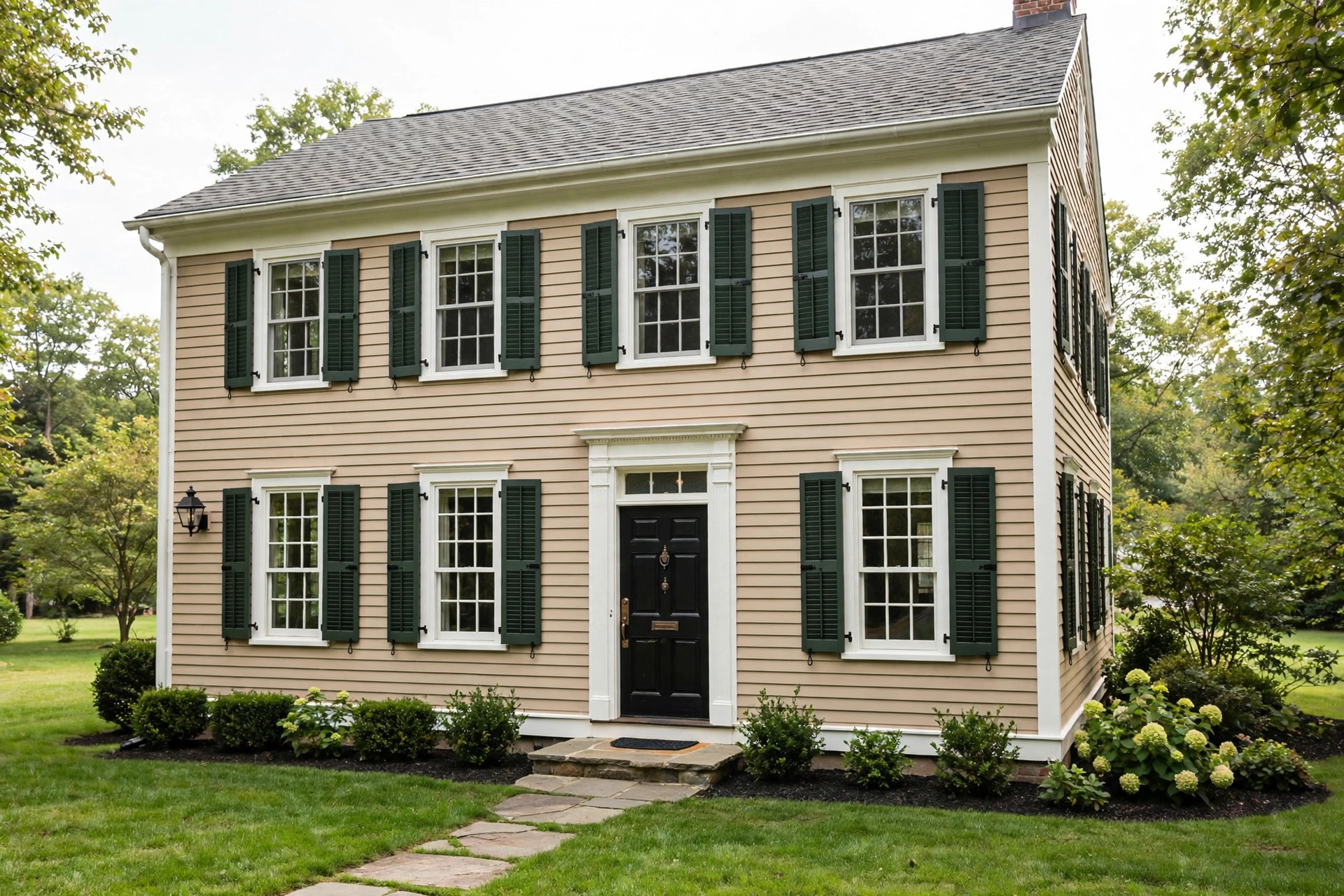
Colonial homes wear louvered shutters best. The slats fit the plain, balanced lines of the house. Farmhouses take board and batten shutters. The rough boards match the simple style. Southern homes often use Bahama shutters. They prop open over the window like an awning. Tudor and brick homes take raised panel shutters. The deep panels echo heavy trim.
Color matters as much as style. Shutters should contrast with the siding. White siding pairs with black, navy, or deep green shutters. Gray siding pairs with charcoal or slate blue. Brick homes pair with forest green or black. Stay away from matching the trim exactly. Shutters should stand out a little. A classic rule: shutters match the front door color. It ties the house together.
Pick the Material
Premium shutters come in wood, composite, fiberglass, and heavy vinyl. Each has strengths.
Wood shutters are the classic choice. Cedar and redwood resist rot. They take paint well. They feel solid in the hand. They cost more. They need paint every few years.
Composite shutters mix wood fiber and resin. They look like wood. They resist water and insects. They hold paint longer than plain wood. They cost less than cedar.
Fiberglass shutters are strong and light. They do not warp. They do not crack in heat. They cost more than vinyl. They suit hot, sunny states.
Heavy vinyl shutters are the budget pick. Cheap vinyl is thin and fades. Premium vinyl is thick, with deep color molded in. It never needs paint. It suits renters and tight budgets.
Types of Exterior Shutters
Louvered Shutters
Louvered shutters have angled slats. Air flows through them. Light passes in soft lines. They are the most common style in America. They fit colonial, cape cod, and ranch homes. Premium versions have fixed or working slats. Working slats open and close with a small bar. Fixed slats stay still. Both look good from the street.
Raised Panel Shutters
Raised panel shutters have flat panels with raised centers. They look formal. They fit brick and stone homes. They suit Federal and Georgian styles. Premium panels have deep molding lines. They cast real shadows. Cheap panels are flat and dull.
Board and Batten Shutters
Board and batten shutters use vertical boards. Cross bars hold them together. They look rustic. They fit farmhouses, cabins, and country homes. Premium versions use real wood or thick composite. The boards should be straight and even.
Bahama and Bermuda Shutters
Bahama shutters mount above the window. They prop open at an angle. They shade the glass like an awning. They are common in Florida and the Gulf states. They give strong storm protection when closed. Bermuda shutters are similar but wider. They suit ranch and coastal homes.
What Premium Quality Means
Premium is not a brand name. It is a set of marks you can check.
First, check the thickness. Premium shutters are thick. Wood shutters run one inch or more. Vinyl shutters have deep rails and stiles. Thin shutters flex when you hold them. Thick ones stay stiff.
Second, check the finish. Premium shutters have smooth, even paint or stain. Edges are sealed. End grain on wood is capped. Cheap shutters have rough backs and bare edges. Water enters there and rot follows.
Third, check the hardware. Premium shutters ship with metal hinges and latches. The screws resist rust. Cheap shutters use plastic clips. Plastic clips break in sun and cold.
Fourth, check the warranty. Premium makers give ten years or more. Some give lifetime cover against warp and fade. Cheap shutters give one year or none.
When you shop for premium exterior shutters for windows for sale, read the product specs. Look for words like kiln dried, marine grade, or UV stable. These words mean real testing stands behind the product. Home improvement retailers like Home Depot and Lowe’s list full specs online. Read them before you buy.
Cost and Price Guide
Prices vary by size, material, and brand. These are rough ranges for a standard pair.
Basic vinyl shutters cost 30 to 60 dollars per pair. They are thin. They fade in three to five years. They suit rentals.
Premium vinyl shutters cost 70 to 150 dollars per pair. They are thick. The color runs through the plastic. They carry long warranties.
Composite shutters cost 150 to 350 dollars per pair. They look like wood. They resist water and bugs.
Wood shutters cost 200 to 600 dollars per pair. Cedar costs more than pine. Custom sizes cost more still.
Fiberglass shutters cost 300 to 700 dollars per pair. They last decades. They suit harsh sun.
Custom shutters cost more. Odd sizes, arches, and special colors add to the bill. Custom work often runs 500 to 1,200 dollars per pair. Get three quotes before you order custom.
Labor adds cost too. A handy owner can mount fixed shutters in an hour. Working shutters take longer. Hiring a pro adds 50 to 150 dollars per window. Prices vary by state.
Installation Basics
Most fixed shutters mount with screws. Hold the shutter beside the window. Check the level. Mark the holes. Drill pilot holes. Drive screws into the siding or trim. For brick, drill into mortar with masonry bits. Use anchors made for brick.
Leave a small gap at the edges. Wood moves with heat and moisture. A tight fit will bind. A quarter inch gap is enough.
Working shutters need hinges on one side and a latch on the other. Mount the hinges on the trim. Hang the shutter. Check that it swings free. Mount the shutter dog or latch at the right height. Test the close. The shutters should meet in the middle without gaps.
Paint touch up matters. Cover screw heads with paint. Seal any bare wood. Water finds every open spot. Home care guides from the Family Handyman show step by step photos of the whole job.
Care and Upkeep
Shutters need little care, but they need some.
Wash them once a year. Use a garden hose and mild soap. A soft brush takes off dirt. Rinse well. This stops grime from eating the finish.
Check the mounts each spring. Tighten loose screws. Replace rusted screws with stainless ones. Check caulk around the mounts. Old caulk lets water in.
Repaint wood shutters every three to five years. Scrape loose paint first. Sand smooth. Prime bare wood. Use exterior paint made for wood. Two thin coats beat one thick coat.
Vinyl and composite shutters need no paint. They need only washing. Check for cracks after hard storms. Replace broken slats before water gets in.
Trim bushes back from the shutters. Wet leaves press against wood and hold moisture. A six inch gap lets air flow and keeps wood dry.
Safety
Shutters are safe when mounted well. Poor mounts are the main risk. A loose shutter becomes a sail in wind. Use the right anchors for your wall. Brick needs masonry anchors. Siding needs screws into studs or solid backing. Follow the maker sheet.
Working storm shutters add real safety in hurricane states. They cover the glass before a storm. This stops debris from breaking in. They are not a guess. They are rated parts. Look for storm rated labels.
Use safe tools. A ladder on firm ground matters. Have a helper hold the shutter while you drill. Wear eye cover when drilling brick. Dust from old paint may hold lead. Test old paint before you scrape. Keep kids clear of the work area.
Good light helps too. Pair shutters with proper fixtures. Many owners add low maintenance outdoor wall lanterns beside the door to light the entry at night.
Frequently Asked Questions
Should shutters be the same color as the front door? Many designers say yes. Matching the door ties the house together. It is a safe, classic choice. You can also pick a shade one step darker than the door. Avoid more than two strong colors on the front of the house.
Do shutters add value to a home? They add curb appeal. Curb appeal helps a sale. Buyers notice a well kept front. Shutters alone will not raise an appraisal much. But a shabby front can lower offers. Good shutters remove that risk.
Can I install shutters on brick? Yes. Drill into the mortar joints with a masonry bit. Use masonry anchors. Do not drill into the brick face. Brick cracks. Mortar can be patched. Mark your holes with care before you drill.
How wide should each shutter be? Each shutter should be half the window width. The pair should look able to close over the glass. This is the old rule from working shutters. Even fixed shutters look better when they follow it.
What is the best material for hot sunny states? Fiberglass and premium vinyl do best in strong sun. Wood needs paint often in heat. Composite holds up well too. Look for UV stable ratings in the specs. Deep colors fade faster than light ones.
Do shutters need to be functional? No. Most shutters sold today are fixed decoration. They never move. Working shutters cost more and need more care. Pick working shutters only if you want storm cover or the old look. For most homes, fixed shutters are fine.
A Final Word
Premium exterior shutters for windows for sale are easy to find. Good ones are harder. Measure well. Pick the style that fits your home. Buy thick, well finished shutters with solid hardware. Mount them with care. Wash them once a year. They will frame your windows for decades.
Look at the whole front of the house as one picture. Shutters, trim, siding, and lights work together. Home decor sites like The Spruce and HGTV show how color pairs change a facade. Exterior paint advice from Bob Vila helps you pick a finish that lasts. For shade and energy facts, the U.S. Department of Energy explains how window coverings cut heat gain.
Pair your shutters with other exterior upgrades for the best result. Top rated exterior trim replacement reviews help you pick crisp new trim. Best cedar shake siding for southern states shows a siding style that pairs well with dark shutters. Siding makers like James Hardie and CertainTeed offer color tools to test pairs before you buy. Project guides from This Old House walk through full exterior makeovers step by step.
Related guides on this site include insulated vinyl siding price comparison usa.
References
Bob Vila. (n.d.). Home improvement advice. https://www.bobvila.com CertainTeed. (n.d.). Building materials and exterior products. https://www.certainteed.com Family Handyman. (n.d.). DIY home repair and maintenance. https://www.familyhandyman.com HGTV. (n.d.). Home and garden ideas. https://www.hgtv.com James Hardie. (n.d.). Fiber cement siding and exterior products. https://www.jameshardie.com Lowe’s. (n.d.). Home improvement products. https://www.lowes.com The Home Depot. (n.d.). Home improvement products. https://www.homedepot.com The Spruce. (n.d.). Home and garden advice. https://www.thespruce.com This Old House. (n.d.). Home renovation guidance. https://www.thisoldhouse.com U.S. Department of Energy. (n.d.). Energy efficiency and renewable energy. https://www.energy.gov
Was this guide helpful?

About Michael Thompson
The My Garden US editorial team writes practical, in-depth home and garden guides for American homeowners — tested advice, no fluff.
You May Also Like
Energy Efficient Exterior Stair Railings With Free Shipping: A Complete Guide
March 4, 2026 0 views
Top Rated Pergola Installation Kits with Free Shipping
August 7, 2026 0 views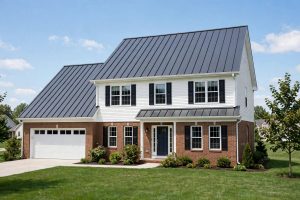
The Best Metal Roofing Installation for Homeowners: A Plain-Speaking Guide
April 18, 2026 0 views