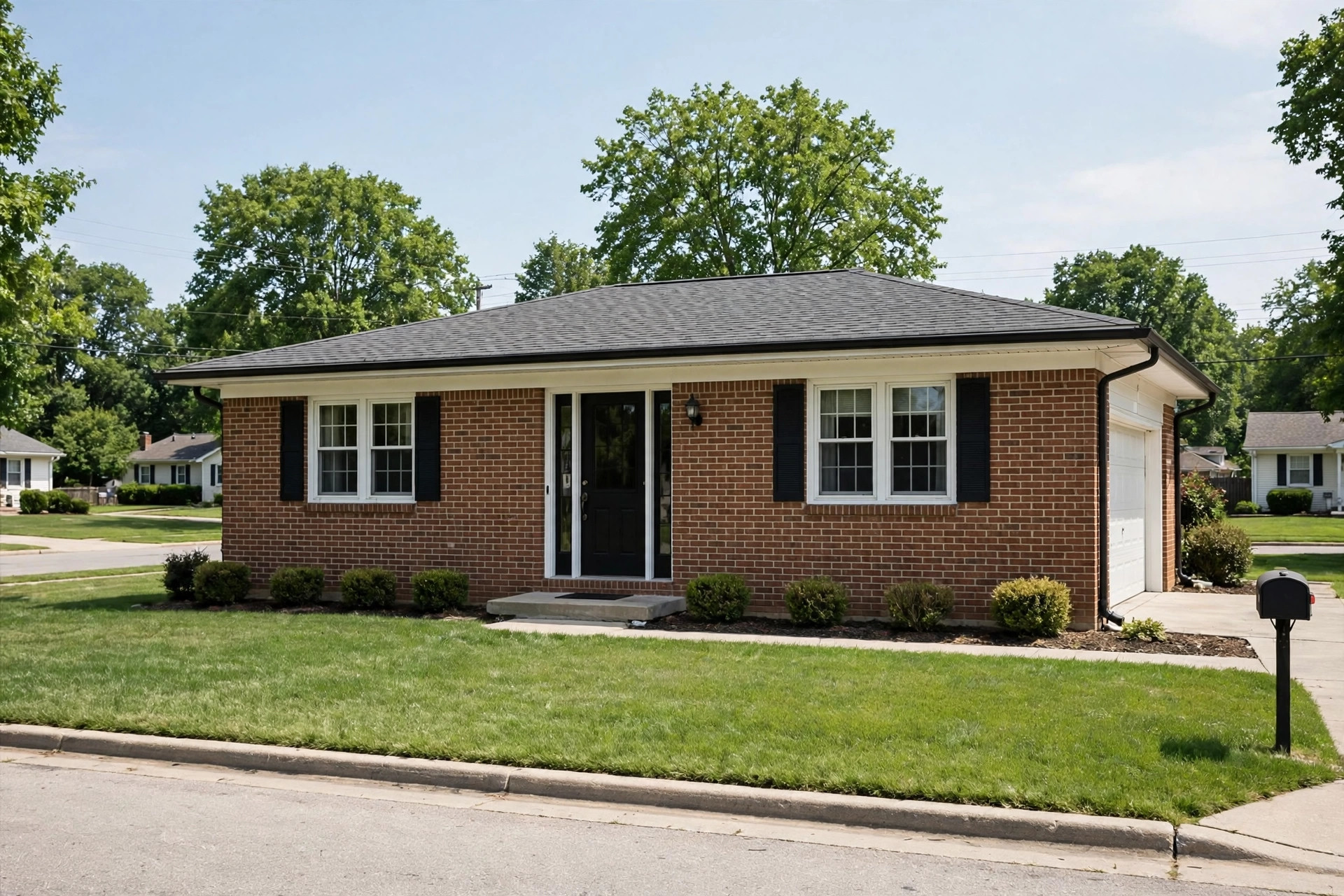

Many homeowners in the Midwest love the look of brick. It feels solid. It feels warm. It fits the farmhouse and the ranch style found all across Ohio, Illinois, Iowa, and Wisconsin. The trouble is that real brick costs a great deal of money. That is why budget friendly brick veneer siding for midwest homes has grown so popular. It gives the same classic look at a much lower price. It weighs far less than full brick. It can go up over wood, concrete block, or old siding. For a homeowner on a budget, it is one of the smartest ways to change the face of a house.
This guide walks through what brick veneer is, how to choose it, what it costs, and how to keep it in good shape through hard Midwest winters.
Why Midwest Homes Love the Brick Look
The Midwest has a long love affair with brick. Old factories, barns, and main streets across the region were built of it. A brick front gives a house a sense of age and strength. It tells the neighbors that the home was built to last.
Full brick has real limits, though. It is heavy. A full brick wall needs a deep footing to hold it up. Adding full brick to an existing home often means new footings, and that work costs thousands. Full brick also takes skilled masons and many days of labor. Brick veneer solves these problems. The thin pieces look like brick, but they are only a fraction of the weight. Most homes need no new footing at all.
Weather is the other reason veneer suits this region. Midwest winters bring freeze and thaw cycles. Water gets into small cracks, freezes, expands, and makes the cracks bigger. Thin brick veneer made today is fired at high heat and sealed well. When it is installed with the right mortar and drainage, it stands up to snow, ice, and wind year after year.
What Brick Veneer Actually Is: Budget Friendly Brick Veneer Siding for Midwest Homes
Thin brick veneer
Thin brick veneer is real clay brick cut thin. A full brick is about three and a half inches deep. Thin brick is only about half an inch to one inch deep. It has the same face, the same color range, and the same texture as full brick because it comes from the same kilns. It is set in mortar or adhesive over a wall, just like tile. From the street, no one can tell the difference.
Faux brick panels
Faux panels are a cheaper option still. They are sheets made of polyurethane or high density foam with a brick pattern printed or molded into them. They weigh almost nothing and go up with screws and glue. They look fair from a distance. Up close, they do not have the depth and feel of real clay. They also fade in strong sun over time.
Which type suits a budget
For most Midwest homeowners, thin clay brick veneer is the best middle ground. It costs more than foam panels but far less than full brick. It is real brick, so it ages like brick. It adds real value to the home. Foam panels suit a small accent wall or a covered porch where they stay out of harsh weather.
How to Choose on a Tight Budget
Match the brick to your home style
Ranch homes look best with long, flat bricks in red or brown tones. Farmhouses take classic red brick or whitewashed brick well. Bungalows in city neighborhoods often suit darker brick with warm mortar. Drive through your town and note which brick homes catch your eye. Your eye is a fine guide.
Check the climate rating
Not all thin brick suits cold climates. Ask the seller for the absorption rating. Bricks that absorb little water resist freeze damage best. Look for bricks rated for severe weather. This one detail decides whether your veneer lasts twenty years or fifty.
Compare panel systems and loose brick
Thin brick comes in two forms. Loose thin brick is set by hand in mortar, one piece at a time. This is slow but gives a hand laid look. Panel systems hold thin brick in a backing sheet with mortar joints built in. Panels go up fast and cut labor cost. Many guides to vinyl siding installation costs show the same lesson: labor is the biggest part of the bill, so faster systems save real money.
Think about insulation behind the veneer
A bare wall with brick veneer looks good, but it does little for heat loss. Adding a layer of rigid foam insulation behind the veneer helps a great deal in a Midwest winter. The foam cuts drafts and lowers heating bills. It adds to the upfront cost, but it pays back every winter. The federal guidance on energy-efficient home products explains how continuous insulation works and what ratings to look for.
Get three bids
Prices vary widely from one contractor to another. Get at least three written bids. Make sure each bid lists the same work: surface prep, weather barrier, insulation if any, brick type, mortar type, and cleanup. A bid that leaves out prep work is not really cheaper.
Types and Options on the Market
Natural thin clay brick
This is the top pick for looks and life span. Colors run from classic red to buff, gray, brown, and whitewashed. Mortar color changes the look as much as the brick itself. A light mortar with dark brick gives a crisp, modern feel. A matching mortar gives a soft, old world look.
Concrete brick veneer
Concrete veneer is cast from molds taken from real brick. It costs less than clay and comes in many colors. It is heavier than thin clay but still far lighter than full brick. In freeze thaw zones it needs good sealing, so ask about the product warranty for cold climates.
Reclaimed look brick
Some makers sell thin brick made to look old and worn. The faces are tumbled or chipped on purpose. This style suits old farmhouses and historic districts. It costs a bit more than plain brick, but it can make a 1970s ranch look a century old.
Accent areas to save money
You do not have to cover the whole house. Many homeowners put brick veneer on the front only and use a cheaper siding on the sides and back. A brick wainscot, which covers just the lower three feet of the wall, costs little and adds great curb appeal. Porch columns and chimney faces are other smart accent spots. For general home exterior ideas, magazines and TV shows often feature these partial brick treatments.
Cost and Price
Here is the honest truth about money. Thin brick veneer installed by a pro in the Midwest usually runs between twelve and twenty five dollars per square foot. A full house of two thousand square feet of wall can run twenty four thousand to fifty thousand dollars. That is real money, but full brick often runs double.
Loose thin brick material alone runs about four to eight dollars per square foot. Panel systems run about six to ten dollars per square foot. Mortar, weather barrier, and trim add more. Labor is often half the total. Doing a small accent wall yourself can cut the bill sharply, but a whole house is a job for pros.
Ways to keep the price down:
– Cover the front only and use fiber cement siding on the other walls. Fiber cement is tough, holds paint well, and costs much less per square foot. – Choose panel systems to cut labor hours. – Buy brick from a local yard instead of ordering rare colors from far away. Freight on brick is costly. – Do the prep and cleanup yourself. Stripping old siding and hauling trash are jobs most homeowners can do. – Time the job for late spring. Contractors are less busy than in peak summer, and prices can be kinder.
If the bids still run too high, compare with other siding paths. A good vinyl siding cost guide will show that vinyl runs far cheaper, though it will never look like brick. Some homeowners also weigh cedar shake siding options, though cedar suits warmer states better than the freeze thaw Midwest.
Installation Basics
A sound install has clear steps. First, the wall gets a weather barrier, a special paper or wrap that keeps water out but lets vapor escape. Next comes flashing around windows and doors to steer water away. Then, if you chose it, the rigid foam insulation goes on. A metal lath or mesh layer follows to give the mortar something to grip. Then the thin brick is set, joints are filled, and the mortar is tooled smooth.
Two details matter most. First, a drainage gap. Some systems hold the brick slightly off the wall so water can drain down and out. Second, expansion joints. Long walls need small gaps filled with caulk so the brick can move a little with heat and cold without cracking. Ask your contractor about both before work starts. Step by step installation guidance from old house experts covers these details with clear photos.
Most whole house jobs take two to four weeks. Weather can slow things down. Mortar does not set well below forty degrees, so plan the work for the warm months.
Care and Upkeep
Brick veneer asks little, but it is not care free. Wash it once a year with a garden hose and a soft brush. Do not use a high pressure washer close up. It can blast mortar out of the joints. A mild soap and water mix takes off most dirt and green growth.
Check the mortar joints each spring. Look for cracks, loose pieces, or white powder on the brick face. The white powder is called efflorescence. It is salt drawn out of the mortar and it usually washes away. Cracks wider than a pencil lead need a mason to repoint them. Care tips from home editors remind owners to check caulk around windows too, since failed caulk lets water behind the veneer.
Keep sprinklers and downspouts from soaking the brick. Constant water is the enemy. Make sure gutters drain away from the walls. Trim bushes back so air can move around the wall and dry it after rain.
If a few bricks crack or pop loose, a mason can cut them out and set new ones. This is a small repair and it keeps the wall sound. For other wall types, repair tips for stucco exteriors follow much the same logic: fix small damage fast before water gets in.
Safety
Brick work is heavy and dusty. If you do any of the work yourself, wear a dust mask when cutting brick. The dust harms lungs. Wear safety glasses. Mortar mix is harsh on skin, so wear gloves and long sleeves.
Check local codes before you start. Some towns require a permit for new siding. Some historic districts limit what you can put on the front of a house. A quick call to the building office saves trouble later.
On a ladder, keep three points of contact and never reach too far to the side. Mortar and brick are heavy to carry up a ladder, so use a helper or a lift. DIY safety tips cover ladder and cutting tool basics well.
Frequently Asked Questions
How long does thin brick veneer last?
With a good install, thin clay brick veneer lasts fifty years or more. The brick itself barely wears. Mortar joints may need repointing after twenty five to thirty years in harsh climates. Foam panels last far less, often ten to fifteen years before they fade or crack.
Can brick veneer go over my old siding?
Often yes. Many systems install right over old wood or vinyl siding if the wall is sound and flat. The old siding must be firm, with no rot. Your contractor should strip a test area to check the wall beneath. Rotted sheathing must be fixed first.
Does brick veneer add insulation value?
Thin brick adds very little insulation by itself. The real gain comes from the rigid foam board installed behind it. Together, the system can raise the wall rating by a useful amount and cut heating bills in a cold winter. Ask your contractor what total rating the wall assembly will reach.
Will it raise my home value?
A brick front usually helps resale in the Midwest, where buyers trust brick. Appraisers count quality veneer as a real upgrade. You may not get back every dollar, but the curb appeal often helps a home sell faster. Partial brick fronts give the best return for the money spent.
Can I install it myself?
A small accent wall or a porch column is a fair weekend project for a handy homeowner. Project guides walk through small masonry jobs step by step. A whole house is different. It needs scaffolding, fast mortar work, and an eye for straight courses. Most homeowners hire this out.
How do I clean green algae off the brick?
Mix a mild oxygen bleach cleaner with water and brush it on with a soft brush. Let it sit, then rinse with a garden hose. Do not use chlorine bleach. It can stain the mortar and harm plants. For supplies and cleaners, the big home improvement stores stock masonry safe products, and another major retailer carries the brushes and buckets you will need.
A Final Word
Budget friendly brick veneer siding for midwest homes is a sound middle path. It gives the classic brick look that suits this region. It costs far less than full brick. It stands up to hard winters when installed right. Pick a cold rated brick, get three bids, add insulation behind it, and keep up with small yearly care. Do that, and your home will wear its brick face with pride for decades.
References
Bob Vila. (n.d.). Home improvement advice. https://www.bobvila.com CertainTeed. (n.d.). Building materials and exterior products. https://www.certainteed.com ENERGY STAR. (n.d.). Energy efficient products. https://www.energystar.gov Family Handyman. (n.d.). DIY home repair and maintenance. https://www.familyhandyman.com HGTV. (n.d.). Home and garden ideas. https://www.hgtv.com James Hardie. (n.d.). Fiber cement siding and exterior products. https://www.jameshardie.com Lowe’s. (n.d.). Home improvement products. https://www.lowes.com The Home Depot. (n.d.). Home improvement products. https://www.homedepot.com The Spruce. (n.d.). Home and garden advice. https://www.thespruce.com This Old House. (n.d.). Home renovation guidance. https://www.thisoldhouse.com
Was this guide helpful?

About Sarah Mitchell
The My Garden US editorial team writes practical, in-depth home and garden guides for American homeowners — tested advice, no fluff.
You May Also Like
Best Deck Building Contractors Near Me: How to Choose the Right Deck Builder
March 11, 2026 0 views
Affordable Basement Waterproofing Services Near Me: A Homeowner Guide
June 14, 2026 0 views
Premium House Number Plaques for Cold Climates
March 2, 2026 0 views