
Introduction
Many homeowners are surprised to learn that reliable basement waterproofing services in arizona are in real demand. Arizona is known for dry heat and clear skies. Yet the desert brings its own water problems. Monsoon storms can dump months of rain in a single afternoon. Hard ground cannot soak it up fast enough. Water runs toward foundations, pools against walls, and finds its way inside.
A wet basement is more than a nuisance. Damp walls feed mold. Standing water rots wood framing. Moisture weakens concrete over time. Repairs grow more costly the longer they wait. This guide explains why basements in Arizona get wet, what reliable contractors do about it, and how to choose one with care. With the right help, a basement can stay dry for decades.
Why Basement Waterproofing Matters in Arizona: Reliable Basement Waterproofing Services in Arizona
Arizona homes sit on hard, dry soil for most of the year. Then the monsoon season arrives, usually from June through September. Short, heavy storms hit the desert floor. The ground bakes hard in the heat and cannot absorb water quickly. Rain runs off instead of soaking in. It collects against house foundations.
Underground, the story is similar. Many Arizona soils contain clay that swells when wet and shrinks when dry. This movement pushes against basement walls. Small cracks open. Water slips through. Even a hairline crack can let in a steady trickle during a storm.
Heat adds another twist. Air conditioning cools the inside of a home while the outside air stays hot and humid after a storm. Moisture can condense on cool basement walls, the way sweat forms on a cold glass. Over time, this damp film feeds mildew and musty smells. Good waterproofing keeps the wall dry on both sides.
Homeowners in Phoenix, Tucson, Mesa, and Scottsdale often assume basements are rare in the state. Many older homes and hillside homes do have them. Walkout basements are common in the foothills. These lower levels are the most exposed to runoff and need the most care.
Common Basement Water Problems in the Desert Southwest
Storm Runoff and Poor Drainage
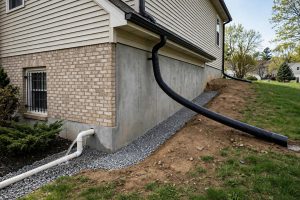
Most basement leaks in Arizona trace back to water that never got away from the house. Roof gutters dump water at the base of a wall. Sloped yards direct rain toward the foundation. Concrete patios tilt the wrong way. During a monsoon burst, all of this water arrives at once and seeks the lowest point. That point is often the basement.
A reliable contractor starts outside. The grade of the soil around the home should slope away from the walls. Downspouts should carry water at least six feet from the foundation. Simple fixes like these can stop a leak before any major work is needed.
Cracks in Walls and Floors
Concrete moves. Heat, soil pressure, and settling all pull at basement walls. Cracks form along mortar joints and across poured walls. Some cracks are harmless. Others are open paths for water. A crack wider than a credit card, or one that leaks after a storm, needs repair.
Cracks also let in soil gas and pests. A sealed crack closes off more than water. If you are weighing repair costs, a foundation crack repair cost guide can help you see what patching and sealing usually run before you call for quotes.
Interior Humidity and Condensation
Not all basement moisture comes through the walls. Some of it comes from the air. After summer storms, outdoor humidity spikes. Warm air enters the basement through vents and doorways. It touches cool concrete and turns to water droplets. A musty smell, damp boxes, or rusted tools are signs of this slow problem.
Ventilation, a good dehumidifier, and sealed walls together solve it. A contractor who only treats leaks and ignores humidity has only done half the job.
What to Look for in a Reliable Waterproofing Company
Choosing the right company matters more than choosing the right method. A good method in bad hands still fails. Here is what to check.
A license and local experience. Arizona requires contractors to hold a license from the state registrar. Ask for the license number and look it up. Look for a company that has worked in your city for several years. Local firms know Arizona soils and monsoon patterns.
A written inspection. A reliable company sends a trained inspector, not just a sales person. The inspector walks the whole basement, checks the outside grade, and looks at gutters and downspouts. The report should name the cause of the water, not just quote a price.
Clear pricing in writing. The bid should list each task, each material, and the total cost. Watch for vague line items like “miscellaneous waterproofing.” Honest firms explain what each charge covers. Retail price guides from places like Home Depot and Lowe’s can help you judge whether material costs in a bid look fair.
A real warranty. Waterproofing should carry a written warranty, often ten years or longer for major systems. Read the fine print. A strong warranty covers both materials and labor. It should be transferable if you sell the home.
Good reviews and references. Ask for three local references and call them. Ask whether the basement stayed dry through a monsoon season. Online reviews help, but a direct call tells you more.
No pressure sales. Be wary of anyone who demands a deposit on the spot or claims the price expires today. A reliable firm gives you time to decide. Trustworthy advice on hiring contractors appears in many This Old House home repair guides, which stress written contracts and staged payments.
Types of Basement Waterproofing Methods
Contractors use three broad methods. The right choice depends on where the water comes from.
Interior Drainage Systems
Interior systems catch water that gets in and move it out. A channel is cut around the inside edge of the basement floor. A drain pipe sits in gravel and carries water to a sump pump. The pump sends it outside, far from the house.
Interior drains do not stop water from entering the wall. They manage it. They work well in finished basements where digging outside is not practical. They cost less than exterior work and take a few days to install.
Exterior Waterproofing
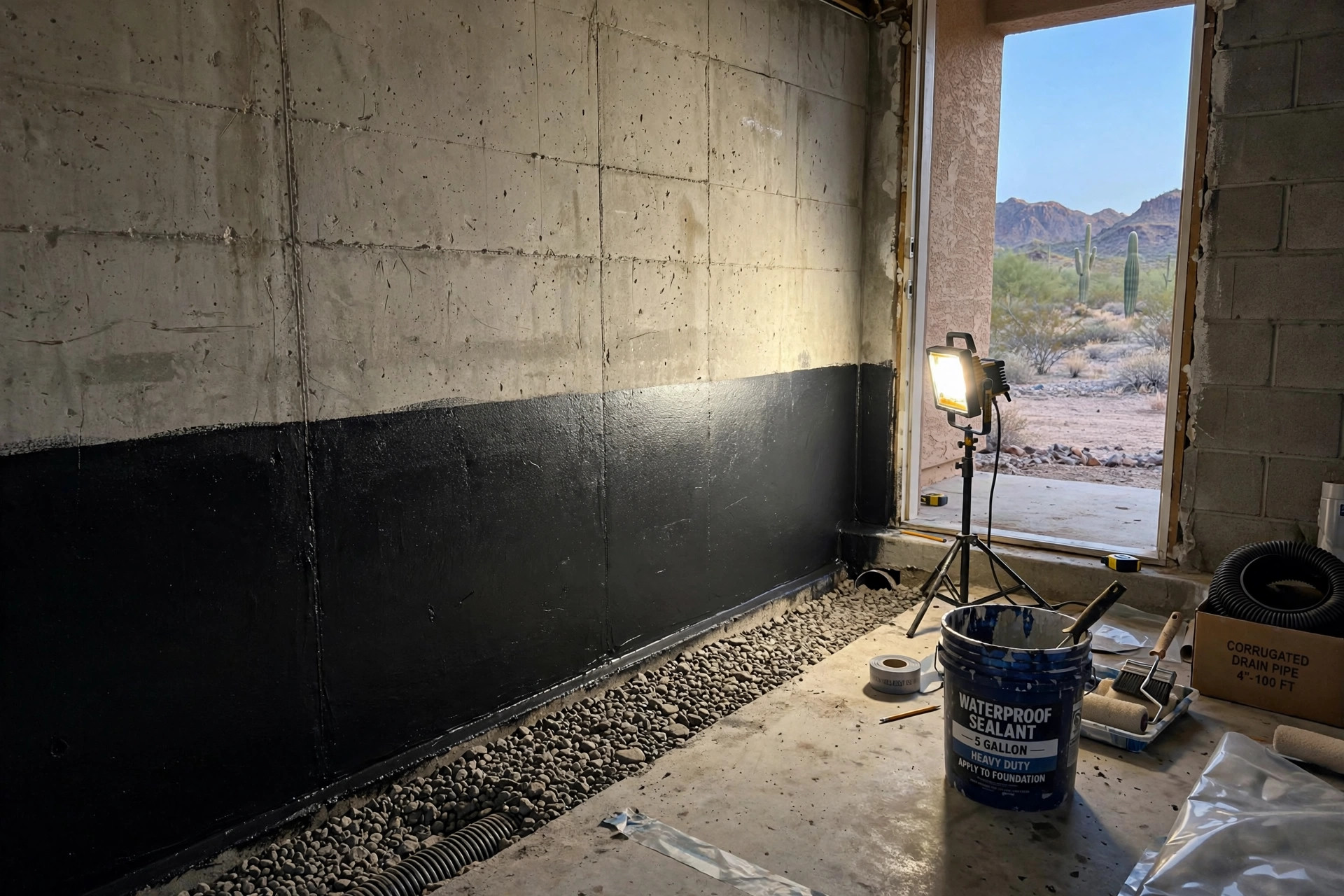
Exterior work stops water before it reaches the wall. Crews dig down to the footing, clean the wall, seal cracks, and apply a waterproof coating or membrane. A new drain pipe goes in at the base, wrapped in gravel and fabric. The soil is put back, and the grade is fixed.
This is the most complete fix. It is also the most costly and the most disruptive. Landscaping must be removed and replaced. Still, for homes with repeated leaks, it is often the only lasting answer. Exterior wall coatings and membranes from makers like CertainTeed are common in professional jobs.
Sealants and Crack Injection
For small, single cracks, a contractor may inject epoxy or polyurethane foam into the crack. The material fills the gap and hardens. It bonds the concrete back together. This is a spot repair, not a whole system. It works when the rest of the basement is dry and only one crack leaks.
Surface sealants painted on the inside wall can slow minor dampness. They are not a fix for real leaks. A paint coat cannot hold back water under pressure. Use sealants as a helper, not as the main defense. Step by step repair methods are explained well in Family Handyman articles on sealing basement cracks.
Cost and Price Guide for Arizona
Prices vary with the size of the basement, the method, and the city. These ranges reflect typical Arizona jobs.
Crack injection. A single crack repair usually costs between 300 and 800 dollars. Most small leaks fall in this range.
Interior drainage system. A full interior drain with a sump pump often costs between 3,000 and 7,000 dollars for an average home. Larger basements cost more.
Exterior waterproofing. Full exterior work is the most costly, often between 8,000 and 20,000 dollars. Deep digging, hard soil, and landscaping repair raise the price. Hillside homes in the foothills may run higher still.
Sump pump alone. A new sump pump, installed, usually costs between 500 and 1,200 dollars. A battery backup adds a few hundred more and is worth it in storm country.
Get at least three written bids. Make sure each bid covers the same scope so you can compare fairly. Ask each company what happens if the quoted price changes mid-job. A firm bid protects you from surprise charges.
Costs also connect to the rest of the home. Water against a foundation can damage nearby walls and walks. If retaining walls or exterior finishes are part of the plan, reviews of top rated retaining wall builders and a stucco exterior repair cost guide can help you budget the full project.
Care and Upkeep After the Work
Waterproofing is not a one-time task. It needs small, regular care.
Check gutters twice a year. Clean leaves and debris from gutters and downspouts. A clogged gutter dumps a river of water at your foundation during a storm. Extend downspouts away from the house.
Walk the grade each spring. Soil settles over time. Low spots form against the wall. Add soil and shape it so water runs away from the home. A slope of six inches over the first ten feet is a good rule.
Test the sump pump. Pour a bucket of water into the sump pit twice a year. The pump should start quickly and clear the water. Listen for odd sounds. Replace the pump before it fails, not after. Battery backups need their batteries checked yearly.
Watch for new cracks. Once a year, look over the basement walls with a bright light. Mark any new crack with a pencil and the date. If it grows or leaks, call the contractor while the warranty is fresh.
Control indoor humidity. Run a dehumidifier in summer months. Keep the setting near 40 percent relative humidity. Good air flow through the basement helps too. Seasonal maintenance checklists from Bob Vila are a handy reminder of these small jobs.
Safety During the Project
Waterproofing work involves digging, dust, and sometimes mold. Take these steps.
Keep children and pets away. Excavation pits and open trenches are dangerous. Fence off work areas. Keep the basement door closed during interior work.
Ventilate. Sealants and coatings give off fumes. Open windows and run fans while crews work. Ask the contractor what is in the products being used.
Handle mold with care. Old, damp basements often have mold. Small patches can be cleaned with soap and water. Large growth needs a professional. Do not scrape dry mold without a mask. Health guidance on mold is published by many public sources, and home safety basics are covered on The Spruce.
Check for buried lines. Before any exterior digging, the contractor must call the utility marking service. Gas, water, and power lines run near foundations. This step is required by law in Arizona.
Secure the work site. Trenches deeper than five feet need safety supports by law. A reliable crew knows this. If a crew cuts corners on safety, they will cut corners on the work too.
Frequently Asked Questions
How do I know if my basement needs waterproofing? Look for the signs. Water stains on walls, white mineral crust, peeling paint, a musty smell, or actual puddles after rain all point to a problem. Even damp air and rusted metal shelves count. If you see any of these, get an inspection. Catching it early keeps costs down.
Does homeowners insurance cover basement waterproofing? Usually not. Standard policies cover sudden damage, like a burst pipe, but not slow seepage or poor drainage. Some policies offer extra coverage for sump pump failure. Read your policy and call your agent. Waterproofing is seen as maintenance, which owners pay for.
How long does a waterproofing job take? Crack injection takes a few hours. An interior drainage system usually takes two to four days. Full exterior waterproofing can take one to three weeks, depending on digging depth and weather. A reliable company gives you a schedule in writing before work starts.
Can I waterproof my basement myself? Small tasks, yes. You can extend downspouts, fix the grade, and paint on sealant. Real drainage systems and exterior digging need a licensed contractor. Mistakes underground are costly to fix. Do the easy outside work yourself and hire a pro for the rest.
Will waterproofing raise my home value? A dry, usable basement adds value. Buyers in Arizona worry about water damage even in the desert. A transferable warranty is a strong selling point. Keep all paperwork from the job to show buyers later.
How often should the system be inspected? Once a year is enough for most homes. Check before monsoon season. Look at the sump pump, the drains, the grade, and the walls. Many companies offer a yearly check as part of their warranty. Take them up on it.
A Final Word
A dry basement starts with good water habits and ends with the right contractor. Keep water away from the foundation. Fix small cracks before they grow. When the job is bigger than a weekend fix, hire reliable basement waterproofing services in arizona that carry a license, a written bid, and a real warranty.
Arizona weather is harsh on homes. Monsoon rain tests every weak spot. But a well waterproofed basement can stand up to the worst storm the desert brings. Do the research, ask hard questions, and choose with care. Your home will thank you for it.
Extra reading on siding and exterior finishes, which protect the walls above the foundation, is available from makers like James Hardie, whose guides cover how exterior cladding and moisture barriers work together to keep a house dry.
References
Bob Vila. (n.d.). Home improvement advice. https://www.bobvila.com CertainTeed. (n.d.). Building materials and exterior products. https://www.certainteed.com Family Handyman. (n.d.). DIY home repair and maintenance. https://www.familyhandyman.com James Hardie. (n.d.). Fiber cement siding and exterior products. https://www.jameshardie.com Lowe’s. (n.d.). Home improvement products. https://www.lowes.com The Home Depot. (n.d.). Home improvement products. https://www.homedepot.com The Spruce. (n.d.). Home and garden advice. https://www.thespruce.com This Old House. (n.d.). Home renovation guidance. https://www.thisoldhouse.com
Was this guide helpful?

About Michael Thompson
The My Garden US editorial team writes practical, in-depth home and garden guides for American homeowners — tested advice, no fluff.
You May Also Like
How to Buy Landscape Lighting Transformers Online in Colorado
August 13, 2026 0 views
Seamless Gutter Guards Reviews and Buying Guide
June 9, 2026 0 views
Buy Board and Batten Siding Online in Arizona: A Homeowner’s Guide
January 14, 2026 0 views