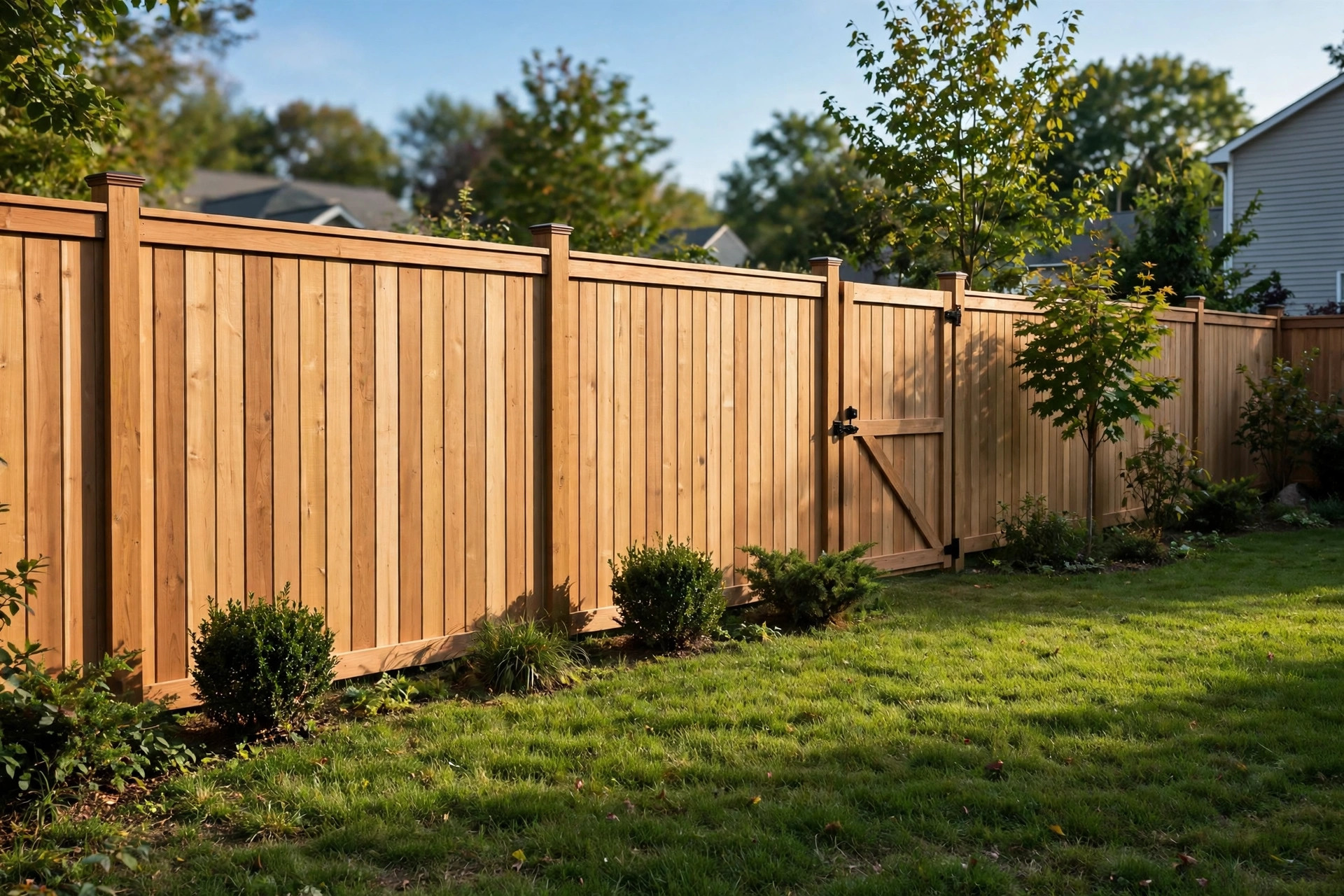

A fence is one of the largest purchases a homeowner can make for a yard. When you read top rated fence installation contractors reviews, you learn which companies do the work well and which ones leave trouble behind. Reviews tell you about price, speed, clean-up, and how the fence looks one year later. A good review record is often the best sign that a contractor will treat your home with care. This guide shows you how to read those reviews, what to look for in a fence company, and how to hire with confidence.
Why Reviews Matter When Hiring a Fence Installer
A fence looks simple, but the work behind it is not. Posts must sit straight in concrete. Gates must swing free without dragging. Rails must stay level across uneven ground. Small mistakes show up fast. A leaning post or a sagging gate can appear within a few months. Reviews from past customers show you how a contractor handles these details. Home improvement guides remind readers that small craft errors show up within months, so past work is the best proof of future work. They also show you how the company acts when something goes wrong.
Top rated fence installation contractors reviews often mention the same points. The crew arrived on time. The yard was left clean. The price matched the written quote. The fence still looks straight after a storm. When many reviews repeat these points, you can trust the pattern. One bad review may be a fluke. A pattern of bad reviews is a warning.
Reviews also help you compare companies. A contractor with fifty detailed reviews gives you more to judge than one with three short notes. Look for reviews that describe the full job, not just the final photo. Did the contractor pull permits? Did they call before they dug? Did they honor the warranty? Answers to these questions tell you how the business really works.
What to Look for in a Fence Installation Contractor: Top Rated Fence Installation Contractors Reviews
Reading reviews is only the first step. You should also check the facts behind the company. The points below will help you separate strong contractors from weak ones.
Licenses and Insurance
A real fence contractor carries a business license and full insurance. Ask for proof of both before you sign anything. Liability insurance protects you if a worker is hurt on your land or if your property is damaged. Workers compensation covers the crew itself. If a company cannot show these papers, walk away. No discount is worth the risk. Many of the best fence companies near me listings in review sites show license numbers right in the profile, and that is a good sign. You can also check permit and project basics to learn what licensed work should look like in your state.
Experience With Your Fence Type
Wood, vinyl, chain link, and metal fences each need different skills. A company that builds fine cedar fences may have no skill with ornamental iron. Ask how many jobs like yours the contractor finished last year. Ask to see photos of past work in your material. A seasoned crew will answer these questions with ease. A new or weak company will dodge them. Reviews that name a specific fence type, such as wood privacy fence installation, are more useful than vague praise.
A Written Contract and a Clear Warranty
Never hire a fence builder on a handshake. The contract should list the fence length, height, material, post spacing, gate count, and total price. It should give a start date and a finish date. It should state who pulls permits and who calls the utility line service. A warranty on labor of at least one year is standard. Good vinyl fence contractors often offer longer warranties on both labor and materials. Read every line before you sign.
Types of Fences Contractors Install
The right fence depends on your goals, your budget, and your local rules. These are the most common types that top rated fence installation contractors reviews discuss.
Wood Privacy Fences
Wood is the classic choice in American suburbs, and exterior building products from makers of siding and trim share the same fight against rot and weather. Cedar and pressure treated pine are the two most common boards. Cedar resists rot and insects on its own and ages to a soft gray if left alone. Pressure treated pine costs less but needs stain or sealer to last. A wood privacy fence gives full cover from neighbors and blocks wind and noise. Reviews often praise wood for its warm look. They warn that cheap pine boards can warp if they are not sealed in time. Most wood fences last twelve to fifteen years with basic care.
Vinyl Fences
Vinyl fences cost more up front but ask for very little care. They never need paint or stain. A quick wash with a garden hose keeps them bright. Vinyl comes in white, tan, and gray, and in styles from picket to full privacy. Reviews for vinyl work focus on post depth and rail strength, because a vinyl fence is only as good as its posts. In hot climates, buy thicker panels that resist sagging. A well built vinyl fence can last twenty years or more.
Chain Link and Metal Fences
Chain link is the lowest cost option and the fastest to install. It suits large yards, side yards, and pet areas where full privacy is not needed. You can add privacy slats or windscreen fabric to a chain link fence for partial cover. Aluminum and steel ornamental fences cost more and give an open, elegant look. They are popular around front yards and pools. Reviews for metal work often mention gate alignment, because heavy gates need strong posts and good hinges to hang true.
Cost and Price: What Reviews Tell You About Fence Installation
Fence installation cost per foot is the number most reviews quote. Wood privacy fences often run from twenty to forty dollars per linear foot installed. Vinyl privacy fences often run from forty to seventy dollars per linear foot. Chain link often runs from ten to twenty dollars per linear foot. Ornamental metal can run from fifty to one hundred dollars per linear foot or more. These ranges shift with your region, your soil, and the height of the fence.
Reviews are honest about hidden costs. Old fence removal can add several dollars per foot. Rocky soil or a steep slope raises labor time. Permits add fees in most cities. Gates cost extra, and wide double gates cost the most. Always get three written quotes for the same fence plan. Sites like The Spruce explain how to compare contractor bids line by line so you spot gaps in scope. If one quote is far below the rest, be wary. It may mean thin materials, shallow posts, or no insurance. The middle quote from a well reviewed company is often the safest choice.
Ask each bidder how they set posts. Posts set in concrete below the frost line last far longer than posts set in packed dirt. This one detail separates a five year fence from a fifteen year fence. Reviews that mention deep concrete footings are praising real craft.
Care and Upkeep After Installation
Every fence needs some care, even vinyl. Wood fences should be sealed or stained within a year of installation and every two to three years after that. Keep soil and mulch away from the bottom boards so moisture does not wick up. Trim plants back so leaves do not trap water against the fence. Check gates each spring and tighten hinges before they sag.
Vinyl fences need a wash once or twice a year. Use mild soap and a soft brush. Never use a harsh pressure washer at close range, because it can scar the surface. Chain link fences need little care, but check for rust spots and touch them up with rust proof paint. Metal fences with a powder coat finish should be washed and checked for chips. Building material makers note that small chips should be sealed fast so rust cannot start. Touch up chips fast so rust cannot start.
Many contractors offer a free first year check. Ask about it when you hire. A company that comes back to check its work is a company that stands behind it. If you are pairing your fence with other yard work, such as durable composite decking materials for sale, plan the projects together so crews do not damage fresh work.
Safety and Local Rules
Fence work has real safety rules. Call 811 before anyone digs. This free service marks buried gas, power, and water lines. Every state requires it, and skipping it can cause injury and large fines. A good contractor makes this call for you. If a bidder never mentions 811, that is a red flag.
Know your local rules before you sign. Most cities limit front yard fences to three or four feet and side and back fences to six feet. Some towns require a permit for any fence over a set height. Homeowner associations often have their own rules on style, color, and material. A top rated contractor knows these rules and will tell you if your plan breaks one. Ask who handles the permit. The answer should be the contractor, not you.
Keep the work site safe during the build. Keep children and pets away from post holes and power tools. Digging safety guides stress covering open holes each day, and good crews follow that rule. Ask the crew to cap or cover open holes at the end of each day. These small steps prevent accidents and show that the company runs a careful job site.
Frequently Asked Questions
How long does fence installation take?
Most home fences take one to three days once work starts. A simple wood privacy fence on flat ground may take a single day for a skilled crew. Large yards, slopes, gates, and rock slow the job. Permit waits can add one to four weeks before work begins. Ask your contractor for a written schedule.
Should I repair my old fence or replace it?
Repair makes sense when the damage is small. A few bad pickets or one leaning post can be fixed at low cost. Replace the fence when posts are rotted at the base, when many boards are warped, or when repairs would cost more than half of a new fence. A contractor who pushes replacement for a fence with years of life left may care more about the sale than your needs. Reviews can show you which companies give honest advice.
Do I need a permit to build a fence?
In most cities, yes. Permits are common for fences over four feet tall and for any fence near a street or corner lot. Fees are usually small. Your contractor should pull the permit and schedule any inspection. If a company asks you to skip the permit, choose another company.
Who owns the fence on the property line?
Rules vary by state and by town. In many places, a fence on the line is shared, and costs can be split with the neighbor. In other places, the person who pays owns the fence outright. Talk to your neighbor before you build. A shared plan avoids hard feelings and may cut your cost. Put any cost sharing deal in writing.
What is the best fence for dogs?
A wood or vinyl privacy fence at least five feet tall suits most dogs. Make sure boards reach close to the ground so small dogs cannot slip under. For diggers, ask the contractor to bury a wire apron or set boards a few inches into the soil. Chain link works for calm dogs but offers no privacy. Reviews from pet owners are a good source for this question.
How do I check a contractor’s reviews the right way?
Read at least twenty reviews across two or more sites. Look for detail about the full job, not just stars. Check how the company answers bad reviews. A calm, honest reply is a good sign. A rude or silent reply is not. Ask the contractor for two past customers you can call. A top rated company will give names gladly.
A Short Final Word
Top rated fence installation contractors reviews are a tool, not a promise. Use them to build a short list. Then check licenses, get three quotes, and read a written contract. The best fence is built by a crew that digs deep, sets posts in concrete, and cleans up at the end of the day. Take your time with the choice. A fence lasts for years, and the right contractor makes all the difference. For the finishing touches around your yard, you might also look at professional grade exterior stair railings for sale and premium house number plaques with free shipping to complete the look of your home’s exterior.
References
Bob Vila. (n.d.). Home improvement advice. https://www.bobvila.com CertainTeed. (n.d.). Building materials and exterior products. https://www.certainteed.com Family Handyman. (n.d.). DIY home repair and maintenance. https://www.familyhandyman.com James Hardie. (n.d.). Fiber cement siding and exterior products. https://www.jameshardie.com Lowe’s. (n.d.). Home improvement products. https://www.lowes.com The Home Depot. (n.d.). Home improvement products. https://www.homedepot.com The Spruce. (n.d.). Home and garden advice. https://www.thespruce.com This Old House. (n.d.). Home renovation guidance. https://www.thisoldhouse.com
Was this guide helpful?

About Robert Taylor
The My Garden US editorial team writes practical, in-depth home and garden guides for American homeowners — tested advice, no fluff.
You May Also Like
Top Rated Insulated Vinyl Siding for Cold Climates
March 25, 2026 0 views
Best Asphalt Driveway Sealing Near Me: A Homeowner’s Guide
May 18, 2026 0 views
Top Rated Retaining Wall Builders Near Me: A Homeowner Guide
August 9, 2026 0 views