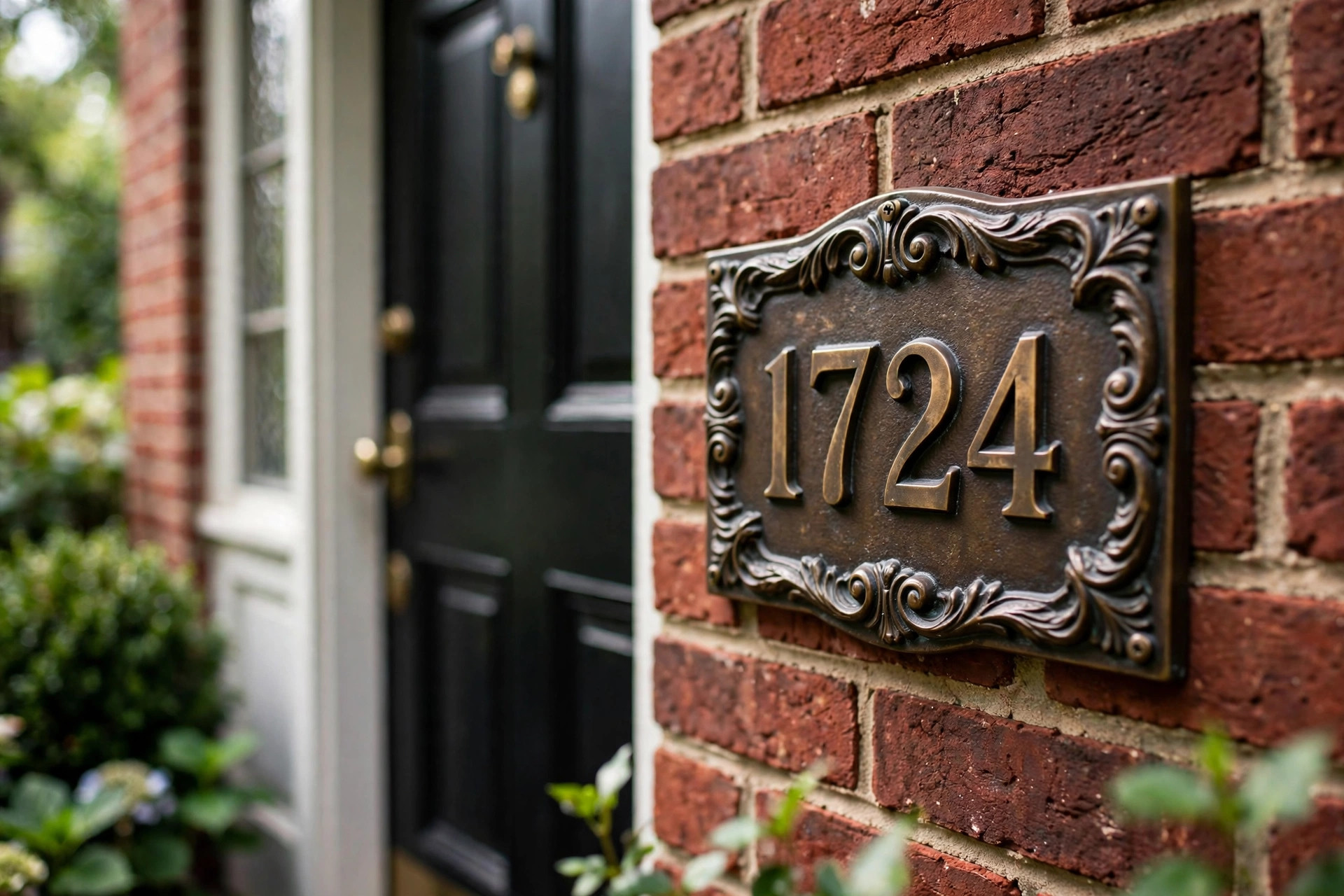

Every home has a face. It is the first thing a visitor sees, and the last thing a mail carrier checks. A house number plaque is a small part of that face, but it does heavy work. It tells guests where you are. It tells delivery drivers where to stop. It tells fire trucks and ambulances which house is yours in a dark hour. Many owners give little thought to this detail. That is a mistake. A clear, handsome number plaque adds real value to a home, and it costs far less than most curb appeal projects.
This guide covers premium house number plaques with free shipping from start to finish: why a premium plaque matters, what materials and finishes to choose, how to mount one so it lasts, what you should pay, and how to keep it looking new. The focus is on plaques that ship free, because delivery charges on small heavy items can quietly add twenty or thirty dollars to your bill. Free shipping keeps a fair price fair.
Why a Good House Number Plaque Matters
Curb appeal is the first reason. A premium plaque frames the entry of a home. Real estate agents have long noted that buyers form opinions within seconds of seeing a house. A cracked plastic number with peeling paint undercuts even a fresh paint job. A solid bronze or slate plaque with deep engraved numerals does the opposite.
Safety is the second reason, and it matters more. Emergency crews read house numbers from the street. Many towns set minimum rules: numerals at least three or four inches tall, placed where they can be seen from the road, lit or reflective on dark streets. A premium plaque makes compliance easy, because its numbers are cut deep and finished for contrast.
Durability is the third reason. Cheap plaques fail fast. Thin aluminum warps in summer heat. Plastic yellows in two seasons. Painted wood rots where it meets the wall. A premium plaque is built for decades from metals, stone, or dense composites. With free shipping, the lifetime cost of the better plaque often matches or beats the cheap one.
What to Look For When You Buy: Premium House Number Plaques with Free Shipping
Materials
Cast aluminum is the workhorse of premium plaques. It is light, it does not rust, and it takes powder coat finishes well. Look for thick castings rather than thin stamped metal.
Bronze and brass sit at the top of the range. They age with grace, building a rich patina. They cost more and weigh more — which is exactly where a free shipping offer saves you real money.
Slate and stone give a classic, quiet look and read well on brick and stone homes. Make sure the supplier seals the stone, or freeze and thaw cycles will open cracks.
Ceramic and porcelain offer bright colors and a hand-made feel. They resist weather well but can crack if struck, so they suit sheltered entries best.
High-density polyurethane and other modern composites mimic wood or stone at lower weight. They never rot and never need paint. Quality varies widely, so read reviews and ask about UV stabilizers.
Numeral Size and Contrast
Local rules set the floor, often three to four inches. Go larger if your house sits far back from the street. Dark letters on a light ground, or light letters on a dark ground, read best at speed and in poor light.
Finish and Coating
Powder coat finishes resist chips far better than ordinary paint. For bare metals, look for lacquer or wax coatings you can renew every few years. On the coast, avoid unsealed steel entirely. Salt air eats it in a single season.
Mounting Hardware
A premium plaque should arrive with stainless steel screws, wall anchors, and spacers that hold the plaque off the wall so water drains behind it. Cheap zinc screws rust and leave brown streaks on your siding. If the listing does not mention stainless hardware, ask before you buy.
The Free Shipping Terms
Free shipping is a fine perk, but check the fine print. Some sellers offer it only within the contiguous states. Some exclude heavy bronze models. Some build the freight into a higher base price. Compare the all-in price — plaque plus shipping plus tax — against two or three other sellers. Also check the return policy: customized plaques are often non-returnable, so measure twice.
Types and Options
Horizontal Wall Plaques
The classic choice. A rectangular backplate, wider than it is tall, mounted beside the front door or on a porch post. Sizes run from about ten inches wide for two digits up to eighteen inches or more for five. This style suits most American homes.
Vertical Plaques
Tall and narrow, made for narrow trim, gate posts, and fence pillars. Vertical plaques suit modern and farmhouse styles where horizontal space is tight.
Address Posts and Stakes
For homes set far back, a plaque on a post near the drive works better than one on the house. Look for posts with reflective numbers or a solar light on top. Mailbox posts are a cousin of this idea; if you are thinking about the whole entry, our guide on buying mailbox posts online in Florida covers the same mounting and visibility questions.
Lit and Solar Plaques
Backlit plaques glow from within. Solar versions charge by day and light up at dusk. They solve night visibility without wiring. Expect to replace the solar battery every two to three years.
Two-Sided Hanging Plaques
A bracket holds the plaque out from the wall so it can be read from both directions. These suit corner houses and long driveways. Make sure the bracket is rated for wind.
Custom Design Plaques
Many makers will add a family name, an established date, or a small motif alongside the numbers. These cost more, take two to three weeks, and are rarely returnable.
Cost and Price
Budget premium starts around thirty to sixty dollars: thick cast aluminum plaques with powder coat finishes and stainless hardware. The middle band runs sixty to one hundred fifty dollars — larger plaques, bronze-look finishes, slate, ceramic, and lit or solar models. This is where most buyers land. True bronze, hand-carved slate, and large custom pieces run one hundred fifty to four hundred dollars or more, and the weight climbs fast in this band, which is where free shipping saves you the most.
What drives price? Material first, then size, then finish, then customization. A four-inch bronze plaque costs far more than a four-inch aluminum one. A five-digit address costs more than a three-digit one, because the plate grows.
Do not judge on price alone. Read the warranty. A lifetime warranty on the casting tells you the maker trusts the product. A one-year warranty on the finish tells you to expect fading. Home improvement retailers with strong house brand programs, like large home improvement stores, often post warranty details clearly, which makes comparison easy.
How to Choose the Right One
Start with your house. A red brick colonial wants a classic bronze or black plaque with serif numerals. A white farmhouse wants matte black or aged copper. A stucco ranch wants slate or ceramic. A modern home wants clean sans-serif numbers on a floating metal plate. Match the mood of the architecture and the plaque disappears into the design.
Measure the space. Hold a piece of cardboard cut to the plaque size against the wall and step back to the street. If you cannot read it, go bigger. Most buyers choose too small, not too large.
Check your local rules. Note the minimum numeral height, the required placement, and whether lighting is required.
Think about the mounting surface. Brick and stone need masonry anchors. Wood siding takes screws directly. Stucco needs care to avoid cracking. Vinyl siding needs a mount that does not crush the panels. Mounting guides from long-running home renovation resources walk through each surface step by step.
Plan the lighting. If your entry is dark, either buy a lit plaque or add a small fixture nearby. Numbers nobody can see at night fail the safety test.
Finally, compare three sellers on equal terms: same material, same size, same hardware, same shipping terms. Free shipping is worth most when the product is heavy and the base price is fair.
Care and Upkeep
Premium plaques ask for little. Wash the plaque once or twice a year with mild soap and water and a soft cloth. Avoid pressure washers at close range; they drive water behind the plate and can strip finishes.
Inspect the hardware each spring. Tighten loose screws and replace any that show rust with stainless ones. Check the spacers that hold the plaque off the wall.
Renew protective coatings on schedule. Waxed bronze wants a fresh coat every year or two. Powder coat needs no coating, but touch up chips quickly before moisture gets under the paint. For slate and stone, reapply a breathable stone sealer every few years.
Trim the plants. A plaque hidden by a growing shrub might as well not exist. Cut back growth twice a year and keep a clear line of sight from the street.
If your plaque has solar lighting, wipe the panel clean and replace the rechargeable battery when the light dims.
Safety
Safety with a house number plaque comes down to visibility and mounting.
Mount securely. A plaque that falls in a storm becomes a hazard and leaves your house anonymous. Use anchors rated for the wall material and screws rated for outdoor use. On high-wind exposures, through-bolt the plaque rather than relying on short screws.
Watch for sharp edges. Cast plaques can have sharp corners. File them smooth or choose a model with rounded edges, especially at kid height near a porch.
Electrical safety matters for lit plaques. Low-voltage and solar models suit most do-it-yourselfers. If you wire a plaque into the house electrical system, follow code and hire an electrician.
For broader exterior safety habits, home advice publications keep current checklists on entry lighting, walkway care, and visibility from the street.
Shopping Smart for Free Shipping
Read the shipping fine print the way you read the product specs. Note the carrier, the estimated days, and whether the plaque ships in protective packaging. A heavy bronze plaque loose in a thin box arrives damaged. Good sellers double-box heavy items.
Order early if the plaque is customized. Engraving and hand finishing take time, and free shipping is usually ground service, not express. Allow three to four weeks for a custom piece.
Check how the seller handles damage. Photos of the box and the item, taken on delivery day, make claims easy. The best sellers ship a replacement first and sort out the claim themselves.
Compare marketplaces and direct makers. Direct makers often customize more and communicate better. Large retailers, from major home center chains to home design marketplaces, compete hard on shipping and returns. The right choice depends on how custom you want to go.
Also think about the whole exterior while you shop. If your front door is due for work too, our storm door installation cost guide will help you budget the bigger project, and if the siding itself needs attention, our guide on where to buy stone veneer panels in California covers another popular exterior upgrade. Doing the entry as one project saves repeat trips up the ladder.
Frequently Asked Questions
How big should my house numbers be?
Three to four inches is the common minimum set by local rules, and it suits houses close to the street. If your house sits more than fifty feet back, consider five or six inches. Bigger is almost always safer.
Where is the best place to mount a plaque?
Beside the front door at eye level is the standard spot, ideally on the same side as the door handle. For long setbacks, add a second plaque on a post near the driveway. Make sure both are lit or reflective enough to read at night.
Can I install a plaque myself?
Yes, in most cases. You need a drill, the right bit for your wall material, a level, and the hardware that comes with the plaque. Masonry walls need a hammer drill and masonry anchors. If you are unsure about the wall material, DIY instruction resources have clear step-by-step mounting guides.
How long does a premium plaque last?
Cast aluminum and bronze plaques last twenty-five years or more with basic care. Slate lasts decades if sealed. Ceramic lasts long but can crack on impact. Powder coat finishes typically hold color ten to fifteen years before they need attention.
Does free shipping mean lower quality?
Not necessarily. Many reputable makers offer free shipping as a standard policy, especially on premium lines. Judge quality by the material, the weight, the warranty, and the reviews — not by the shipping terms.
What if my address has five digits?
Choose a wider plaque, usually fourteen to eighteen inches, and keep numerals at or above your local minimum. Custom makers handle long addresses easily; just allow extra lead time.
A Final Word
A house number plaque is one of the smallest purchases you will make for your home, and one of the most public. It works every day, in every weather, for every visitor, every delivery, and every emergency crew. Premium house number plaques with free shipping give you the best of both worlds: a solid, handsome, long-lasting product without the sting of delivery charges on a heavy item.
Take your time, measure the space, match the style of your home, and buy from a seller who stands behind the product. For care tips across the whole exterior, home decor and improvement publications are a steady source of plain advice. And if you ever replace your siding, check what siding manufacturers and exterior building product makers say about mounting hardware on their products, so your plaque never damages the wall it decorates.
References
Bob Vila. (n.d.). Home improvement advice. https://www.bobvila.com CertainTeed. (n.d.). Building materials and exterior products. https://www.certainteed.com Family Handyman. (n.d.). DIY home repair and maintenance. https://www.familyhandyman.com Houzz. (n.d.). Home design and remodeling. https://www.houzz.com James Hardie. (n.d.). Fiber cement siding and exterior products. https://www.jameshardie.com Lowe’s. (n.d.). Home improvement products. https://www.lowes.com The Home Depot. (n.d.). Home improvement products. https://www.homedepot.com The Spruce. (n.d.). Home and garden advice. https://www.thespruce.com This Old House. (n.d.). Home renovation guidance. https://www.thisoldhouse.com
Was this guide helpful?

About Emily Rodriguez
The My Garden US editorial team writes practical, in-depth home and garden guides for American homeowners — tested advice, no fluff.
You May Also Like

Metal Roofing Installation Cost Guide USA: What American Homeowners Should Know
June 12, 2026 0 views
Budget Friendly Metal Siding for Homes: A Complete Buying Guide
July 11, 2026 0 views
Composite Decking Materials Price Comparison USA
January 4, 2026 0 views