
Introduction
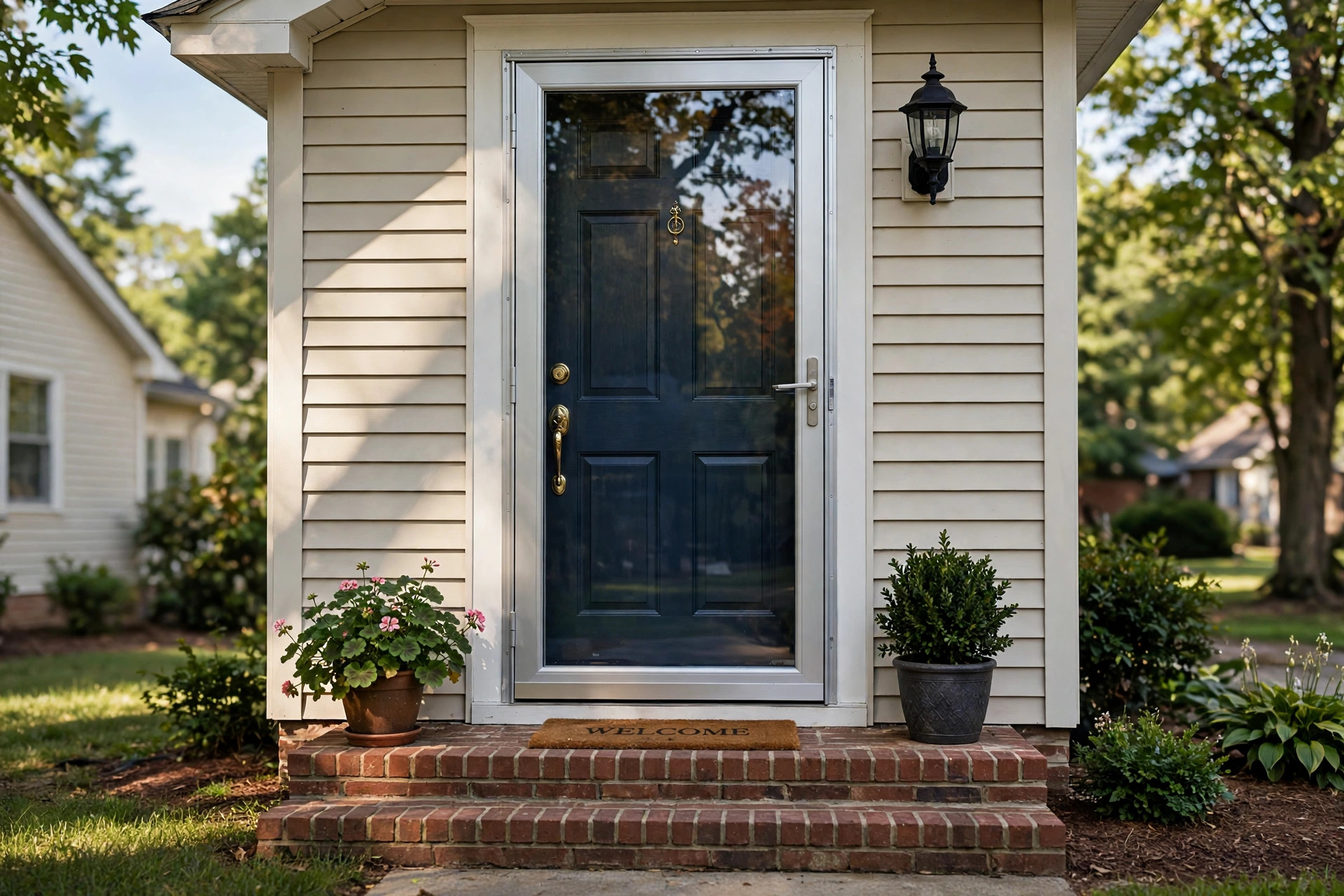
A storm door is a second door that sits outside the main entry door of a home. It adds a layer of glass or screen between the house and the weather. This storm door installation cost guide usa walks through the real prices homeowners face in 2026. It covers the cost of the door itself, the cost of labor, and the extras that can move the final bill up or down.
Many buyers are surprised by how wide the price range is. A basic door with do-it-yourself mounting can cost less than two hundred dollars in total. A premium door with professional fitting can pass one thousand dollars.
For many houses they are one of the best small upgrades a homeowner can make. They shield the main entry door from rain, snow, and sun. They add a pocket of air that cuts heat loss in winter. And they let fresh air in through a screen in warm months while the main door stays open.
Why a Storm Door Is Worth the Money: Storm Door Installation Cost Guide Usa
The main gain is protection. A solid entry door lasts many years, but sun and rain wear down its paint and finish. A storm door takes the beating instead. Paint stays fresh longer. Wood stays dry. The entry door below it keeps its looks for years more than it would on its own.
The second gain is energy. A storm door creates a dead air space in front of the main door. That space slows the flow of heat out of the house in winter. The U.S. Department of Energy publishes tips on how simple upgrades like this can trim heating bills. A well-fitted storm door will not replace proper insulation, but it can make the front hall feel less drafty.
The third gain is light and air. In spring and fall, homeowners like to open the main door and leave the storm door closed. Fresh air moves through the screen. Light moves through the glass. The house stays aired out without leaving the entry wide open.
The fourth gain is simple resale value. Buyers notice the entry first. A clean, straight storm door with good hardware gives the front of the house a cared-for look. Real estate writers at places like This Old House have long pointed out that small entry upgrades rank high in return for the money spent.
What to Look for Before You Buy
Measure the Opening Correctly
Most storm doors fit standard door openings. The standard widths are 30, 32, and 36 inches. The standard heights are 80 and 81 inches. Measure the width at three points: top, middle, and bottom of the opening. Use the smallest of the three. Measure the height at the left and right sides.
If the numbers fall between standard sizes, the door may need a custom fit. Custom doors cost more and take longer to arrive. Many big-box stores like Home Depot and Lowe’s stock the standard sizes on the shelf and can order custom sizes with a longer lead time.
Choose the Frame Material
Aluminum is the most common frame material. It is light, strong, and resists rust. Mid-range doors use thicker aluminum, which bends less and closes more smoothly. Steel doors are heavier and harder to dent. They cost more but stand up to rough use.
A thicker frame is worth the extra money in most cases. Thin frames can bow in heat or rattle in wind. Ask for the gauge or thickness rating if the store lists it. A door that feels solid in the showroom will feel solid at the front of the house.
Check the Glass and Screen Options
Storm doors come with fixed glass, sliding glass with a screen, or retractable screens. Retractable screens roll up out of sight when not in use. Fixed glass suits cold climates where the screen is rarely used.
Look at how the glass panel is held in place. Some doors use a full frame around the glass. Others use a slim retainer strip. Full frames resist wind better. Also check whether replacement glass or screens are easy to find for the brand you pick. A door from a major maker is easier to repair ten years from now than one from a brand that may vanish.
Inspect the Hardware and Lock
The handle, latch, and lock take daily abuse. A flimsy handle will loosen within a year. Look for a solid metal handle set with a deadbolt option. If security matters to you, a keyed deadbolt on the storm door adds a second lock to the entry.
Hinges should be sturdy and easy to adjust. The closer, which is the small tube that pulls the door shut, should be adjustable for speed. Guides at Family Handyman often show how to tune these closers in a few minutes.
Types of Storm Doors
Full-View Doors
Full-view doors are mostly glass from top to bottom. They give the best light and the best view of the house from outside. The glass is usually one large panel or two panels that slide. These are the most popular style in most parts of the country.
Mid-View Doors
Mid-view doors have glass in the upper half and a solid panel below. The lower panel often holds a mail slot or a pet door. They cost less than full-view models. The solid lower panel hides scuffs and dents better than glass does.
High-View Doors
High-view doors are mostly glass but with a thicker frame and a shorter glass section than full-view doors. They sit between mid-view and full-view in price. They suit homeowners who want a lot of light but also want a stout door.
Retractable Screen Doors
Retractable screen models roll the screen into the frame when not needed. In winter the door is full glass. In summer the screen drops down for air. These are the most costly type.
Storm Door Installation Cost and Price Ranges
This is the heart of this storm door installation cost guide usa. Prices below reflect what American homeowners commonly pay in 2026. Local labor rates and taxes can shift the numbers.
The Door Itself
– Basic doors cost about $100 to $250. These are thin aluminum doors with simple hardware. They suit renters and budget jobs. – Mid-range doors cost about $250 to $600. These have thicker frames, better closers, and sliding or retractable screens. This is the range most homeowners choose. – Premium doors cost about $600 to $1,100. These use steel or heavy aluminum, full-view glass, and high-grade locksets. Some carry long warranties.
Brand reviews at Consumer Reports can help you compare door makers before you commit to one model.
Labor for Installation
A professional installer usually charges $150 to $350 for a standard storm door installation. The job takes one to two hours when the frame is square and in good shape. If you want help finding local pros, see our guide to the best storm door installation near me.
Some installers charge a flat rate. Others charge by the hour. Get the price in writing before the work starts. Ask whether the quote includes removal and disposal of the old door. Removal alone can add $50 to $100 if it is priced separately.
Common Extras That Add Cost
– Frame repair. Rotted or warped door frames must be fixed first. Carpenter work can add $100 to $400. – New trim and flashing. Old brick mold or trim may need replacement. Budget $50 to $200 for materials and labor. – Custom sizing. A nonstandard opening can add $150 to $400 over a stock door. – Security upgrades. A keyed deadbolt or heavy-duty lockset can add $40 to $150. – Haul-away. Some crews charge $25 to $75 to take the old door away.
Total Project Cost
Add it all up and most projects land between $250 and $900. A basic door with self-install sits at the low end. A premium door with full professional service sits at the high end.
DIY Versus Professional Install
A handy homeowner can install a storm door in an afternoon. The job needs a drill, a level, a tape measure, and basic hand tools. Kits include the door, frame, closer, and handle. Step-by-step help is easy to find. Articles at Bob Vila and The Spruce walk through the process with photos.
Do-it-yourself work saves the labor fee. It also voids some warranties if the install is faulty, so read the warranty terms first. Call a pro when the frame is rotted, the opening is out of square, or the wall around the door is damaged. If the entry door itself also needs work, read our overview of professional grade exterior door replacement for homeowners to plan the bigger job.
Regional Price Differences
Labor rates vary by city. Installers in high-cost metro areas may charge $300 to $450 for the same job that costs $150 in a small town. Door prices are steadier, since most doors ship from the same makers. Shopping online and comparing prices across stores can narrow the gap. For a sense of how exterior project pricing runs in general, our vinyl siding installation cost guide usa uses the same plain-price method.
Care and Upkeep
Storm doors need little care, but a small amount each year keeps them working well. Wash the glass twice a year with soap and water. A soft cloth is enough. Avoid harsh cleaners that can cloud the glass or dull the frame finish.
Oil the hinges and the latch once a year. A drop of light machine oil on each hinge pin is plenty. Check the screws on the handle and closer. Tighten any that have worked loose.
Swap the glass and screen panels with the seasons if your door uses a seasonal design. Store the unused panel flat in a dry place, not leaning where it can fall. A cracked corner on a stored panel will fail when you reinstall it.
Look at the weather stripping each fall. The foam or rubber seal around the frame keeps drafts out. If it is cracked or peeling, replace it. New stripping costs a few dollars at any hardware store. Guides from makers such as CertainTeed note that small seal gaps can undo much of a door’s insulating value, so this small step matters.
Touch up paint chips on steel doors before rust starts. A small bottle of touch-up paint from the door maker does the job.
If the surrounding trim is part of a larger siding project, siding makers like James Hardie publish care guides for the trim and cladding around entry doors. Keeping that trim painted and sealed protects the door frame behind it.
Safety Notes
Glass storm doors need safety glass. Building codes in most states require tempered glass in doors. Tempered glass breaks into small, dull pieces instead of sharp shards. Check the product label or ask the store before you buy. Never install a storm door with plain window glass in it.
Teach children not to swing on the door or ride it. Storm door hinges are not built to hold a child’s weight. A torn hinge can drop the door or pinch small fingers. The closer spring holds tension, so keep small hands clear while adjusting it.
Make sure the storm door does not block the only way out of the house. In a room with only one exit, test that both doors open quickly from the inside without a key. Fire safety guides often stress this point for any added door.
If you live in a hurricane zone, check local rules. Some coastal areas restrict glass doors during storm season or require impact-rated products. Your county building office can tell you what is allowed.
Frequently Asked Questions
How long does storm door installation take?
A standard install takes one to two hours. The installer removes the old door, fits the new frame, hangs the door, and adjusts the closer and latch. Jobs with frame repair or custom sizing can take half a day.
Can I install a storm door myself?
Yes, if you are handy with basic tools. Most kits include clear instructions. Measure twice before you drill. If the frame is rotted or the opening is crooked, hire a professional instead. A bad fit will leak air and water.
How much should I pay for labor alone?
Most installers charge $150 to $350 for a standard job. The price should cover fitting, hardware mounting, and cleanup. Get a written quote. Ask if old-door removal is included or priced separately.
Do storm doors really save energy?
They help in a modest way. The dead air space between the two doors slows heat loss. The effect is strongest on older entry doors with thin cores. Pair the storm door with good weather stripping for the best result.
What is the best storm door material?
Thick aluminum suits most homes. It resists rust and costs less than steel. Steel suits high-traffic entries and harsh weather. Either one works well when the door is fitted square and the hardware is solid.
How often should I replace a storm door?
A good door lasts 20 to 30 years. Replace it when the frame bends, the glass seal fogs, or the hardware no longer holds. If the door still closes straight and seals well, keep it and replace the worn parts instead.
A Short Final Word
A storm door is a small project with a clear payoff. The door itself is the main cost. Labor is the second. Extras like frame repair and custom sizing push the total higher.
Use this storm door installation cost guide usa as your starting budget. Get two or three quotes if you hire out. Read the warranty before you buy. A careful choice now means a door that opens and closes smoothly for decades.
References
Bob Vila. (n.d.). Home improvement advice. https://www.bobvila.com CertainTeed. (n.d.). Building materials and exterior products. https://www.certainteed.com Consumer Reports. (n.d.). Product reviews and ratings. https://www.consumerreports.org Family Handyman. (n.d.). DIY home repair and maintenance. https://www.familyhandyman.com James Hardie. (n.d.). Fiber cement siding and exterior products. https://www.jameshardie.com Lowe’s. (n.d.). Home improvement products. https://www.lowes.com The Home Depot. (n.d.). Home improvement products. https://www.homedepot.com The Spruce. (n.d.). Home and garden advice. https://www.thespruce.com This Old House. (n.d.). Home renovation guidance. https://www.thisoldhouse.com U.S. Department of Energy. (n.d.). Energy efficiency and renewable energy. https://www.energy.gov
Was this guide helpful?

About James Carter
The My Garden US editorial team writes practical, in-depth home and garden guides for American homeowners — tested advice, no fluff.
You May Also Like
Where to Buy Double Hung Windows in Florida: A Homeowner’s Buying Guide
July 31, 2026 0 views
Buy Vinyl Replacement Windows Online in the USA: A Simple Guide
August 13, 2026 0 views
Best Exterior Stair Railings for Midwest Homes: A Plain Guide
April 23, 2026 0 views