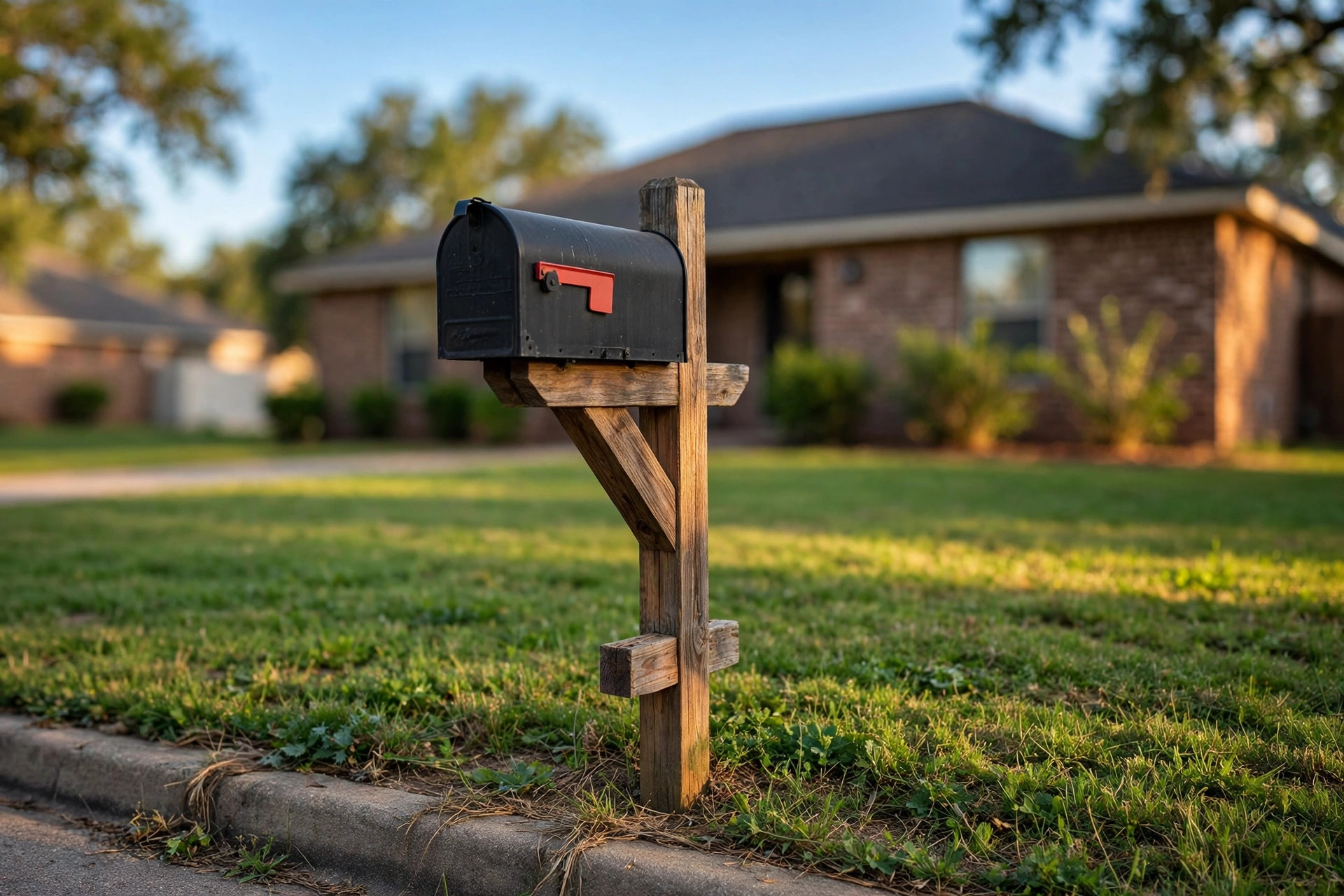

A mailbox post is a small thing that carries a large duty. It greets the mail truck each day. It frames the front of a house. When you buy mailbox posts online in Texas, you get the chance to pick the right one without driving from store to store. This guide walks through the types, the prices, the rules, and the care that go with them.
Many Texas homeowners shop for mailbox posts on the internet now. The choice is wide. Wood, metal, plastic, and stone posts all ship to Texas addresses. The prices range from modest to dear. Before you click the buy button, it helps to know what fits your house, your street, and your budget.
Why the Mailbox Post Matters
The mailbox post is part of curb appeal. It is one of the first things a visitor sees. A leaning, rotted, or rusted post sends a poor message. A clean, straight, handsome post sets a fine tone for the whole property.
It also matters to the mail carrier. The post must hold the box at the right height. It must stand firm in wind and rain. The United States Postal Service publishes clear rules about mailbox placement. You can read the USPS mailbox guidelines on their site before you install.
In Texas, heat and storms test every post. Summer sun dries out bare wood. Sudden storms bend thin metal. A good post, set deep and built of sound material, can serve for ten years or more.
What to Look for When You Buy Mailbox Posts Online in Texas
Shopping online gives you more choice than any one store. But you cannot touch the wood or lift the metal. So you must read with care.
Check the Size and Strength
A standard post stands about 48 inches tall above the ground. The mailbox itself must sit between 41 and 45 inches above the road surface. That is the USPS rule. Check the product details to see if the post meets this rule.
The post should take a mailbox of common size. Most boxes hold a newspaper or small parcels. If you get many packages, look for a post that holds a large box.
Read the Materials List
The listing should name the material plainly. Cedar and pressure-treated pine are common woods. Galvanized steel and cast aluminum are common metals. Vinyl and plastic posts weigh less and need no paint. Stone and brick posts are built on site and cost more.
If the seller hides the material details, move on. Honest sellers name their wood and their steel.
Compare Shipping to Texas
Some sellers ship free to Texas cities. Others charge by weight. A stone or brick-look post is heavy. Shipping can add fifty dollars or more. Check the shipping cost before you compare prices.
Also check the delivery time. Posts ship in five to ten days in most cases. In storm season, roads can slow freight trucks.
Types of Mailbox Posts
Wooden Posts
Wooden posts suit many Texas homes. They match ranch-style and farm-style houses well. Cedar resists rot and insects. Pressure-treated pine costs less but needs stain or paint.
Wood posts need care each year. Sun cracks the surface. Moisture rots the base. A coat of stain each spring keeps a wooden post strong. For step-by-step outdoor wood care, This Old House offers trusted guidance.
Metal Posts
Metal posts stand straight and look sharp. Galvanized steel resists rust. Aluminum weighs less and never rusts. Cast iron posts look fine but cost more and weigh a lot.
Metal posts need little care. Wipe them down once a year. Check for chips in the paint. A small chip can let rust start on steel posts. Touch up paint early.
Vinyl and Plastic Posts
Vinyl posts suit homeowners who want no upkeep. They do not rot. They do not need paint. They snap together in minutes. White is the common color, though some makers offer black or tan.
The trade-off is strength. Thin vinyl bends in strong wind. Look for posts with thick walls and steel cores if your street gets Texas gusts.
Stone and Brick Posts
Stone and brick posts look grand. They suit larger homes and estate-style drives. Most are built around a metal frame by a mason. Some kits let a handy homeowner stack the stone.
These posts cost the most. But they last for decades. They add real value to the front of the home.
Cost and Price Guide
When you buy mailbox posts online in Texas, prices fall into clear bands.
A plain wooden post costs between thirty and eighty dollars. Cedar costs more than pine. A wood post with a cross arm for the box may cost sixty to one hundred dollars.
A metal post costs between fifty and one hundred fifty dollars. Cast aluminum and cast iron sit at the high end. A simple galvanized post sits at the low end.
Vinyl and plastic posts run between forty and one hundred twenty dollars. Heavier, steel-core models cost more than light, snap-together ones.
Stone and brick posts cost the most. A kit may run two hundred to five hundred dollars. A mason-built column can cost eight hundred dollars or more with labor.
Do not forget the extras. Concrete for the footing costs a few dollars a bag. A mounting bracket may come with the post or sell apart. Reflective numbers help the carrier find your house after dark and cost only a few dollars. Both Home Depot and Lowe’s list these small extras on their sites.
Care and Upkeep
A mailbox post works in all weather. In Texas, that means hot summers, wet springs, and the odd ice storm. Care keeps it straight and sound.
Wood posts need stain or paint every one to two years. Check the base each spring. If the base feels soft, rot has started. Replace the post before it leans. Bob Vila has plain articles on exterior wood care that suit Texas homes.
Metal posts need less work. Wash off dust in spring. Check screws and bolts. Tighten what has worked loose. A drop of oil on moving parts of a newspaper holder keeps it quiet.
Vinyl posts need only soap and water. If a vinyl post turns dull, a plastic restorer brings back the color. Check the ground around the post after heavy rain. Wet soil loosens the footing.
Stone posts need almost no care. Check the mortar lines every few years. Small cracks can be patched with mortar mix. Keep plants trimmed back so roots do not push at the base.
Installing Your Post the Right Way
Most homeowners can set a mailbox post in an afternoon. You need a post hole digger, a bag of concrete, a level, and gravel.
Dig the hole twelve to eighteen inches deep. Put gravel in the bottom for drainage. Set the post plumb with the level. Pour concrete around it. Let it cure for a day before you mount the box.
Do not pour the footing too wide. A wide concrete collar traps water at the base of a wooden post. That speeds rot. For clear DIY steps, the Family Handyman site has helpful how-to articles.
The mailbox door should face the road. The box should sit six to eight inches back from the curb face. This keeps the carrier’s truck from clipping it.
Check with your city before you dig. Some Texas towns have rules about post height, setback, or neighborhood style. Call 811 before you dig to mark buried lines. This is free and it is the law.
Matching the Post to Your Home’s Exterior
The post should suit the house behind it. A white vinyl post suits a white farmhouse. A dark bronze metal post suits a brick colonial. A cedar post suits a ranch home with wood trim.
If your home has fiber cement siding, a post in a warm wood tone pairs well. Makers of exterior cladding such as James Hardie and CertainTeed show many siding colors on their sites. Use those palettes when you pick a paint or stain for your post.
The Spruce has design articles on curb appeal. They show how a mailbox, a house number, and a porch light can work as a set.
Safety and Texas Weather
Texas weather can be rough on mailbox posts. Summer heat dries wood. Hail dents thin metal. Tornado-season winds test every footing.
Choose a post rated for wind if you live in an open area. A deep footing matters more than a heavy post. Eighteen inches of concrete holds better than a post stuck in loose soil.
Breakaway posts are worth a thought. Some posts are built to snap at the base if a car hits them. This protects the driver. The USPS allows breakaway designs. If you live on a busy road, ask your seller if the post meets breakaway rules.
Ice storms hit Texas now and then. A frozen mailbox lid can stick. Metal boxes shed ice faster than wood. Keep the lid hinges oiled before winter.
If your street floods, set the footing above the water line if you can. Standing water rots wood fast. Metal posts with a raised bracket last longer in wet spots.
Texas sun also fades paint faster than in cooler states. Dark bronze or black posts may need a fresh coat a year sooner than the maker claims. Keep a small can of matching spray paint in the garage. A quick coat in spring costs little and keeps the post looking new. Large reflective house numbers on the post help guests and emergency crews find your door after dark.
Frequently Asked Questions
How long does a mailbox post last?
A cedar or metal post can last ten to fifteen years with care. Pressure-treated pine lasts eight to twelve years. Vinyl posts last fifteen years or more. Stone posts last for decades. Soil, rain, and sun shape the real answer.
What is the right height for a mailbox in Texas?
The USPS rule is the same in every state. The bottom of the mailbox should sit 41 to 45 inches above the road. The carrier needs this height to reach the box from the truck.
Can I install the post myself?
Yes, in most cases. A wood, metal, or vinyl post takes an afternoon. You need simple tools. Stone and brick posts take more skill. Many homeowners hire a mason for those.
Do I need a permit to replace a mailbox post?
Most Texas towns do not ask for a permit to swap a post. Some planned neighborhoods have design rules. Check your HOA rules before you buy. A quick call to city hall clears the doubt.
What size mailbox fits a standard post?
Most posts hold standard and large boxes. Check the post listing for the arm width and weight limit. A large box with parcels can weigh more than a post arm allows. Match the box to the post.
Where else can Texans compare mailbox posts?
If you want to see how shoppers in other states choose posts, guides for buying mailbox posts online in Florida, where to buy mailbox posts in Arizona, and buying mailbox posts online in Colorado cover hot-climate and dry-climate tips that apply in Texas too.
A Short Final Word
To buy mailbox posts online in Texas is to shop with the whole market at your feet. You can compare wood, metal, vinyl, and stone in one evening. You can read reviews from other Texas buyers. You can have the post shipped to your door.
Pick a post that suits your house. Set it deep and plumb. Keep the height right for the carrier. A little care each year keeps it standing straight. Your mailbox post works every day of the year. It deserves a sound choice.
References
Bob Vila. (n.d.). Home improvement advice. https://www.bobvila.com CertainTeed. (n.d.). Building materials and exterior products. https://www.certainteed.com Family Handyman. (n.d.). DIY home repair and maintenance. https://www.familyhandyman.com James Hardie. (n.d.). Fiber cement siding and exterior products. https://www.jameshardie.com Lowe’s. (n.d.). Home improvement products. https://www.lowes.com The Home Depot. (n.d.). Home improvement products. https://www.homedepot.com The Spruce. (n.d.). Home and garden advice. https://www.thespruce.com This Old House. (n.d.). Home renovation guidance. https://www.thisoldhouse.com U.S. Postal Service. (n.d.). Mailbox guidelines. https://www.usps.com
Was this guide helpful?

About David Wilson
The My Garden US editorial team writes practical, in-depth home and garden guides for American homeowners — tested advice, no fluff.
You May Also Like

Affordable Asphalt Driveway Sealing Near Me: A Practical Guide
August 31, 2026 0 views
How to Buy Motion Sensor Flood Lights Online in Colorado
August 5, 2026 0 views
Foundation Crack Repair Cost Guide USA: What Homeowners Should Know
January 29, 2026 0 views