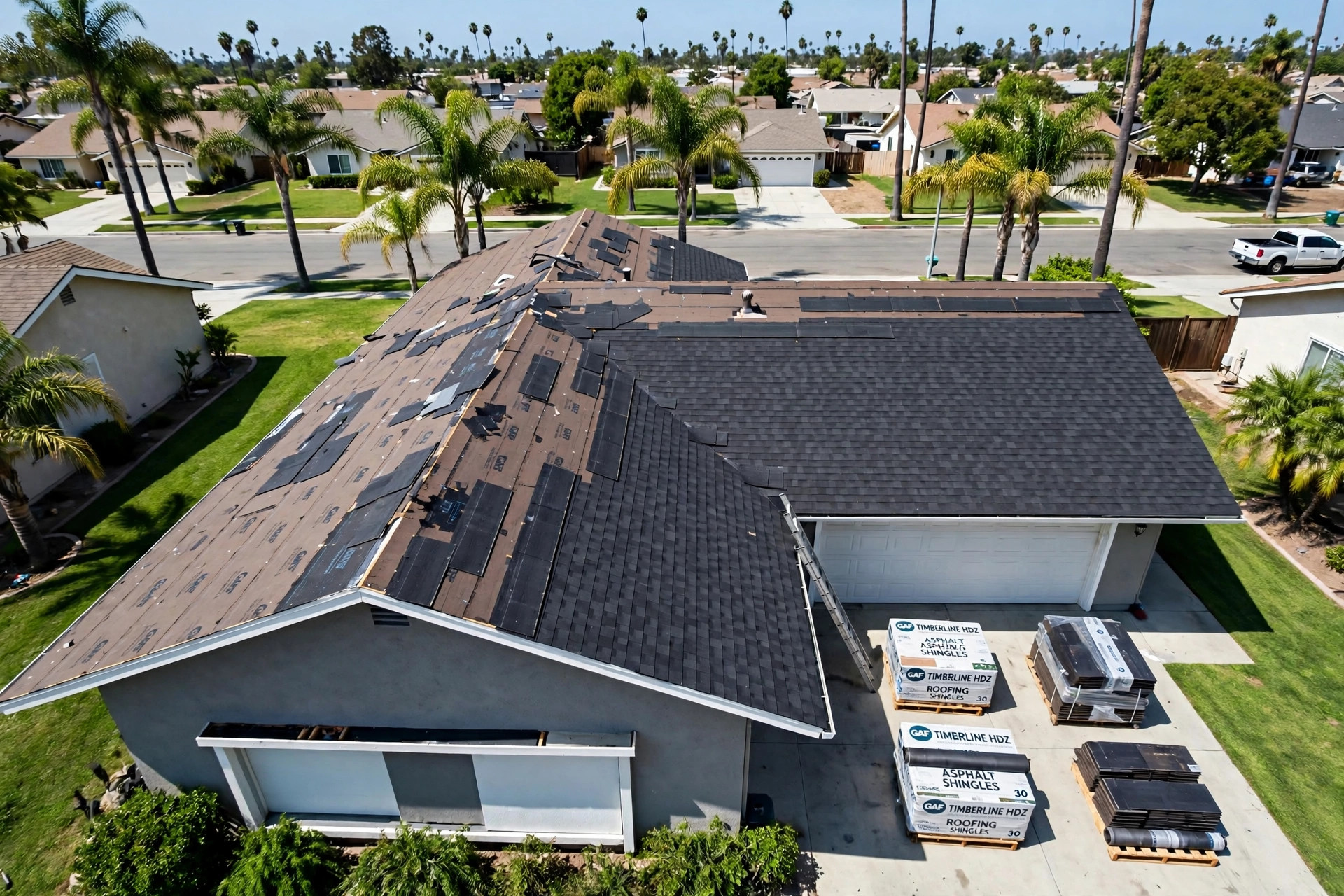

A roof is the one part of a house that does its job in silence. It holds back the rain in the winter and turns away the heat in the summer. Most owners give it no thought until a stain spreads across a bedroom ceiling or a gust of wind lifts a shingle and drops it on the lawn. By then the question is urgent: how do you find reliable roof replacement contractors in California, and how do you know the work will hold up for decades?
California is a large state with many kinds of weather. The coast brings salt air and fog. The valleys bring long heat spells. The mountains bring snow. A roof that serves well in San Diego may fail early in the Sierra foothills. Local knowledge matters. This guide walks through why the choice of contractor matters, what to look for, what a new roof costs, and how to keep it in good shape after the crew leaves.
Why the Right Contractor Matters
A roof replacement is not a small job. It is one of the largest projects a homeowner will ever buy, and it sits directly over everything the family owns. A good roof keeps water out, lowers energy bills, and adds value to the house. A bad roof does the opposite, and the signs often appear only after the warranty paperwork has cooled.
Reliable roof replacement contractors in California carry a state license, hold insurance, and stand behind their work in writing. They send trained crews, not day labor picked up that morning. They pull the permits the city requires. They strip the old roof down to the deck instead of burying problems under a new layer. These habits cost more than a cut-rate bid, but they are the reason a quality roof lasts twenty-five years instead of ten.
The state license board keeps records on every licensed roofing contractor in California. A few minutes on the phone or in the office records can tell you whether a company is current, whether it has complaints on file, and how long it has been in business. Trustworthy firms expect this check and welcome it.
What to Look For When You Hire: Reliable Roof Replacement Contractors in California
License, Insurance, and Permits
California law requires roofing contractors to hold a C-39 roofing license issued by the Contractors State License Board. Ask for the license number and check it. Also ask for proof of workers’ compensation and liability insurance. Without these papers, an injured worker or a damaged neighbor’s fence can become your bill. Reputable contractors pull building permits for the job and schedule the city inspection. If a bidder says permits are not needed, look for another bidder.
Local Experience and References
A company that has worked in your county for ten years knows the inspectors, the common roof decks, and the weather patterns. Ask for three addresses of recent jobs in your area, then drive by and look at the roofs from the street. Ask the owners a few questions: Did the crew show up on time? Did they protect the yard? Would you hire them again? Short answers tell you plenty. Reading homeowner guides on vetting contractors can help you shape the questions you ask before you sign.
A Written Contract With Clear Terms
Every promise should be on paper. The contract should name the materials by brand and grade, list the square footage, state the start and finish dates, and spell out the payment schedule. It should describe the cleanup plan and the warranty on both labor and materials. A reliable contractor never asks for the full price up front. Ten percent down or one thousand dollars, whichever is less, is the legal limit for a down payment in California on a home improvement contract.
Types of Roofing Materials for California Homes
Asphalt Shingles
Asphalt shingles are the most common roof covering in the state. They are affordable, easy to repair, and they come in many colors. In cooler coastal areas they last well. In the hottest desert valleys they wear faster. Architectural shingles, which are thicker than the old three-tab style, hold up better and look richer. If you are comparing asphalt shingle options and buying tips, ask which weight and wind rating the bid includes.
Metal Roofing
Metal roofs cost more at the start but last forty to seventy years. They shed snow, resist fire, and reflect heat, which helps in inland valleys where summer temperatures climb past one hundred degrees. Standing-seam panels and metal shingles both appear on California homes now. Before you commit, study a metal roofing installation cost guide so the higher first price does not surprise you, and look into the best metal roofing installation choices for homeowners to compare panel styles.
Tile and Clay
Clay and concrete tile suit the Spanish and Mediterranean style of many California neighborhoods. Tile is heavy, so the roof frame must be built to carry it. It resists fire and insects and can last fifty years or more. Individual tiles can crack under foot traffic, so repairs need a careful hand.
Wood Shake and Slate
Wood shakes are rare now because of fire rules in many counties. Slate is beautiful and nearly permanent, but it is heavy and expensive. Both need a specialist installer, which limits your choice of contractors.
Cost and Price: What a New Roof Runs in California
Roof replacement cost in California varies widely. A small ranch house with a simple roof might run eight thousand dollars. A large two-story home with a steep pitch and tile can pass forty thousand. The price depends on the size of the roof, the pitch, the number of layers to tear off, the material, and the cost of labor in your county.
Always get at least three written bids from reliable roof replacement contractors in California before you decide. Make sure each bid covers the same scope: tear-off, deck repair, underlayment, flashing, vents, and disposal. A bid that leaves out the tear-off may look cheap because it hides the real work. Beware of any bid that is far below the others. It usually means thinner materials, no permit, or no insurance.
Payment should follow progress. A common schedule is a small deposit, a payment when materials arrive, and the balance when the job passes inspection. Never pay the final dollar until the inspector signs off and the yard is clean.
Financing is worth a look for a project this size. Some contractors offer plans, and home equity lines often carry lower rates. Compare the total cost of the loan, not just the monthly payment.
Care and Upkeep After the New Roof Is On
A new roof still needs attention. Clean the gutters twice a year so water runs off instead of backing up under the shingles. Trim branches that hang over the roof, since they drop leaves and give squirrels a road to the attic. Look at the roof from the ground after every big storm for missing shingles or bent flashing.
Schedule a professional inspection every two to three years. A roofer can spot cracked sealant around vents, loose flashing at the chimney, and early granule loss on shingles long before they leak. Small repairs cost little when they are caught early. Many contractors offer maintenance visits for a modest fee, and some include a free first inspection with the installation.
Keep your paperwork in a safe place: the contract, the material warranty, the labor warranty, and the permit sign-off. If you sell the house, these papers raise the buyer’s trust and the sale price.
Safety: For Your Family and the Crew
Roof work is dangerous, and part of hiring reliable roof replacement contractors in California is hiring people who take safety seriously. A professional crew sets up fall protection, keeps the work area fenced from children and pets, and covers the pool and garden beds before the tear-off begins. Old shingles, nails, and dust rain down during a tear-off, so keep cars in the garage and stay clear of the drop zone.
If your home was built before 1980, ask about asbestos. Some old roofing materials contain it, and only a certified firm may remove it. A good contractor tests when there is doubt. Also ask how the crew handles heat. California summers can push roof deck temperatures past one hundred fifty degrees, and a responsible foreman gives the crew water breaks and shade.
During fire season, which now stretches across much of the year, sparks from cutting tools are a real hazard. Ask the crew leader how they prevent them. Reading general home safety and project guidance before the job starts will help you ask the right questions on the day the crew arrives.
How California Weather Shapes the Job
Timing matters. Most roof replacements in California happen between late spring and early fall, when rain is least likely. Winter storms can stall a tear-off and soak an exposed deck. In wildfire zones, some counties now require fire-resistant roofing materials by code, which rules out wood shake and favors metal, tile, and high-rated shingles.
Salt air along the coast corrodes cheap fasteners, so coastal contractors use stainless steel or hot-dipped galvanized nails. In the mountains, ice dams and snow loads call for a stronger deck and better underlayment. Ask your contractor what your microclimate demands. A roofer who works only in the valley may miss details that matter on the coast.
Manufacturer guidance also helps. Certainteed’s roofing resources explain how shingle grades and warranties differ, and James Hardie’s exterior guides cover how the roof ties into siding and trim on the home’s exterior. For a broader view of materials and costs, This Old House’s roofing advice is a steady reference, and The Spruce’s roofing guides break the options into plain language.
Frequently Asked Questions
How long does a roof replacement take?
Most single-family homes take one to three days for the crew work, once materials are on site. Large homes, steep roofs, or tile can take a week or more. Weather and permit inspections add time. Your contract should name the expected start and finish dates.
Do I need to leave the house during the work?
No, but the days will be loud. Tear-off sounds like a storm on the roof. If you work from home, plan to be elsewhere. Keep pets indoors away from the noise, and warn the neighbors a day ahead.
Can a new roof go over the old one?
California code allows a second layer in some cases, but most reliable roof replacement contractors in California recommend a full tear-off. Stripping to the deck reveals rot and lets the crew install fresh underlayment. A second layer adds weight and hides trouble.
What warranty should I expect?
You should get two warranties: one from the manufacturer on the materials, often twenty-five to fifty years, and one from the contractor on the labor, often five to ten years. Get both in writing. A warranty that is not written down is not a warranty.
How do I know my roof needs replacement and not repair?
Age is the first clue. Asphalt shingle roofs last about twenty to twenty-five years in California. Curled or missing shingles, bald spots where granules are gone, daylight in the attic, and repeated leaks all point to replacement. A trusted roofer gives an honest answer; a salesman pushes a new roof for every stain.
What should I do if a contractor pressures me to sign today?
Walk away. High-pressure sales are a warning sign. A reliable contractor gives you a written bid and time to think. Never sign a contract at the kitchen table on the first visit.
A Short Final Word
A roof is shelter in the plainest sense of the word. Choosing reliable roof replacement contractors in California takes a little homework: check the license, read the contract, compare three bids, and ask about the details your weather demands. The extra days you spend on this choice buy you twenty years of dry ceilings and quiet nights. For current pricing on materials before you collect bids, the Home Depot roofing department and Lowe’s roofing department list shingle and metal options with installed-price ranges that help you set a budget. Do the work once, do it right, and the roof will do its silent job for decades.
References
Bob Vila. (n.d.). Home improvement advice. https://www.bobvila.com CertainTeed. (n.d.). Building materials and exterior products. https://www.certainteed.com Family Handyman. (n.d.). DIY home repair and maintenance. https://www.familyhandyman.com James Hardie. (n.d.). Fiber cement siding and exterior products. https://www.jameshardie.com Lowe’s. (n.d.). Home improvement products. https://www.lowes.com The Home Depot. (n.d.). Home improvement products. https://www.homedepot.com The Spruce. (n.d.). Home and garden advice. https://www.thespruce.com This Old House. (n.d.). Home renovation guidance. https://www.thisoldhouse.com
Was this guide helpful?

About Emily Rodriguez
The My Garden US editorial team writes practical, in-depth home and garden guides for American homeowners — tested advice, no fluff.
You May Also Like
Professional Grade Exterior Stair Railings for Sale: A Complete Buying Guide
March 11, 2026 0 views
Top Rated Retaining Wall Builders Reviews: A Homeowner Guide
March 6, 2026 0 views
Affordable Motion Sensor Flood Lights for Sale: A Practical Buyer Guide
January 20, 2026 0 views