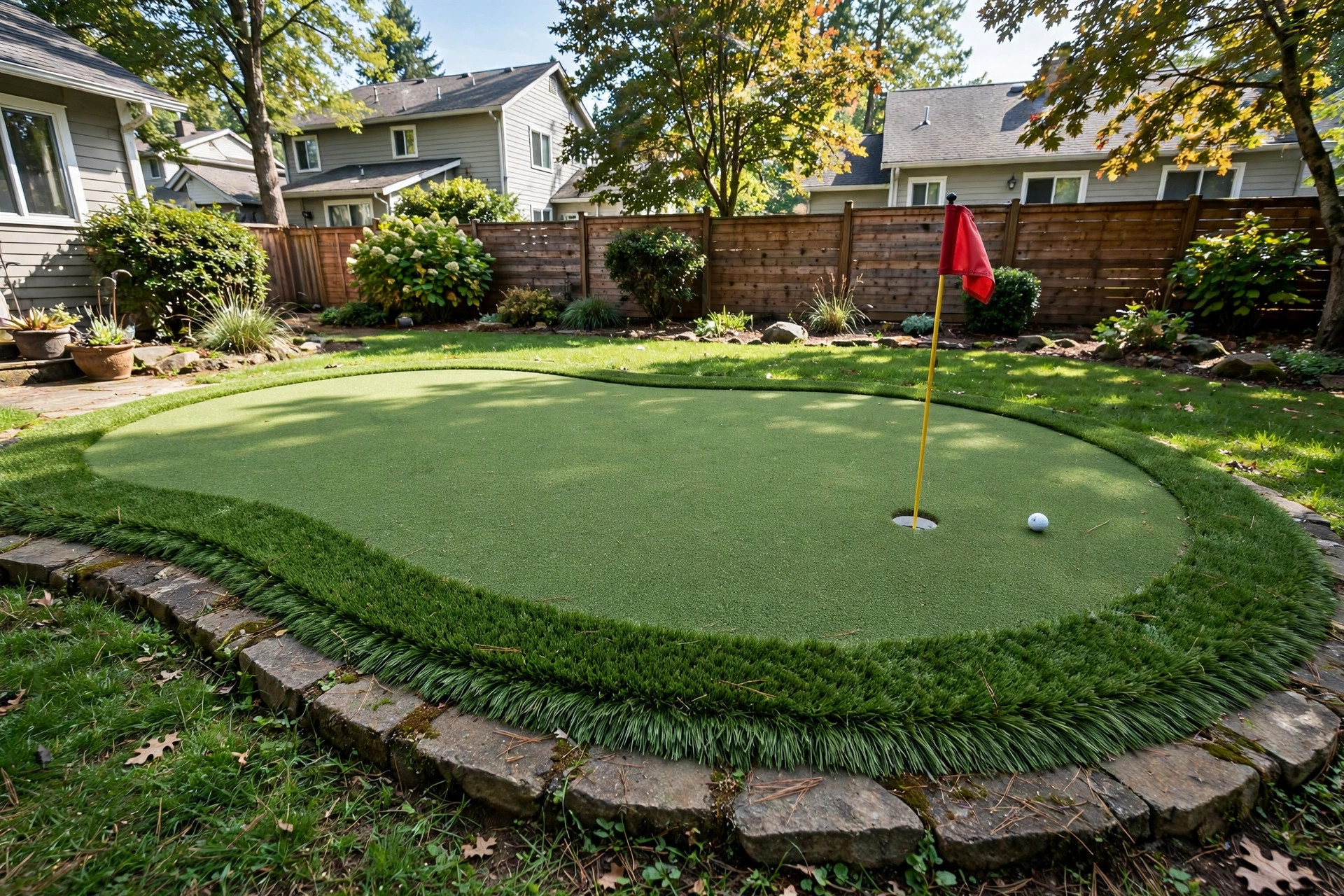
Many golfers dream of a green in their own yard. The idea is simple. Step out the back door and roll a few putts before dinner. The big question is money. The artificial turf backyard putting green cost depends on size, turf quality, base work, and who does the install. A small do-it-yourself green may cost less than two thousand dollars. A large green built by a pro crew can pass twenty thousand. Most home projects land between four thousand and twelve thousand dollars. This guide walks through every part of the price so you can plan with a clear head.
Why a Backyard Putting Green Is Worth a Look
A putting green at home saves time. Golf courses charge green fees, range balls, and driving costs. A home green costs nothing once it is built. You can practice at dawn or after work. Busy people get the most from it. Ten minutes a day on a home green can do more for your short game than a monthly round.
Real grass greens need mowing almost every day. They need water, feed, and weed control. Artificial turf needs none of that. Modern turf looks and feels like a real green. The ball rolls true. The color stays green in winter. That is why backyard greens have grown so common across the United States. For a golfer who practices often, the artificial turf backyard putting green cost can pay for itself in saved fees and saved time.
A green also adds fun for the family. Kids enjoy the game. Guests enjoy a friendly contest. The yard still looks neat. A well-built green fits in beside the patio or at the back of the lawn.
What Decides the Cost: Artificial Turf Backyard Putting Green Cost
Five main factors set the price of a backyard green.
Size. This is the biggest factor. A small green of two hundred square feet costs far less than a big one of eight hundred square feet. Most home greens run from two hundred to six hundred square feet. A bigger green lets you hit longer putts and add breaks in the slope.
Shape. A plain oval or rectangle is cheap to cut and fit. A freeform shape with curves looks natural but wastes turf. Installers must cut odd shapes by hand, which adds labor hours.
Turf quality. Putting turf comes in grades. Budget turf is thin and rolls fast. Premium turf has a dense weave and a soft feel. Nylon turf holds its shape the longest and costs the most. The turf itself may run from four to twelve dollars per square foot before labor.
Base preparation. A green needs a flat, firm base. The crew must strip the old sod, level the ground, and lay crushed stone. They compact it in layers. Some yards need drainage work. Slope changes also add cost. If the ground is hard or full of roots, the base work takes longer.
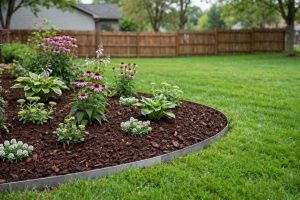
Cups, edging, and extras. Each cup costs money to cut and set. Stone or brick edging costs more than a simple plastic edge. Some buyers add sand traps, chipping pads, or lights for evening play. Each extra adds to the bill.
Types of Artificial Turf for Putting Greens
Not all turf suits a putting green. You want short, dense turf made for golf.
Nylon putting turf is the top choice for serious players. Nylon fibers stand up well and bounce back after the ball passes. It lasts fifteen to twenty years in many yards. It is the most costly option.
Polypropylene turf costs less. It gives a fast, smooth roll. It does not last as long as nylon, often eight to twelve years. It suits buyers who want a fair price and do not putt every day.
Polyethylene turf is soft and looks very natural. Some hybrid greens use a polyethylene fringe around a nylon putting surface. The fringe looks like the longer grass around a real green.
Two specs matter on the label. Pile height is how tall the fibers stand. For putting, look for pile height under three-quarters of an inch. Shorter turf rolls truer. Stitch rate tells how many tufts are packed into the turf. A higher stitch rate means denser turf and a smoother roll. Ask the seller for both numbers before you buy.
Watch out for cheap carpet-style turf. It looks flat and the ball skips across it. A true putting turf has a textured surface that grips the ball. If you can, visit a showroom and roll a ball on the sample. Your hands and eyes will tell you more than a web page can.
Do It Yourself or Hire a Pro
A handy homeowner can build a small green over a long weekend. A DIY putting green kit comes with turf, cups, and instructions. You supply the base stone, the tools, and the sweat. Kits for a two-hundred-square-foot green often cost between one thousand five hundred and four thousand dollars, not counting tools you may need to rent. The work is hard. Digging, leveling, and compacting stone take real effort. The seam work must be neat, or the green will show lines.
A pro crew handles everything. They bring heavy compactors, laser levels, and years of skill. A pro green usually looks smoother and lasts longer. Labor often adds five to twelve dollars per square foot on top of materials. For a mid-size green, that means the artificial turf backyard putting green cost with pro install often lands between eight and twenty-five dollars per square foot all in.
Which path fits you? Choose DIY if the green is small, your ground is flat, and you enjoy hard yard work. Choose a pro if the green is large, the ground slopes, or you want a perfect surface. Many buyers split the job. They dig and prep the base themselves, then hire a turf crew to lay and seam the turf. This can cut the bill while still giving a smooth finish.
When you compare installers, ask three plain questions. How many greens have you built? Can I see photos of past work? What does the warranty cover? A good crew will answer fast and show proof. Get at least three written quotes. Prices can swing wide between crews in the same town.
Cost and Price Breakdown
Here is a plain look at what homeowners pay in 2026. Prices move by region and by season, so treat these as ranges, not promises.
Small green, 200 square feet. A DIY build runs about one thousand five hundred to four thousand dollars. A pro build runs about five thousand to nine thousand dollars.
Medium green, 400 square feet. A DIY build runs about three thousand to seven thousand dollars. A pro build runs about nine thousand to sixteen thousand dollars.
Large green, 800 square feet. A DIY build runs about six thousand to twelve thousand dollars. A pro build runs about sixteen thousand to twenty-six thousand dollars.
The turf itself is the biggest single cost after labor. Budget putting turf sells for about four to six dollars per square foot. Mid-range turf sells for six to nine dollars. Premium nylon turf sells for nine to fourteen dollars. A crushed stone base adds about one to three dollars per square foot in stone, sand, and delivery.
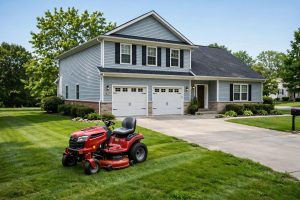
Compare this with natural grass. Planting real grass by seed or sod costs less up front. Hydroseeding a lawn can cost under one dollar per square foot in many areas. But a real grass green needs a reel mower, daily cutting, water, and feed. Good mowing gear from makers like Toro or John Deere costs real money, and the upkeep never stops. Artificial turf costs more on day one and almost nothing after. Over ten years, turf often wins on total cost for a home green.
A smart way to plan is to price the green per square foot. Measure your space. Multiply by the price per foot for your chosen path. Then add ten percent for surprises. Ground work often turns up roots, rocks, or bad drainage once the digging starts.
Care and Upkeep
Artificial turf needs little care, but it is not care-free. A few simple habits keep it smooth for years.
Brush the surface every few months. A stiff broom or a power brush lifts the fibers and spreads the infill sand. Brush against the grain of the turf. This keeps the roll true and stops flat spots.
Rinse it with a garden hose when it looks dusty. Most dirt washes away fast. For pet waste or spills, wash with mild soap and water. Pet owners may want to read about artificial grass for dogs to pick a turf that handles pets well.
Keep leaves off. A leaf blower clears leaves in minutes. Leaves left on the turf can stain it and trap damp spots. Fall cleanup is the main chore for most owners.
Check the infill once a year. Infill sand holds the fibers up and weighs the turf down. Heavy rain can wash some away. Add fresh sand where the turf feels flat. A fifty-pound bag of kiln-dried sand costs little and covers a good area.
Fix seams fast. If an edge lifts, glue it back before it grows. A small repair takes minutes. A torn seam left alone can spread and cost far more.
Plan on a deep clean every year or two. A pro turf cleaning crew can wash, brush, and deodorize the whole green in an hour. For a home green, this service often costs one to two hundred dollars. It is a small price to keep the green looking new.
Safety
Artificial turf is safe for most home uses, but a few points matter.
Heat. Turf gets hot in full sun. On a ninety-degree day, dark turf can burn bare feet. Choose a light green color, which runs cooler. Rinse the green with water before play on hot days. Keep sandals near the door for kids.
Falls. Turf over a hard base is firm. It is softer than concrete but harder than thick lawn grass. Place the green away from swing sets and play zones where falls are likely. If kids use the yard hard, add a soft pad under nearby turf play areas.
Chemicals. Old turf from the early 2000s sometimes used crumb rubber infill. New putting greens usually use clean silica sand. Ask your seller what infill they use. Silica sand is plain, washed sand with no rubber. It is the safe pick for homes with kids and pets.
Drainage. A green must shed water. Poor drainage leaves puddles and slick spots. Make sure the base slopes gently away from the house. A good crew tests drainage before laying turf. If your yard holds water after rain, fix the drainage first. No turf can make up for a bad base.
Product reviews from groups like Consumer Reports can help you compare turf brands and tools with less guesswork.
Frequently Asked Questions
How long does an artificial turf putting green last? A well-built green lasts twelve to twenty years. Nylon turf lasts the longest. Cheap turf may need replacement after eight years. Good base work and yearly care add years of life. Shade helps too. Greens under trees or with some afternoon shade age slower than greens in full sun all day.
Can I install a putting green on concrete or a patio? Yes, with care. Short turf can go on a flat patio with foam pads under it. The pads add cushion and help the ball roll right. You must still add drainage, because water cannot soak through concrete. Many buyers choose a pad system made for patios. It costs a bit more but works well.
Will the ball roll like a real green? Close. Quality putting turf rolls at a speed much like a real course green. The stimp reading, which measures green speed, often lands between nine and eleven on good turf. Cheap turf rolls too fast and feels fake. Try a sample with a real putter before you buy. That test tells you everything.
Do I need to water artificial turf? No, not for growth. You only rinse it to clean it or cool it down. This is the big saving over real grass. A real green can drink hundreds of gallons a week in summer. Your water bill drops to almost nothing with turf. That saving adds up year after year.
How much upkeep does a turf green really need? About one hour a month in most seasons. Blow off leaves, rinse off dust, and brush the fibers now and then. That is the whole job. Compare that with real grass, which needs mowing, edging, feeding, and weed work every week. Turf gives you the green without the grind.
Does a putting green add value to my home? It can, if it is done well. A neat green is a talking point that some buyers love. Golfers will pay a bit more for a home with a ready green. A sloppy DIY job can hurt more than help. If resale matters, hire a pro and keep the green in clean shape. Take photos when it is new. They help if you sell later.
A Short Final Word
A backyard putting green is a treat that pays back in daily practice and family fun. The artificial turf backyard putting green cost is real money, but it buys a surface that needs no mowing, no water, and no feed. Start with a clear budget. Pick the right turf grade for how often you will play. Decide between DIY and pro work with open eyes. Compare the full price of turf with the long-run cost of a natural grass green before you choose. If you want a full install done right, look into affordable artificial grass installation near me and get local quotes. Plan well, build once, and enjoy the game from your own back door.
References
Toro. (n.d.). Outdoor power equipment. https://www.toro.com Deere & Company. (n.d.). Agriculture and turf equipment. https://www.deere.com Consumer Reports. (n.d.). Product reviews and buying guides. https://www.consumerreports.org
Was this guide helpful?

About Lisa Anderson
The My Garden US editorial team writes practical, in-depth home and garden guides for American homeowners — tested advice, no fluff.