
Deer move through many suburbs every night. They cross the lawn, drink from the bird bath, and sample the flower beds as they pass. A homeowner can wake up to find the hostas eaten to the ground and the rose buds gone. Deer resistant landscaping plants for suburbs give back some control. They do not make a yard proof against deer, but they cut down the damage and keep the beds looking full.
This guide explains which plants deer tend to avoid, how to place them, and what to expect for cost and care. The tone here is plain. The advice is the kind a county extension office would give. No plant is certain to survive a hungry deer, but some choices are far safer than others.
Why Deer Eat Suburban Gardens
Deer live where food, cover, and water meet. Suburbs give them all three. Lawns are soft green food. Bushes give cover. Hedges give shelter in bad weather. A deer can walk a whole block in a night, eating a little here and a little there.
In winter and early spring, food is thin. That is when damage peaks. A plant a deer would never touch in July may be eaten in February. Deer also learn. If one deer finds your tulips tasty, the whole local herd will check them each spring.
Building a yard around deer resistant landscaping plants for suburbs is the simplest long-term answer. Fences work, but they cost money and many suburbs limit fence height in front yards. Repellents work for a time, but rain washes them off. Plants that deer dislike are always working, even when you forget.
How Deer Choose What to Eat: Deer Resistant Landscaping Plants for Suburbs
Deer have likes and dislikes, and these are fairly well known. They prefer tender young growth. They like flowers with sweet or mild taste. They dislike strong smells, fuzzy leaves, thick sap, and plants with thorns.
Keep these rules of thumb in mind:
– Fragrant plants: Deer avoid strong-scented foliage such as lavender, rosemary, and catmint. The oils in the leaves seem to put them off. – Fuzzy or rough leaves: Lamb’s ear, dusty miller, and ornamental grasses feel wrong in a deer’s mouth. Deer pass them by. – Toxic or bitter plants: Daffodils, foxglove, and monkshood contain bitter compounds. Deer rarely take a second bite. – Thorny plants: Barberry and holly with spiny leaves make the deer work too hard for the meal.
Deer pressure matters too. In a quiet area with one or two deer, a mixed bed may hold up. Near a wooded lot with a large herd, you need stricter choices. Ask neighbors what has worked on your street. Local knowledge is worth more than any plant list.
The Best Deer Resistant Landscaping Plants for Suburbs
Shrubs
Boxwood. The classic deer-proof shrub. Its leaves are dense, waxy, and unpleasant to deer. It trims well into hedges or rounded shapes. Grows slowly but lasts for decades.
Japanese spirea. Small pink or white blooms in summer. Deer dislike the texture of the leaves. Good for foundation beds along the house.
Butterfly bush (buddleia). Tall spikes of purple, white, or pink flowers. The leaves are gray-green and slightly fuzzy. Draws butterflies all summer.
Barberry. Thorny, with red or gold foliage. Deer hate the thorns. Note that in some states it can spread beyond the yard, so check local guidance before planting.
Russian sage. Silvery stems, lavender-blue flowers, and a sharp scent. Few deer touch it. It can grow tall, so give it room at the back of the bed.
Perennials
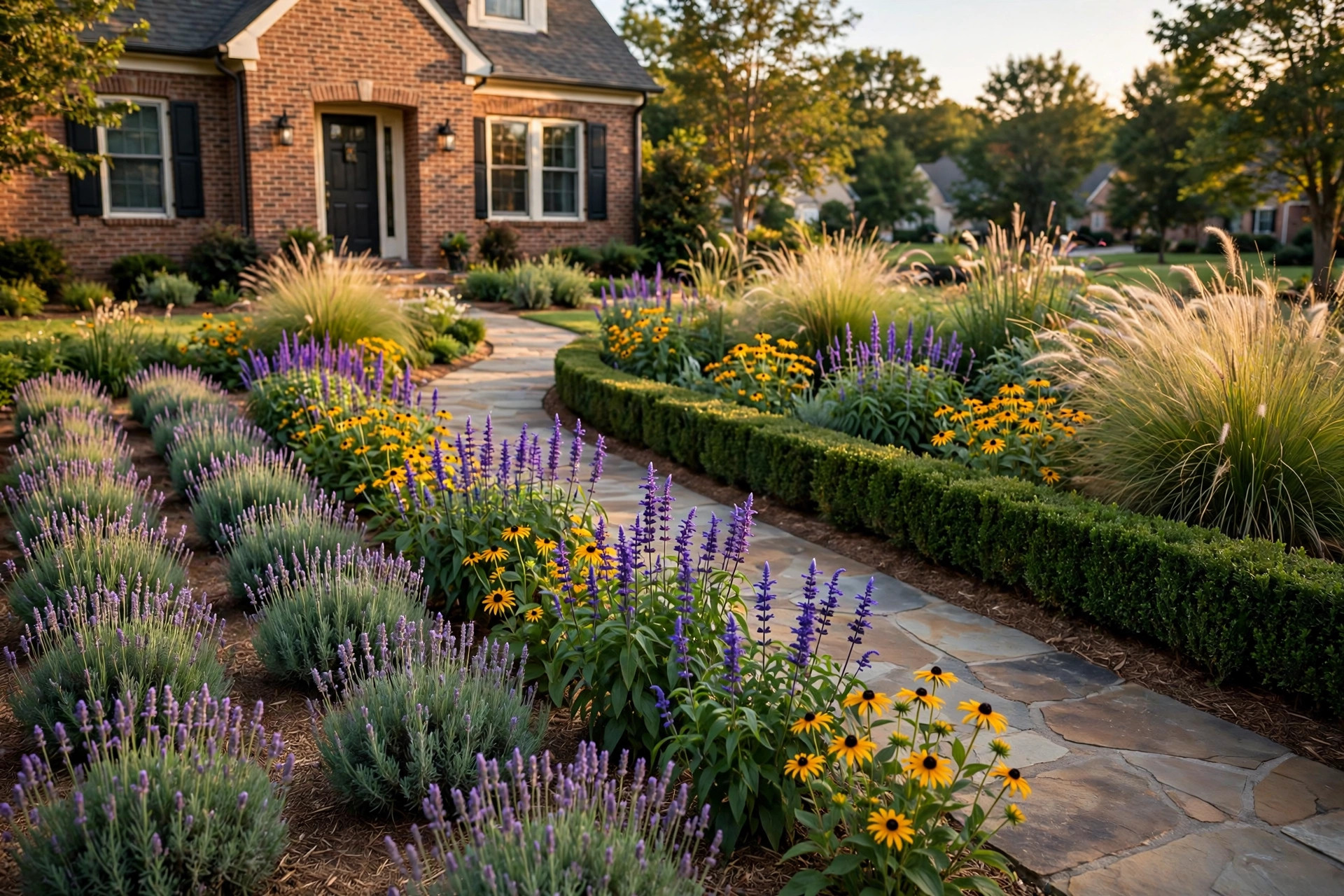
Lavender. The signature deer-resistant plant. Strong scent, drought tolerant, and it blooms for months. Needs full sun and soil that drains well.
Salvia. Blue, purple, or red flower spikes. Tough and long-blooming. Shear it back after the first flush for a second round.
Daylilies. Mostly left alone once established, though deer may eat the buds in high-pressure areas. Thick clumps give bold summer color.
Black-eyed Susan. Bright yellow flowers with dark centers. Deer rarely bother them. They self-seed and fill gaps in the bed.
Coneflower (echinacea). Pink and purple blooms that stand up well. Deer dislike the rough stems. Good cut flowers too.
Shasta daisy. White blooms all summer. Deer pass them by. Divide the clumps every few years to keep them strong.
Peony. Big, showy flowers in late spring. Deer almost never eat peonies. They live for many years in one spot.
Bulbs and Ground Covers
Daffodils. The surest spring bulb. Deer will not eat them, while tulips are a favorite deer snack. Plant daffodils in large drifts for spring color.
Alliums. Tall purple balls on straight stems. The onion family smell keeps deer away. They look good above low ground covers.
Catmint (nepeta). Low mounds of gray-green leaves and blue flowers. Deer dislike the scent. Trim it back mid-summer for a fresh round.
Creeping juniper. A tough evergreen ground cover. Deer leave it alone. It holds slopes and fills bare patches.
Sedum (stonecrop). Thick leaves that store water. Deer rarely eat them. The tall types bloom in late summer and fall.
Plants Deer Almost Always Eat
It helps to know the other side of the list. If deer pressure is high in your area, think twice about these:
– Hostas. The number one deer food in suburbs. They can be eaten to stubs overnight. – Tulips. Deer love the flower heads. Consider daffodils instead. – Roses. The buds and new shoots are tender. Deer strip them clean. – Fruit trees. Young apple and pear trees need guards around the trunks. – Arborvitae. A favorite winter food. Emerald green arborvitae get stripped from the ground up. – Impatiens and pansies. Bedding flowers that deer treat as a salad bar.
If you already have these, you do not have to rip them out. Place them close to the house, where deer feel less safe, and put the tougher plants at the edges of the yard.
Planning Your Yard
Work in Layers
Plant the toughest shrubs at the outside edges of the beds. Deer meet these first and often turn away. Put the more tempting plants behind them, near the house or patio.
A simple suburban layout might look like this:
1. Street edge: boxwood hedge or ornamental grasses. 2. Middle bed: lavender, salvia, coneflower, and black-eyed Susan. 3. Near the house: peonies, daylilies, and your favorites that need a little protection.
Group Plants in Masses
One lavender plant is a curiosity. Twenty lavender plants are a strong scent barrier. Deer notice smells more when plants are grouped. Mass plantings also look better from the street. Buy small and plant more rather than buying one large plant.
Protect Young Plants
Even tough plants are at risk when they are new. Fresh nursery stock is tender and full of fertilizer, which makes it tasty. Surround new plantings with temporary netting or a light fence for the first season. Once the plants are established and the leaves toughen, remove the guards.
Keep the Lawn in Mind
Deer-resistant beds still need a healthy lawn around them. A thick lawn keeps weeds out and gives the beds a clean frame. If your lot is around an acre, a riding mower makes weekly cutting much easier than a push mower. For smaller lawns, a robot mower can run on its own schedule and keep the grass even.
Water Wisely
New plantings need steady water for the first year. Drip lines or soaker hoses waste less water than sprinklers. If you are considering a full sprinkler system, getting an affordable sprinkler installation cost estimate before you plant helps you size the zones around the beds. Mature lavender, grasses, and sedum need little water once they settle in.
Cost and Price
Costs vary by region, but these rough numbers hold across much of the country:
– Perennials in 1-gallon pots: $8 to $18 each. A 100-square-foot bed may need 25 to 40 plants, so budget $250 to $600. – Shrubs in 3-gallon pots: $25 to $60 each. Boxwood costs more because it grows slowly. – Bulbs: Daffodil bulbs run $8 to $15 for a bag of 12 to 25. They are one of the cheapest ways to get spring color. – Mulch: $30 to $60 per cubic yard delivered, or $3 to $6 per bag at the garden center. A 2- to 3-inch layer keeps weeds down. – Temporary netting or fencing: $20 to $50 to protect a new bed for a season.
Doing the work yourself saves a great deal. A landscaper may charge $1,500 to $4,000 to plant a full front yard, including soil work. Buying plants on sale in late summer and planting them in fall can cut the bill in half.
For lawn equipment and supplies, major manufacturers such as Toro and Deere list dealers and product lines on their homepages. Briggs & Stratton supplies engines for many mowers sold at garden centers.
Care and Upkeep
Deer resistant landscaping plants for suburbs are chosen partly because they are low in upkeep. A little care goes a long way:
– Mulch every year. A fresh 2-inch layer of bark or shredded leaves holds moisture and stops weeds. Keep mulch a few inches from the stems. – Cut back perennials. In late fall or early spring, cut dead stems to the ground. Coneflowers and sedums can be left standing through winter for the birds. – Divide crowded clumps. Daylilies, black-eyed Susans, and catmint do better when split every three to four years. Replant the divisions to fill gaps for free. – Prune shrubs. Boxwood and spirea take a light trim in late spring. Avoid heavy cutting late in the season, which spurs soft growth that deer may sample. – Watch for watering stress. Even tough plants need water in a hard drought. Leaves that curl or brown at the edges are asking for a drink.
Safety
Most deer-resistant plants are safe to handle, but a few need respect:
– Foxglove and monkshood are poisonous if eaten. Do not plant them where small children or pets play unsupervised. – Barberry has sharp thorns. Wear gloves when pruning. – Fertilizers and pesticides should be stored out of reach and applied exactly as the label says. Many suburbs limit lawn chemicals near storm drains. – Tulips, daffodils, and alliums can upset a dog’s stomach if a curious pet digs up the bulbs. Fence new bulb beds if your dog likes to dig.
When in doubt, ask your local cooperative extension office. Their advice is free and tuned to your county’s soil and deer pressure.
FAQ
Are any plants truly deer-proof?
No plant is truly deer-proof. Hungry deer will eat almost anything, including plants they normally avoid. The right term is deer resistant. These plants are eaten rarely and recover well. In areas with very heavy deer pressure, you still may need a fence for total protection.
How long before the plants fill in?
Most perennials fill their space in two to three seasons. The old saying is true: the first year they sleep, the second year they creep, the third year they leap. Shrubs like boxwood take longer, often five years to look full. Plan for the wait and plant a little closer than the tag suggests.
Should I use deer repellent sprays too?
Sprays can help, especially on new plantings and on the plants deer like most. They work best as a short-term bridge while young plants toughen up. Reapply after heavy rain. Sprays are a supplement, not a replacement for good plant choices.
What about vegetable gardens?
Deer love vegetables, and few garden plants resist them. A vegetable garden needs a fence at least 7 to 8 feet tall to stop a jumping deer. Place the fence before you plant. Short fences slow deer down but do not stop them.
Do deer-resistant plants work in shade?
Some do. Ferns, astilbe, and bleeding heart are shade-tolerant and deer tend to leave them alone. Hostas, sadly, are the classic shade plant that deer love. For a shaded bed near a wooded lot, choose ferns and astilbe over hostas.
Where can I find what grows in my area?
Your state cooperative extension service and local nurseries know which plants handle your soil, winters, and deer pressure. A plant that is tough in one state may struggle in another. Local advice beats any national list.
A Final Word
A deer-resistant yard is built plant by plant. Start with the beds the deer hit hardest. Swap out the hostas at the street edge for lavender and ornamental grasses. Add a boxwood hedge where the herd walks through. Each change makes the yard a little less inviting to deer and a little easier for you to keep.
Give it a season or two. The damage will fade, the beds will fill, and the morning walk to the mailbox will no longer include a count of what the deer ate. That quiet result is the whole point.
References
Briggs & Stratton. (n.d.). Outdoor power equipment engines. https://www.briggsandstratton.com Deere. (n.d.). Agriculture and lawn care equipment. https://www.deere.com Toro. (n.d.). Lawn mowers and landscape equipment. https://www.toro.com
Was this guide helpful?

About Emily Rodriguez
The My Garden US editorial team writes practical, in-depth home and garden guides for American homeowners — tested advice, no fluff.
You May Also Like
Cheap Landscape Rock Delivery Near Me: A Guide to Low Prices and Bulk Loads
February 24, 2026 0 views
Best Riding Mower Attachments for Yard
February 22, 2026 0 views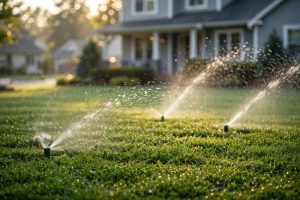
How to Get an Affordable Lawn Sprinkler Installation Cost Estimate
July 1, 2026 3 views