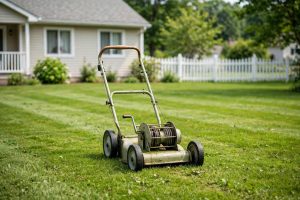

When fall arrives, most homeowners think about raking leaves and storing patio furniture. Fewer think about the sprinkler system in the ground. Yet a search for a lawn irrigation winterization service near me is one of the smartest things a homeowner in a cold climate can do each year. Winterization is the process of draining water from sprinkler lines, valves, and backflow devices before freezing weather sets in. Water left in the pipes can freeze, expand, and crack fittings. Repairs in the spring can cost several hundred dollars. A proper winterization costs far less.
Why Winterization Matters
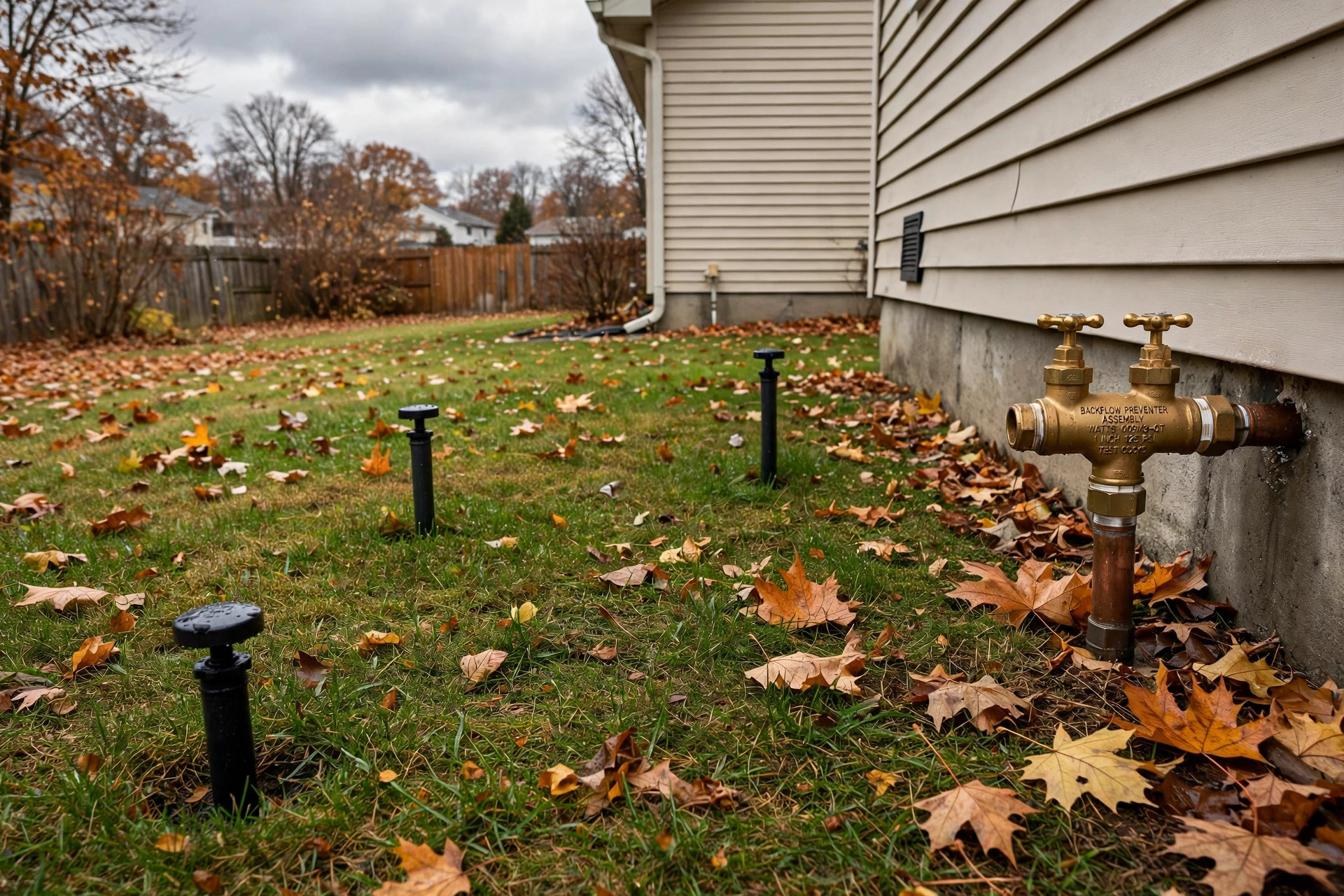
Water expands when it freezes. That simple fact is the enemy of every in-ground sprinkler system. A system may hold many gallons of water in its lateral lines, even after it is shut off. When the ground temperature drops below freezing, that trapped water turns to ice. Ice takes up more space than liquid water. The pressure can split pipes, break sprinkler heads, and crack valve bodies. The backflow preventer, the brass device that keeps lawn chemicals from flowing back into the home water supply, is often the first part to fail. It is also one of the most costly parts to replace.
Damage from a freeze rarely shows at once. A pipe may crack in November and leak only when the system starts in April. By then, the ground may be soft from a long leak. Sod may be dead in a wide strip. A valve box may be full of mud. Homeowners often discover the bill only after the water meter runs high for weeks. A winterization visit takes about thirty to sixty minutes. It is a small task that prevents large ones.
The timing matters as well. Soil temperature drops slowly. Air can freeze at night while soil stays warm. The danger point is when the frost line reaches the depth of the pipes, often six to twelve inches in northern states. In most cold regions, the window runs from early October to mid November. A good local company keeps a schedule and books early. Homeowners who wait until the first freeze warning often find no open slots.
What a Winterization Service Includes: Lawn Irrigation Winterization Service near Me
A full winterization visit follows a set order. First, the technician shuts off the water supply to the irrigation system. In most homes, there is a separate shutoff valve for the sprinkler system, often in the basement or garage. The technician turns this valve off so no new water enters the lines.
Second, the technician drains the above-ground parts. This includes the backflow preventer and any exposed pipes. These parts sit above the frost line and are at high risk. The technician opens test ports and lets water flow out by gravity.
Third, the technician performs a blowout. This is the main step. An air compressor connects to the system through a quick-connect fitting. Compressed air pushes the remaining water out through each sprinkler head, zone by zone. The technician runs each zone until only mist comes from the heads. The work must be done with care. Air pressure that is too high can crack pipes or damage heads. A professional knows the right pressure for the pipe type, often between 50 and 80 pounds per square inch.
Fourth, the technician sets the controller. The timer should stay powered but set to the off or rain mode. Some homeowners unplug the unit for the winter. That can erase the program in older models. A good technician notes the current settings before changing them. Finally, the technician covers any exposed parts with insulation or a foam cover where needed.
How to Choose a Local Service
Not all companies do the same quality of work. A few simple checks help a homeowner find a reliable crew.
Check Credentials and Insurance
A professional company carries liability insurance and, where the state requires it, a license for irrigation work. Some states ask for a backflow certification as well. Ask the company to show proof. An insured company covers damage if a mistake occurs during the blowout. An uninsured worker leaves the risk with the homeowner. Reviews from past years are also useful. Look for reviews that mention fall work in particular, since winterization is a seasonal job.
Ask About the Blowout Method
Some companies cut corners. They may drain the system by gravity only and skip the air blowout. Gravity drains leave water in low spots. Ask directly whether the visit includes a full blowout with a compressor. Ask what pressure they use. A careful answer shows knowledge. A vague answer is a warning sign. It is also fair to ask how long the visit takes. A full job on a typical home system should take at least thirty minutes.
Compare Service Scope and Price
A written quote should list what is included. Does the visit cover all zones. Does it include the backflow device. Is there a separate charge for a drip line zone. Some homes have a mix of spray heads and drip emitters for beds. Drip zones need a gentler touch. Clear answers in advance prevent surprise charges. When comparing sprinkler installation costs with winterization prices, keep in mind that the yearly service is a small fraction of what a new system costs.
Types of Winterization Options
Homeowners have two main paths: hire a professional or do the work themselves.
The do-it-yourself path suits handy homeowners who own or can rent a compressor. A standard home compressor may work for small systems, but many rental units at hardware stores are made for this task. The homeowner must know where the shutoff valve is, how to connect the compressor, and the safe pressure for the pipes. Mistakes are common. Too much pressure can pop a head off or split a fitting underground. The DIY path saves the service fee but takes time and carries risk.
The professional path suits most homeowners. The crew brings a large tow-behind compressor and years of practice. They know how to handle systems with many zones, old pipes, and mixed head types. The visit is quick. The cost is modest. Many companies offer fall service plans that bundle the winterization with a spring startup and a summer check. That bundle often costs less per visit than three separate calls.
There is also a middle path. A homeowner can do the easy parts, such as shutting off the water and draining the backflow device, and hire a professional only for the blowout. This is less common but possible. Whatever the choice, the work must be done before the first hard freeze. A smart sprinkler controller can help with scheduling, and some models send freeze alerts to the homeowner by phone.
Cost and Price
Prices vary by region and system size. In most of the United States, a basic winterization visit costs between 60 and 120 dollars. A small system with four to six zones falls at the low end. A large system with ten or more zones, a drip zone, and a backflow device may cost 100 to 150 dollars. Some companies charge per zone, often 10 to 15 dollars per zone.
A few factors move the price. A system that was installed decades ago may have unusual fittings and take longer to service. A home far from the company base may carry a travel fee. Fall demand also matters. Prices rise in late October when slots are scarce. Booking in September can lock in the normal rate.
Compare the price to the cost of repairs. A cracked backflow preventer can cost 150 to 400 dollars to replace. A broken valve costs 75 to 150 dollars plus labor. A split pipe under the lawn requires digging, and a service call for a leak often starts at 200 dollars. Against those numbers, the winterization fee is small insurance. Homeowners who installed pop-up sprinklers themselves should still budget for this yearly service, since the risk of freeze damage is the same.
Care and Upkeep Through Winter and Spring
After the winterization, the system needs little attention. Leave the controller in the off position. Do not turn the water back on for a warm spell in January. A brief thaw does not mean spring has come, and a second freeze after water re-enters the pipes can do damage.
In spring, the system needs a startup visit. The technician turns the water on slowly, checks each zone for leaks, and replaces any heads that cracked over winter. Springs often reveal damage that the fall blowout could not prevent, such as a head broken by a lawn mower. The startup visit is the time to fix small problems before the hot season. Many companies schedule the spring visit at the same time as the fall booking.
Between the two visits, walk the yard after heavy rain. Look for soggy spots or heads that sit too low. Trim grass away from heads so the spray reaches the lawn. These small habits keep the system working at full strength all summer.
Safety
A winterization visit is safe when done by trained workers, but a few risks exist. Compressed air is the main one. Air under pressure can blow a head off a riser if the fitting is old. Technicians wear eye protection and keep a safe distance from heads during the blowout. Homeowners and pets should stay inside or well away from the work area.
Electrical safety matters too. The controller is a low-voltage device, but the shutoff valve area may be damp. Only dry hands should touch the timer. If the system shares a circuit with outdoor outlets, keep water away from the outlet box. A homeowner who rents a compressor should read the manual. Rental compressors are strong machines and can cause harm if misused. When in doubt, hire a professional. The fee buys both skill and safe tools.
Frequently Asked Questions
When should I schedule a lawn irrigation winterization service? Schedule in early to mid fall, before nighttime lows drop near freezing. In most northern states, that means late September to late October. Book early, because good companies fill their fall calendars weeks ahead.
How long does the service take? Most homes take thirty to sixty minutes. Larger systems with many zones may take up to ninety minutes. The technician tests each zone, so the time grows with the zone count.
Can I winterize my sprinkler system myself? A homeowner with a proper compressor and knowledge of the system can do it. The risks are real, though. Too much air pressure can damage pipes and heads. Many homeowners try it once and then hire a professional the next year. If you choose the DIY path, learn the safe pressure for your pipe type first.
What happens if I skip winterization one year? A mild winter may pass without harm. But one hard freeze can crack a backflow preventer or split a line. The damage may not show until spring. The repair bill often runs three to five times the cost of the winterization visit.
Does winterization protect drip irrigation lines too? Yes, with care. Drip emitters and thin tubing need low air pressure. A professional uses a gentler setting for drip zones. Gravity draining alone may be enough for some drip lines, but an air blowout at low pressure is more certain.
How do I find a good company near me? Ask neighbors, check local review sites, and look for companies that list irrigation as a main service rather than a side job. Ask whether the visit includes a full air blowout, what pressure they use, and whether they are insured. A clear, direct answer is a good sign.
A Final Word
A sprinkler system is a quiet part of the home. It works in the early morning and asks for little. The one thing it needs each year is a proper shutdown before winter. A lawn irrigation winterization service near me search takes a minute. The visit takes less than an hour. The cost is modest. The protection lasts all winter. Homeowners who make this visit a fall habit avoid the spring surprises of cracked pipes and dead lawn spots. Major brands such as Toro design their gear for long life, and independent reviewers such as Consumer Reports note that proper seasonal care extends the life of outdoor equipment. With the right care, a sprinkler system can serve a home for twenty years or more.
References
Toro. (n.d.). Lawn and garden equipment. https://www.toro.com Consumer Reports. (n.d.). Product reviews and ratings. https://www.consumerreports.org
Was this guide helpful?

About David Wilson
The My Garden US editorial team writes practical, in-depth home and garden guides for American homeowners — tested advice, no fluff.
You May Also Like
Pre Emergent Weed Killer Application Timing Guide
May 8, 2026 2 views
Riding Lawn Mower Financing Options USA: What Every Buyer Should Know
April 23, 2026 0 views
Best Battery Chainsaw for Yard Work
June 30, 2026 0 views