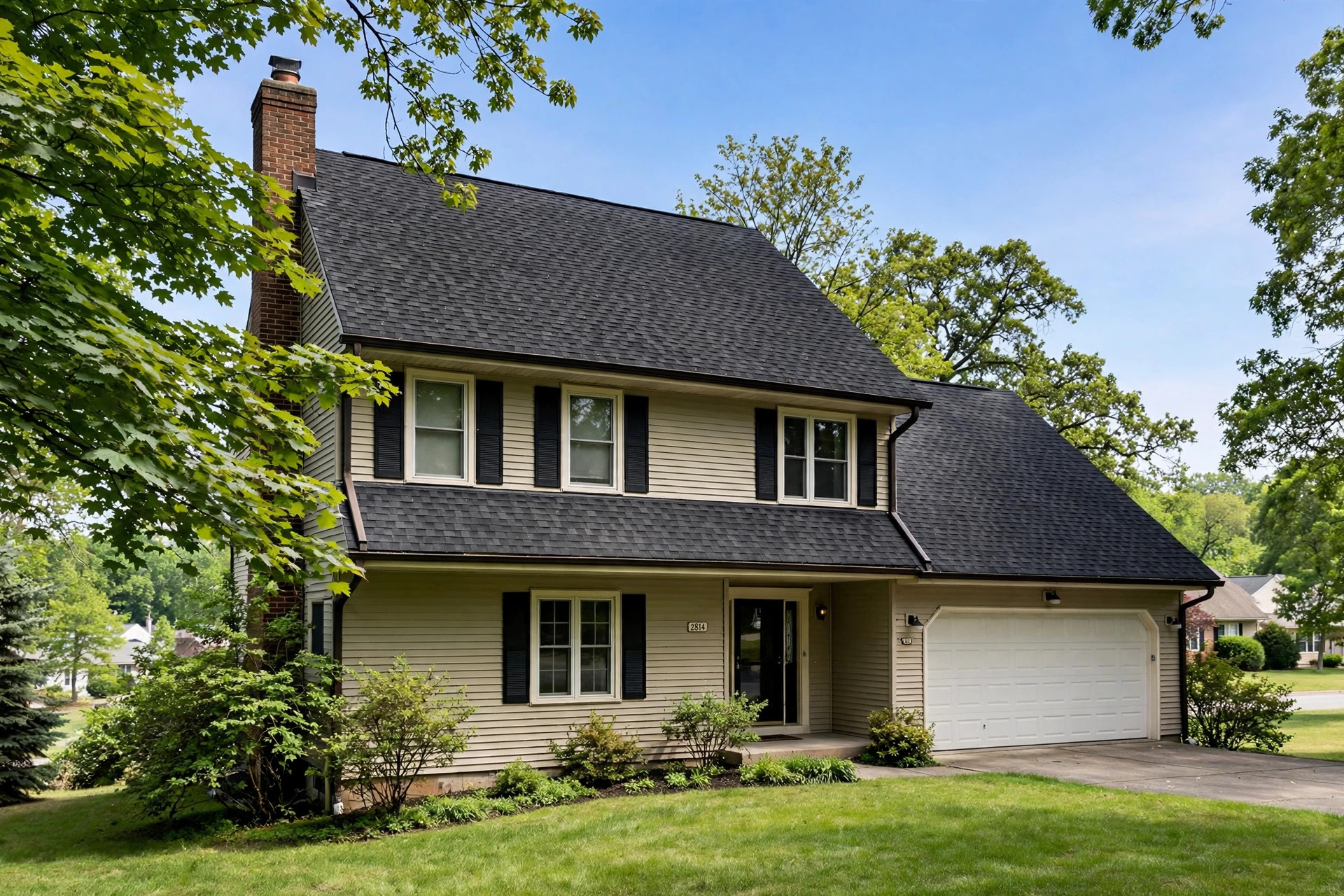

A roof is one of the largest purchases a homeowner will ever make. It also protects everything beneath it. Walls, floors, furniture, and family memories all sit under that single surface. This durable asphalt shingle roofing buying guide will walk you through the choices step by step. You will learn the types of shingles, what makes them last, what they cost, and how to keep them sound for decades.
Asphalt shingles cover more American homes than any other roofing material. They earned that place for good reason. They are light, they are simple to install, and they come in many colors. They also cost less than tile, slate, or metal. But not all asphalt shingles are equal. Some last fifteen years. Others last fifty. The difference comes down to the type of shingle, the quality of the install, and the care the roof gets afterward. This guide will help you tell one from the other.
Why a Durable Roof Matters
A roof does far more than keep rain out. It shields the wood frame of the house from rot. It keeps insulation dry so it works as it should. It holds heat in winter and turns heat away in summer. A strong roof also adds to the value of the home. Buyers look at the roof first, and a worn roof can lower an offer by thousands of dollars.
Leaks are the most common sign of a failing roof. Water finds the weakest point. It may drip from a ceiling light or stain a wall. By the time you see the stain, the damage has often spread. Wet wood grows mold. Mold harms health and is costly to remove. A durable roof delays all of this. It gives you years of quiet service with little fuss.
Climate plays a large role. Homes in the hot South face harsh sun that dries and cracks cheap shingles. Homes in the North face ice and heavy snow. Coastal homes face wind and salt air. A buying guide must speak to all of these needs. The right shingle for Arizona may fail in Maine. Knowing your local weather is the first step toward a wise purchase.
Types of Asphalt Shingles: Durable Asphalt Shingle Roofing Buying Guide
Three-Tab Shingles
Three-tab shingles are the oldest and simplest type. Each strip holds three flat tabs. They lie flat on the roof and give a clean, even look. They are the least costly option. A three-tab roof often lasts fifteen to twenty years. It suits homes on a tight budget or homes that will be sold soon. It is not the best pick for harsh weather. Wind can lift the tabs, and the thin mat wears faster under strong sun.
Architectural Shingles
Architectural shingles are also called dimensional or laminate shingles. They use two or more layers of mat bonded together. The result is thicker and heavier than three-tab. It also casts small shadows that mimic wood shake or slate. Architectural shingles resist wind far better. Many carry wind ratings of 110 miles per hour or more. Most last twenty-five to thirty years, and some premium lines last forty or more. For most buyers, this is the sweet spot between cost and life.
Luxury and Designer Shingles
Luxury shingles sit at the top of the line. They are the thickest and heaviest. They copy the look of natural slate or cedar shake in fine detail. They cost the most, but they also last the longest. Many carry lifetime warranties. A luxury asphalt roof can serve forty to fifty years with good care. These shingles suit fine homes and historic districts where looks matter as much as strength.
How to Choose the Right Shingles for Your Home
Start with your climate. If you live where hurricanes or strong storms strike, choose shingles with a high wind rating. Look for shingles tested to 130 miles per hour. If you live in a hot region, look for shingles with reflective granules. They bounce some of the sun’s heat away. This can lower cooling bills and slow wear. If you live where ice forms on eaves, ask about ice and water shield underlayment. It seals the deck where ice dams push water upward.
Check the weight of the shingle. Heavier shingles tend to last longer. A standard three-tab strip may weigh about two hundred pounds per square. A heavy architectural shingle may weigh twice that. Ask the dealer for the weight per square, and compare brands on that basis.
Look at the warranty. Read it in full before you buy. A fifty-year warranty sounds fine, but the fine print tells the true story. Most warranties cover only material defects, not labor. Many are prorated after ten or fifteen years. Some require exact installation steps, such as a starter strip or a ridge cap from the same brand. A broken rule can void the claim. Ask what proof of install the maker requires.
Color and style matter too. Dark shingles absorb heat and may fade faster in strong sun. Light shingles stay cooler but show dirt more. Many makers offer algae-resistant shingles with copper granules that stop black streaks. If your roof sits under trees, this feature is worth the extra cost.
Finally, match the shingle to the pitch of your roof. Very low slopes drain water slowly. They need special underlayment or may not suit shingles at all. A roofer can tell you if your pitch is steep enough for standard shingles.
Understanding the Asphalt Shingle Roof Lifespan
Buyers often ask how long an asphalt shingle roof lasts. The honest answer is that it depends. A cheap three-tab roof in a mild climate may give twenty years. A top-grade architectural roof may give thirty-five. Ventilation is a large factor. Heat trapped in an attic cooks shingles from below. It dries the asphalt and shortens life by years. Good ridge and soffit vents let hot air escape.
Installation quality matters just as much. Nails must sit straight and flush. A nail driven too deep tears the mat. A nail left too high lets the shingle lift in wind. The maker sets a clear pattern for nail count and placement. A skilled crew follows it. When you pick a roofer, ask how long the crew has worked together and ask for past jobs to view.
Cost and Price Factors
An asphalt shingle roof is priced by the square. One square covers one hundred square feet. In most of the United States, a full tear-off and replace with architectural shingles runs between four and seven dollars per square foot. A small ranch home may cost seven to twelve thousand dollars. A large two-story home may cost fifteen to twenty-five thousand dollars. Three-tab shingles cost less. Luxury shingles cost more.
Several things move the price. A steep roof costs more because crews work slower and need more safety gear. A roof with many valleys, dormers, or skylights costs more because each detail takes time to flash. Old layers raise the cost too. Most codes allow only two layers of shingles. A third layer means a full tear-off, which adds labor and dump fees.
Wood deck repair is another cost to expect. Rotted plywood under the old roof must be replaced. Ask your roofer how they price new decking per sheet. Get the tear-off, the deck repair price, the underlayment, the flashing, and the shingle cost each on the bid. A clear line-item bid lets you compare contractors fairly.
Financing is common for roof work. Some contractors offer payment plans. Some banks offer home improvement loans. Compare the interest rate and the total cost over the life of the loan. A cheap monthly payment can hide a high total cost.
Installation Basics Every Buyer Should Know
You do not need to swing a hammer to judge a good install. But you should know the steps so you can ask smart questions. First comes the tear-off. Old shingles, nails, and worn flashing come off down to the wood deck. The deck is checked for rot and soft spots. Bad boards are replaced.
Next comes the underlayment. This is a water-resistant sheet rolled over the deck. In cold zones, an ice and water shield goes along the eaves and valleys. A drip edge of metal goes along the rake and eave to guide water into the gutters.
Then the shingles go on from the bottom up. Each course overlaps the one below. Nails are placed in the nailing zone marked on each shingle. Hip and ridge caps finish the top. Flashing is set around chimneys, vents, and skylights. This is the most skilled part of the job. Bad flashing causes most leaks.
Ask how long the job will take. A simple roof may take one to two days. A complex roof may take a week. Ask who cleans the yard each day. Nails in the grass are a hazard for tires and feet. A good crew runs a magnet over the lawn when the job ends.
Care and Upkeep for a Long-Lasting Roof
A durable roof still needs care. Walk the ground and look up twice a year. Check for missing, curled, or cracked shingles after big storms. Look for granules piling in the gutters. A few granules are normal on a new roof. A heavy flow on an old roof means the shingles are wearing thin.
Keep trees trimmed back. Branches that rub the roof wear away the granules. They also drop leaves that trap water. Clean the gutters each spring and fall. Clogged gutters push water back under the shingles.
Moss and algae grow on shaded roofs. Do not blast them with a pressure washer. High pressure strips the granules that protect the asphalt. Use a gentle cleaner made for roofs, or call a pro. Zinc or copper strips near the ridge can slow regrowth.
Attic ventilation deserves a yearly check. Make sure vents are not blocked by boxes or insulation. A cool attic in summer and a dry attic in winter are signs that air moves as it should. Small steps like these can add years to an asphalt shingle roof lifespan.
Safety Notes for Homeowners
Roof work is risky. Falls are the main danger. Never climb a steep or wet roof. Wet shingles are slick, and a misstep can be fatal. If you must look closely, use a tall ladder with a helper holding the base. Wear soft shoes and stay on the flat parts.
If a storm tears shingles off, cover the bare spot with a tarp as soon as it is safe. Secure the tarp with boards, not nails through the good shingles. Then call a roofer. Quick cover stops small damage from turning into a soaked ceiling.
Be wary of door-to-door roofers after storms. Some are honest, but some take deposits and vanish. Check licenses and insurance. Ask for local references. Never pay the full price up front. A common plan is one third to start, one third at mid-job, and the rest when you approve the finished work.
Frequently Asked Questions
How long does an architectural shingle roof last?
Most architectural shingle roofs last twenty-five to thirty years. Premium lines can reach forty years. Life depends on climate, ventilation, install quality, and upkeep. A shaded roof in a mild climate with good vents will outlast the same roof in harsh sun.
What is the difference between architectural shingles and three-tab shingles?
Three-tab shingles are single-layer strips with three flat tabs. Architectural shingles use two or more bonded layers for a thicker, dimensional look. Architectural shingles cost more but resist wind better and last about ten years longer. Most experts now favor architectural shingles for full replacements.
How much does an asphalt shingle roof cost?
Costs vary by region, roof size, and shingle type. A typical American home with architectural shingles costs between seven and twenty-five thousand dollars for a full replacement. Get at least three written bids. Compare the shingle brand, the warranty, and the line items, not just the bottom line.
Can new shingles go over old ones?
Codes often allow a second layer over one sound old layer. But a layover hides deck damage and adds weight. It can also void some warranties. Most pros advise a full tear-off so the deck can be checked. The extra labor now can prevent hidden rot later.
Do asphalt shingles work on low-slope roofs?
Standard shingles suit slopes of four in twelve or steeper. Lower slopes need special low-slope shingles or rolled roofing with sealed laps. Ask your roofer or check the maker’s specs for your exact pitch. The wrong product on a low slope will leak.
How do I pick a good roofing contractor?
Look for a local firm with a fixed address and a long record. Ask for proof of license and insurance. Read reviews and visit a past job. Get a written bid with clear line items and a start date. A sound contractor will explain the shingle options and never push you to sign on the spot.
A Final Word
A new roof is a large outlay, but a wise buy pays back for decades. Choose the shingle type that fits your climate and budget. Read the warranty before you sign. Hire a skilled local crew and check their work. Then give the roof simple care each year. Follow this durable asphalt shingle roofing buying guide, and your home will stay dry, sound, and strong for many years to come. While you plan the project, it also pays to think about the rest of the exterior. Fresh siding installation reviews can help you judge contractors for the walls, and insulated garage doors can trim energy bills. A sound foundation repair plan rounds out a full home exterior review.
For more background, see This Old House, Bob Vila, and Family Handyman. For more background, see The Spruce, The Home Depot, and Lowe’s. Buying guides are also published by James Hardie and CertainTeed.
References
Bob Vila. (n.d.). Home improvement advice. https://www.bobvila.com CertainTeed. (n.d.). Building materials and exterior products. https://www.certainteed.com Family Handyman. (n.d.). DIY home repair and maintenance. https://www.familyhandyman.com James Hardie. (n.d.). Fiber cement siding and exterior products. https://www.jameshardie.com Lowe’s. (n.d.). Home improvement products. https://www.lowes.com The Home Depot. (n.d.). Home improvement products. https://www.homedepot.com The Spruce. (n.d.). Home and garden advice. https://www.thespruce.com This Old House. (n.d.). Home renovation guidance. https://www.thisoldhouse.com
Was this guide helpful?

About David Wilson
The My Garden US editorial team writes practical, in-depth home and garden guides for American homeowners — tested advice, no fluff.
You May Also Like
Paver Walkway Installation Cost Guide for USA Homeowners
February 12, 2026 0 views
Affordable Motion Sensor Flood Lights for Sale: A Practical Buyer Guide
January 20, 2026 0 views
How to Buy Mailbox Posts Online in Colorado
January 11, 2026 0 views