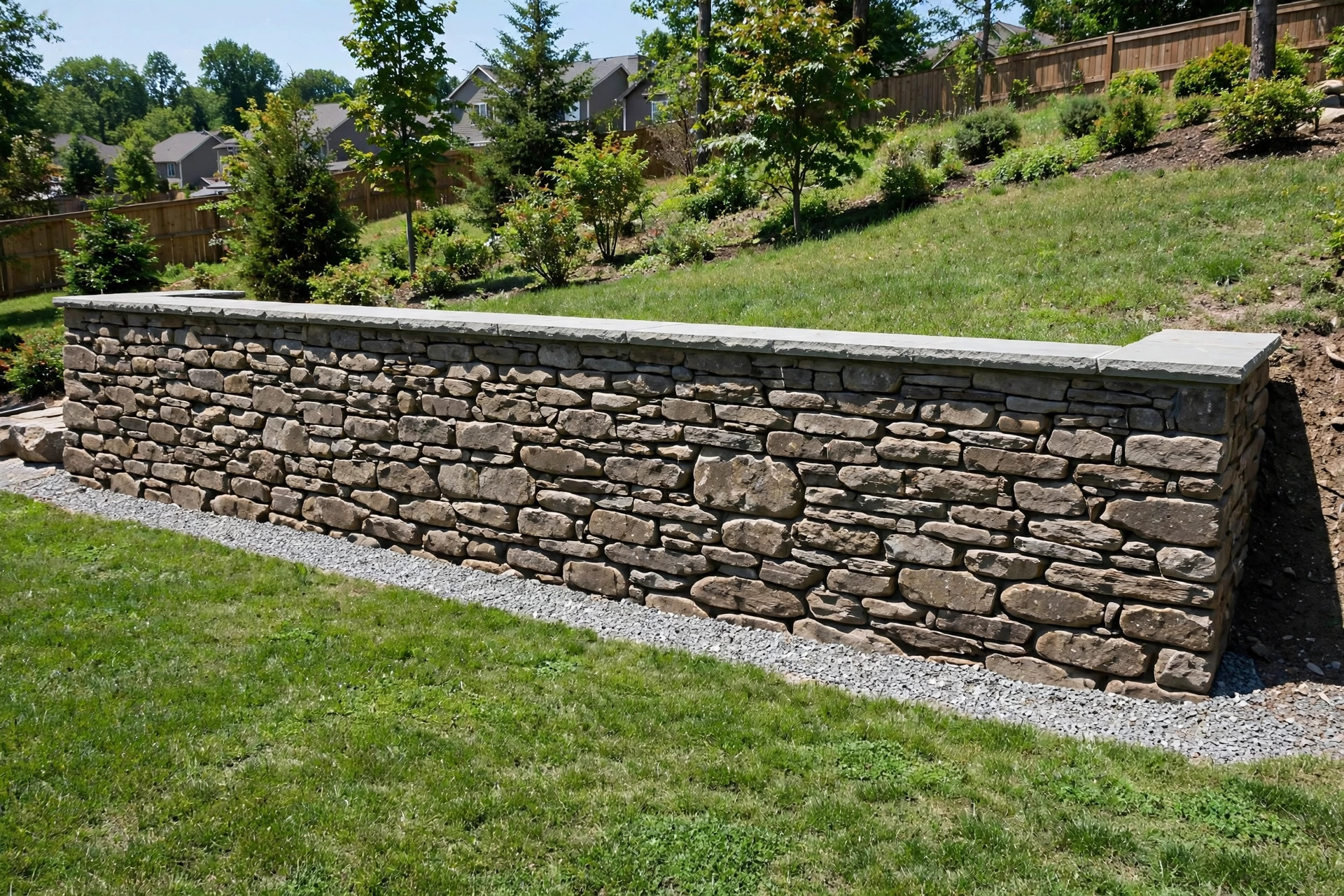

A sloped yard can cause real trouble. Rain washes soil away. Hills press against foundations. Usable space shrinks year by year. When a homeowner types best retaining wall builders near me into a search box, the need is clear. A wall must hold back earth, drain water, and look good for decades.
Not every contractor can build such a wall. Retaining walls are simple to picture but hard to build well. They carry heavy loads. They must stand through rain, frost, and dry spells. A poor wall can lean, crack, or fall. A good wall can last forty years or more.
This guide helps you hire with confidence. It explains why these walls matter. It shows what to ask before you sign a contract. It covers wall types, real costs, care, and safety. It ends with answers to common questions. Read it before you call the first builder.
Why a Retaining Wall Matters
Land that slopes will move. Gravity pulls soil down every day. Water speeds the slide. Each storm carries soil off a bare slope. Over time the yard loses ground near the house.
A retaining wall stops the slide. It holds soil in place. It turns a steep bank into flat, useful ground. Flat ground can hold a patio, a garden bed, or a play area. The yard gains rooms it never had.
Walls also protect the house. Soil that pushes against a foundation brings water with it. Water finds cracks. Basements flood. Repairs cost far more than a wall ever would. A well-built wall with proper drains moves water away from the house instead.
Curb appeal rises too. A neat stone or block wall frames the yard. It gives the home a finished look. Buyers notice it. Real estate agents say good landscaping pays back at sale time.
The key is building it right the first time. A failed wall must be torn out. Removal costs nearly as much as the first build. Then you pay for the wall again. Hiring a skilled builder is the cheapest path in the long run.
What to Look for in a Retaining Wall Builder: Best Retaining Wall Builders near Me
Finding the best retaining wall builders near me takes more than a quick search. You must check skill, papers, and past work. Use this checklist for every candidate.
License and Insurance
Ask for a license number. Check it with your state board. Many states require a contractor license for walls above a set height. Insurance matters just as much. The builder should carry general liability and workers compensation. Ask for a copy of the certificate. Call the insurer to confirm it is active. Never skip this step. An uninsured crew leaves you paying for accidents.
Experience with Walls Only
Many landscapers build patios and plant trees. Few know walls. Ask how many walls the builder has built. Ask how long the company has done this work. Ten walls is a start. One hundred walls is proof. Ask to see photos of walls built five or ten years ago. Old photos show how the work holds up.
Local Knowledge
Your builder should know your soil. Clay soil swells and pushes hard. Sandy soil drains fast but needs a firm base. A local builder has worked both. Local builders also know frost depth and rain patterns. They know which stone and block yards supply quality material nearby. Ask where they buy stone. Good answers come fast.
Written Contract
A good builder puts everything in writing. The contract should list the wall length, height, and depth. It should name the material by brand and type. It should describe the base, the drain, and the backfill. It should give start and finish dates. It should show the total price and the payment schedule. Avoid builders who work on a handshake alone.
References You Can Check
Ask for three recent customers. Call all three. Ask if the crew came on time. Ask if the final price matched the quote. Ask if the yard was left clean. Then ask for one customer from five years ago. A wall that still stands straight after five winters proves the builder’s skill.
Wall Types and Materials
Builders offer several wall styles. Each has strengths and limits. Your soil, height, and budget decide the best fit.
Gravity Block Walls
These walls rely on weight. Heavy concrete blocks stack into a thick wall. The wall’s own weight holds the soil back. They suit walls under four feet tall. They are common and cost less than stone. Many brands make interlocking blocks that fit like puzzle pieces.
Natural Stone Walls
Fieldstone and cut stone give a classic look. Stone walls fit old homes and rustic yards. They cost more because the work is slow. Each stone must be set by hand. Mortared stone walls are strong. Dry-stacked stone walls let water pass through small gaps.
Timber Walls
Treated wood timbers stack into simple walls. They suit short walls on gentle slopes. They cost the least up front. They last about fifteen to twenty years. Moisture and insects shorten their life. Most builders advise against timber for walls taller than three feet.
Concrete and Segmental Walls
Poured concrete walls are very strong. They suit tall walls and heavy loads. Segmental blocks look like stone but install faster. Both handle curves and corners well. An engineer may design walls above four feet. Check local codes before you plan a tall wall.
Gabion Walls
Gabions are wire cages filled with stone. They look modern and drain well. They work on slopes and near water. They cost mid-range. They suit homeowners who like an industrial look.
How to Choose the Right Builder for Your Yard
Start with three or four names. Search reviews, then ask neighbors. Home improvement resources such as Bob Vila and This Old House offer tips on checking contractor reputations. Sites like LawnStarter can help you find local landscape and wall services. General home guides at The Spruce and Family Handyman explain what good work looks like.
Invite each builder to walk your yard. Watch what they do. A good builder measures the slope. A good builder looks at soil and water flow. A good builder asks about the purpose of the wall. A bad builder quotes a price from the driveway.
Ask about drainage first. Every wall needs a drain. Water behind a wall builds pressure. Pressure breaks walls. The standard system is a perforated pipe at the base, wrapped in fabric, set in gravel. If the builder skips the drain, end the visit.
Ask about the base. Walls sit on a compacted gravel base, usually six to twelve inches deep. The base spreads the load. A shallow base lets the wall settle and lean. Ask how deep they dig. Vague answers warn of sloppy work.
Ask about permits. Many towns require permits for walls over three or four feet. Some require an engineer’s stamp. A good builder handles the permit. A builder who says no permit is needed for a six-foot wall may cut corners elsewhere.
Compare bids line by line. A low bid may skip the drain or use thin blocks. A high bid may include extras you do not need. The middle bid with full detail often wins. Trust clarity over price alone.
Study materials in person before you decide. Large home stores such as Home Depot and Lowe’s stock wall block, caps, and gravel so you can see colors and textures up close. For wider home exterior planning, manufacturer sites like James Hardie and CertainTeed publish guides on matching exterior materials. Seeing the stone in real light helps you choose a style that suits your house.
Cost and Price Guide
Retaining wall prices swing widely. Material, height, and site access drive the bill. These ranges reflect common United States prices.
– Timber walls: 15 to 30 dollars per square foot of wall face. – Segmental block walls: 20 to 45 dollars per square face foot. – Natural stone walls: 35 to 75 dollars per square face foot. – Poured concrete walls: 30 to 60 dollars per square face foot.
A square face foot means the front surface you see. Measure wall length times height. A wall 30 feet long and 4 feet tall has 120 square face feet. At 30 dollars per foot, the job costs 3,600 dollars. Site work adds more.
Access matters. A flat yard near the street keeps costs low. A steep hill behind the house needs equipment and hand work. Hauling stone up a hill takes time. Expect a surcharge of ten to twenty percent for hard access.
Drainage adds cost but saves the wall. A drain system may add 500 to 1,500 dollars. It is worth every cent. Skipping the drain is the most common cause of wall failure.
Permits and engineering cost extra. A simple permit may cost 100 to 300 dollars. An engineer plan may cost 500 to 2,000 dollars. Tall walls almost always need one.
Get three written bids. Each should break out materials, labor, drainage, and extras. This lets you compare fairly. A bid that hides the drain cost should raise doubt.
Payment terms should be fair. A deposit of ten to thirty percent is normal. The rest comes as work stages finish. Never pay the full price up front. Hold the last ten percent until you walk the finished wall and approve it.
Care and Upkeep
A good wall needs little care. A few small habits keep it standing straight for decades.
Check the wall each spring. Walk its full length. Look for leaning sections. Look for cracks wider than a hairline. Look for bulges. Small shifts caught early cost little to fix.
Keep drains clear. The pipe at the base should carry water out. Look at the drain outlets after heavy rain. Water should flow. If it does not, the pipe may be blocked. A builder or plumber can flush it.
Keep soil and mulch below the top of the wall. Piling soil against the top adds load. Keep heavy equipment away from the wall face. Do not park cars or stack firewood against it.
Watch plants. Small shrubs are fine. Large trees near the wall send roots behind it. Roots push blocks apart. Keep big trees at least ten feet from the wall base.
Repoint mortar joints when they crack. Clean stains with mild soap and water. Avoid harsh acids on natural stone. A coat of sealant can help some block walls resist freeze damage. Ask your builder which sealant fits your material.
If you ever need related exterior work, you can also review top rated retaining wall builders reviews to compare service quality, learn the foundation crack repair cost guide usa since walls and foundations share drainage concerns, or see the best concrete driveway resurfacing near me guide when your hardscape needs a refresh.
Safety Notes
Retaining walls hold back tons of soil. Treat them with respect.
– Call 811 before any digging. Utility lines may run through your yard. A cut gas or power line is deadly. The service is free. – Do not climb tall walls. Caps can shift. A fall from six feet can injure badly. – Keep children and pets away from active work sites. Heavy blocks and equipment pose real danger. – Make sure the builder fences the site each night. Open trenches must be marked or covered. – Ask the builder about load limits. Do not add a hot tub or shed above a wall unless the wall was designed for the weight. – After heavy storms, check for new leaning or water pooling. Fast action prevents collapse.
Frequently Asked Questions
How long does a retaining wall take to build?
A small wall may take two to four days. A large stone wall may take two to four weeks. Weather delays happen. Rain stops work on fresh base material. Your builder should give a schedule in writing and update you when it shifts.
Do I need a permit for my wall?
It depends on height and location. Most towns require permits for walls above three or four feet. Walls near property lines or slopes may need review too. Ask your builder and your town office. Permits protect you if a neighbor complains later.
What is the best material for a retaining wall?
There is no single best material. Block walls balance cost and life. Natural stone looks best and lasts longest. Timber costs least but dies young. Poured concrete is strongest for tall walls. Your budget, slope, and style should guide the pick.
Can I build a retaining wall myself?
Short walls under two feet can suit a skilled do-it-yourselfer. You still need a compacted base and a drain. Taller walls need skill, equipment, and permits. Most homeowners save money and stress by hiring a pro for anything above three feet.
How long will my retaining wall last?
Block and stone walls can last forty to sixty years with care. Poured concrete lasts as long or longer. Timber walls last fifteen to twenty years. Good drainage adds years to every type. Poor drainage shortens every type.
What voids a wall warranty?
Most builder warranties cover workmanship for one to five years. They do not cover damage from floods, earthquakes, or loads added later. Changing the grade above the wall may void coverage. Read the warranty paper before you change anything.
A Short Final Word
The best retaining wall builders near me are not always the cheapest. They are the ones who measure, explain, and write it all down. They drain the wall. They base it deep. They answer hard questions without dodging. Take your time. Check three builders. Compare written bids. Ask about soil, drains, and permits. A wall built right will outlast the fence, the deck, and maybe the roof. Choose well, and your hill will hold for a generation.
References
Bob Vila. (n.d.). Home improvement advice. https://www.bobvila.com CertainTeed. (n.d.). Building materials and exterior products. https://www.certainteed.com Family Handyman. (n.d.). DIY home repair and maintenance. https://www.familyhandyman.com James Hardie. (n.d.). Fiber cement siding and exterior products. https://www.jameshardie.com LawnStarter. (n.d.). Lawn care services and guides. https://www.lawnstarter.com Lowe’s. (n.d.). Home improvement products. https://www.lowes.com The Home Depot. (n.d.). Home improvement products. https://www.homedepot.com The Spruce. (n.d.). Home and garden advice. https://www.thespruce.com This Old House. (n.d.). Home renovation guidance. https://www.thisoldhouse.com
Was this guide helpful?

About Michael Thompson
The My Garden US editorial team writes practical, in-depth home and garden guides for American homeowners — tested advice, no fluff.
You May Also Like
Top Rated Retaining Wall Builders Near Me: A Homeowner Guide
August 9, 2026 0 views
Composite Decking Materials Price Comparison USA
January 4, 2026 0 views
How to Buy Landscape Lighting Transformers Online in Colorado
August 13, 2026 0 views