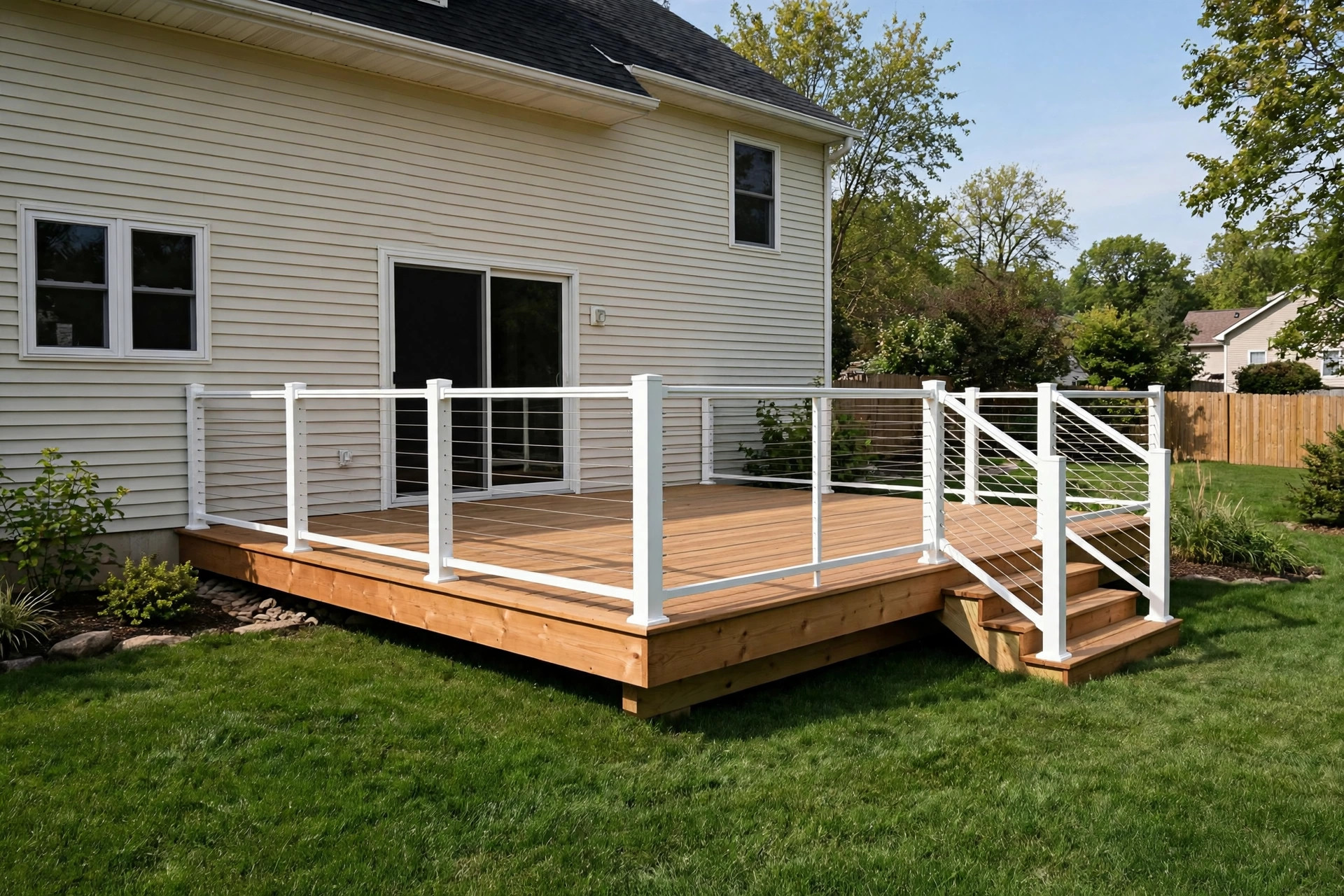

A deck is one of the largest projects most owners ever take on. The boards, rails, and footings will face sun, rain, and snow for years. The builder you hire decides whether the deck stays safe and strong or turns into a yearly repair job. That is why so many owners now read top rated deck building contractors reviews before they sign a contract. Reviews show what a contractor’s work really looks like after the truck leaves.
Reviews are not perfect. Some are fake. Some come from jobs that went wrong for reasons the builder could not control. But read with care, reviews are the best tool an owner has. This guide shows how to read them well, what to look for in a deck builder, what the work costs, and how to care for the finished deck.
Why Reviews Matter More for Decks Than for Small Jobs
A deck is a structure. It holds people, chairs, grills, and hot tubs. A bad deck can fail and hurt someone. Because of this, the skill of the builder matters more than it does for a simple paint job.
Reviews tell you things a price quote cannot. A quote shows a number. A review shows whether the builder kept his word. Did the crew arrive on time? Did they pull the right permits? Did the deck pass inspection? Did problems get fixed without a fight? These details only come from past customers.
Reviews also reveal patterns. One bad review may mean little. A dozen reviews that all mention the same problem, such as late starts or sloppy rail work, tell a clear story. When you read top rated deck building contractors reviews, look for these patterns rather than one perfect or one angry story.
What to Look For in a Deck Building Contractor: Top Rated Deck Building Contractors Reviews
License and Insurance
A deck builder should hold a valid contractor license in your state. Ask for the license number and check it with your state board. The builder should also carry liability insurance and workers comp. If a worker is hurt on your land and the builder has no insurance, you may face the cost.
Many review sites now let owners say whether the builder showed proof of license. Look for those notes. They matter.
Experience With Decks
General contractors may build decks now and then. A deck specialist builds them every week. Specialists know the details that matter, such as proper footing depth, ledger board flashing, and rail post strength. They know which wood grades last and which fasteners resist rust.
When you read reviews, look for words like decks, porches, and railings. A builder with fifty reviews about decks knows more than one with fifty reviews about kitchens and two about decks.
Permits and Inspections
Most cities require a permit for a deck. The permit process forces a plan review and an inspection. These steps protect you. A good builder handles the permit as part of the job. A builder who suggests skipping the permit should not be hired.
Reviews often mention permits. A note like “they pulled the permit and passed inspection on the first try” is a strong sign of a solid builder.
Clear Written Contracts
A contract should list the size of the deck, the materials, the start and finish dates, the payment plan, and the warranty. Verbal promises mean little when a problem shows up later.
Owners in reviews often say whether the builder put everything in writing. Trust builders who work on paper.
Communication
Decks take days or weeks. You will talk with the builder often. Reviews that praise clear calls, honest updates, and quick answers point to a builder you can work with. Reviews that mention silence, no-shows, and excuses point the other way.
Types of Decks and Materials
Pressure Treated Wood
Pressure treated pine is the most common deck wood. It is strong, low in cost, and widely sold. With stain and care, it lasts fifteen to twenty years. Review writers often compare costs on this material, and you can read a pressure treated lumber decking price comparison to see how wood stacks up against other choices.
Cedar and Redwood
Cedar and redwood cost more than pine. They resist rot and insects well, and they look rich without much finish. Owners who want a natural look often pick cedar. It needs re-sealing every few years to keep its color.
Composite Decking
Composite boards mix wood fiber and plastic. They cost more up front but need far less care. No sanding. No yearly stain. They last twenty-five years or more in many cases. Many top builders now work mostly with composite. Reviews of composite decks often focus on how the boards look after five or ten years.
PVC Decking
PVC boards are fully plastic. They resist mold, stains, and sun fade well. They are the most costly choice but ask almost nothing of the owner after install.
Rail Systems
Rails come in wood, metal, cable, and glass. Each changes the look and the price. Cable and glass rails cost more but open up the view. Make sure your builder has installed your chosen rail type before. Ask for photos.
How to Read Reviews Like a Pro
Use More Than One Site
Read reviews on several sites. Angi, Google, Yelp, the Better Business Bureau, and HomeAdvisor each hold different reviews. A builder with strong marks across three sites is safer than one with strong marks on only one.
Read the Middle Reviews
Five-star and one-star reviews tell the extremes. Three and four-star reviews often give the fairest view. They say what went well and what did not. These reviews teach you the most.
Look for Detail
Good reviews give facts. They name the crew lead. They give the start date. They say how long the job took. Fake reviews are often short and vague, like “Great work, highly recommend!” with no detail. Trust reviews that read like real stories.
Watch for Owner Replies
Strong builders reply to reviews, both good and bad. A calm, honest reply to a bad review shows a builder who cares. Silence, or a rude reply, shows the opposite.
Check the Dates
A builder with fifty reviews all posted in one month may have paid for them. Real reviews spread out over years. Look for steady review flow over time.
Ask for Recent References
Reviews online help, but a short list of recent customers is better. Call two or three. Ask if the deck passed inspection, if the price held, and if they would hire the builder again. A builder who refuses to share references is a builder to skip.
Cost and Price: What a Deck Really Costs
Deck prices move with size, material, rail type, stairs, and your region. A simple ground-level wood deck of 300 square feet may run eight to twelve thousand dollars in many states. A larger raised deck with composite boards, cable rails, and built-in stairs can run thirty to fifty thousand dollars or more.
Labor is a large part of the cost. Skilled deck crews earn their pay. A very low bid often means thin materials, skipped steps, or no permit. When three builders bid, the middle bid is often the honest one.
Get at least three written bids. Each bid should break down labor and materials. Ask each builder the same questions so you can compare fairly. The thisoldhouse site has solid guides on how deck costs break down, and bobvila publishes yearly cost ranges that owners trust.
Many review writers share what they paid. These real numbers help you judge whether a bid is fair. Just remember that prices shift with time and place.
Questions That Protect Your Wallet
– Is the permit fee included in the bid? – Are the footings, framing, and rails all itemized? – What is the payment schedule? Never pay the full price up front. – What is the warranty on labor and materials? – Who fixes problems found at inspection?
Keep at least ten percent of the price back until the final inspection passes and the work is done.
Care and Upkeep After the Build
A deck needs care to last. Wood decks need a wash each year and a new coat of stain or sealer every two to three years. Composite decks need a wash with soap and water each season. Check the rails, stairs, and fasteners each spring. Tighten loose screws and replace cracked boards early.
Gutters and downspouts near the deck should drain away from the footings. Standing water shortens the life of any deck. Trim plants back so air can flow under the boards.
The familyhandyman site offers clear, simple deck care guides that walk owners through each step.
Safety First
Deck safety starts with the structure. Footings must sit below the frost line in cold states. The ledger board, which ties the deck to the house, must be bolted and flashed right. Most deck failures trace back to a bad ledger. Ask your builder to show you the ledger work before the boards go down.
Rails must be at least 36 inches high in most codes, and the gaps must be small enough that a child cannot slip through. Stairs need solid stringers and a firm handrail. If your deck is high off the ground, these details matter even more.
The cpsc site tracks deck and porch failures and publishes safety notes that every owner should read. Your local code office can also tell you the exact rules for your town.
After storms, walk the deck. Look for loose rails, soft boards, and pulled nails. Small fixes now stop big failures later.
Frequently Asked Questions
How do I find top rated deck building contractors reviews near me?
Start with a web search for “deck builder” plus your city. Read reviews on Google, Angi, Yelp, and the Better Business Bureau. Ask friends and neighbors who built a deck in the last few years. Drive by local jobs and note the signs in yards. A builder with a strong local review history is usually the safest pick.
How many reviews does a builder need before I trust them?
There is no fixed number, but thirty or more reviews across a few sites is a good floor. What matters more is the pattern. Steady, detailed, positive reviews over two or more years beat fifty short reviews posted in a single month.
Should I hire the cheapest bidder?
Almost never. Decks are structures that must hold weight safely. A bid that sits far below the others often means thin materials, no permit, or rushed labor. Compare three bids. Ask what each one includes. The lowest bid that still covers permits, good materials, and a warranty may be fine, but a bid that is far below the rest is a warning sign.
How long should a deck build take?
A simple deck may take three to five days. A large or raised deck with stairs and rails can take two to four weeks. Weather, permits, and material delivery can add time. Your contract should give a start date and a finish date, and the builder should warn you early if the plan slips.
What warranty should I expect?
Most good builders give a one to five year warranty on labor. Material makers give their own warranties, often twenty-five years or more for composite boards. Get both warranties in writing. Ask what the warranty covers and how claims are handled.
Can a deck builder also handle related exterior work?
Many deck builders also do porches, pergolas, railings, and siding. Some handle retaining walls too, and you can read top rated retaining wall builders reviews if your yard needs one. If your project touches the siding, ask about weather resistant soffit and fascia repair as well. One skilled crew can save you time and cost on bundled work.
Final Word
Reading top rated deck building contractors reviews is the single best step you can take before hiring. Reviews show real work, real prices, and real behavior. Take an hour to read across three sites. Call the references. Check the license. Ask for a written contract with a fair payment plan.
A deck should give you twenty years of cookouts, quiet mornings, and evening light. Hire the builder who has earned it, one good review at a time, and your deck will pay you back for decades.
Retailers like homedepot and lowes sell the boards, fasteners, and tools your builder will use, so it helps to know the product names in the bid. Brand makers such as jameshardie and certainteed publish install guides that show how pros handle exterior details. For plain how-to writing, thespruce keeps a deep library of deck and exterior guides.
References
Bob Vila. (n.d.). Home improvement advice. https://www.bobvila.com CertainTeed. (n.d.). Building materials and exterior products. https://www.certainteed.com Family Handyman. (n.d.). DIY home repair and maintenance. https://www.familyhandyman.com James Hardie. (n.d.). Fiber cement siding and exterior products. https://www.jameshardie.com Lowe’s. (n.d.). Home improvement products. https://www.lowes.com The Home Depot. (n.d.). Home improvement products. https://www.homedepot.com The Spruce. (n.d.). Home and garden advice. https://www.thespruce.com This Old House. (n.d.). Home renovation guidance. https://www.thisoldhouse.com U.S. Consumer Product Safety Commission. (n.d.). Product safety information. https://www.cpsc.gov
Was this guide helpful?

About Emily Rodriguez
The My Garden US editorial team writes practical, in-depth home and garden guides for American homeowners — tested advice, no fluff.
You May Also Like

Weather Resistant Basement Waterproofing Services Near Me
April 16, 2026 0 views
Reliable Basement Waterproofing Services in Arizona: A Homeowner Guide
June 26, 2026 0 views
Storm Door Installation Cost Guide USA: What Every Homeowner Should Know
July 24, 2026 0 views