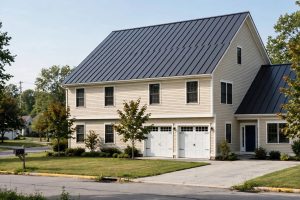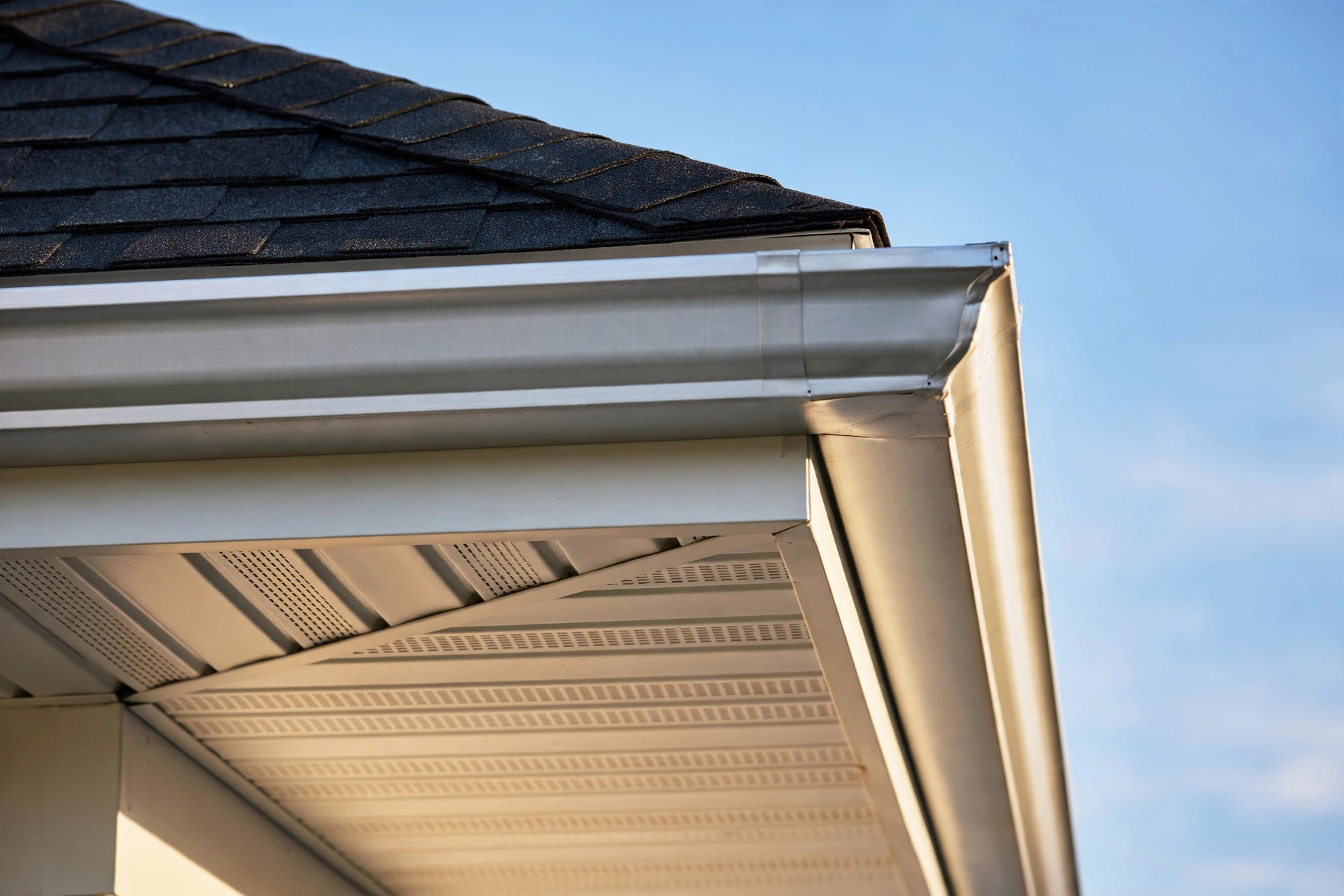

The roof over your head depends on small parts that few people notice. Weather resistant soffit and fascia repair for homeowners is one of the most useful repairs a family can make. The soffit is the flat panel under the roof edge. The fascia is the flat board at the very edge of the roof. Together they seal the gap between the wall and the roof. When they fail, water gets in. Pests get in. Paint peels. Wood rots. A good repair stops these problems before they grow.
Many homes show damage at the eaves and no one sees it. The boards look fine from the street. Up close the story is different. Water stains run down the wall. The paint bubbles. Birds slip into the attic through a gap. A careful homeowner checks these spots once a year. A repair with weather resistant parts can last decades.
Why Soffit and Fascia Matter
The roof edge takes the worst of the weather. Rain runs off the shingles and hits the fascia. Sun beats on it all summer. Ice forms on it in winter. The soffit sits below, and it takes splash back and wind driven rain. These two parts guard the wood frame of the roof. They also guard the attic.
A sound soffit also helps the house breathe. Most soffit panels have small vents. Air flows in through these vents and out through the roof vents above. This air flow keeps the attic cooler in summer. It also cuts moisture in winter. When vents are blocked or broken, the attic grows damp. Damp attics rot wood and feed mold.
Curb appeal matters too. The fascia board carries the gutters. Its straight line sets the look of the whole roof edge. Peeling boards and rotted ends make even a fine house look tired. New boards give a crisp line. The paint stays on longer. The whole front of the house looks cared for. Buyers notice this when they drive past.
Signs Your Soffit and Fascia Need Repair: Weather Resistant Soffit and Fascia Repair for Homeowners
Walk around the house and look up at the eaves. The signs of trouble are easy to read once you know them. Water stains on the soffit show that rain is getting past the shingles or the gutter. Paint that peels in sheets shows that moisture is trapped in the board. Wood that feels soft when you press it is rot, and it will only spread.
Gaps are another warning. If the fascia pulls away from the roof, or the soffit panel hangs loose, the nails have worked free or the wood has shrunk. Open gaps let wasps, birds, and squirrels into the attic. One nest in the attic can bring fleas, droppings, and chewed wires.
Watch the gutters as well. Sagging gutters pull on the fascia board. If the fascia is weak, the gutter screws tear out. Water then runs down the wall instead of into the downspout. This harms the siding and the foundation. A guide to gutter installation services can help you judge whether the gutters need work at the same time as the fascia. Good repair plans often handle both together.
Look for flaking paint, soft wood, wasp nests, and bird traffic at the eaves. Icicles in winter mean warm air is melting snow on the roof and it is refreezing at the edge.
What to Look for When You Choose Materials
A repair lasts only as long as its parts. Weather resistant materials share a few traits. They shed water. They hold paint. They do not swell or shrink much with heat and cold. They resist rot, insects, and sun damage.
First, ask how it handles water. Wood boards drink water unless they are sealed and painted on all sides. Aluminum and vinyl do not drink water at all. Fiber cement sheds water well once it is sealed. In wet regions, this one question decides most choices.
Second, ask how it handles sun. Ultraviolet light breaks down plastic and chalking paint. Quality vinyl has UV blockers mixed through the panel, not just on the surface. Painted boards need paint made for exterior trim. Dark colors fade faster than light ones.
Third, ask about the vents. A soffit panel should give clear air flow. Some panels have hidden vents that show no holes from the street. These look clean and still breathe. Whatever style you choose, match the vent area to the roof vents above. An attic needs a balanced system to work right.
Fourth, ask about the warranty. A maker who stands behind a product for twenty years or more is a good sign. Read what the warranty covers. Most cover defects in the board, not poor paint or bad cuts. Advice on trim replacement reviews can show which boards hold up in real use.
Fifth, ask about matching. A patch repair should blend with the rest of the eaves. Many makers sell trim in standard colors and profiles. Buy extra material so a future patch matches the repair you make today.
Types of Weather Resistant Options
No one material suits every house. Each has strengths. The best choice depends on climate, budget, and the style of the home.
Aluminum
Aluminum coil stock is a workhorse. A brake shapes flat aluminum into fascia covers and soffit panels on site. The metal will not rot and it needs little care. It comes in many colors with baked on finish. A hail storm can dent it, and sharp ladders can bend it. Still, for low upkeep it is hard to beat.
Vinyl
Vinyl soffit panels are common across the country. They snap into place and never need paint. They shed rain and resist insects. Good vinyl keeps its color for years thanks to UV blockers. Cheap vinyl can crack in deep cold, so check the rating for your region. Stores such as Home Depot and Lowe’s list current prices and cold ratings for soffit panels and trim on their sites.
Fiber Cement
Fiber cement is made of cement, sand, and fibers. It feels like wood but resists rot and insects. It holds paint longer than plain wood. It is heavy and needs special blades to cut. Fiber cement makers like James Hardie and CertainTeed publish full guides for their siding and trim products.
Wood
Real wood gives a classic look that some older homes need. Cedar and redwood resist rot better than pine. Any wood board should be primed on all six sides before it goes up. Paint needs to be kept up every few years.
Whichever type you choose, insist on stainless steel or hot dipped nails and screws. Plain steel rusts and bleeds through paint. A small fastener choice can make or break a long lasting repair.
How the Repair Works
A typical repair follows a set order. First, the old boards come off. The worker pulls the damaged soffit and fascia and checks the rafter ends behind them. Rot often hides behind a board that looks sound. Any soft rafter ends get cut back to solid wood and joined with new lumber.
Next, the worker seals the wood. New boards get primer on every face, even the cuts. Vents go in with the soffit panels. The fascia goes up straight and level so the gutters hang true. Caulk seals the joints where boards meet the wall and the roof.
Homeowners can find step by step help from trusted DIY guides. The how to library at Family Handyman walks through eave repairs with photos. The project guides at This Old House show the same work on real houses. The repair pages at Bob Vila explain tools and parts in plain terms.
Some owners do part of the work themselves and hire a pro for the roof edge. Working at height is the main risk. A repair that needs long ladders and steep roof lines is best left to a crew with proper gear.
Cost and Price
Cost depends on the size of the house, the damage found, and the material chosen. For small patches, a few hundred dollars may cover parts and labor. A full wrap of the eaves on an average home can run into the low thousands. Fiber cement and cedar cost more than vinyl and aluminum. Steep roofs and two story walls raise the labor price.
Get three written quotes. Each quote should list the linear feet of fascia and square feet of soffit, the material brand, and whether paint is included. Ask whether the crew will replace damaged rafter ends and vents, or just the boards. A quote that seems too low often skips this hidden work. Homeowners comparing options can read soffit and fascia repair reviews to learn what others paid and what lasted.
Do not let price alone pick the winner. A cheap board that rots in eight years costs more than a good board that lasts thirty. Ask each bidder how long the repair should last and what care it needs. Put the answer in writing.
Care and Upkeep
A weather resistant repair still needs light care. Twice a year, walk the house and look up. Clean the soffit vents with a soft brush so air can move. Wash off grime with a garden hose, not a harsh pressure washer. A hard spray can drive water behind the boards.
Keep gutters clean. Clogged gutters overflow at the fascia. The constant wet splash shortens the life of even the best boards. Trim tree limbs back from the eaves. Wet leaves that rest on the fascia hold moisture against it. Keep sprinkler heads aimed away from the house.
Repaint when the paint starts to chalk. A fresh coat now is cheap. Waiting until the paint peels lets water into the board, and then the cost jumps.
Check the caulk joints each spring. Caulk shrinks and cracks with age. A new bead of exterior caulk takes minutes and stops a leak that could rot a rafter end. Small habits like these add years to the repair. The project ideas pages at The Spruce show care routines for exterior trim and eaves.
Safety
Roof edge work has real risks. Falls are the main one. Never work from a ladder alone if you can avoid it. Set the ladder on firm, level ground. Keep three points of contact at all times. Do not lean past the rails. If the roof is steep or the wall is high, hire a crew.
Watch for power lines near the eaves. Aluminum boards conduct electricity. Keep metal parts clear of service wires. If wires touch the roof edge, call the power company before any work starts.
Wear safety glasses and gloves. Cutting fiber cement makes dust, so wear a dust mask or respirator and cut outdoors. Follow the maker safety sheets. Old homes may have lead paint on the old boards. If the house was built before 1978, test the paint or hire a lead safe crew. Lead dust is a serious health risk, and the rules for handling it are strict.
Frequently Asked Questions
How do I know if I need a full replacement or just a patch?
Press the boards and look for soft spots. If the damage covers less than a third of the eaves and the rest is sound, a patch often works. If rot runs along most of the wall or the rafter ends are soft, a full run is smarter. A patch on bad framing will fail fast.
Can I put new soffit over the old boards?
It is not wise. Covering rot traps moisture and hides the damage. Pests keep working under the cover. Take the old boards off, fix what is behind them, then put new boards up. The job takes longer, but the result lasts.
Which material lasts the longest?
Fiber cement and aluminum often top the list for long life with little care. Vinyl also lasts well in mild climates. Wood can last long too, but only with steady paint and upkeep. The climate and the quality of the install matter as much as the material.
How long does the repair take?
A small patch can be done in a day. A full eave wrap on an average home takes two to four days for a crew, depending on the damage found. Paint adds a day or two of drying time. Weather can push the schedule.
Will new soffit vents help my attic?
Yes, if the vents match the roof vents above. Air must flow in low and out high. A vented soffit with a clear path to the ridge vent cuts attic heat and moisture. If the old panels had no vents, adding vented panels is a real gain.
Should I replace the gutters at the same time?
Often yes. The gutters hang from the fascia. If they are old or bent, it is cheaper to do both at once than to pay for the ladder work twice. Check the gutter screws and the slope while the fascia is bare.
Final Word
The eaves do quiet work. They keep water, pests, and wind out of the house frame. They keep the attic air moving. Weather resistant soffit and fascia repair for homeowners is one of those jobs that pays back in ways you can see and ways you cannot.
Start with a careful look at your own eaves. Note what you see. Pick a material that suits your climate. Get clear quotes in writing. These plain steps will keep the roof edge sound for many years.
References
Bob Vila. (n.d.). Home improvement advice. https://www.bobvila.com CertainTeed. (n.d.). Building materials and exterior products. https://www.certainteed.com Family Handyman. (n.d.). DIY home repair and maintenance. https://www.familyhandyman.com James Hardie. (n.d.). Fiber cement siding and exterior products. https://www.jameshardie.com Lowe’s. (n.d.). Home improvement products. https://www.lowes.com The Home Depot. (n.d.). Home improvement products. https://www.homedepot.com The Spruce. (n.d.). Home and garden advice. https://www.thespruce.com This Old House. (n.d.). Home renovation guidance. https://www.thisoldhouse.com
Was this guide helpful?

About Emily Rodriguez
The My Garden US editorial team writes practical, in-depth home and garden guides for American homeowners — tested advice, no fluff.
You May Also Like

Top Rated Sliding Patio Doors for Small Apartments: A Buyer’s Guide
May 27, 2026 0 views
Top Rated Outdoor Security Cameras With Free Shipping
July 13, 2026 0 views
Exterior Door Replacement Cost Guide USA
June 30, 2026 0 views