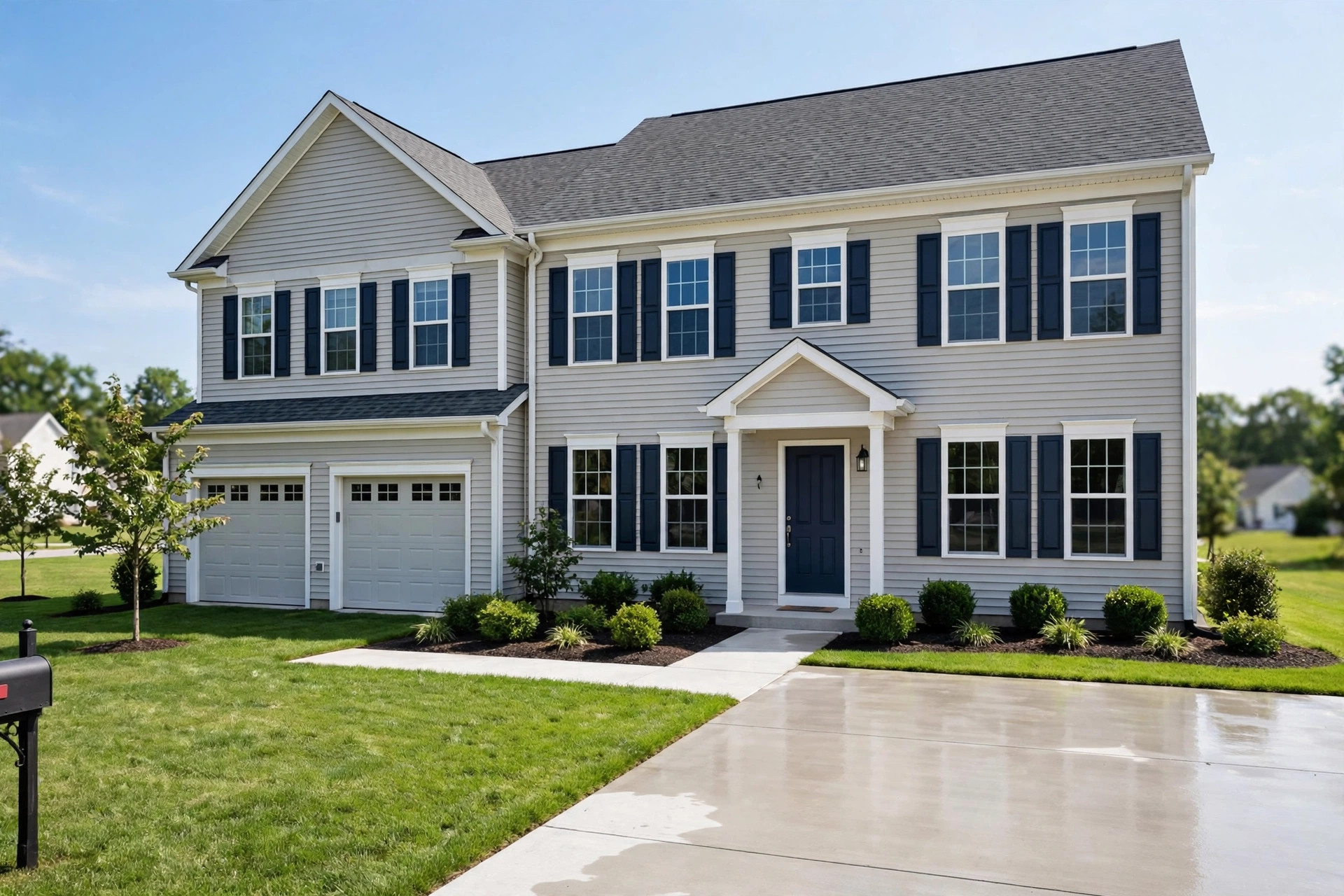

Every year, dirt settles on the walls of a house. Mold grows in the shade. Algae turns siding green. Gutters fill with grime. A home that once looked fresh begins to look tired. Paint hides the damage for a while, but dirt works its way into every crack and seam.
Many homeowners face this problem. They see the stains. They wonder what to do. Some try the job themselves. Others look for the best house power washing services near me and hire a crew. Both paths can work, but they are not the same.
This guide explains how to find and judge a good power washing company. It covers what the service includes, what it should cost, how to keep your home clean after the wash, and how to stay safe. The words are simple. The advice is plain. Read it once, and you will know what to ask before anyone touches your siding.
Why Power Washing Matters
Dirt is not just ugly. It does real harm to a house. Mold and mildew eat into paint and wood. Algae holds moisture against siding, and moisture leads to rot. In damp parts of the country, green film can cover the north side of a home in a single season.
A proper wash removes these growths before they cause damage and protects your paint job. Paint lasts longer on a clean, dry surface.
Clean walls also help with health. Mold spores near doors and windows can drift inside. A good wash takes the spores away from the entryways.
There is a money side too. A clean exterior raises curb appeal. Real estate agents have said for years that a washed house sells faster than a dirty one. Buyers judge a home in the first ten seconds. Fresh siding, a clean driveway, and clear gutters send a strong signal that the house is cared for.
Power washing also guards the parts of the house you do not see up close. Soffits, fascia, and trim collect dust and spider nests. A crew that washes the whole shell of the house keeps those parts sound. If you ever need weather resistant soffit and fascia repair for homeowners, regular washing lowers the odds that you will need it soon.
What Power Washing Actually Means: Best House Power Washing Services near Me
The term gets used loosely. In plain terms, power washing means cleaning a surface with water sprayed at high pressure. Pressure washing is nearly the same thing. Some companies draw a line between the two: power washing uses hot water, and pressure washing uses cold water. Most homeowners can treat them as one service.
There is a gentler method called soft washing. It uses low pressure and cleaning solutions to kill mold and algae. Soft washing is the right choice for roofs, old wood, and delicate siding. A good company knows which method fits which surface. High pressure on the wrong surface can strip paint, dent soft wood, and force water under the siding.
A full house wash usually covers the siding on all four walls, the trim, the shutters, and the front steps. Many crews also wash the driveway, the walkway, the patio, and the fence for an added fee. Ask exactly what is included before you agree to a price.
How to Choose the Right Service
Finding the best house power washing services near me starts with a short list. Ask neighbors who they used. Look for trucks in your area; a company that works nearby is easy to reach if a problem comes up. Check online reviews, but read them with care. Look for detailed reviews that mention the house type, the work done, and the crew’s manners.
Then call at least three companies. A serious company will answer the phone or call back the same day and ask about your house: stories, siding type, and dirt level.
Ask these questions before you hire:
1. Are you insured? Ask to see proof of liability insurance. If a worker breaks a window or damages siding, insurance pays for it. 2. What method do you use on siding? The answer should mention soft washing or low pressure for vinyl and painted wood. 3. What cleaning solutions do you use? They should be safe for plants, pets, and children. The crew should wet down plants before and after the wash. 4. How do you protect windows and fixtures? Good crews cover outdoor outlets, light fixtures, and doorbells. 5. Do you guarantee your work? Many good companies offer a short warranty against missed spots.
Experience matters. A crew that has washed thousands of homes has seen every siding type and every stain. They know local problems, like red clay stains in the South or salt film near the coast.
You can learn a lot before you call anyone. The Home Depot site explains the difference between washers for sale and professional rigs. This Old House has plain advice on home exteriors. Bob Vila covers pressure washing tips for owners who want to understand the job.
Types of Power Washing Services
Not every company offers the same menu. The basic house wash is the most common. A crew walks the full perimeter with wands, working top to bottom so dirty water runs down and away. Most house washes take two to four hours.
Roof soft washing is a separate service. Roofs should never take full pressure. Asphalt shingles lose their grit under a hard spray, and tile can crack. Soft washing uses chemistry to kill moss and algae, then rinses gently.
Concrete washing covers driveways, sidewalks, patios, and garage floors. Concrete can take more pressure than siding, and a surface cleaner tool gives an even finish without streaks. If your driveway is stained beyond what a wash can fix, you may want to read about best concrete driveway resurfacing near me as a next step.
Deck and fence washing needs a light touch. A good crew uses low pressure and a wood-safe cleaner, then lets the wood dry before sealing.
Gutter cleaning is often paired with a house wash. Gutters look better, and the crew is already on ladders. Some companies also clean the outside of gutters as part of the package.
Cost and Price
Prices vary by region, house size, and dirt level. Still, there are common ranges. A basic house wash for a one-story home often costs between one hundred fifty and three hundred dollars. A two-story home may cost two hundred fifty to five hundred dollars. Driveways and walkways add one hundred to two hundred dollars.
Be careful with prices that look too low. A crew charging far under the local average may skip insurance, use harsh chemicals, or rush the job. They may also add fees at the door. Get the price in writing. The written quote should list every surface to be washed and the total cost.
Some companies charge by the square foot. Others charge by the job. Neither method is wrong. Ask what happens if the job takes longer than planned. A fixed quote protects you.
Season matters. Spring is the busy season in most states. Late fall can bring discounts, but washing in freezing weather is a bad idea. Water that freezes on a walkway is a hazard, and cleaners work poorly in the cold.
Pay by card or check when you can. A paper trail helps if there is a dispute. Never pay the full amount before the work starts. A small deposit is normal for a large job. The rest is due when you have walked the house with the crew and are satisfied.
For a sense of what equipment costs if you ever consider doing it yourself, Lowe’s lists consumer washers by pressure rating, and Consumer Reports tests and rates them. Most owners find that hiring a crew costs less than buying a good machine, storing it, and spending a weekend on a ladder.
Care and Upkeep After the Wash
A professional wash does not last forever. How long it lasts depends on shade, rain, and trees. A house under big trees may need washing every year. A sunny house in a dry climate may stay clean for three years.
You can stretch the life of a wash with simple habits. Trim bushes so air moves along the walls. Keep sprinklers from spraying the siding every day. Clean gutters twice a year so dirty overflow does not stain the walls. Sweep porches and steps so grit does not grind into concrete.
Watch for early signs of regrowth. Green film on the north wall, black streaks under the eaves, and white chalk on brick all mean it is time to call again. Catching mold early means a lighter wash and a lower bill.
Between full washes, you can rinse siding with a garden hose to knock off loose dust. Do not use bleach from the laundry room on siding. It can harm plants and fade some finishes. If you want a mild cleaner, dish soap and water with a soft brush works for small spots.
Keep records of each wash. Note the date, the company, and the price. This helps you plan the next visit. The Spruce has simple cleaning schedules for homeowners who like to plan ahead.
Siding makers also give care advice worth reading. James Hardie publishes washing guidance for fiber cement siding, and CertainTeed does the same for its vinyl and trim products. Following the maker’s advice protects your warranty.
Safety First
Water at high pressure can cut skin and damage eyes. This is why most owners hire a crew rather than renting a machine. If you do wash anything yourself, wear safety glasses, closed shoes, and long sleeves. Never point the wand at people, pets, or windows.
Ladders add risk. Much of the worst damage from do-it-yourself washing comes from falls, not from the spray. A professional crew brings the right ladders and knows how to set them. Stay off the roof. Wet shingles are slick, and a fall from a roof can kill.
Chemicals need respect too. Even mild cleaners can burn eyes. Keep children and pets away from the work area until the crew finishes and rinses. Ask the crew to protect your garden beds. Good companies pre-wet plants and cover the most delicate ones.
Water use is another concern. A pressure washer uses less water than a garden hose left running, because it works faster. Still, in dry states, check local rules. The EPA offers guidance on wise water use around the home, and Family Handyman has practical tips for washing without waste.
Electrical safety counts as well. Outdoor outlets, light fixtures, and doorbell cameras do not mix with water. A good crew covers them before spraying. If you see a worker spraying straight at an outlet, stop the job and speak up.
Frequently Asked Questions
How often should I have my house power washed?
Most homes need a wash every one to two years. Shady, damp lots may need it yearly. Homes in dry, sunny areas may go three years. Watch for green film, black streaks, and dull siding. Those are your signals.
Will power washing damage my siding?
It can, if done wrong. High pressure can crack vinyl, strip paint, and dent wood. That is why professionals use soft washing or low pressure on siding. Ask your contractor which method they use. If they plan to blast vinyl siding at full pressure, hire someone else.
What is the difference between power washing and pressure washing?
In common speech, they mean the same thing. Some pros say power washing uses heated water while pressure washing uses cold water. For a house wash, the distinction rarely matters. What matters is the pressure setting and the cleaning solution.
Can I power wash my house myself?
You can, but weigh the costs. A rental or a bought machine, a weekend of labor, and the risk of damage or a fall. Many owners find that hiring a crew costs about the same as doing it well themselves. If you do try it, start with low pressure on a hidden spot.
How long does a house wash take?
A typical single-family home takes two to four hours. A larger two-story home with a driveway and patio may take a full day. Weather can slow the work. Wind blows the spray, and rain stops it.
Should I be home during the wash?
It helps, but it is not required. Be there at the start to point out problem spots and fragile items. Be there at the end to walk the house with the crew. If you cannot be home, leave clear notes and make sure pets are inside.
A Final Word
A clean house is a sound house. Dirt, mold, and algae are slow enemies. They work year after year. A regular wash stops them at low cost and keeps your home looking its best.
Take time to choose well. Call three companies. Ask about insurance, methods, and chemicals. Get the price in writing. Then let the crew do the hard work while you watch the years of grime rinse away.
The search for the best house power washing services near me ends with a simple test: did they show up on time, treat your home with care, and leave it clean? If the answer is yes, keep their number. You will need them again in a year or two. And if you are comparing top rated house power washing services near me against other options, the questions in this guide will serve you well. For help choosing a reputable local contractor, Angi lists reviewed pros in most American towns.
References
Angi. (n.d.). Home services marketplace. https://www.angi.com Bob Vila. (n.d.). Home improvement advice. https://www.bobvila.com CertainTeed. (n.d.). Building materials and exterior products. https://www.certainteed.com Consumer Reports. (n.d.). Product reviews and ratings. https://www.consumerreports.org Family Handyman. (n.d.). DIY home repair and maintenance. https://www.familyhandyman.com James Hardie. (n.d.). Fiber cement siding and exterior products. https://www.jameshardie.com Lowe’s. (n.d.). Home improvement products. https://www.lowes.com The Home Depot. (n.d.). Home improvement products. https://www.homedepot.com The Spruce. (n.d.). Home and garden advice. https://www.thespruce.com This Old House. (n.d.). Home renovation guidance. https://www.thisoldhouse.com U.S. Environmental Protection Agency. (n.d.). Protecting human health and the environment. https://www.epa.gov
Was this guide helpful?

About Emily Rodriguez
The My Garden US editorial team writes practical, in-depth home and garden guides for American homeowners — tested advice, no fluff.
You May Also Like
Best Gutter Installation Services Near Me: A Complete Guide
September 4, 2026 0 views
Premium Curb Appeal Makeover Services Near Me
March 5, 2026 0 views
Best Exterior Trim Replacement Near Me: What Every Homeowner Should Know
January 3, 2026 0 views