Curtains get dirty. Dust settles on the folds. Pet hair clings to the fabric. Cooking smells drift in from the kitchen. When you search for machine washable window treatment installation services near me, you want a local pro who will measure, hang, and fit curtains or shades that you can toss in the washing machine. This guide explains what to look for, what it costs, and how to keep your washable treatments looking fresh for years.
Why Machine Washable Window Treatments Matter
Window treatments work hard. They block light, guard privacy, and soften a room. In homes with kids, pets, or smokers, fabric panels soak up odors and stains faster than most people expect. A washable panel solves this problem. You unhook it, run it through a gentle cycle, and hang it back up. No dry cleaning bill. No musty smell.
Health is another reason. Curtains trap pollen, dust mites, and dander. Washing them twice a year cuts down on allergens. Many buyers on IKEA and Wayfair now look for the “machine washable” label before they add a panel to the cart. Installers who know these fabrics can also advise on liners and backing that survive the wash without shrinking.
What to Look for When You Hire Local Help: Machine Washable Window Treatment Installation Services near Me
A good installer does more than hang a rod. He or she measures each window, checks for level, finds studs or solid anchors, and sets the hardware so panels open and close with ease. Ask these questions before you book.
First, ask about experience with washable fabrics. Some panels shrink up to three percent in the first wash. A careful installer leaves extra length or hems the panels after a test wash. Second, ask about mounting. Heavy lined drapes need stronger brackets than sheer panels. Third, ask about lead time. A local service usually measures one day and installs a week later, once the order arrives.
Check reviews and photos of past jobs. Sites like The Spruce and Bob Vila publish guides on what a clean install should look like. You can also compare hardware and prices at The Home Depot or Lowe’s before your installer arrives, so you know what a fair price is.
Types of Machine Washable Window Treatments
Not every treatment can go in the washer. Here are the main washable options.
Washable Curtain Panels
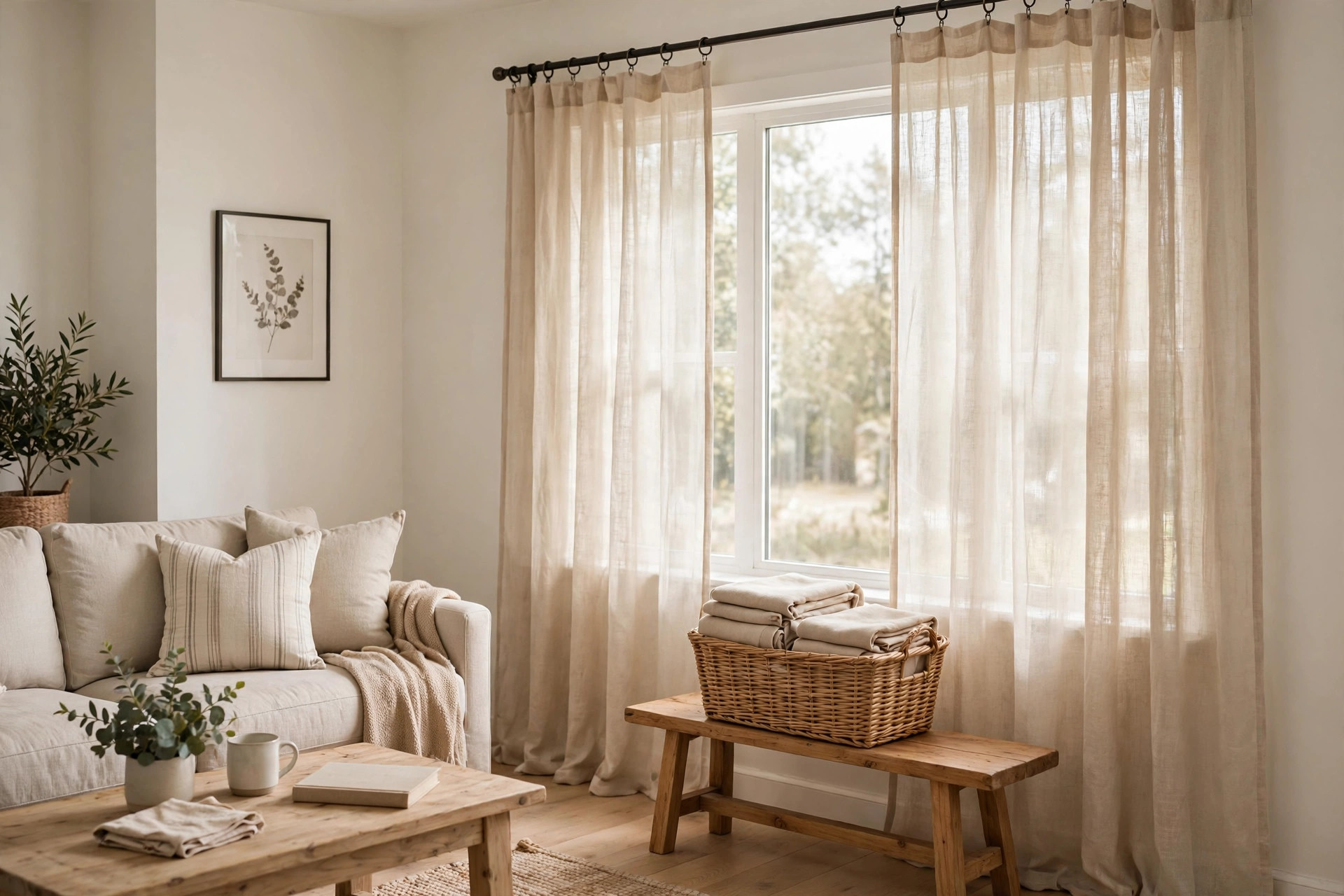
Cotton, linen blends, and polyester panels are the most common. They hang from rods with rings, clips, or rod pockets. Linen gives a relaxed, natural look. Polyester resists wrinkles and holds color through many washes. If you like layered windows, pair a washable sheer with a washable blackout panel. For bedroom ideas, see our guide to top rated blackout curtains for bedrooms for sale.
Washable Roman Shades
Fabric Roman shades come in flat, hobbled, and relaxed styles. Many have a removable face that detaches from the headrail for washing. These suit kitchens and dining rooms where splatters are common.
Washable Valances and Tiers
Short cafe curtains and valances gather grease and dust fast, but they are small. They wash well in a single load. They are a smart pick for kitchens and laundry rooms.
Outdoor and Patio Panels
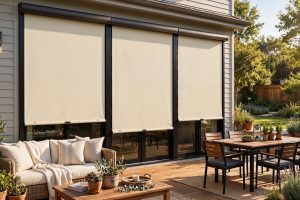
Outdoor curtains face sun, rain, and mildew. Many are machine washable by design. They dry fast on the line. If you want shade on a porch, read our guide to affordable outdoor patio curtains with free shipping before you choose fabric.
Treatments That Are Not Washable
Wood blinds, faux wood blinds, and most cellular shades cannot go in a washer. They need dusting or spot cleaning. If you want hard treatments, ask a pro about top rated shutter installation services for homeowners, which use a different mounting method and care routine.
How to Measure for Washable Treatments
Good fit starts with good numbers. Most installers measure for free, but it helps to know the basics before they arrive. Grab a steel tape measure, a pencil, and a notepad.
First decide inside mount or outside mount. An inside mount sits within the window frame. It looks neat and shows off the trim. Measure the exact width in three places, top, middle, and bottom, and use the smallest number. Measure the height in three places too, and use the largest. The maker will trim the shade to fit.
An outside mount covers the frame and part of the wall. It makes a window look larger and blocks more light. Add three to four inches to each side of the frame and two to three inches above. Measure the full width and height you want covered.
For curtain panels, decide where the rod will sit. Most pros set the rod four to six inches above the frame and extend it three to six inches past each side. This lets panels stack on the wall and leaves the glass clear. For length, measure from the rod to the sill, to just below the sill, or to the floor. Floor length panels usually end about half an inch above the floor so they do not drag.
Write every number in inches. Mark which window is which. Note anything odd, like a crank handle, a deep sill, or a baseboard heater under the window. Share these notes with your installer. Clear notes mean fewer return visits.
How to Choose the Right Fabric
Fabric choice decides how your treatments wash, wear, and look. Start with the label. It should say “machine washable” in plain words. If it only says “spot clean,” it will not survive a full cycle.
Cotton is soft and breathable. It may shrink, so buy panels a little long or pre-wash before hemming. Linen looks rich but wrinkles. A linen blend with polyester keeps the texture with less fuss. Polyester is the workhorse. It holds pleats, resists stains, and dries fast.
Color matters too. Dark panels can fade with harsh detergent. Wash them inside out in cold water. Light panels show dirt but bleach back to bright with a gentle oxygen cleaner. Consumer Reports tests detergents and can help you pick one that is kind to color.
Thread count and weave count as well. A tight weave sheds dust and washes cleaner than a loose weave. Sheers wash fine, but they snag. Put them in a mesh bag.
Cost and Price: What Installation Runs in the USA
Prices vary by region, window size, and hardware. Here are common ranges seen across the country.
A simple rod and panel hang for one window runs about 75 to 150 dollars in labor. This covers measuring, mounting a standard rod, and hanging your washable panels. If the installer supplies the rod and hardware, add 40 to 120 dollars for materials.
Roman shade mounting runs 100 to 200 dollars per window. The shade must sit level in the frame, and the cords must be set safe. Inside-mount shades take more time than outside-mount panels.
Full-room jobs cost less per window. A living room with four windows may run 300 to 600 dollars in labor when booked as one visit. High windows, bay windows, and plaster walls add time and cost.
Custom washable drapes from Blinds.com or a local workroom run 200 to 800 dollars per window for the fabric alone, before labor. Ready-made washable panels from big stores cost far less, often 25 to 80 dollars per panel.
Get three quotes. Ask each installer to list labor, hardware, and any trip fee in writing. A clear quote avoids surprises.
Care and Upkeep for Washable Treatments
Washing keeps panels bright, but the wrong method ruins them. Follow these steps.
Take the panels down and shake them outside to drop loose dust. Check the care label. Most washable panels take a gentle or delicate cycle in cold water. Use a mild detergent. Skip bleach unless the label allows it.
Do not overload the washer. Curtains need room to move. Wash one or two panels at a time. For sheers, use a mesh bag to stop snags.
Dry with care. Many panels do best on low heat or a short tumble, then a quick hang while damp. Hanging damp panels on the rod lets gravity pull out wrinkles. Linen blends may need a warm iron while still slightly damp.
Wash schedule depends on the room. Kitchen panels need a wash every two to three months. Bedroom panels can go six months. Living room panels do fine twice a year. Panels near a busy road collect soot and may need a wash each season.
Between washes, vacuum panels with an upholstery brush once a month. This lifts dust before it sets. Rotate panels between windows if one side gets more sun. Sun fades fabric over time, and rotation evens the wear.
Safety Notes for Every Home
Corded window treatments pose a real risk to small children and pets. The U.S. Consumer Product Safety Commission warns that cords can strangle a child in seconds. Choose cordless shades or panels on a rod when kids are in the home.
If you already have cords, move cribs, beds, and play areas away from windows. Use cord cleats to wrap long cords high on the wall. Better yet, ask your installer to swap corded shades for cordless models during the visit.
Mounting safety matters too. Heavy drapes pull hard on brackets. Your installer should anchor into studs or use rated wall anchors. A rod that falls can hurt someone and tear the wall. HGTV and other home guides stress this point in their install checklists.
Washing safety is simple. Unplug nothing, since curtains have no motors. But check for mildew before you wash. A musty panel may need a vinegar soak first. If a panel smells bad after washing, wash it again with hot water if the label allows, or replace it.
Frequently Asked Questions
How do I find machine washable window treatment installation services near me?
Search online maps and review sites for “curtain installation” or “window treatment installer” plus your town. Read recent reviews. Ask if they have hung washable fabrics before. Get a written quote with labor and hardware listed apart.
Can all curtains go in the washing machine?
No. Only panels labeled machine washable should go in the washer. Silk, velvet, and most lined drapes need dry cleaning. When in doubt, check the label or ask the store before you buy.
Will washable curtains shrink?
Cotton and linen may shrink a few percent on the first wash. Polyester shrinks very little. To be safe, buy panels a bit long, wash them once, then hem to the final length. A good installer will plan for this.
How long does installation take?
One standard window takes 30 to 60 minutes. A full room with four to six windows takes half a day. Custom orders add one to three weeks for the fabric to arrive before the install visit.
Should I buy the panels first or hire the installer first?
Hire the measurer first if you want a perfect fit. Many installers measure free or cheap, then you order panels to those sizes. If you buy ready-made panels first, bring the exact sizes to the quote so the installer can plan the rod and brackets.
Do installers also take down old treatments?
Most do. Ask when you book. Some charge a small fee to remove and haul away old blinds or rods. Others include it. If your old shades have cords, ask the installer to cut them before disposal so no child can reach them later.
A Short Final Word
Machine washable window treatments give you clean, fresh windows without dry cleaning bills. The key is to pick the right fabric, buy the right size, and hire an installer who mounts everything level and secure. Take time to compare three local quotes. Ask about washable fabrics by name. Then enjoy panels that look as good after the tenth wash as they did on day one.
References
Blinds.com. (n.d.). Window blinds, shades, and shutters. https://www.blinds.com Bob Vila. (n.d.). Home improvement advice. https://www.bobvila.com Consumer Reports. (n.d.). Product reviews and ratings. https://www.consumerreports.org HGTV. (n.d.). Home and garden ideas. https://www.hgtv.com IKEA. (n.d.). Home furnishings. https://www.ikea.com Lowe’s. (n.d.). Home improvement products. https://www.lowes.com The Home Depot. (n.d.). Home improvement products. https://www.homedepot.com The Spruce. (n.d.). Home and garden advice. https://www.thespruce.com U.S. Consumer Product Safety Commission. (n.d.). Product safety information. https://www.cpsc.gov Wayfair. (n.d.). Furniture and home goods. https://www.wayfair.com
Was this guide helpful?

About Lisa Anderson
The My Garden US editorial team writes practical, in-depth home and garden guides for American homeowners — tested advice, no fluff.