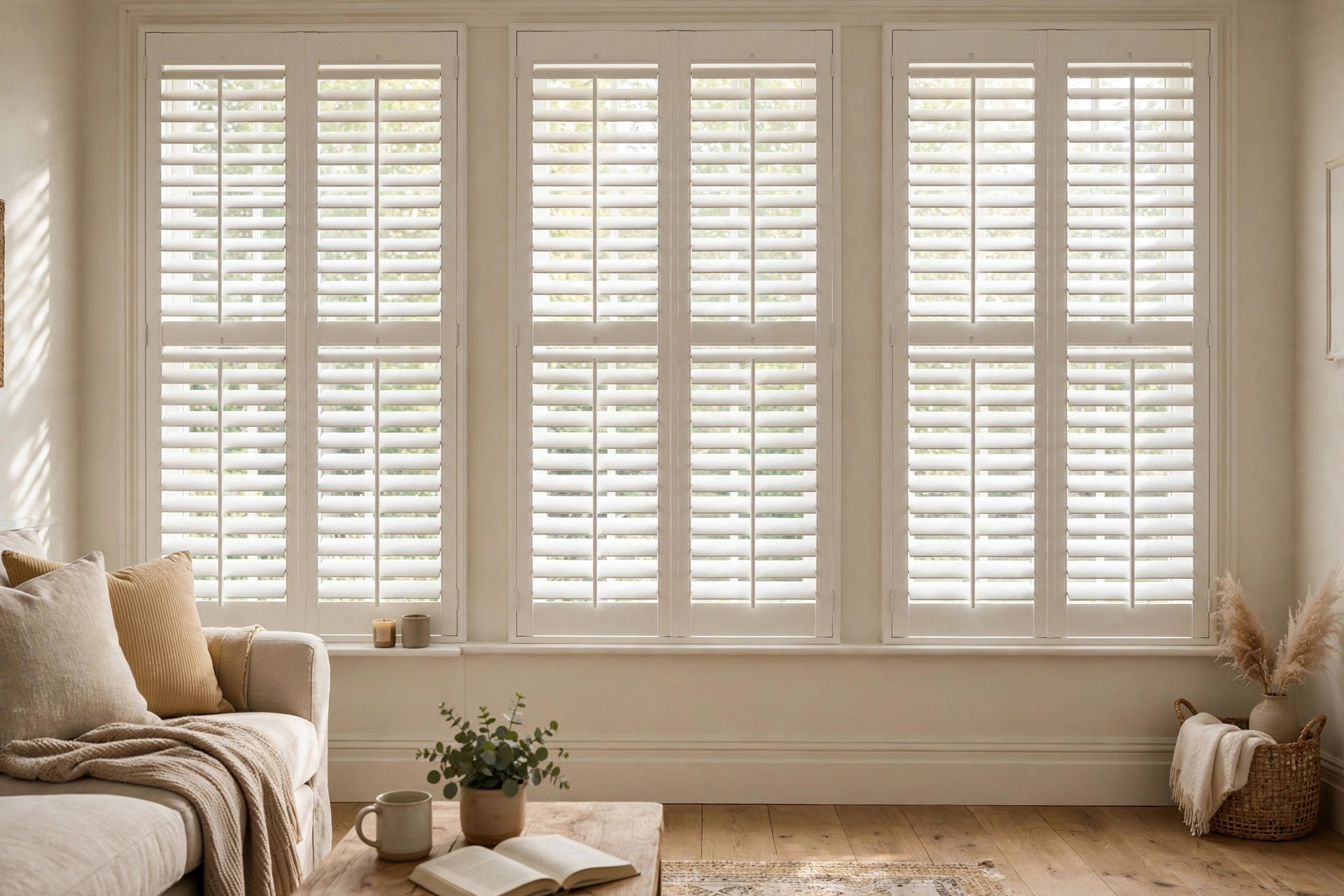

A home feels finished when its windows are dressed well. Top rated shutter installation services for homeowners promise more than window coverings. They promise a better look, better light control, and shutters that fit the frame exactly. This guide explains what these services do, why they matter, how to pick one, what they cost, and how to care for the work after it is done.
Why Shutter Installation Matters
Shutters are not curtains. They are hard window coverings that mount into the frame. Plantation shutters, wood shutters, and vinyl shutters all need exact measurements. A gap of a quarter inch shows. A frame set out of square will not close flat. Good fitters solve these problems before they start.
Many homeowners try a do-it-yourself kit first. The box arrives with parts and a long sheet of directions. Measuring seems simple. Yet windows in older houses are rarely square. Corners settle. Frames bow. A kit made for a perfect rectangle meets a wall that is not perfect. The result is a shutter that binds, rattles, or leaves a light gap at the edge.
A professional service brings two things. First, exact measuring tools and the skill to read an out-of-square opening. Second, shutters built or cut to the true size of each window. The best firms make the panels in their own shop. Others order from a maker and fit on site. Either way, the fit should be snug, level, and free to swing.
There is also value in the home. Real estate agents in many markets note that plantation shutters read as a built-in feature. Buyers like them. They last longer than fabric drapes and cost less to keep clean. A neat row of shutters can lift a room the way a fresh coat of paint does, only it does not peel.
For safety, shutters have one clear edge over corded blinds. There are no pull cords for small children or pets to tangle in. The U.S. Consumer Product Safety Commission has long warned about the danger of corded window coverings. Cordless shutters remove that risk at the source.
What to Look for in a Shutter Installer: Top Rated Shutter Installation Services for Homeowners
Not every company that sells shutters installs them well. Use these checks before you sign.
Experience with your window type. Ask how many jobs like yours they have done. Arched tops, bay windows, and sliding patio doors each need a different mount. A firm that mainly does flat rectangular windows may struggle with a curve.
In-home measuring. The top firms measure in your home. They do not ask you to measure and mail numbers. A tech visits with a tape and a level, checks each opening in three places, and notes which are out of square. This visit is often free or low cost.
Product range. Good installers carry several materials: basswood, poplar, vinyl, and composite. Each suits a different room. Wood suits dry living spaces. Vinyl suits damp bathrooms. A one-material shop may push the wrong product.
Warranty on work. Materials carry the maker warranty. Labor should carry its own promise. Ask how long the install warranty runs and what it covers. One year is common. Two years is better.
Local references. Ask for addresses or photos of recent jobs nearby. Call one or two past customers. Ask if the crew arrived on time, cleaned up, and came back when asked. Online reviews help, but a live voice tells more.
Clear written quote. The quote should name the material, the count of panels, the mount type, the timeline, and the full price. Vague quotes turn into vague work. Walk away from a salesman who will not put it in writing.
Reviewers at sites like The Spruce and HGTV often rank installers by these same marks: fit, finish, and follow-through. Their buying guides are a useful second opinion when you compare bids.
Types of Shutters and Options
Shutters come in several forms. Each fits a different budget and room.
Plantation Shutters
The classic choice. Wide louvers, often three to five inches across, set in a wood or composite frame. They suit living rooms, dining rooms, and bedrooms. Basswood is light and takes paint well. Composite resists warp in damp air. Expect the widest price range here, since custom wood work costs more.
Raised Panel Shutters
These have solid lower panels with louvers above. They give privacy and a formal look. Many homeowners choose them for street-facing windows. They read well from the curb and pair with traditional exteriors.
Cafe Shutters
These cover only the lower half of the window. Light comes in over the top while the street view stays blocked below. They suit kitchens and bathrooms where full coverage would kill daylight.
Track and Bypass Shutters
Made for wide openings. Panels slide on a track instead of swinging. They work for sliding glass doors and large picture windows. The track must be level or the panels drift. This is where a pro earns the fee.
Material Choices
Wood gives the finest look and the highest price. It takes stain and paint beautifully. It does not like steam or splash. Composite blends wood fiber with resin. It holds paint and resists moisture. Vinyl costs least and handles bathrooms and laundry rooms. For ideas on matching shutters to room decor, IKEA and Wayfair carry wide ranges of window treatments that show current styles.
Cost and Price: What Homeowners Pay
Prices move with material, window count, and labor market. As a rough guide in the United States, plantation shutters run about 20 to 45 dollars per square foot installed. A standard three-by-five-foot window lands near 300 to 675 dollars. A full house of twelve windows often runs 3,500 to 8,000 dollars.
Wood costs most. Composite sits in the middle. Vinyl costs least. Specialty shapes cost more than rectangles. Arches, circles, and angles need custom cuts. A bay window with five panels can cost twice what five flat windows cost.
Installation labor alone often runs 80 to 150 dollars per window. Some firms roll it into the per-foot price. Others list it apart. Ask which way your quote is built.
Get three quotes. The numbers teach you the market. One very low bid is a warning, not a bargain. It may mean thin panels, a short warranty, or a crew paid by the job. One very high bid may mean fine millwork worth the price, or it may mean a salesman padding margin. The middle bid from a well-reviewed firm is usually the sound choice.
Ask about extras before you agree. Removal of old blinds, haul-away of packing, and touch-up paint may or may not be included. Old-house work sometimes needs frame repair. A good installer flags soft wood and rot during the measure and prices the fix up front. Retailers like The Home Depot and Lowe’s publish project cost guides that help you sanity-check a quote.
Payment terms matter too. A deposit of 30 to 50 percent is normal. The balance falls due when the work passes your inspection. Do not pay in full before the panels are hung.
How the Installation Process Works
A top rated shutter installation follows a clear order.
Step one: consultation. The company visits or calls. You talk through rooms, light needs, and budget. They show samples of louver sizes and finishes. This is the time to ask about lead times. Custom wood shutters often take six to ten weeks.
Step two: measuring. A tech measures every opening at top, middle, and bottom. They note out-of-square readings. They photograph each window. They check wall condition around the frame.
Step three: build. Panels are made or cut to your numbers. Good shops send a proof or confirm sizes before cutting.
Step four: installation day. The crew mounts frames first. They shim where the wall is off. They hang panels and set the louvers. They check every swing and tilt. A standard home takes one to two days.
Step five: walk-through. You inspect each window. Open and close every panel. Look at the edges in daylight. Check that caulk lines are clean. The lead installer should fix small issues on the spot.
Keep the room clear before they arrive. Move furniture back three feet from windows. Take down old blinds unless the quote includes removal. Pets go in another room. Small steps, but they keep the day smooth.
Care and Upkeep
Shutters ask little but reward regular care. Dust louvers weekly with a dry cloth or a soft brush. Work top to bottom so dust falls down and out. A vacuum with a brush head does the job fast.
For wood shutters, use a barely damp cloth for spots. Dry at once. Never soak wood. Never use harsh cleaners or oil soap. They dull the finish. For vinyl and composite, mild dish soap and water are fine.
Check hinges once a year. Tighten loose screws with a small screwdriver. A drop of silicone on a stiff tilt rod keeps it moving. Do not force a panel that sticks. Heat and humidity swell wood. It often settles back as the season turns. If it does not, call the installer. Warranty work should cover it.
Keep paint touch-up sticks from the installer. Small chips at the hinge are normal wear. A dab of matching paint keeps the edge sealed. For deeper care guides on wood finishes, Bob Vila keeps a solid library of how-to articles.
Safety Notes
Shutters are among the safest window coverings for homes with children and pets. No cords hang at the side. Nothing loops at the floor. That removes the strangulation risk that corded blinds carry.
Still, mind the details. Panels on low windows can pinch small fingers. Teach children to use the tilt rod, not the louvers, to adjust light. Keep cribs and beds a few feet from windows so children cannot climb into the frame.
For fire safety, make sure at least one window per bedroom opens fully for escape. Tell the installer which windows are your escape routes. They will fit panels that swing clear. Never block a window with a screwed-shut panel.
Choosing Between Companies: A Short Checklist
Use this list when you compare top rated shutter installation services for homeowners in your area.
1. Free in-home measure and written quote. 2. Samples you can hold, not just photos. 3. Three or more materials offered. 4. Labor warranty of at least one year. 5. Recent local references you can call. 6. Clear timeline from order to install day. 7. Written scope: removal, disposal, and paint touch-up included or priced.
Score each firm on the seven points. The one that checks all seven is rarely the wrong pick.
Related Choices for Your Windows
Shutters are one answer. Some rooms suit other treatments better. If you like washable fabric, read our guides on where to buy machine washable curtains in Texas and where to buy machine washable curtains in Florida. For formal rooms, our piece on best pinch pleat drapes for humid climates may help. Pairing shutters with side drapes is a classic move that softens the hard lines.
Frequently Asked Questions
How long does shutter installation take? Most homes finish in one to two days. A single room takes a few hours. The long wait is the build. Custom wood shutters often need six to ten weeks from order to install day. Stock vinyl can arrive in one to three weeks.
Are plantation shutters worth the cost? For many owners, yes. They last decades with light care. They clean with a cloth. They add a built-in look that buyers notice. They also cut glare and add privacy without killing daylight. Compare the cost against replacing fabric drapes every few years.
Can shutters be installed on any window? Nearly any. Rectangles are simple. Arches, angles, and circles need custom work and cost more. Sliding doors take track systems. Bay windows need angled frames. A good measuring visit finds the limits of each opening.
Wood or vinyl shutters: which is better? It depends on the room. Wood looks best in dry living spaces and takes paint well. Vinyl costs less and stands up to steam in bathrooms. Composite splits the difference. Ask the installer to show all three side by side.
Do I need to be home on install day? Yes. Someone must let the crew in and approve the final walk-through. Plan to be there for the last hour at least. That is when you check every panel and sign off.
Will shutters darken the room too much? No, when sized right. Open louvers pass plenty of light. Wide three-and-a-half-inch louvers give a clear view out. If a room must stay bright, pair lower shutters with a clear upper glass, or choose the cafe style.
A Short Final Word
Top rated shutter installation services for homeowners earn the rating through fit, finish, and follow-through. The panels should close flat, swing free, and look like they grew with the house. Take time at the measuring stage. Read the quote line by line. Ask for the warranty in writing. Do those three things and the shutters you buy will serve the home for years, through season changes, house moves, and everything in between.
References
Bob Vila. (n.d.). Home improvement advice. https://www.bobvila.com HGTV. (n.d.). Home and garden ideas. https://www.hgtv.com IKEA. (n.d.). Home furnishings. https://www.ikea.com Lowe’s. (n.d.). Home improvement products. https://www.lowes.com The Home Depot. (n.d.). Home improvement products. https://www.homedepot.com The Spruce. (n.d.). Home and garden advice. https://www.thespruce.com U.S. Consumer Product Safety Commission. (n.d.). Product safety information. https://www.cpsc.gov Wayfair. (n.d.). Furniture and home goods. https://www.wayfair.com
Was this guide helpful?

About Lisa Anderson
The My Garden US editorial team writes practical, in-depth home and garden guides for American homeowners — tested advice, no fluff.
You May Also Like

Thermal Energy Efficient Window Treatments for Sale
June 16, 2026 0 views
Sheer Linen Curtains Price Comparison USA: A Shopper’s Guide to Cost and Value
January 27, 2026 0 views
Thermal Shutter Installation Services for Homeowners: A Plain Guide
September 20, 2026 0 views