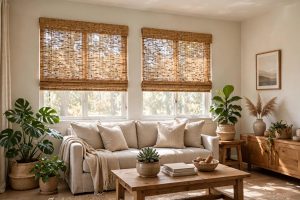
A window can look bare even when the room is full. Paint, floors, and chairs may all be right, yet the wall around the glass stays flat and cold. Many buyers look for premium valances for windows for sale when they reach this point. A valance is the short cloth that hangs across the top of a window. It covers the rod or the track, softens the hard lines of the frame, and gives the room a finished look in one stroke.
The word premium matters here. Low-cost valances sag, fade, and lose their shape within a year. Premium valances use thicker fabric, clean stitching, and linings that hold form. They cost more at the start and look better for far longer.
Why It Matters
Windows shape how a room feels. Light enters through them. Guests look toward them. A bare top edge of a curtain rod can draw the eye in the wrong way. A valance covers that edge and frames the view. It adds a band of color and texture above the glass, the way a picture frame holds a painting.
Premium valances for windows for sale also serve a plain purpose. They hide hardware. Curtain rods, brackets, and the tops of blinds are not always pretty. A valance keeps them out of sight. In rooms where you want privacy but not full drapes, a valance can stand alone on a small window and let the light pour in.
Good fabric matters for a plain reason. Sunlight is harsh on cloth. Cheap valances fade at the folds within months, and the front edge curls. Premium weaves hold their dye and their shape. The pleats stay crisp. The color stays true. When you plan to keep window dressings for years, the difference shows in the first summer.
A valance also sets the tone of the room. A pleated silk valance says formality. A casual gathered cotton valance says warmth. Because it sits at eye level near the ceiling, it reads as part of the room’s design, not as an afterthought. Design writers at HGTV treat the top treatment as the starting point of a window plan, and that advice holds up in practice.
How to Choose: What to Look For: Premium Valances for Windows for Sale
A valance that is too narrow looks strained. A valance that is too wide needs extra fullness to avoid a flat sheet look. Measure the drop as well. Most valances hang between ten and eighteen inches.
Next, decide how the valance will hang. Rod-pocket styles slide over a rod and gather into soft folds. Pleated styles hold sharp folds and look formal. Tab-top styles loop over the rod and give a relaxed feel. Board-mounted valances make a clean, tailored line. Each style needs the right hardware, so decide before you buy.
Check the back of the product. Premium valances for windows for sale usually have a lining. The lining blocks light from eating the dye and gives the pleats body. If no lining is listed, it is not premium, whatever the price says.
Look at the stitching. Hems should be straight and even. Seams should lie flat. In a premium piece, the inside looks nearly as clean as the outside.
Color choice needs care. Hold the fabric up in the room’s light before you decide. Morning light is cool. Lamp light is warm. A fabric that looks rich in the store can turn dull at home. If you buy online, order swatches first, as most large sellers offer them for a small fee.
Types and Options
Rod-Pocket Valances
The rod pocket is the oldest and simplest style. A sewn channel at the top slides over a rod, and the fabric gathers into folds. The look is soft and casual. These valances suit kitchens, breakfast nooks, and cottages, and they are easy to take down for washing.
Pleated and Shaped Valances
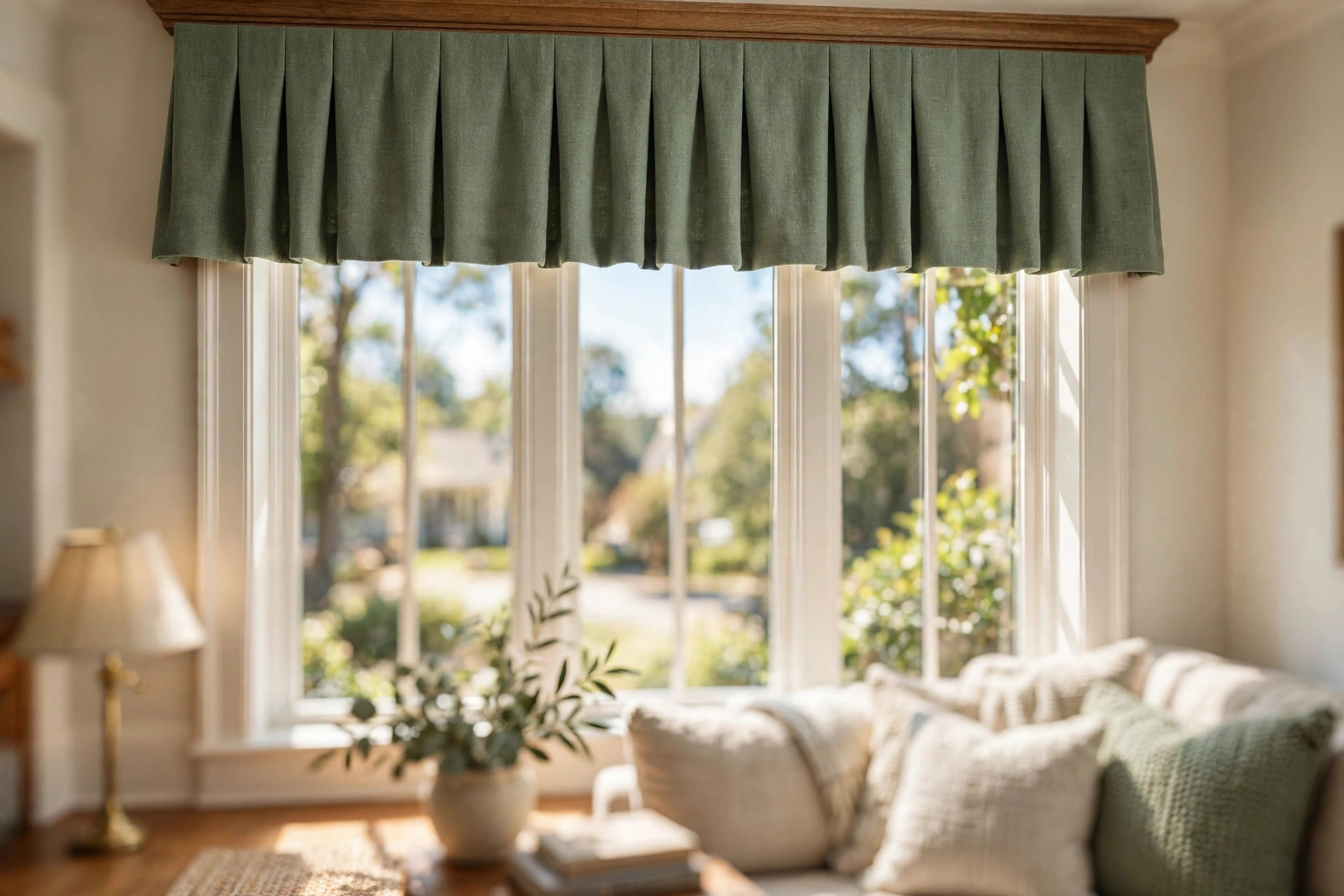
Pleated valances hold their folds by design. The pinch pleat brings three folds together at one point and gives a formal, tailored line. The box pleat makes square, flat folds for a modern look. These styles pair well with silk, damask, and heavy linen, and they cost more because the making takes more labor. For living rooms and dining rooms where you want a dressy finish, luxury valances for living room windows in pleated styles are a common choice.
Some valances add a shaped lower edge, such as a repeating scallop or a single center arch. Shaped edges catch the eye and add craft to the window. They work best on wide windows where the repeat can run several times.
Board-Mounted Valances
A board-mounted valance is a stiff, tailored treatment. Fabric wraps a wooden board cut to the shape you want. It mounts flat against the wall and does not move. Hotels and formal rooms use this style. It looks sharp and never sags. The fabric cannot go in the wash, so spot cleaning is the rule.
Layered and Combined Styles
Many buyers pair a valance with panels, blinds, or shades. The valance crowns the top while panels frame the sides. If you already own panels, choose a valance in the same fabric family or a solid that picks up one color from the panels. Buyers who pair shades with a valance can read more under nursery room darkening shades when they plan rooms for small children.
Fabrics and Materials
Cotton is the most common valance fabric. It is easy to wash, takes print well, and costs less than silk or linen. Premium cotton valances use a tight weave and a lining, gather well, and hold a press.
Linen has a natural slub, a small thick spot in the weave that gives texture. It reads as relaxed and high end at once. Linen wrinkles, so buyers who want crisp lines should choose a linen blend. Linen suits rooms with a calm, natural style.
Silk gives a soft sheen no other fabric matches. It is the most formal choice and the most fragile. Sun rots silk fast, so a lined silk valance lasts far longer than an unlined one. Keep silk away from kitchens, where grease in the air settles on the cloth.
Velvet and damask belong in formal rooms. They are heavy, rich, and need professional cleaning. Use them where the window is a showpiece, not in a room where children or pets brush past the cloth.
Cost and Price
Premium valances for windows for sale fall into clear price bands. Ready-made valances in cotton or blends run from about twenty to sixty dollars each. Linen and better prints run from sixty to one hundred and twenty dollars. Silk, damask, and pleated dressy styles run from one hundred and twenty to three hundred dollars. Custom valances, made to your exact width and drop, start near two hundred dollars and can pass five hundred for silk or board-mounted work.
Do not judge by price alone. Two valances at the same price can differ in weight, lining, and stitch quality. Lift the fabric. Heavy cloth in the hand is a good sign.
Sales bring the cost down. Holiday weekends and end-of-season clearances cut prices by a quarter to a half at large retailers. If you need custom window valances for sale online for several rooms, a sale can save real money. Set a price alert on the product page if the store offers one. Shoppers often check Amazon and Wayfair side by side, since both carry wide ranges with buyer reviews.
Watch the shipping terms. A valance is light but bulky, and some sellers charge steep fees. A low price with high shipping is no bargain. Also check the return window. A valance that looks wrong at home should be easy to send back.
Care and Upkeep
Dust is the main enemy. Run a vacuum with a brush head over the valance every month. This keeps dust from grinding into the weave. For a quick refresh, shake the valance outdoors on a calm day.
Read the care label before any wash. Cotton rod-pocket valances usually wash well in cool water on a gentle cycle. Linen washes well too but may need a warm iron. Silk, velvet, and damask need dry cleaning.
Sun fades every fabric in time. The lining does the real work, since a fixed valance cannot be rotated. A valance facing west and taking full afternoon sun will fade sooner than one on a north window. Sheer shades or window film behind the valance can slow the fading.
Steam freshens a valance between washes. Hang it back up, hold a steamer a few inches away, and let the steam relax the wrinkles. Do not press the steamer head into silk. If a valance keeps a musty smell in a damp room, wash it and dry it fully before rehanging. Damp cloth grows mildew fast. For deeper cleaning questions, professional help is easy to find; readers in the west can look into curtain cleaning services when a home wash is not enough.
Safety
Window treatments carry real safety rules, and premium valances are no exception. The main danger is cords. Any valance hung near cords from blinds or shades must keep those cords out of reach. The CPSC warns that looped cords can strangle small children, and it urges cordless products or cords kept short and high. When you hang a valance over a blind with cords, tie the cords up and out of reach, or switch to a cordless blind.
Mount hardware with care. A wide, heavy valance pulls on its brackets. Use wall anchors in drywall. Find a stud for board-mounted treatments. A valance that falls can hurt a person below and break the rod. Check the brackets once a year and tighten what is loose.
Keep fabric away from heat. Do not hang a valance over a radiator or near a stove. Kitchens are a special case. Grease coats the fabric and the cloth sits near heat. Choose a washable cotton for kitchen windows, and keep the drop short so it clears the range. Elegant valances for kitchen windows look best when they are easy to wash, since the air near a stove is never clean.
Fire safety counts too. Keep valances clear of candles and lamps with hot shades. In a home with a fireplace, make sure the valance hangs far from the mantel.
Where to Shop
You can buy premium valances for windows for sale in stores and online. Big home stores, such as Home Depot, let you touch the fabric and compare colors in person. Department stores carry dressy lines and often run sales. Specialty shops, such as Half Price Drapes, focus on window dressings and carry deep ranges of styles and sizes.
Online marketplaces carry the widest choice. Overstock and JCPenney both sell valances across price bands, and buyer reviews help you judge quality before you buy. Read the reviews with care. Look for notes about true color, fabric weight, and how the pleats looked on arrival. One honest review is worth more than ten studio photos.
For custom work, local workrooms and online custom shops make valances to your exact measure. Custom costs more and takes weeks, but the fit is exact. If your windows are odd sizes, custom is often the only good answer. Premium valance curtains for bedrooms often come from custom workrooms that match the fabric to the bedding.
Decor guides at The Spruce offer photo ideas for pairing valances with panels and shades, which helps when you plan a whole room at once.
FAQ
How do I measure for a valance?
Measure the window frame width and add four to eight inches so the valance covers the trim. Measure the drop from the top of the rod to where you want the valance to end, usually ten to eighteen inches. For a rod-pocket style, the flat width should be one and a half to two times the rod width so the gather looks full.
Can I hang a valance alone, with no curtains?
Yes. Many buyers hang a valance alone on small windows, kitchen windows, and bathroom windows. It dresses the top of the glass and lets in full light. Pair it with a blind or shade underneath when you need privacy at night.
Do valances work with sliding glass doors?
They can, but the valance must clear the door as it slides. A short, flat valance or a board-mounted style works best. Avoid long, full valances that catch on the moving panel. For doors that need full coverage, buyers often pair the door with blinds made for the job; you can compare options under thermal vertical blinds for sliding doors.
How long should a premium valance last?
With good fabric and a lining, a premium valance lasts five to ten years. Sun is the main factor. A north-facing valance outlasts a west-facing one by years. Washable cotton valances last longer in practice because buyers clean them on schedule.
Are valances out of style?
No. Styles change, but the valance stays. Heavy swags of the past gave way to clean pleats and simple rod pockets. A plain, well-made valance in a good fabric looks current in any decade. Choose simple lines and solid or classic prints to avoid a dated look.
What is the best fabric for a sunny window?
A fade-resistant polyester blend with a lining is the best pick for strong sun. Natural fibers fade faster. If you want linen or cotton, keep the lining thick and consider a sheer shade behind the valance to cut the rays.
A Final Word
A valance is a small purchase that changes a room more than its size suggests. Measure with care. Choose a lining. Pick a fabric that fits the sun and the room. Buy from a seller with fair returns, and check the stitching when the package arrives. Do these plain things, and the premium valances for windows for sale that you bring home will frame your windows well for years.
References
Amazon. (n.d.). Online shopping. https://www.amazon.com Half Price Drapes. (n.d.). Curtains and drapes for every room. https://www.halfpricedrapes.com HGTV. (n.d.). Home and garden ideas. https://www.hgtv.com JCPenney. (n.d.). Home and window treatments. https://www.jcpenney.com Overstock. (n.d.). Furniture and home decor. https://www.overstock.com The Home Depot. (n.d.). Home improvement products. https://www.homedepot.com The Spruce. (n.d.). Home and garden advice. https://www.thespruce.com U.S. Consumer Product Safety Commission. (n.d.). Product safety information. https://www.cpsc.gov Wayfair. (n.d.). Furniture and home goods. https://www.wayfair.com
Was this guide helpful?

About David Wilson
The My Garden US editorial team writes practical, in-depth home and garden guides for American homeowners — tested advice, no fluff.