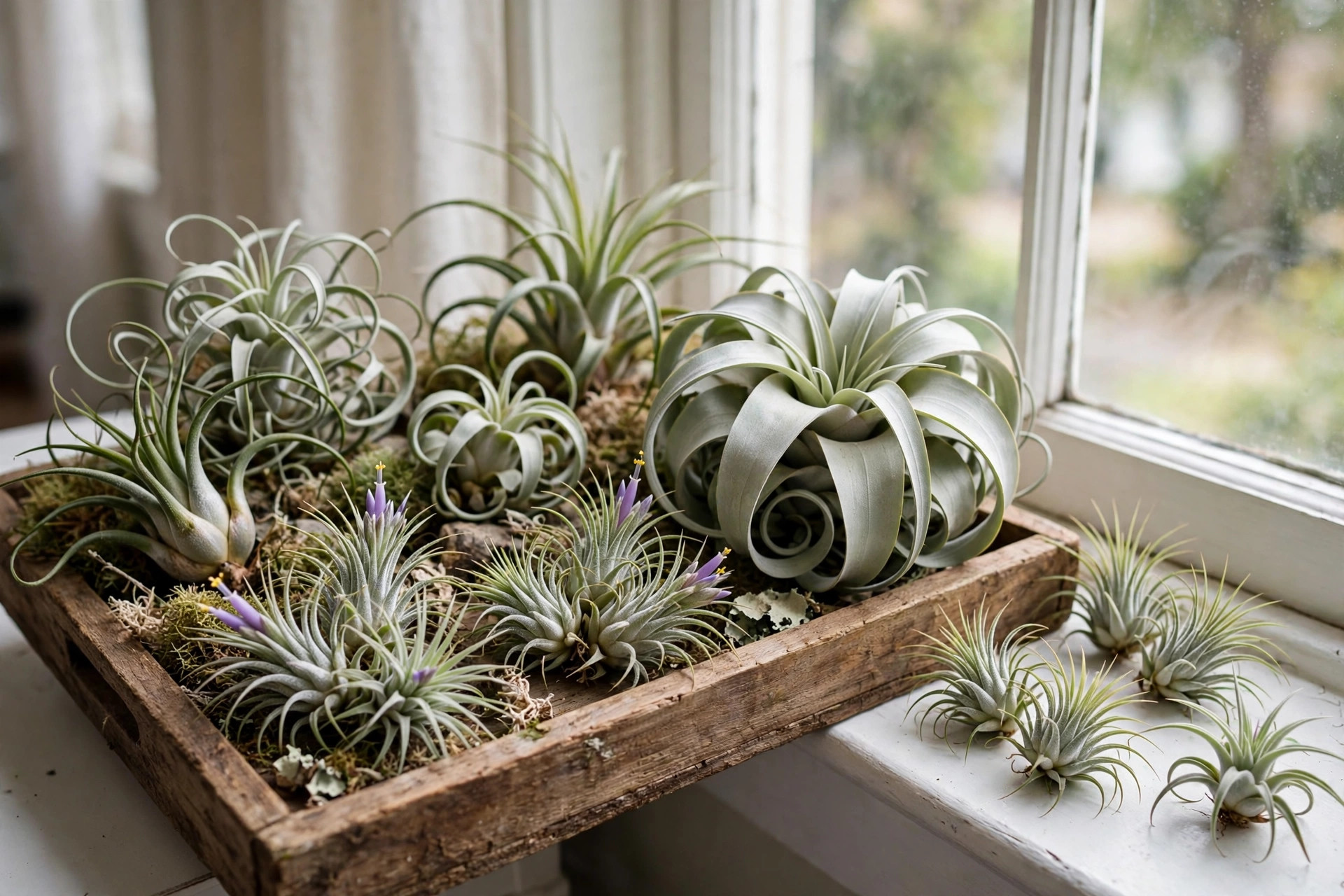
Air plants need no soil. They grow on bark, stone, and shells in the wild. Their proper name is Tillandsia. They belong to the bromeliad family. Many Americans now search for air plants bulk for sale usa. They want ten, fifty, or one hundred plants at once. Bulk buying cuts the price per plant. It also suits weddings, offices, classrooms, and small shops. A single air plant looks lonely on a desk. A group of them draws the eye. Bulk packs make that easy. This guide explains how to buy them well. It covers sizes, types, prices, and care. It also links to trusted places to learn more. Read it before you place an order. You will get healthier plants and better value.
Why Buying Air Plants in Bulk Makes Sense
Buying one air plant at a time costs more. Each plant ships alone. Each shipment adds postage. Sellers charge for their time. When you buy air plants in bulk, the cost per plant falls. A pack of fifty may cost less per plant than a pack of five. Weddings drive much of the demand. Couples give bulk Tillandsia for weddings as living favors. A hundred small plants fit in one box. They travel well. They need no pots. Shops also buy in bulk. Garden centers resell them in gift packs. Teachers buy them for science lessons. Children watch them drink from the air. Offices use them for quiet green corners. They need little care. They ask for no soil and no daily watering. That makes them kind to busy people. Bulk buying also opens the door to variety. Many sellers mix types in one box. You receive plants of many shapes. Some look like silver stars. Some grow long and wild. That variety makes displays rich. Event planners also buy in bulk. They decorate tables with small plants in glass holders. After the party, guests take the plants home. Nothing goes in the trash. Small shop owners buy bulk packs too. They split a pack of one hundred into gift sets of three or five. The markup is strong. The plants need no watering on the shelf. They sit in open bins and stay fresh for weeks.
What to Look For When You Buy: Air Plants Bulk for Sale Usa
Not all bulk offers are equal. A low price can hide weak plants. Check these points before you buy wholesale air plants online.
Plant Size and Health
Sellers list sizes in inches. Common sizes run from one to three inches. Wedding favors use one to two inches. Displays use two to four inches. Healthy leaves feel firm. They show even color. Green and silver-gray are normal. Brown tips are common and harmless. Avoid plants with black spots. Avoid mushy bases. Ask the seller how plants ship. Good sellers pack them dry in paper. They never ship them sealed in plastic for days. Plastic traps moisture. Moisture rots the base.
Variety in the Mix
Some packs hold one type. Others hold a mix. A mix gives you many shapes. Read the listing. It should name the types. Tillandsia ionantha and Tillandsia capitata appear often. If the seller writes only “assorted air plants,” ask for the list. A trusted seller answers fast. Vague answers are a warning.
The Seller’s Reputation
Read reviews from other buyers. Look for notes about plant health on arrival. Check how the seller handles lost boxes. Ask where the plants grow. Many American sellers raise them in Florida greenhouses. Florida warmth suits Tillandsia. Plants raised at home in the United States face less shock. They adjust faster to your house. Growing guides at Burpee and The Spruce explain what healthy nursery stock looks like. The research arm of the U.S. Department of Agriculture also publishes plant science that helps buyers judge quality.
Types of Air Plants You Will Find in Bulk Packs
Bulk packs draw from a few common types. Each has its own look and habit.
Tillandsia Ionantha
This is the workhorse of bulk sales. It is small and round. It blushes red when it blooms. It costs little to grow. Sellers include it in nearly every pack. It suits favors and terrariums. If you order a hundred plants, expect many ionantha.
Tillandsia Xerographica
This is the show plant. Its leaves curl in wide silver rings. It grows large, up to eight inches across. Bulk packs rarely hold many of these. They cost more to raise. One or two in a pack raise the price. They make fine centerpieces. They also make strong gifts on their own.
Tillandsia Capitata and Friends
Capitata grows soft peach-green leaves. It blushes pink at bloom time. Harrisii is thin and silver. It likes dry air. Stricta grows stiff green spikes. Brachycaulos turns bright red in strong light. A good mixed pack holds three to six types. That mix keeps displays lively through the year. Gardening Know How profiles each type with clear photos. Monrovia and Proven Winners list their traits for home growers.
Tillandsia Andreana and Other Small Types
Andreana is tiny and round. It fits in bottle caps and small shells. Sellers use it in the smallest favor packs. Funckiana grows thin upright tubes. It looks like red coral in bloom. Usneoides is Spanish moss. It drapes in long silver strands. It suits hanging displays and large event backdrops. These small types cost the least per plant. They fill out a bulk order without raising the price.
Cost and Price of Bulk Air Plants
Bulk prices run wide. Small packs of ten sell for about fifteen to thirty dollars. Packs of fifty run from forty to ninety dollars. Packs of one hundred often cost eighty to one hundred sixty dollars. Ionantha packs sit at the low end. Mixed packs with xerographica cost more. Shipping adds five to fifteen dollars. Some sellers ship free above a set total. When you search air plants bulk for sale usa, compare the price per plant, not the pack price. A one hundred dollar pack of one hundred plants costs one dollar each. A thirty dollar pack of ten costs three dollars each. The bigger pack wins. Watch for hidden fees. Some sellers charge extra for heat packs in winter. That fee is fair. Cold kills Tillandsia in transit. Seed catalogs like Park Seed and Gurney’s show how honest plant pricing reads. If you also buy wildflower seed mixes or plan a fall bed with tulip bulbs, a bulk plant order pairs well with seasonal planting. Prices also shift with the season. Spring brings the widest stock. Growers ship fresh after winter rest. Prices dip as supply rises. Wedding season in late spring raises demand for small favor packs. Order early if your event falls in May or June. Winter orders cost more to ship. Heat packs and fast shipping add to the bill. But winter is a fine time to buy. Indoor light is low, yet air plants rest in winter and ask for little.
Care and Upkeep After They Arrive
Air plants ask for little. They still ask for three things: light, water, and air. Tillandsia care in American homes follows a simple weekly rhythm.
Light
Give them bright, indirect light. A window with a sheer curtain works well. Direct noon sun burns the leaves. North or east windows suit most types. Xerographica takes more sun than ionantha. If leaves turn pale, move the plant closer to light. If tips brown, pull it back a few feet.
Water
Soak the plants once a week. Fill a bowl with room-temperature water. Set the plants in for twenty to thirty minutes. Shake off extra water. Turn them upside down to drain. The base must dry within four hours. Wet bases rot. In dry homes, mist between soakings. Use rainwater or tap water left out overnight. Softened water harms them. Salt builds up on the leaves. The Old Farmer’s Almanac notes that indoor plants follow the seasons. Water a little more in summer heat. Water a little less in winter rest.
Air and Temperature
Tillandsia feeds through its leaves. It needs moving air. Do not seal plants in closed jars. Open terrariums work. Wire frames work. Driftwood works. Keep rooms between fifty and ninety degrees. Most American homes stay in that range all year. Keep plants away from heating vents. Hot dry air crisps the leaf tips. New growers who start seeds in peat pots will find air plants far simpler. No soil, no trays, no transplant shock.
Safety Notes for Homes With Pets and Children
Air plants are not known to be toxic. They are safer than many common houseplants. Still, keep them out of reach of small children. A child may pull the leaves apart. Dogs and cats may chew them. Chewing rarely harms the pet. It does harm the plant. Some display shells and holders have sharp edges. Check each holder before you hang it. Hang plants away from walkways at head height. A falling xerographica is heavy enough to startle. Wash your hands after handling plants treated with fertilizer. That is simple sense.
Frequently Asked Questions
How long do bulk air plants live?
With care, many live for years. Most bloom once, then grow pups. Pups are baby plants at the base. You can leave them to form a clump. Or you can pull them off when they reach one third of the parent’s size. One bulk pack can double its number in two years.
Do air plants really need no soil?
That is true. In the wild they cling to trees and rocks. Their roots hold them in place. Their leaves drink water and feed from the air. Do not plant them in soil. Soil holds water at the base. The base will rot.
Why did my air plants arrive brown?
Some browning is normal in transit. Brown leaf tips often heal with care. Black or mushy bases are not normal. Contact the seller with photos. Good sellers replace dead plants without a fight.
Can I keep them in a bathroom?
Yes, if the bathroom has a window. Bathrooms offer humidity. Humidity helps these plants. But most bathrooms lack strong light. Without light, the plant fades. Move it to a brighter room for a day or two each week.
How do I display one hundred plants?
Group them by size. Use driftwood, wire grids, and open bowls. Hang some at different heights. Keep each plant where air moves freely. A single crowded box looks messy. Spread them through the home. Gift the extras to friends.
Should I buy online or from a local shop?
Both work. Local shops let you touch the plants. You can check firmness and color with your own hands. You take them home the same day. No shipping stress. Online sellers offer wider variety and lower bulk prices. A local shop may carry two types. An online seller may carry twenty. If you buy online, pick a seller in your own country. Short transit means less stress on the plants. Read the shipping policy before you pay.
A Final Word
Bulk air plants reward the careful buyer. Compare price per plant. Read the type list. Check the seller’s reviews. Give new plants a good soak on arrival. Then set a weekly routine. Light, water, and air do the rest. Whether you buy for a wedding or a windowsill, a box of Tillandsia brings quiet green into the home. Start small if you are unsure. Order more when the first pack thrives. A bulk order of healthy Tillandsia is one of the simplest ways to bring living green into an American home.
References
Burpee. (n.d.). Seeds, plants, and gardening supplies. https://www.burpee.com Gardening Know How. (n.d.). Gardening guides and plant care. https://www.gardeningknowhow.com Gurney’s Seed & Nursery Co. (n.d.). Seeds, plants, and garden supplies. https://www.gurneys.com Monrovia. (n.d.). Plants for home gardens. https://www.monrovia.com National Institute of Food and Agriculture. (n.d.). Agricultural research and extension. https://www.nifa.usda.gov Park Seed. (n.d.). Seeds, plants, and gardening supplies. https://www.parkseed.com Proven Winners. (n.d.). Plants and gardening inspiration. https://www.provenwinners.com The Old Farmer’s Almanac. (n.d.). Gardening calendars and advice. https://www.almanac.com The Spruce. (n.d.). Home and garden advice. https://www.thespruce.com
Was this guide helpful?

About Michael Thompson
The My Garden US editorial team writes practical, in-depth home and garden guides for American homeowners — tested advice, no fluff.