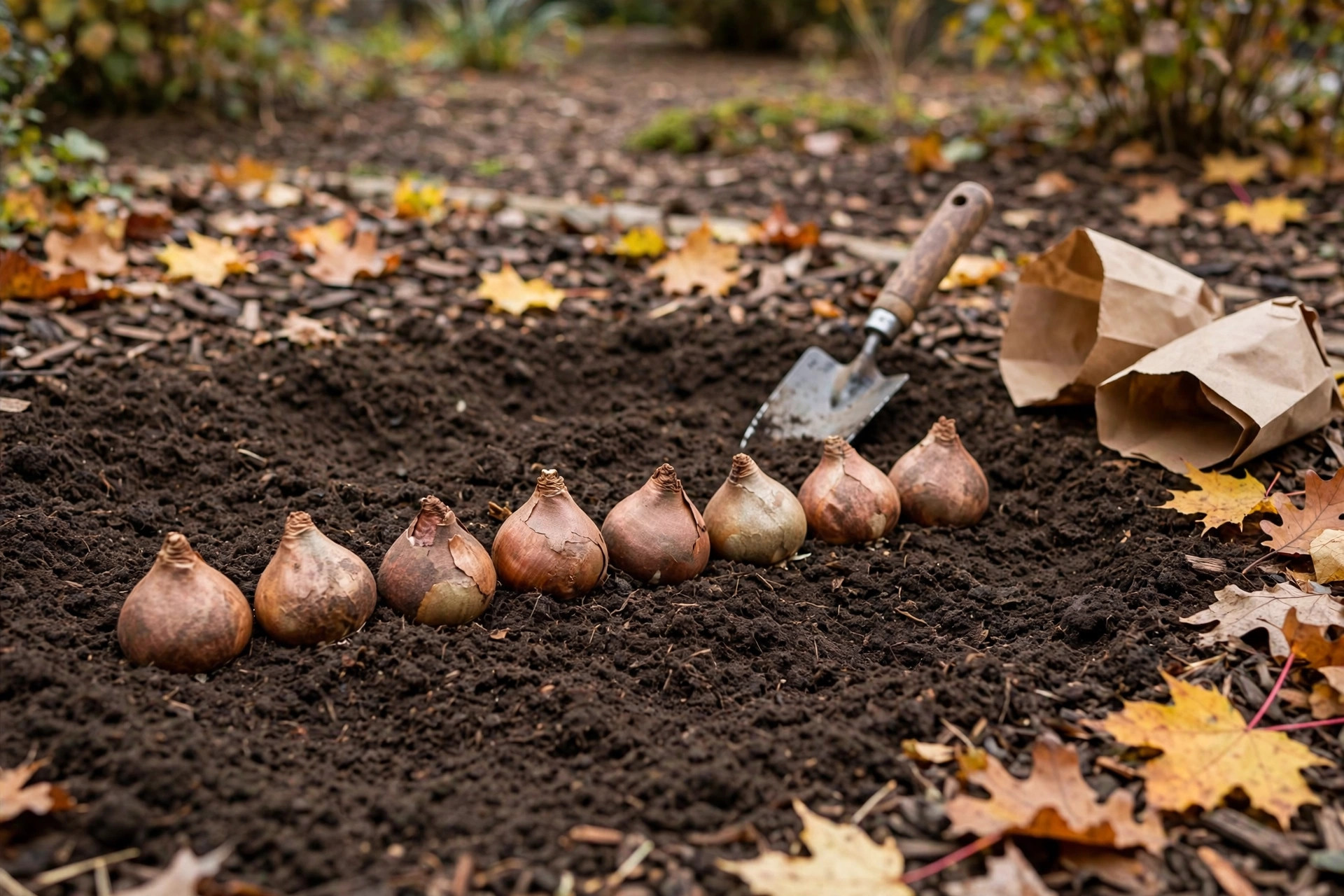
Fall is the season when tulips are born. The flowers do not open until spring, but the work begins in autumn, when bulbs go into the ground. A good tulip bulbs fall buying guide usa helps you buy at the right time, pick firm and sound bulbs, and plant them so they return with color when winter ends. Tulips are among the most loved spring flowers in the United States. They grow well in most regions, they need little care after planting, and one good planting can fill a yard with color for years.
This guide walks you through the whole process. You will learn why fall buying matters, what to look for in a bulb, which types suit your yard, what prices to expect, and how to plant and care for your tulips. It is written for home gardeners who want clear, plain advice and strong results in spring.
Why Fall Buying Matters
Tulip bulbs are planted in fall, not spring. The bulb needs a period of cold to grow a flower bud. If you plant in spring, you will get leaves but rarely a flower. In most of the United States, planting time falls between late September and early December. Southern gardens plant later. Northern gardens plant earlier. The key rule is simple: plant before the ground freezes, and give the bulbs six to eight weeks of cold soil.
Buying in fall also gives you the best choice. Stores and catalogs receive fresh bulb stock in early autumn. The largest bulbs, the widest colors, and the newest varieties sell first. If you wait until winter, you will find picked-over shelves and soft bulbs. Buy early, even if you plant a few weeks later. Bulbs keep well in a cool, dry place such as a garage or basement.
Fall buying also saves money. Many sellers run sales as planting season peaks. Bulk bags of twenty five, fifty, or one hundred bulbs often cost far less per bulb than small packs. If you plan a large bed, a border, or a whole row of color, buying in bulk in fall is the wise choice.
What to Look for When You Buy: Tulip Bulbs Fall Buying Guide Usa
Not all bulbs are equal. A tulip bulb is a living plant in rest. Its health at the time of purchase decides how well it will grow. Use these checks before you buy.
Size and Weight
Bigger bulbs make bigger flowers. Look for bulbs marked twelve centimeters or larger in circumference for top-quality results. When you hold a bulb, it should feel heavy for its size. A light bulb is often dried out. A firm bulb is full of stored food that will feed the spring shoot.
Firmness
Squeeze the bulb gently. It should feel hard and solid all over, like a small onion. Soft spots, mold, or a papery loose tunic are bad signs. Skip any bulb that smells sour or musty. Healthy bulbs smell like dry earth and nothing more.
Skin and Roots
The outer skin, called the tunic, should be dry and fairly intact. Small tears are normal. Deep cuts or large missing patches invite rot. At the base, look for the root plate. It should be flat and clean, not black or mushy, since damage there weakens the plant.
Variety Name on the Label
Good sellers name each variety on the package. “Red tulips” is not enough. A named variety tells you the bloom time, height, and color. It also lets you look up how the variety behaves in your region. When you shop online or in stores, favor sellers that print the variety name, the bulb size, and the country of origin on every pack.
Types of Tulips for American Gardens
Tulips come in many classes. The class tells you about shape, height, and bloom time. You do not need to learn them all. These five cover most home gardens.
Single Early
These bloom first, in March or early April in most states. They are short, about ten to fourteen inches, with classic cup-shaped flowers. They are good for borders and pots. Colors include red, yellow, pink, and white.
Triumph
Triumph tulips are the middle group. They bloom in mid spring, stand about sixteen to twenty inches tall, and hold up well in wind and rain. They are the most common garden tulip and the easiest to find in bulk bags.
Darwin Hybrid
Darwin Hybrids are tall and strong, with very large flowers. They bloom in mid spring and often return for a second year. They are the best choice if you want tulips that naturalize and come back. Breeders like Proven Winners and growers like Monrovia keep improving these lines for home gardens.
Parrot
Parrot tulips have twisted, fringed petals in bold mixes of color. They bloom in late spring and make fine cut flowers. They are less hardy than Triumph or Darwin types, so plant them in sheltered spots.
Species Tulips
Species tulips are wild types, smaller than garden tulips but very hardy. They naturalize freely, spread over years, and need almost no care. They suit rock gardens, meadow edges, and places where you want flowers that take care of themselves.
When and Where to Buy in the USA
You can buy tulip bulbs from local garden centers, big box stores, and mail-order catalogs. Each has its place.
Local garden centers are best for beginners. You can touch the bulbs, ask questions, and get advice for your area. Staff can tell you which varieties grow well in your soil and when to plant in your county.
Big box stores sell bulbs at low prices in fall. The stock is often good, but check each bag for soft or damaged bulbs. Prices are lowest in October and November.
Mail-order sellers ship bulbs at the right planting time for your zone. Many offer rare colors and named varieties you will not find in stores. If you want unusual tulips, order from a catalog such as White Flower Farm or Park Seed, or browse the wide bulb lists at Gurney’s. Just place the order early, because popular varieties sell out by late October.
For readers comparing other fall bulbs, our pages on daffodil bulb packs and dahlia bulbs in bulk cover similar buying steps for those plants. Many gardeners order all three together to fill one spring bed.
Cost and Price: What to Expect
Tulip bulbs are one of the cheapest ways to add spring color. Prices vary by size, variety, and quantity.
Small packs of five to ten bulbs cost about three to eight dollars. These suit small pots and trial beds. Mid-size bags of twenty five bulbs cost about ten to twenty dollars and suit one flower bed. Bulk bags of fifty to one hundred bulbs cost about twenty five to sixty dollars, which brings the price per bulb down to fifty cents or less.
Named varieties and new colors cost more than common mixes. Darwin Hybrids and Parrot types sit at the higher end. Plain red or yellow Triumph mixes sit at the lower end. Bulbs from Holland or grown in the Pacific Northwest often carry a small premium, and the quality usually justifies it.
The average price for a good garden bulb falls in the range of one to three dollars. At that price, a bed of fifty tulips costs less than a single shrub and gives far more color. Tulip bulbs are, dollar for dollar, among the best buys in the garden.
Watch for end-of-season sales in late November. Prices drop, but the remaining bulbs may be soft. It is better to buy in October at full price than in December at half price with poor bulbs. The cheapest bulb is the one that grows.
How to Plant Tulip Bulbs in Fall
Good planting is easy. Follow these steps and your bulbs will have their best chance.
Pick the Right Spot
Tulips need sun. Choose a spot that gets at least six hours of direct sun in spring. Most beds near a house wall, along a fence, or in an open lawn work well. The spot should drain well. Bulbs rot in standing water. If your soil stays wet, plant in raised beds or mounds.
Prepare the Soil
Loosen the soil to a depth of twelve inches. Mix in compost or aged manure to feed the bulbs and improve drainage. Tulips like soil that is neither too acid nor too alkaline. A handful of bone meal in each planting hole adds phosphorus, which helps roots grow. Do not use fresh manure, which can burn the bulbs.
Plant at the Right Depth
Plant bulbs three times as deep as the bulb is tall. For most tulips, this means six to eight inches deep, measured from the base of the bulb. Deeper planting protects bulbs from winter cold and from animals.
Space Them Well
Space bulbs four to six inches apart in groups of ten or more. A cluster of twelve bulbs makes a better show than twelve spread in a line.
Water After Planting
Water the bed well right after planting. This settles the soil and wakes the roots. After that, let fall rain do the work. In dry regions, water once a week until the ground freezes. Do not water again in winter. In spring, water if the soil is dry during bloom.
Mulch
Cover the bed with two to three inches of mulch such as shredded leaves or pine bark. Mulch holds moisture, keeps the soil temperature steady, and blocks weeds. Pull the mulch back a little when green shoots appear in spring so the sun can reach them.
Care and Upkeep Through the Year
Tulips ask for little after planting, but a few steps keep them strong.
In spring, leave the leaves alone after the flowers fade. The leaves feed the bulb for next year. Do not cut them or tie them in knots. Wait until the leaves turn yellow and pull away easily, usually six weeks after bloom. Then you may remove them.
Deadhead spent flowers. Snap off the faded bloom but keep the stem and leaves. This stops the plant from wasting energy on seeds.
Fertilize once a year in fall. A balanced bulb fertilizer or a light top dressing of compost is enough. Guides at Gardening Know How offer more detail on timing, and the state extension programs supported through the National Institute of Food and Agriculture can advise on soils in your county. Do not fertilize in spring after shoots appear, as this can burn new growth.
Every three to four years, check whether your beds are crowded. Darwin Hybrids and species tulips can stay in place. Triumph types may weaken after two or three years. When a bed blooms poorly, lift the bulbs after the leaves yellow and replant the best ones in fall with fresh soil.
If you want fresh color each year with no fuss, treat tulips as annuals. Plant new bulbs every fall. Many gardeners do this in formal beds where they want perfect color, and let naturalizing types fill the informal areas.
Safety in the Garden
Tulip bulbs contain compounds that can irritate skin and are harmful if eaten. Wear gloves when handling large numbers of bulbs. Some people develop itchy hands, known as tulip fingers, from long contact with bulb skins. Washing hands after planting prevents this.
Keep bulbs away from children and pets. Dogs that dig up and chew bulbs can become ill. Plant where pets do not dig, or cover new beds with wire mesh until the soil settles. If a pet eats a bulb, call your veterinarian at once.
In the yard, watch for squirrels and deer. Squirrels dig up fall-planted bulbs. A layer of wire mesh over the bed stops them. Deer eat tulip flowers in spring. In deer country, choose daffodils for the front beds, since deer avoid them, and keep tulips near the house. Planting and pest-control primers at The Spruce walk through these defenses in more depth. For more on daffodil buying, see our daffodil bulb packs buying guide.
Frequently Asked Questions
When should I buy tulip bulbs in the fall?
Buy as early as you can, from September through October in most states. Early buyers get the firmest bulbs and the widest choice of colors. You can plant any time until the ground freezes, but the bulbs you buy early keep well in a cool, dry spot until planting day.
How many bulbs do I need for a flower bed?
For a bed four feet wide and six feet long, plan on about fifty to seventy five bulbs for a full show. For pots, use five to seven bulbs in a twelve-inch pot. It is hard to plant too many. Crowded groups look better than sparse ones.
Can I plant tulip bulbs in warm climates like Florida or southern California?
Yes, with one extra step. Tulips need cold to bloom. In zones nine and ten, chill the bulbs in a refrigerator for eight to ten weeks before planting. Keep them away from fruit, which gives off gas that harms buds. Plant in December or January and treat them as annuals.
What is the difference between buying in bulk and buying packs?
Bulk bags cost less per bulb and suit large beds. Packs cost more per bulb but let you try several colors in small numbers. If this is your first year, buy a few small packs of different types. Next year, buy the winners in bulk.
Why did my tulips bloom well the first year but poorly the second?
Most garden tulips weaken after the first bloom. This is normal. Hybrids bred for one strong show often fade by year two. If you want tulips that return, choose Darwin Hybrids or species tulips, feed the bulbs in fall, and leave the leaves until they yellow. Many shoppers who want reliable repeats also look at our tulip bulbs for fall planting page for repeat-friendly picks.
Should I soak bulbs before planting?
No. Soaking can cause rot. Plant dry bulbs into moist soil and water the bed after planting. The only exception is very dry, shriveled bulbs, which some gardeners soak for an hour. Even then, firm bulbs need no soaking at all.
A Short Final Word
Buying tulip bulbs in fall is a small task with a large reward. Choose firm, heavy, well-named bulbs. Plant them deep in sunny, well-drained soil. Mulch the bed and leave the leaves alone in spring. Do these simple things and your yard will repay you with weeks of color when winter ends. Start with the steps in this tulip bulbs fall buying guide usa, and let spring do the rest.
References
Gardening Know How. (n.d.). Gardening guides and plant care. https://www.gardeningknowhow.com Gurney’s Seed & Nursery Co. (n.d.). Seeds, plants, and garden supplies. https://www.gurneys.com Monrovia. (n.d.). Plants for home gardens. https://www.monrovia.com National Institute of Food and Agriculture. (n.d.). Agricultural research and extension. https://www.nifa.usda.gov Park Seed. (n.d.). Seeds, plants, and gardening supplies. https://www.parkseed.com Proven Winners. (n.d.). Plants and gardening inspiration. https://www.provenwinners.com The Spruce. (n.d.). Home and garden advice. https://www.thespruce.com White Flower Farm. (n.d.). Plants, bulbs, and garden supplies. https://www.whiteflowerfarm.com
Was this guide helpful?

About Robert Taylor
The My Garden US editorial team writes practical, in-depth home and garden guides for American homeowners — tested advice, no fluff.