Every home with a clothes dryer has a vent. It carries hot, damp air from the machine to the outside of the house. Over time, lint gathers inside that vent. It gathers in the hose. It gathers in the metal duct. It gathers at the outside cap. When you type top rated dryer vent cleaning services near me into a search box, you are looking for a company that will clear all of that out. This guide explains what those services do, what they charge, and how to pick one with care. It also tells you what you can do on your own between visits.
Why Dryer Vent Cleaning Matters
A dryer vent does more than carry lint outside. It lets the machine push warm air through the load and out of the house. When the vent is clear, clothes dry in one cycle. When it is partly blocked, the dryer has to work longer. The heat stays inside. The motor strains. The heating element may run hotter than it should.
Fire safety is the main reason experts press this job. Lint is very light and dry. It catches fire with ease. National fire data show that a large share of dryer fires start when lint builds up in the vent or in the machine itself. A vent that runs through a wall or an attic can carry heat into spaces you cannot see. By the time you smell smoke, the fire may already be in the wall. A yearly cleaning lowers that risk in a real and direct way.
A blocked vent also costs money. A dryer that needs two cycles for one load uses twice the power. Over a year, that waste shows up on the electric bill. Independent dryer tests from Consumer Reports show how much longer each cycle runs when a vent is blocked. Federal energy-saving tips point out that small acts of upkeep, like clearing vents and filters, cut waste from large appliances. The dryer lasts longer too. A motor that runs for fewer hours each week wears out more slowly.
There is a third reason, and it touches comfort. A blocked vent pushes damp air back into the laundry room. Walls can feel clammy. In cold months, the damp air can feed mold on a ceiling. A clear vent sends all that moisture straight outside, where it belongs.
What a Professional Service Actually Does: Top Rated Dryer Vent Cleaning Services near Me
A good visit starts with the machine. He or she pulls the dryer away from the wall and looks at the transition hose, the short piece that joins the dryer to the wall duct. That hose is often crushed or full of lint. It may be the wrong kind of material. Old plastic or thin foil hose can sag and trap lint. Many pros will suggest a change to smooth metal hose.
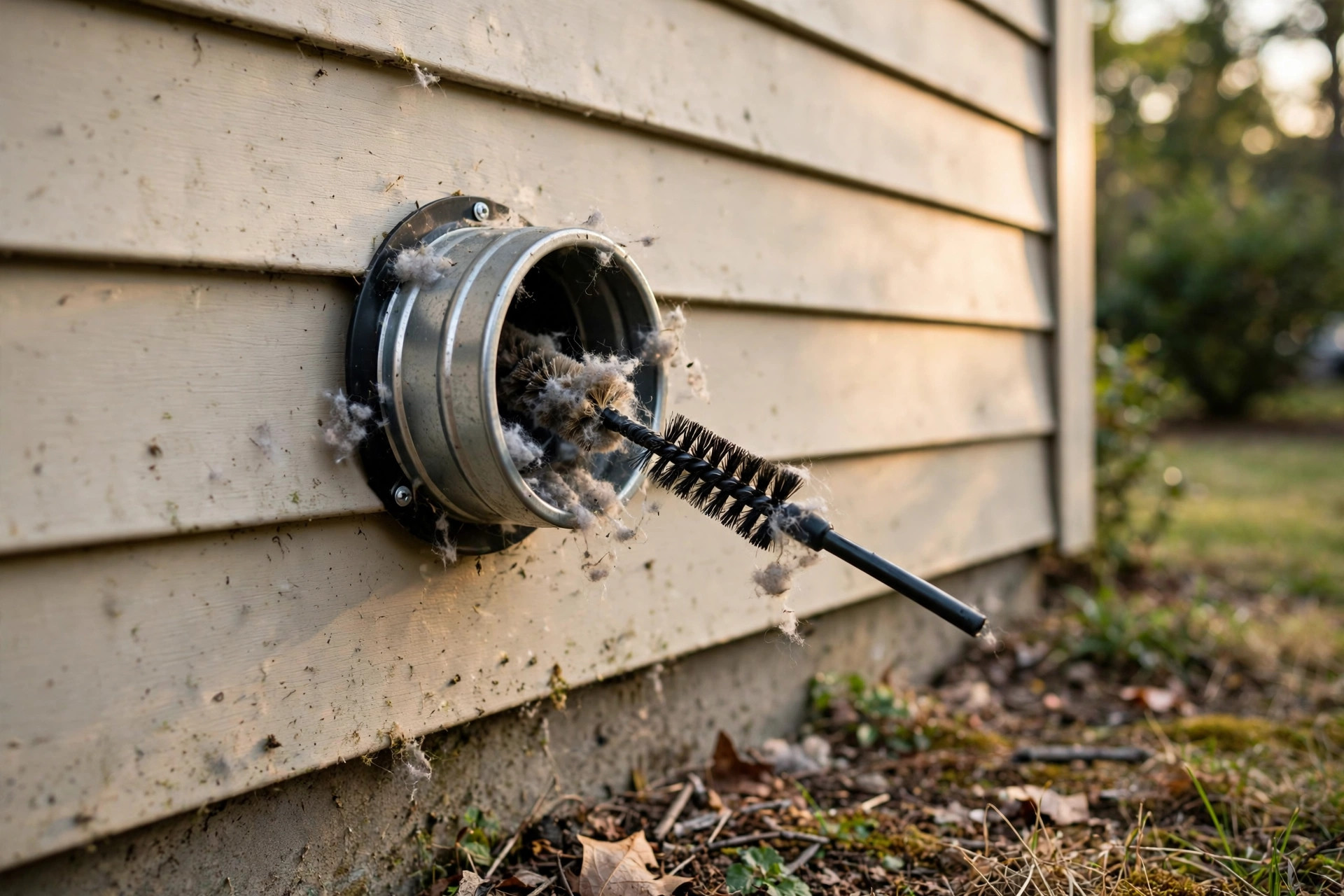
Next comes the duct itself. The tech runs a long brush or a rotary tool through the full length of the vent, from the dryer end out to the exterior wall or roof cap. A vacuum pulls the loose lint away as it comes free. Some companies use air pressure tools or cameras to clear and inspect long runs that turn through an attic. A camera shows crushed spots, screws that poke into the duct, and places where lint has packed into a solid mass.
The outside cap gets cleaned too. Birds sometimes build nests in the opening. The flaps of the cap can stick shut with lint. A stuck flap traps heat inside the vent. The tech clears it and makes sure the flaps move free.
A full visit ends with a test. The dryer runs for a short time while the tech feels the air at the outside cap. Strong, steady air flow means the line is clear. Weak flow means something still blocks the path. Home care guides note that this final test is the mark of a careful company.
How to Choose a Service You Can Trust
Not every company that cleans vents does the job well. A few checks will steer you to the right one.
Start with word of mouth and written reviews. Ask neighbors. Ask the local hardware store. When you read top rated dryer vent cleaning services reviews online, look for detail. Good reviews mention the tech by name, describe what was cleaned, and note the final air flow test. Be wary of reviews that say nothing but “great job” with no detail at all.
Ask what tools the company uses. A company with a rotary brush system, a strong vacuum, and an inspection camera takes the work seriously. A company that plans to use only a shop vacuum on the lint trap is not doing a full vent cleaning. Ask whether they clean the whole run, from the dryer to the outside cap. Some low-price outfits clean only the first few feet.
Ask about training and insurance. A legit company carries liability insurance. Its techs know the local building code for dryer vents. They know that plastic duct is no longer allowed in most places and that the run should be as short and straight as possible. They should be able to explain why they use rigid or semi-rigid metal duct.
Get a clear price before the visit. A quote given over the phone can change once the tech sees a long vent that runs through an attic. What matters is that the company tells you how the price changes with length, roof access, or a second dryer. A flat quote with no questions about your home may mean a thin service.
Watch out for add-ons you do not need. Some companies push extras like sanitizing sprays or bird guard screens at a high markup. A screen on the outside cap sounds good, but it can catch lint and clog faster than an open cap. Home improvement advice from experienced writers warns against caps that trap lint behind a mesh.
Types of Dryer Vent Cleaning Options
Homeowners have a few paths, from full do-it-yourself to a full pro visit.
Professional full-service cleaning
This is the whole job: hose, duct, cap, and air flow test. It fits long vents, vents that run up through an attic, and homes that have never had a cleaning. It is the safest choice for most people.
Basic vent cleaning
Some companies sell a basic package. It covers the vent line only, not the machine interior or a detailed inspection. It works as a light refresh between full services, but it should not be the only cleaning a home ever gets.
Dryer interior service
Some firms open the dryer cabinet and clean lint from around the heating element and the blower. This is a deeper job. It pairs well with a vent cleaning. Repair advice from the Family Handyman notes that lint inside the machine is a common hidden cause of heat problems.
DIY cleaning with a brush kit
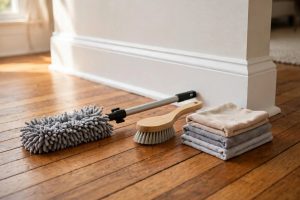
Homeowners can buy long brush kits that join together and turn with a drill. You can find a dryer vent cleaning kits price comparison usa shoppers use to pick a kit, and the kits are cheap. They help for short, straight vents. They do not replace a pro for long runs, roof vents, or vents with sharp turns. Old-home maintenance advice from This Old House points out that vents in older houses often have odd runs that a home brush cannot reach.
Cost and Price Guide
Prices change with the home, not just the company. A short vent that exits right through the wall behind the dryer is a quick job. A vent that runs twenty-five feet through an attic to the roof takes more time and more gear.
Across the country, a standard cleaning runs from about seventy-five to two hundred dollars. A dryer vent cleaning services cost guide that homeowners trust will show the same range. Roof vents cost more because of the ladder work and the safety gear. A second dryer, a second vent, or a blocked line that needs a camera adds to the bill.
Watch for very low prices. A twenty-nine dollar special is often a door opener. The tech arrives, then finds reasons to add charges. A fair company states the full price range up front and explains what could add to it. Ask if the price includes the outside cap, the hose check, and the air flow test.
Some companies bundle services. A visit that covers the vent, the dryer interior, and a new metal transition hose may run from one hundred fifty to three hundred dollars. For a home that has not had service in years, that bundle is often worth it.
Care and Upkeep Between Visits
A pro cleaning sets the line straight. What you do after that decides how long it stays clear.
Clean the lint screen before or after every load. This is the single best habit. Pull the screen out. Clear all the lint. If the screen looks filmed, wash it with soap and water and let it dry. Fabric softener leaves a film that blocks air flow. Housekeeping experts point out that a filmed screen forces the dryer to work harder with no visible sign.
Check the outside cap once a month. Walk outside while the dryer runs. Feel the air coming out. It should be strong and warm. If it is weak, the vent may be clogging again. Look at the cap. Clear any lint or nests from the opening. Make sure the flaps open and shut.
Keep the laundry area tidy. Lint that floats in the air ends up in the machine and in the vent. A small gap behind the dryer helps the hose keep its shape. Do not push the dryer hard against the wall. A crushed hose is one of the most common causes of slow drying.
Once a year, check the hose. Pull the dryer out. Look at the full length of the hose. If it sags, replace it with smooth metal. If it is plastic or thin foil, replace it. This one fix makes a large difference in many homes.
Safety Points Every Homeowner Should Know
Never run the dryer when no one is home. This rule comes from product safety guidance, and it matters. A fire that starts while you sleep or while you are at work can spread before anyone knows.
Do not use the dryer to dry foam, rubber, or plastic. These materials can melt and catch fire at high heat. Check labels. Dry such items on a rack instead.
Make sure the vent exits outside the house, not into an attic, a crawl space, or a garage. Some old vents dump into these spaces. That fills the space with damp air and lint. Federal guidance on home air quality treats this as a real problem. If your vent ends indoors, have it moved outside at once.
Keep the area around the dryer clear. Do not store boxes, paint, or cleaning fluid near the machine. Heat and lint dust do not mix well with flammables.
Teach the whole house the basics. Show children how to clean the lint screen. Show them the outside cap. When the whole family knows what a clear vent looks like, small problems get caught early.
Frequently Asked Questions
How often should I have my dryer vent cleaned?
Most homes need a cleaning once a year. Large families that run many loads may need it every six months. If you notice long drying times or a hot laundry room, do not wait for the calendar. Get it checked right away.
What are the signs of a blocked dryer vent?
Clothes take more than one cycle to dry. The top of the dryer feels very hot. The laundry room feels damp. You see lint around the outside cap, or the cap flaps stay shut. A burning smell during a cycle is a warning to stop the dryer and call a pro.
Can I clean the vent myself with a kit?
You can, for a short straight vent. Brush kits join into a long rod that turns with a drill. They clear loose lint well. They cannot reach far into long runs or clean around sharp turns. If your vent goes through an attic or to a roof, hire a pro. Many homeowners who want quiet dryer vent cleaning services for early morning visits still book a pro for roof lines.
How long does a professional visit take?
A standard visit takes about one hour. Long vents, roof access, or a heavy lint pack can stretch it to two.
Does a clean vent really lower my electric bill?
Yes, in a real way. A clear vent lets each load dry in one cycle. Fewer cycles mean fewer hours of power use. Federal energy-saving tips count vent upkeep among the simple acts that cut appliance waste. The savings build up over a year.
Should the vent cap have a screen to keep birds out?
Most pros say no. A screen catches lint and clogs fast. A standard cap with working flaps keeps most birds out and lets lint pass. Clean the cap each month and it will do its job.
A Final Word
A dryer vent is easy to forget and easy to neglect. It sits in a wall, out of sight. But it does hard work every time you run a load. When you search for top rated dryer vent cleaning services near me, look for a company that cleans the whole line, tests the air flow, and explains what it finds. Pair that yearly visit with simple habits: clean the lint screen, check the cap, and keep the hose in good shape. Your dryer will run better, your bills will run lower, and your home will be safer. That is a good return for one hour of care each year.
References
Bob Vila. (n.d.). Home improvement advice. https://www.bobvila.com Consumer Reports. (n.d.). Product reviews and ratings. https://www.consumerreports.org Family Handyman. (n.d.). DIY home repair and maintenance. https://www.familyhandyman.com Good Housekeeping. (n.d.). Product reviews and home advice. https://www.goodhousekeeping.com National Fire Protection Association. (n.d.). Fire safety information and codes. https://www.nfpa.org The Spruce. (n.d.). Home and garden advice. https://www.thespruce.com This Old House. (n.d.). Home renovation guidance. https://www.thisoldhouse.com U.S. Consumer Product Safety Commission. (n.d.). Product safety information. https://www.cpsc.gov U.S. Department of Energy. (n.d.). Energy efficiency and renewable energy. https://www.energy.gov U.S. Environmental Protection Agency. (n.d.). Protecting human health and the environment. https://www.epa.gov
Was this guide helpful?

About David Wilson
The My Garden US editorial team writes practical, in-depth home and garden guides for American homeowners — tested advice, no fluff.