
Introduction
Baseboards are easy to forget. They run along the bottom of every wall in the home. Dust, pet hair, and scuffs collect on them every week. This top rated baseboard cleaning tools buying guide will help you choose the right tools for the job. Clean baseboards make a whole room look fresh. They also protect the paint and trim from long term damage. A good tool makes the work fast and simple. You do not need to kneel on the floor for hours. Many modern tools let you stand and work in comfort. This guide covers why baseboards matter, what to look for in a tool, the main tool types, prices, care, and safety. It ends with answers to common questions. Read through each part before you buy. The right choice will save you time and effort for years.
Why Baseboards Matter: Top Rated Baseboard Cleaning Tools Buying Guide
Baseboards do more than look nice. They cover the joint where the wall meets the floor. They protect the wall from kicks, furniture bumps, and vacuum strikes. Dust builds up on the top edge of every baseboard. This dust can hold allergens. People with dust allergies often feel better in a home with clean trim. Dirty baseboards also drag down the look of a clean room. You can mop the floor and dust the shelves, but grimy trim will still catch the eye. Regular cleaning keeps the paint in good shape. Paint that stays dirty for years can stain. Once the stain sets, only new paint will fix it. A quick wipe every few weeks is enough in most homes. Homes with pets or high traffic may need more care. The good advice on home maintenance at This Old House notes that trim care is part of basic house upkeep. Clean baseboards also help when you sell a home. Buyers notice trim. Bright, clean baseboards signal a well kept house. The work is small. The result is large.
What to Look for in Baseboard Cleaning Tools
Head Design
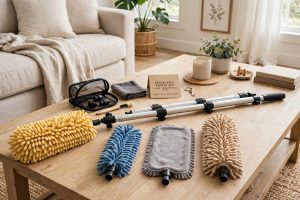
The head is the part that touches the trim. A good head matches the shape of the baseboard. Many baseboards have curves and grooves. A flat rigid pad will miss those spots. Look for heads that flex. A flexible microfiber head bends into curves. It keeps contact with the trim as you move. Some heads have two sides, one soft and one firm. The soft side picks up dust. The firm side scrubs scuff marks. Brush heads work well on textured trim. They reach into small grooves. Make sure the head is wide enough to cover the trim in one pass. A head of three to four inches suits most standard baseboards.
Handle Length
Handle length decides how you will work. Short handles give control. They suit detail work and small rooms. Long handles let you stand while you clean. This is kinder to the back and knees. Some handles extend and lock. An adjustable handle covers both needs. Check the grip. A soft foam grip is easy on the hands. A slick plastic grip can slip when wet. If you have tall rooms or stairwells, a long reach helps. You can clean high trim without a step stool. Test the weight too. A heavy tool tires the arm fast. Most quality tools weigh under two pounds.
Materials and Build Quality
Materials decide how long the tool lasts. Microfiber is the best fabric for dust pickup. It traps dust instead of pushing it around. Look for dense, thick microfiber. Thin cloth wears out fast. The frame should be strong but light. Plastic frames are common and fine if they feel solid. Metal handles last longer but add weight. Pads that detach with clips or hook and loop are easy to wash. Avoid tools with glued on pads. Glue fails with water and heat. Check the reviews for notes on durability. A tool that breaks in a month is no bargain. Sites like Consumer Reports rate cleaning tools for lasting quality, which can help you judge value before you buy.
Types of Baseboard Cleaning Tools
Microfiber Cleaning Pads
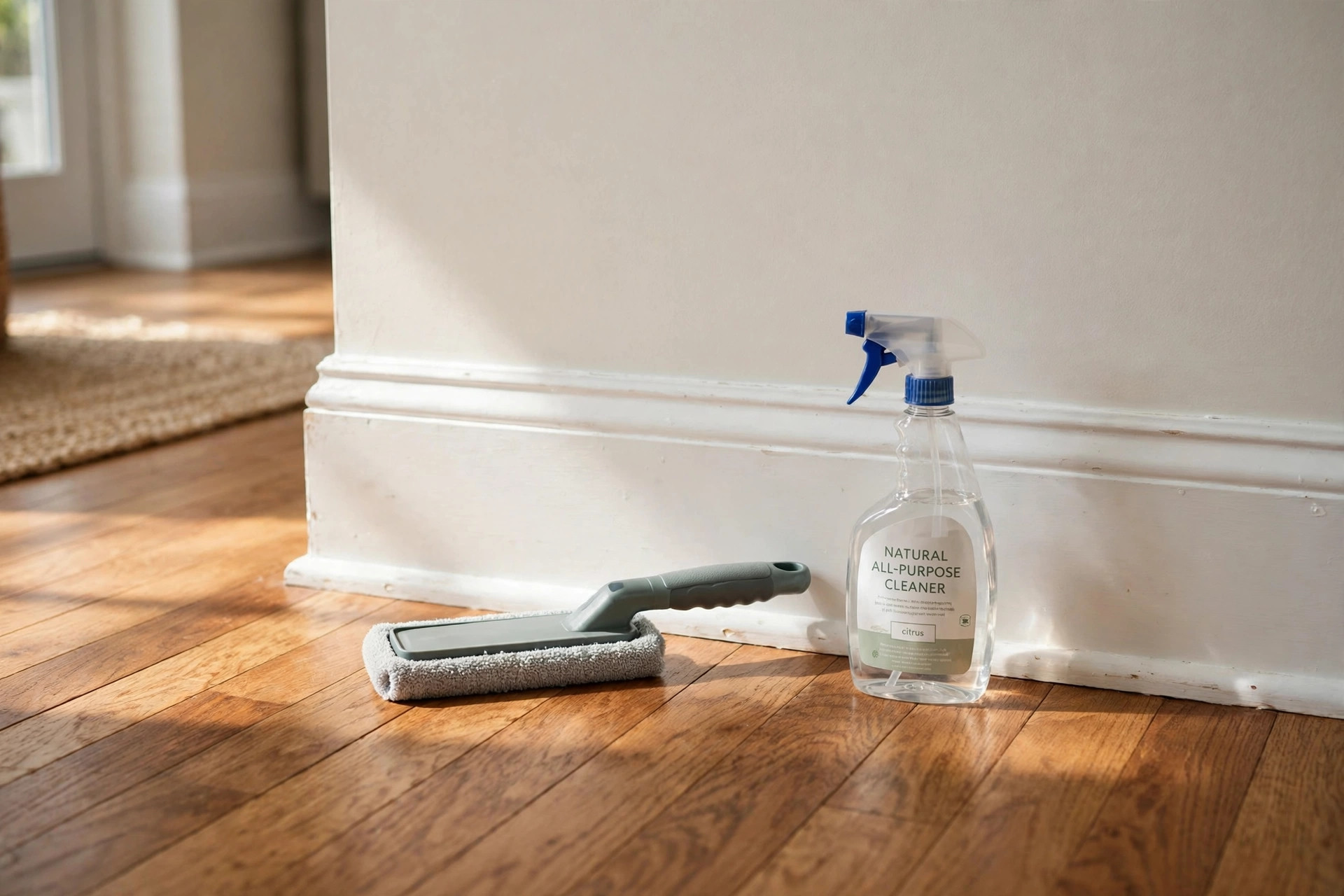
Microfiber pads are the most popular choice. The pad slides along the top edge of the baseboard. It picks up dust in one pass. Many pads fit on long handles. Some have a bendable design for curves. The pads go in the washing machine when dirty. This makes them cheap to run. Buy a tool with spare pads. You can use a clean pad while the others wash. Microfiber works dry or slightly damp. A dry pad picks up dust. A damp pad lifts sticky dirt. Do not soak the pad. Too much water can drip and streak the paint.
Detail Brushes
Detail brushes are small hand tools. They have stiff or soft bristles. They clean corners, grooves, and carved trim. A detail brush is useful where pads cannot reach. It works around door frames and window trim too. Soft bristles suit painted trim. Stiff bristles suit tile edges and unpainted wood. A brush with an angled head reaches behind furniture. Detail brushes are cheap. Most cost less than a meal out. Keep one in your cleaning caddy. The cleaning guides at Family Handyman often list a detail brush as a must have for trim work.
Vacuum Attachments
Vacuum attachments clean baseboards without a separate tool. A soft brush attachment fits most vacuum hoses. It sweeps dust off the trim and into the vacuum. This is fast. It also keeps dust from floating into the air. The brush must be soft enough to protect paint. Hard brushes can scratch. If you already own a vacuum, check what heads came in the box. Many owners never use the brush head. It may already do this job. A dusting brush with long bristles works best. It reaches into grooves. Use low suction on delicate trim. High suction can pull at loose paint edges.
Mop-Style Tools
Mop-style tools have a long handle and a wide cleaning head. They were made for floors but work on baseboards too. The wide head covers more trim per stroke. Some have spray triggers. You spray and wipe in one motion. These tools suit large homes. You can move from room to room fast. They are heavier than simple pads. Make sure the head pivots. A pivoting head follows the wall line. When you are done with the trim, the same tool can wash floors. If you want to compare baseboard cleaning tool prices, these all-in-one tools often show the best value for big houses.
Cost and Price
Baseboard cleaning tools are not costly. Simple detail brushes cost a few dollars. Handheld microfiber pads cost about the same. Tools with long handles cost more. Expect to pay in the mid range for a quality extendable handle with spare pads. Mop-style tools with spray functions cost the most of the bunch. They still cost far less than a power tool. Price is not the only factor. A cheap tool that falls apart costs more in the long run. A mid priced tool that lasts for years is the better deal. Watch for bundle deals. Some makers sell the handle plus a set of pads for one price. Spare pads sold alone cost more per pad. Check what the price includes before you compare. The product guides at Bob Vila often break down what each price tier includes. Also check the warranty. A one year warranty is common. It shows the maker trusts the product. If you live in a damp climate, you may want to read about the best baseboard cleaning tools for humid climates before you spend, since some pads resist mold better than others.
Care and Upkeep of the Tools
Good tools last long with simple care. Shake microfiber pads outside after each use. This drops loose dust before it mats the fibers. Wash the pads in warm water with mild soap. Do not use fabric softener. Softener coats the fibers and cuts their grip on dust. Let pads air dry. High heat in a dryer can melt fine fibers. Check brush heads for bent bristles. Rinse brushes with warm water and let them dry with bristles down. Wipe handles with a damp cloth. Look at the clips and joints now and then. Tighten any screws that work loose. Store tools in a dry place. A damp garage can grow mold on fabric pads. Replace pads when they look flat and worn. Most pads last for many washes. When they stop picking up dust, it is time for new ones. The home care tips at The Spruce remind owners that clean tools clean better. A dirty pad will smear dirt instead of lifting it. Take five minutes after each cleaning session to care for your tools. They will repay you with years of good service.
Safety
Baseboard cleaning is low risk work. A few simple rules keep it safe. Do not use harsh chemicals on painted trim. Bleach and strong solvents can dull the paint. They can also harm your skin and lungs. Mild soap and water handle most dirt. If you need a stronger cleaner, test it in a hidden spot first. Wear gloves when you scrub. Gloves protect your skin from cleaners and rough bristles. When you work near outlets, keep water away. A damp pad is fine. A dripping pad is not. Water and plugs do not mix. If you use a step stool for high trim, set it on a flat floor. Do not lean off the side. Keep the work area clear of toys and cords so you do not trip. The safety resources at the EPA explain how to use household cleaners with care. Store tools where children cannot reach sharp brush backs or long handles. A long handle can tip and fall. Hang tools on a wall hook when not in use. Safe habits make a simple job even simpler.
Frequently Asked Questions
How often should I clean my baseboards?
Most homes need baseboard cleaning once a month. Homes with pets may need it every two weeks. Pet hair sticks to trim fast. High traffic halls collect dust sooner than quiet rooms. A quick monthly wipe keeps buildup light. Heavy buildup takes more work to remove. Light regular cleaning is the easier path.
Can I use a steam mop on baseboards?
A steam mop can clean baseboards, but use care. High heat and steam can soften paint on wood trim. Use the lowest steam setting. Keep the mop moving. Do not hold steam on one spot. If you want a floor tool that also handles trim, learn more in our guide to steam mops for tile floors and the price ranges there.
What is the easiest tool for bad knees?
A long handle microfiber tool is best. You stand while you clean. There is no kneeling and no bending. Choose a light tool with a soft grip. An extendable handle lets you reach far spots. This style also works for ceiling edges and high shelves. Comfort tools make regular cleaning much more likely.
Do microfiber pads scratch painted baseboards?
Quality microfiber does not scratch paint. The fibers are fine and soft. They lift dust without grinding it. Keep the pad clean. A pad full of grit can scratch. Rinse or swap pads during heavy jobs. Avoid pressing hard. Light pressure is enough for most dirt. For sticky spots, use a damp pad and gentle strokes.
Should I dust or wash baseboards first?
Dust first, then wash. Dry dusting lifts loose dirt. If you wash first, the dust turns to mud. That mud is harder to remove. It can also streak the paint. Do a dry pass with a microfiber pad or vacuum brush. Then follow with a damp pad for stuck dirt. This two step method gives the cleanest result. The cleaning experts at Good Housekeeping suggest the same dust first order for most surfaces in the home.
Where can I buy these tools?
Most home stores carry baseboard tools. You can find them in the cleaning aisle. Online stores offer more choice. The home improvement selection at Home Depot and the cleaning tools at Lowe’s both include baseboard options with customer reviews. Read the reviews before you buy. Look for notes on handle strength and pad quality. Check the return policy too. A good store lets you return a tool that does not suit your trim.
Final Word
Clean baseboards are a small job with a big payoff. The right tool makes it easy. Start with a long handle microfiber pad for weekly dusting. Add a detail brush for grooves and corners. Keep the pads clean and the work stays fast. Buy for your own home, your own trim, and your own body. A light tool you enjoy using beats a fancy tool that sits in the closet. The seasonal cleaning ideas at Better Homes and Gardens can help you fit baseboard care into a simple home routine. Pick your tools, set a monthly date, and enjoy trim that looks bright all year.
References
Better Homes & Gardens. (n.d.). Home and garden ideas. https://www.bhg.com Bob Vila. (n.d.). Home improvement advice. https://www.bobvila.com Consumer Reports. (n.d.). Product reviews and ratings. https://www.consumerreports.org Family Handyman. (n.d.). DIY home repair and maintenance. https://www.familyhandyman.com Good Housekeeping. (n.d.). Product reviews and home advice. https://www.goodhousekeeping.com Lowe’s. (n.d.). Home improvement products. https://www.lowes.com The Home Depot. (n.d.). Home improvement products. https://www.homedepot.com The Spruce. (n.d.). Home and garden advice. https://www.thespruce.com This Old House. (n.d.). Home renovation guidance. https://www.thisoldhouse.com U.S. Environmental Protection Agency. (n.d.). Protecting human health and the environment. https://www.epa.gov
Was this guide helpful?

About James Carter
The My Garden US editorial team writes practical, in-depth home and garden guides for American homeowners — tested advice, no fluff.
You May Also Like
Professional Grade Gutter Cleaning Tools with Free Shipping
September 8, 2026 0 views
Buy Window Cleaning Robots Online in Arizona: A Plain Guide
September 21, 2026 0 views
Top Rated Handyman Services for Homeowners Reviews
August 6, 2026 0 views