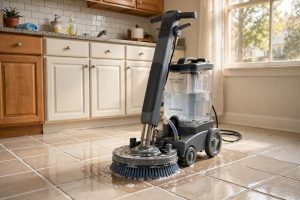

Dust sits in the air ducts of most homes. It builds up over the years, and every time the heat or the air conditioning turns on, some of that dust blows back into the rooms. Cordless air duct cleaning services near me are a new kind of cleaning that uses battery powered tools instead of the big truck-mounted machines of the past. This guide explains how the work is done, when a home needs it, what to look for in a service, and what it should cost.
Why Air Duct Cleaning Matters
The ducts of a home are the roads that air travels. Warm air in winter and cool air in summer both pass through these metal or flexible tubes. Over time, dust, lint, pet hair, and even bits of insulation settle inside them. In some homes, the ducts also hold mold, pollen, or rodent droppings.
Most of this buildup stays in place. It does not harm anyone while it rests. The trouble starts when the buildup grows thick. Then the air moving through the ducts picks up dust and carries it into every room. People with allergies or asthma may notice more sneezing, coughing, or a tight chest. The home may also feel dusty no matter how often the floors are swept.
Clean ducts do not cure illness. They simply cut down on one source of indoor dust. For many families, that is enough to make the home feel fresher. A cordless handyman service for homeowners near me can also handle small repairs around the vents, such as loose registers or cracked vent covers.
Signs Your Ducts May Need Cleaning
A home sends out clues when the ducts are due for a cleaning. The first clue is dust. If dust returns to shelves and tables within a day or two of cleaning, the ducts may be the source. A second clue is weak airflow. If one room gets little air while the others feel fine, a duct may be blocked with debris.
Bad smells are a third clue. A musty or moldy smell when the system starts can mean moisture has entered the ducts. Visible dust blowing from the vents is another clear sign. So are pest signs near the vents, such as droppings or chewed insulation. The United States Environmental Protection Agency notes that duct cleaning has not been shown to stop health problems, but it can be worth doing when ducts are clearly dirty (epa.gov).
What Cordless Air Duct Cleaning Means: Cordless Air Duct Cleaning Services near Me
The word cordless describes the tools, not the whole job. In older times, duct cleaning companies parked a large truck outside the home. A heavy hose ran from the truck into the house and into the ducts. The truck engine ran for hours, and the hose could scratch floors and bump walls.
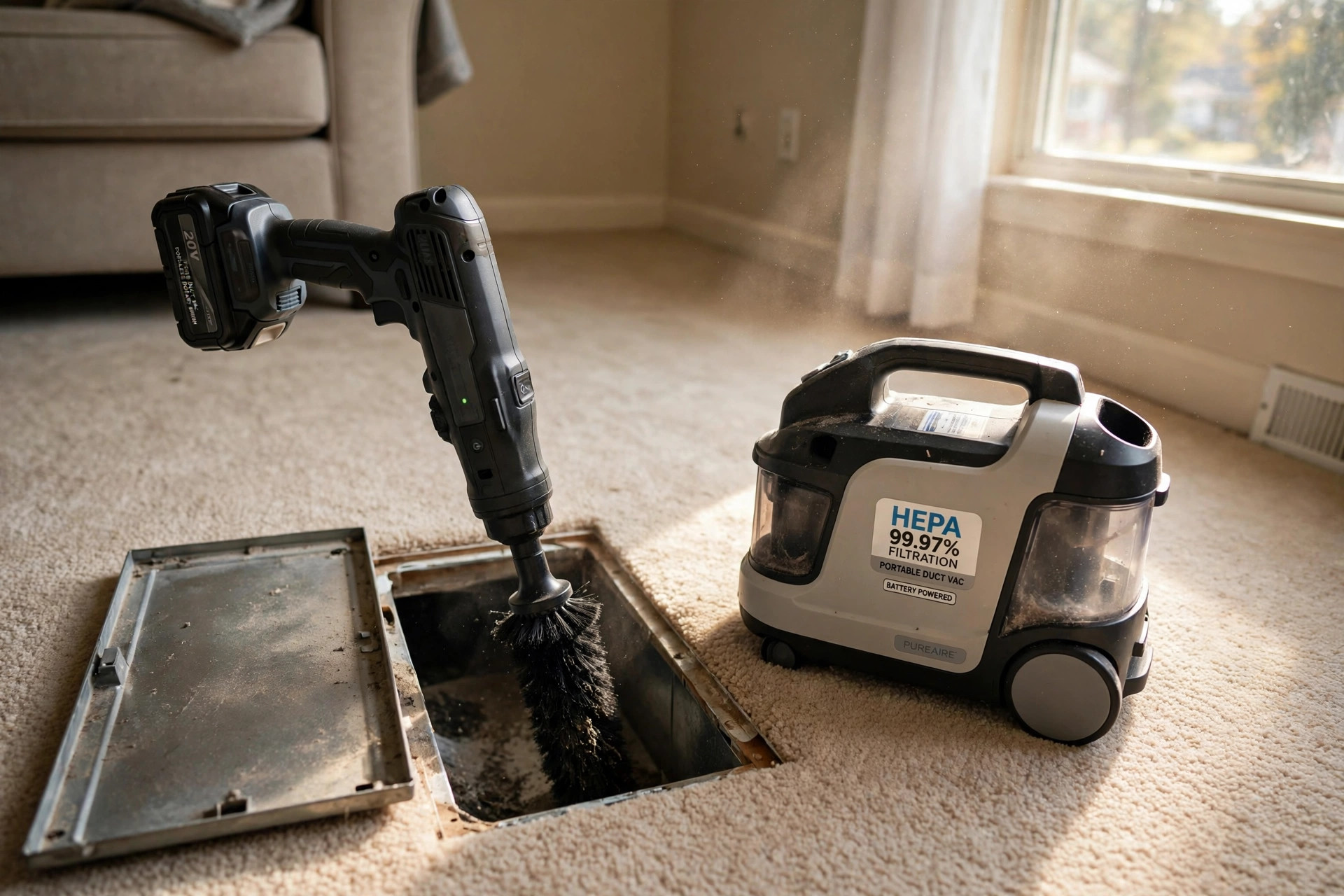
Cordless service works in a different way. The technician carries in battery powered tools. These include spinning brush heads, small portable vacuums, and inspection cameras. The brushes turn by battery power and scrub the inside walls of the ducts. The portable vacuum pulls the loose dust out at the same time. No hose runs out to the street. No truck engine shakes the house for hours.
This method fits many homes well. Townhouses, condos, and homes with long driveways are good matches. The crew can work room by room with light gear. The National Air Duct Cleaners Association sets standards for how duct cleaning should be done, and good cordless crews follow the same care rules as truck crews.
How to Choose a Service Near You
Finding cordless air duct cleaning services near me takes a little care. Not every company that claims to clean ducts does the full job. Some send one worker with a small shop vacuum and call it done. That is not a true cleaning.
Questions to Ask Before You Book
Start with the process. Ask how the crew reaches every duct. A proper cleaning opens each vent, sends a brush or air whip down the duct, and vacuums the debris at the source. Ask how long the job takes. A full home cleaning should take two to four hours, not twenty minutes.
Ask about the tools. Cordless does not mean weak. Battery powered rotary brushes and HEPA filtered vacuums can do the job well when the crew is trained. Ask whether the crew follows NADCA standards. Ask what happens if a vent is sealed shut or a duct is damaged. A good company will tell you what it can and cannot do.
Licenses, Insurance, and Reviews
Check that the company carries liability insurance. Accidents happen, and a registered business should cover any harm to your home. Ask for proof in writing if you are unsure. Look at online reviews on sites such as Angi, but read them with care. Look for reviews that mention the crew by name and describe the work in detail. Those read as real.
Be wary of very low prices. Ads for whole house duct cleaning at ninety nine dollars are a common warning sign. The job cannot be done well at that price. The crew may use the low price to get in the door and then press for costly extras. Consumer Reports warns against upsell tricks in home service work, and duct cleaning is a common place for them.
Types of Cordless Duct Cleaning Methods
Cordless crews use a few main methods. The first is rotary brushing. A spinning brush on a flexible cord or rod scrubs the duct walls while a vacuum pulls the dust away. This is the most common method, and it works well on metal ducts.
The second method is air whipping. A small tool blows bursts of air that knock dust loose while the vacuum collects it. This works better in flexible ducts, where a hard brush could tear the inner lining. The third method is camera inspection. The technician feeds a small camera into the ducts to show you the dirt before and after. Ask for this. Seeing the change is the best proof the work was real.
Some companies add a sanitizing mist after cleaning. This step is optional. It may help in homes with mold or past rodent problems, but it adds cost. Ask what chemical is used and make sure the home can air out before pets and children return to the rooms.
Cost and Price Ranges
Cordless air duct cleaning costs about the same as truck based cleaning in most areas. For a typical single family home, the price often runs from three hundred to five hundred dollars. Larger homes with more vents may run from five hundred to eight hundred dollars. Small condos may cost less.
Price depends on four things. The first is the number of vents. More vents mean more time. The second is the type of ducts. Flexible ducts take more care than metal ducts. The third is the level of dirt. A home with heavy buildup or past pest problems takes longer. The fourth is extras such as sanitizing, dryer vent cleaning, or camera inspection.
Get the price in writing before the crew starts. Ask what is included and what costs extra. A clear written quote is the best guard against surprise charges. If you want a full refresh of the home, a professional grade deep cleaning service package for homeowners can pair well with duct cleaning on the same visit.
Care and Upkeep After Cleaning
Ducts stay clean longer when the home has good filters. Use a furnace filter with a rating of MERV 8 or higher. Change it on schedule, usually every one to three months. A clean filter catches the dust before it reaches the ducts.
Keep the vents open and clear. Do not block supply vents with rugs or furniture. Blocked vents force air through smaller paths and stir up dust. Vacuum the vent covers now and then with a soft brush head. Wipe down the registers when you see dust gathering on them.
Watch for moisture. Ducts should stay dry. If you see water stains near the vents or smell mustiness, call a heating and cooling company. Wet ducts can grow mold, and mold in the ducts should be handled by trained pros. The Department of Energy offers guidance on keeping heating and cooling systems running well, which keeps ducts cleaner for longer.
Have the ducts checked every three to five years. Homes with pets, smokers, or recent remodeling work may need checks sooner. Remodeling dust is very fine and reaches deep into the duct system. A cleaning after a big project is often worth the cost.
Safety During the Job
Cordless duct cleaning is a safe job when done with care, but a few points matter. The crew will open vents in every room. Small children and pets should stay out of the work path so they do not trip on gear or breathe the stirred dust.
Dust will float in the air during the cleaning. The crew should seal the vents they are not working on and run the vacuum to pull dust out of the home. If anyone in the home has severe allergies, plan to leave during the work and return after the air has settled. Ask the company how long to wait before reentering the rooms.
Make sure the crew does not damage the ducts. Metal ducts can take firm brushing. Flexible ducts need a gentler touch. Ask the lead technician which method they will use for your duct type. A careful answer shows real training. This Old House has long advised homeowners to check a contractor’s methods before work begins, and duct cleaning is no different.
Chemicals used for sanitizing should be registered products made for duct use. Never let a crew spray an unknown liquid into your ducts. Ask to see the product label. If you are unsure, skip the sanitizing step. A good brush and vacuum cleaning is the core of the job.
For mold growth in or near ducts, a mold removal spray for southern states style product may help on small surface spots, but deep duct mold calls for professional remediation, not a do it yourself spray.
FAQ
How often should air ducts be cleaned?
Most homes need cleaning every three to five years. Homes with pets, allergies, or recent remodeling may need it sooner. A camera check can show whether the ducts are truly dirty before you pay for a cleaning.
Is cordless cleaning as good as truck mounted cleaning?
Yes, when the crew is trained and uses proper tools. Battery powered rotary brushes and HEPA vacuums can clean ducts well. What matters most is the crew’s method, not the power source. Ask for before and after camera views as proof.
How long does the job take?
A full home usually takes two to four hours. The crew opens each vent, brushes each duct run, and vacuums the debris. A job finished in under an hour likely skipped steps.
Will duct cleaning lower my energy bills?
It may help a little. Very dirty ducts force the system to work harder. But the savings are usually small. Duct cleaning is mainly about dust and air quality, not big energy savings. Sealing leaky ducts, which is a separate job, saves more energy.
Can I clean my own ducts?
You can clean the vent covers and the first few inches of each duct with a vacuum. Deep cleaning needs long brushes and strong vacuums that reach the full duct runs. Most homeowners do better hiring a pro for the full job and handling the surface dust themselves between visits.
What should I do to get ready?
Clear a path to each vent. Move light furniture a few feet away. Keep pets in a closed room. Change the furnace filter after the cleaning so the new filter starts clean. You do not need to leave the home unless dust bothers you.
A Short Final Word
Cordless air duct cleaning services near me offer a lighter, quieter way to get dusty ducts clean. The method suits most homes, and the results match truck based cleaning when the crew knows its trade. Choose a company with clear methods, fair written pricing, and good reviews. Then keep your filters fresh and your vents clear, and your ducts will serve you well for years.
Related guides on this site include reliable move out cleaning services in colorado, buy stainless steel appliance cleaners online in california, and best pest control service plans near me.
References
Angi. (n.d.). Home services marketplace. https://www.angi.com Bob Vila. (n.d.). Home improvement advice. https://www.bobvila.com Consumer Reports. (n.d.). Product reviews and ratings. https://www.consumerreports.org Good Housekeeping. (n.d.). Product reviews and home advice. https://www.goodhousekeeping.com National Air Duct Cleaners Association. (n.d.). Air duct cleaning standards. https://www.nadca.com The Spruce. (n.d.). Home and garden advice. https://www.thespruce.com This Old House. (n.d.). Home renovation guidance. https://www.thisoldhouse.com U.S. Department of Energy. (n.d.). Energy efficiency and renewable energy. https://www.energy.gov U.S. Environmental Protection Agency. (n.d.). Protecting human health and the environment. https://www.epa.gov
Was this guide helpful?

About Sarah Mitchell
The My Garden US editorial team writes practical, in-depth home and garden guides for American homeowners — tested advice, no fluff.
You May Also Like

Reliable Move Out Cleaning Services in California: A Practical Guide for Renters
July 21, 2026 0 views
Quiet Hardwood Floor Buffers for Sale: What to Know Before You Buy
February 17, 2026 0 views
Eco Friendly Chimney Sweep Services Near Me: A Plain Guide
January 4, 2026 0 views