Every year millions of American homes face ants in the kitchen, mice in the attic, and roaches in the basement. When you search for the best pest control service plans near me, you are not just looking for a one-time spray. You are looking for steady, year-round protection. A good service plan gives you regular visits, free return calls, and peace of mind. This guide explains what these plans include, what they cost, and how to pick the right one for your home.
Why Pest Control Plans Matter
Pests do more than annoy you. They cause real damage. Termites can chew through wood framing and cost thousands of dollars in repairs. Rodents chew wires and can start fires. Cockroaches and mice spread disease. A single nest of carpenter ants can hollow out a deck beam in one season.
A service plan treats pest control as prevention, not as an emergency. Instead of waiting until you see a trail of ants across the counter, a technician visits on a set schedule. The visits keep small problems small. Most plans also include free return visits. If pests show up between regular treatments, the company comes back at no extra charge.
Plans also save money over time. One emergency visit can cost more than a full year of a basic plan. Regular service uses smaller amounts of product and keeps pest pressure low.
What to Look for in a Pest Control Service Plan: Best Pest Control Service Plans near Me
Not all plans are equal. Read the details before you sign. The best pest control service plans near me share a few common traits. Look for clear coverage, a fair visit schedule, and honest guarantees.
Coverage and Visit Schedule
Check which pests the plan covers. Most general plans cover ants, roaches, spiders, silverfish, earwigs, and mice. Many do not cover termites, bed bugs, or wildlife. Those often need separate plans. Ask for a written list of covered pests.
Ask how often the technician will visit. Common schedules are monthly, every two months, or every quarter. In warm southern states, monthly visits are common. In cooler northern states, quarterly visits may be enough.
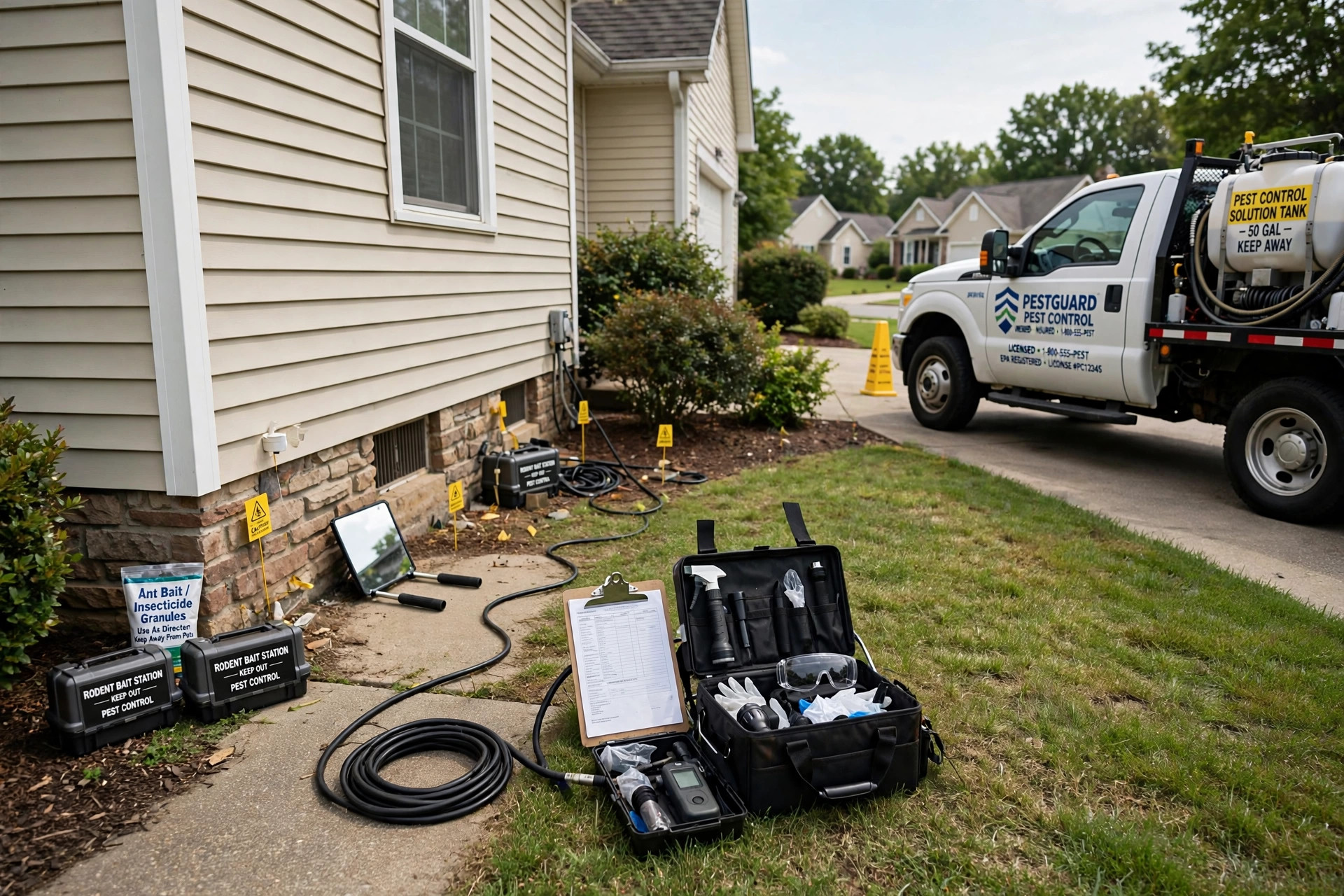
Ask what happens on each visit. A good visit includes an inspection of the inside and the outside of the home. The technician should check baseboards, sinks, attics, crawl spaces, and the foundation. The best companies also seal small entry points and give you a short written report.
The Service Guarantee
A strong guarantee is the heart of a plan. Most top companies offer a re-treatment guarantee. If pests return between visits, they come back free. Read the fine print. Some guarantees require you to call within a set number of days. Others exclude certain pests. A clear, written guarantee is a sign of a reliable company.
Technician Training and Licensing
Ask if the technicians are licensed by your state. Most states require pest control workers to hold a license. Ask how the company trains its staff. Good companies train new workers for weeks before they visit homes alone. You can check a company license with your state agriculture department. The U.S. Environmental Protection Agency also offers public guidance on safe pesticide use around the home.
Contract Terms and Cancellation
Some plans ask for a one-year contract. Others run month to month. Read the cancellation rules before you sign. Ask if there is a cancellation fee. Ask how much notice you must give. A fair plan lets you leave without a heavy penalty. Keep a copy of everything you sign.
Types of Pest Control Service Plans
Companies sell several kinds of plans. The right one depends on your home, your climate, and your pests.
General Household Pest Plans
This is the most common plan. It covers everyday pests such as ants, roaches, spiders, crickets, silverfish, and earwigs. The technician treats the inside and the outside of the home. Many plans also include a perimeter barrier spray that stops pests before they enter. These plans suit most single-family homes and cost the least.
Rodent Control Plans
Mice and rats need special care. A rodent plan includes trap checks, bait stations, and exclusion work. Exclusion means sealing the small holes where rodents enter. Mice can slip through a gap as wide as a pencil. A good rodent plan finds and closes these gaps around pipes, vents, and doors.
Termite Protection Plans
Termites are a separate threat. A termite plan usually starts with a full inspection of the foundation, crawl space, and attic. The company then places bait stations around the home or applies a liquid barrier in the soil. The technician checks the bait stations on a set schedule. Termite plans cost more than general plans, but termite damage costs far more. Detailed termite prevention advice appears in home improvement guides from This Old House.
Mosquito and Tick Plans
In many regions, summer brings mosquitoes and ticks. A mosquito plan treats the yard with a mist or granular product every three to four weeks during the warm season. Tick plans focus on lawn edges, woodpiles, and brush. These plans make backyards usable again. They are often sold as seasonal add-ons to a general plan.
Specialty Pest Plans
Some homes need help with bed bugs, fleas, wasps, or wildlife such as squirrels and bats. These pests need special tools and training. Specialty plans are usually sold per problem, not as year-round coverage. Ask if the company handles your specific pest before you sign a general plan. A plan that lists every covered pest in writing avoids confusion later.
Cost and Price Guide
Price varies by region, home size, and pest pressure. The numbers below are typical ranges for the United States in recent years.
A general household pest plan usually costs between 30 and 60 dollars per month. A basic plan with quarterly visits sits at the low end. A monthly plan for a large home sits at the high end. Many companies offer a first-year discount to new customers.
A rodent plan often adds 20 to 40 dollars per month to a general plan, or it may be included in a premium package. Exclusion work, such as sealing entry points, may carry a one-time fee of 200 to 600 dollars.
A termite protection plan usually costs 300 to 900 dollars per year. The first year often costs more because it includes the full inspection and bait station setup. Yearly renewals cost less.
A mosquito plan for the season often runs 60 to 100 dollars per visit, with six to eight visits per summer. Some companies sell the season as one flat package.
Ask these price questions before you agree:
– Is the first visit included, or does it cost extra? – Are return visits between treatments free? – Does the price rise after the first year? – Are there fees for canceling early?
Get quotes from at least three companies. Make sure each quote lists the same coverage so you can compare them fairly. Consumer testing groups such as Consumer Reports publish buying advice that can help you compare service contracts.
Care and Upkeep Between Visits
A service plan works best when you do your part. Pests need food, water, and shelter. Take those away and the treatments work far better.
Keep the kitchen clean. Store dry food in sealed jars and cans. Wipe counters each night. Take out the trash on a set schedule and keep bins closed. Fix leaky faucets and pipes. Roaches and silverfish thrive in damp places.
Keep the yard tidy. Trim bushes so they do not touch the house. Move firewood at least twenty feet from the home. Clear leaf piles and old boards where pests hide. Grade the soil so water drains away from the foundation. Standing water draws mosquitoes and termites.
Seal small gaps. Use caulk around windows and doors. Add door sweeps to exterior doors. Screen vents and chimneys. These small steps block many pests before they get inside. Home maintenance guides from Bob Vila list seasonal sealing tasks for every part of the house.
Store pet food in sealed bins and clean bowls each night. Pet food left out draws ants and roaches fast. If you keep bird feeders, place them far from the house and clean spilled seed often. Readers of home care columns in Good Housekeeping often share the same simple rule: no free food, no pests.
Work with your technician. Point out where you have seen pests. Ask what you can do between visits. A short note after each visit tells you what was found and what to watch for. Keep these notes in a folder. They help you track patterns over the seasons.
Related home upkeep services can support your plan. For example, a deep seasonal clean pairs well with pest treatments; see our guide to the best window cleaning service companies near me for keeping entry points clear. And if you schedule larger repair work, our article on the best handyman services for homeowners near me can help you find help with sealing and repairs.
Safety for Family and Pets
Safety is a fair concern. Modern pest control products are far safer than the harsh chemicals of decades past. Still, you should know what is being used in your home.
Ask the company which products it applies. Reputable companies use products registered with the federal government. Ask for the product labels and safety sheets. You have a right to see them. Many companies now offer low-toxicity and botanical options. Ask if these are available.
Follow the technician instructions after each visit. Common rules include keeping pets off treated lawns until dry and waiting before mopping treated floors. For indoor treatments, you may need to cover fish tanks and store toys. These steps are simple and keep everyone safe.
Tell the company about children, pets, and health concerns before the first visit. A good technician will adjust the plan. For example, bait stations can be locked so pets cannot reach them. Indoor sprays can be limited to cracks and crevices instead of open surfaces.
Watch for warning signs of a poor company. Avoid firms that spray on a set route without inspecting. Avoid firms that cannot name the products they use. Avoid firms that push a long contract before they inspect your home. Honest companies inspect first and quote second.
If anyone in the home has asthma or chemical sensitivity, talk to your doctor first. Ask the pest company about integrated pest management. This method starts with traps, sealing, and sanitation, and uses chemicals only as a last step. It is the safest approach for sensitive households. The family handyman tradition of careful home care, found in guides like Family Handyman, supports this careful-first approach.
Frequently Asked Questions
How often should a technician visit my home? It depends on your climate and your pests. In warm states with year-round insects, monthly or bimonthly visits are common. In cooler states, quarterly visits often work. Your company should base the schedule on local pest pressure, not on a sales quota. Ask why they recommend a given schedule.
Are one-time treatments enough? Sometimes. A one-time treatment can clear a single wasp nest or a small ant trail. But pests return. Eggs hatch. New colonies move in from the yard. For lasting control, a plan with repeat visits works better. One-time sprays treat the symptom. A plan treats the cause.
What happens if pests come back between visits? Call the company. Most good plans include free return visits. The technician comes back and re-treats the problem areas. Check your contract for the time limit. Some plans ask you to report the problem within thirty days. Keep your service notes so you can describe what you saw.
Do general plans cover termites? Usually not. Termites need their own plan with bait stations or soil barriers. Some premium general plans include a termite inspection each year, but not full termite treatment. Ask directly. Get the answer in writing. In termite-heavy regions, a separate termite plan is worth the cost.
Are pest control products safe for pets? When used as directed, most modern products pose low risk to pets. Still, take care. Keep pets away from wet treatments until they dry. Ask for locked bait stations outdoors. Tell the company about cats, birds, and fish, since some products affect them more. When in doubt, ask for the product safety sheet and read it.
How do I pick between local companies and national chains? Both can do good work. National chains often have set training programs and wide guarantees. Local firms often know the area pests better and may offer more flexible plans. The best choice is the company with a clear plan, a fair price, and a strong local record.
A Short Final Word
The best pest control service plans near me are not the cheapest ones or the ones with the loudest ads. They are the plans with clear coverage, trained technicians, and honest guarantees. Take time to compare. Ask hard questions. Read the contract. Keep up your side with clean habits and simple repairs. With a good plan and a little care, your home can stay pest free through every season.
For bigger moisture and air quality issues that often draw pests, you may also want to read our guide to the top rated mold remediation services reviews. Pest problems and damp problems often arrive together, and fixing both keeps your home healthy. Retail planning guides from major home centers such as The Home Depot and Lowe’s also list common sealing and repair supplies, and general home advice from The Spruce covers seasonal checklists that pair well with any service plan.
References
Bob Vila. (n.d.). Home improvement advice. https://www.bobvila.com Consumer Reports. (n.d.). Product reviews and ratings. https://www.consumerreports.org Family Handyman. (n.d.). DIY home repair and maintenance. https://www.familyhandyman.com Good Housekeeping. (n.d.). Product reviews and home advice. https://www.goodhousekeeping.com Lowe’s. (n.d.). Home improvement products. https://www.lowes.com The Home Depot. (n.d.). Home improvement products. https://www.homedepot.com The Spruce. (n.d.). Home and garden advice. https://www.thespruce.com This Old House. (n.d.). Home renovation guidance. https://www.thisoldhouse.com U.S. Environmental Protection Agency. (n.d.). Protecting human health and the environment. https://www.epa.gov
Was this guide helpful?

About Lisa Anderson
The My Garden US editorial team writes practical, in-depth home and garden guides for American homeowners — tested advice, no fluff.