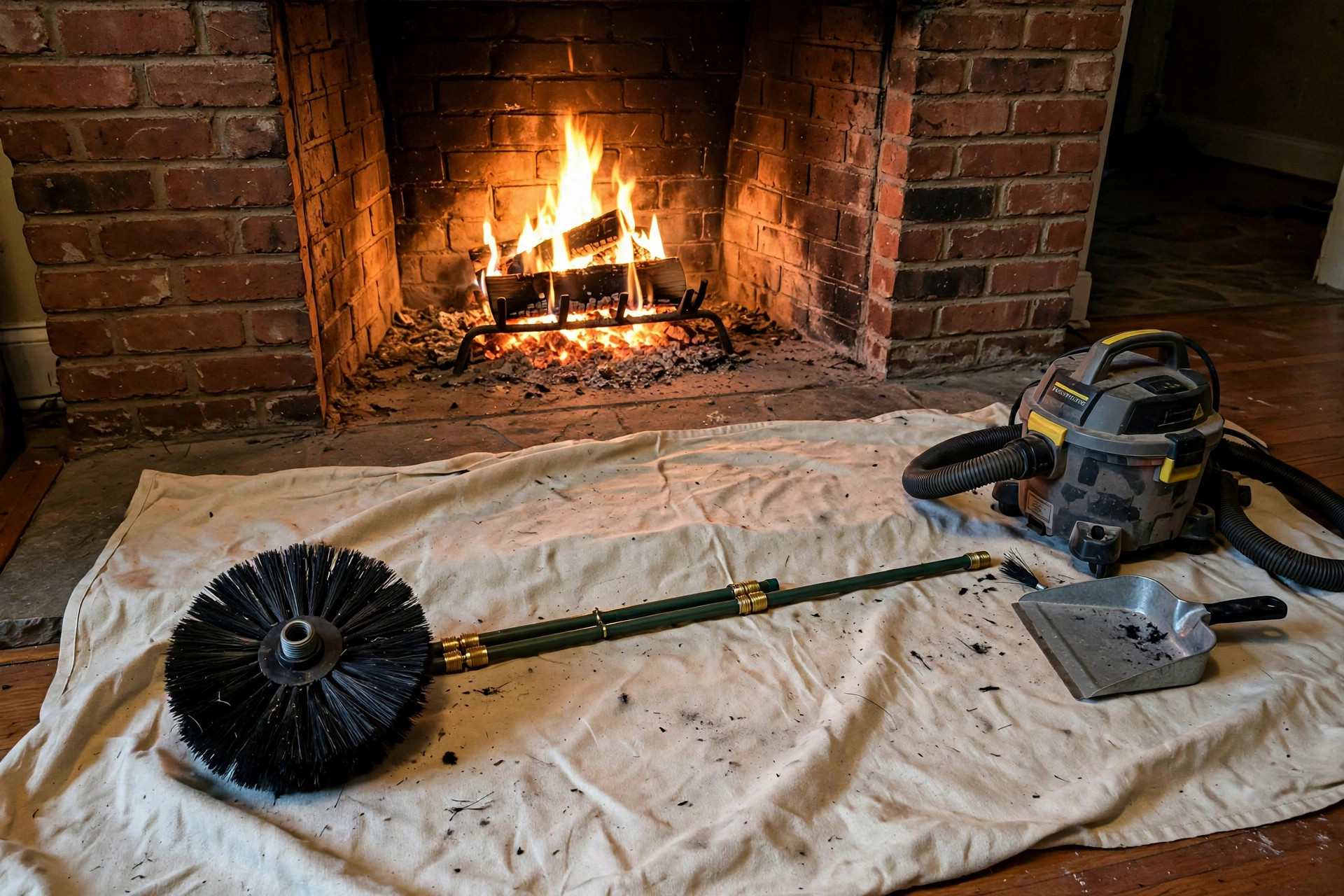

Across the Midwest, winter arrives early and stays late. In states like Ohio, Michigan, Indiana, Illinois, Wisconsin, Iowa, and Minnesota, a wood stove or fireplace is more than a comfort. It is a part of the heating plan. If you want to know which top rated chimney cleaning brushes for midwest homes are worth your money, you have come to the right place. A clean flue burns safer and heats better. Soot and creosote build up every time you burn wood. Left alone, that buildup can catch fire. A good brush, used once or twice a year, keeps that risk low. This guide explains what makes a chimney brush worth buying, which types suit common Midwest flue sizes, and how much you should expect to pay.
Why Chimney Cleaning Matters More in the Midwest
Midwest winters are long. From October through March, many homeowners burn wood nearly every day. Heavy use means heavy creosote buildup. Creosote is a tar-like residue that coats the inside of the flue. When it reaches a certain thickness, it becomes a real fire hazard. The National Fire Protection Association recommends annual chimney inspections and cleaning when needed. That advice matters even more where fireplaces see daily use.
A second problem is the weather itself. Midwest chimneys face freezing temperatures, snow, ice, and strong winds. Cracks in the flue liner let heat escape and can change how draft works. A dirty chimney combined with a weak draft pushes smoke back into the house. Regular brushing does not fix a cracked liner, but it does remove the soot that masks damage. A clean flue is easier to inspect, and early repairs are cheaper than late ones.
There is also the matter of heating bills. A clean chimney draws better. Better draft means a hotter, cleaner burn and less wood wasted on smoldering fires. Over one heating season, the savings add up.
What to Look for in a Chimney Cleaning Brush: Top Rated Chimney Cleaning Brushes for Midwest Homes
Not every brush fits every flue. Buying the wrong size is the most common mistake. Start with these checks before you shop.
Measure Your Flue First
Climb up and measure the inside of the flue, or measure through the cleanout door at the base. Flues are round, square, or rectangular. Write down the shape and the inside dimensions in inches. Common round sizes are six, seven, and eight inches. Square flues are often eight by eight or nine by nine inches. Your brush should match the flue shape and be the same size or slightly larger. A brush that is too small leaves corners dirty. One that is far too large will not pass through at all.
If your home has two flues, one for the furnace and one for the fireplace, measure both. They may differ.
Brush Head Material
Brush heads come in three main materials. Polypropylene brushes are stiff plastic bristles. They work well for metal flues and lined chimneys because they scrub without scratching the steel. Flat wire brushes have steel bristles. They are aggressive and suit unlined masonry flues with heavy buildup. Mixed bristle brushes blend both types and work as a general choice.
For most Midwest homes with stainless steel liners, a polypropylene brush is the safe pick. If your chimney is older brick with no liner, flat wire cleans the rough masonry better. When in doubt, match the brush to the liner, not to the outside of the chimney.
Rods and Reach
A brush without rods is useless. Chimney cleaning kits come with fiberglass or polypropylene rods that screw together. A standard rod is about three feet long. Count how tall your chimney is, then buy enough rods to reach from the top to the bottom with a little extra. Most kits include enough rods for a twenty-foot chimney. Tall Midwest farmhouses may need more. Look for rods with secure locking buttons so they do not unscrew inside the flue.
Types of Chimney Cleaning Brushes
Traditional Round and Square Brushes
These are the workhorses. A metal or plastic frame holds stiff bristles in the shape of the flue. They attach to rods and are worked up and down by hand. They cost less than power options and do a thorough job. For a homeowner who cleans once a year, this type is often all you need.
Power Sweeping Rotary Brushes
Rotary brushes attach to a drill and spin inside the flue. The spinning action knocks off glazed creosote that hand brushing may miss. They clean faster, but they cost more and need some care to avoid damaging the liner. If you burn a lot of soft wood like pine, which leaves sticky creosote, a rotary brush may be worth the extra cost.
SootEater Style Bottom-Up Kits
These kits clean from the fireplace up through the flue. You stay off the roof, which matters in icy Midwest winters. Flexible rods bend with the flue, and the spinning head reaches the top. Bottom-up kits are popular with homeowners who do not want to climb. They work best on straight flues with few bends.
For a deeper look at prices across the market, see this chimney cleaning brushes price comparison usa guide before you buy.
How Midwest Flue Sizes Shape Your Choice
Midwest homes tend to fall into a few common patterns. Ranch houses from the nineteen fifties and sixties often have eight-inch round clay tile flues. Newer homes may have six-inch stainless liners matched to efficient stoves. Large brick fireplaces in older cities like Chicago or Detroit often have square flues around twelve inches.
Match the brush to what you measured, not to what the store shelf suggests. A twelve-inch square flue needs a square brush, not a round one. Buying a set that includes two brush heads, one round and one square, is a smart move if you are unsure. Many of the top rated kits include a choice of heads for this reason.
Climate also affects material choice. Steel wire brushes can rust if stored in a damp garage over winter. Polypropylene does not rust and stands up well to freeze and thaw cycles. If your tools live in an unheated outbuilding, plastic bristles may last longer.
Cost and Price: What to Expect
Chimney brush kits range widely in price. A basic hand brush with rods costs between twenty and forty dollars. These handle yearly maintenance on a moderately used flue. Mid-range kits with extra rods and a choice of brush heads run forty to eighty dollars. Rotary and bottom-up kits with drill attachments run eighty to one hundred fifty dollars or more.
Compare this to hiring a sweep. A professional chimney cleaning in the Midwest typically costs between one hundred fifty and three hundred dollars per visit. If you clean twice a year, a one-hundred-dollar kit pays for itself quickly. That said, a do-it-yourself cleaning does not replace a professional inspection. Have a certified sweep inspect the chimney at least once a year. The Chimney Safety Institute of America explains what a proper inspection covers.
When you shop, weigh the commercial grade chimney cleaning brushes buying guide if you heat with wood full time. Commercial grade brushes have denser bristles and sturdier frames. They cost more but survive many seasons of heavy use.
Online shoppers may also want to check availability before the fall rush. A buy chimney cleaning brushes online in arizona style search works just as well from a Midwest address, since most retailers ship nationwide. Buy in late summer to beat the autumn price bump.
How to Clean Your Chimney Safely
Plan the job for a cool, dry day. Never clean a hot flue. Wear a dust mask, goggles, gloves, and old clothes. Soot stains everything it touches.
1. Close all doors and windows near the fireplace to keep soot from spreading. 2. Lay drop cloths over the hearth, carpet, and nearby furniture. 3. Remove the damper if it comes out, or open it fully. 4. Seal the fireplace opening with plastic sheeting, leaving a slit for the rods. This keeps dust in the flue. 5. Assemble the brush and the first rod. Push the brush up into the flue. 6. Add rods one at a time as the brush rises. Scrub with short up-and-down strokes at each level. 7. When the brush reaches the top, reverse the process and scrub on the way down. 8. Remove the brush and rods. Open the cleanout door and scoop out the fallen soot with a small shovel. 9. Vacuum the fireplace and hearth with a shop vacuum fitted with a fine dust filter.
Work slowly. Rushing leaves dirty patches. If the brush gets stuck, do not force it. Twist gently and back it out. Forcing a stuck brush can wedge it so tight that only a professional can remove it.
Dispose of the soot in a metal container with a lid. Even cold-looking ash can hold heat for days. Never mix chimney soot with household trash on cleaning day.
Care and Upkeep of Your Brush and Rods
A good brush lasts years if you treat it well. After each use, knock the soot out of the bristles over a trash can. Wash polypropylene brushes with warm water and mild soap, then let them dry fully before storage. Dry wire brushes with a rag and spray the metal frame lightly with oil to stop rust.
Store rods flat or hung straight. Bent fiberglass rods lose their stiffness. Keep everything in a dry place. A damp basement or an open shed shortens the life of metal parts. Inspect the bristles before each season. If bristles are broken, bent flat, or missing in patches, replace the head. A worn brush cleans poorly and can scratch a steel liner.
Safety Warnings Every Homeowner Should Know
Chimney cleaning looks simple, and it is, but mistakes can be costly.
– Never clean alone on the roof. If you work from the top down, have someone steady the ladder and stay within earshot. Midwest ice makes roofs slick well into spring. – Watch for glazed creosote. Stage three creosote is shiny, hard, and tar-like. No brush removes it fully. If you see it, call a certified sweep. Brushing glazed creosote alone can leave enough fuel behind for a flue fire. – Protect your lungs. Soot and creosote dust are harsh to breathe. A simple paper mask is not enough for heavy buildup. Use a proper respirator mask rated for fine dust. – Know when to stop. Cracked liners, crumbling mortar, birds nests, or heavy animal debris mean the chimney needs more than a brush. A professional inspection is the right next step. The U.S. Environmental Protection Agency also offers guidance on safe wood burning practices that reduce buildup in the first place. – Keep a fire extinguisher nearby. Chimney fires can start without warning. Every wood-burning home should have an extinguisher rated for flue fires within easy reach.
Reviews and test reports from sources like Consumer Reports can help you compare specific models, while do-it-yourself guides at Family Handyman and This Old House walk through the cleaning process step by step. For general home maintenance advice, Bob Vila, The Spruce, and Good Housekeeping all cover chimney care each fall. Retailers such as Home Depot stock most of the kits described here.
Frequently Asked Questions
How often should Midwest homeowners clean their chimneys?
Clean once a year at minimum. If you burn wood daily through winter, clean in the fall before the season starts and again in midwinter. Heavy users of soft wood may need a third cleaning. Watch for signs like sluggish draft, smoke smell in the house, or visible buildup at the flue opening.
What size brush do I need for a standard fireplace flue?
Most standard fireplace flues in the Midwest are eight inches round or eight by eight inches square. Measure yours before buying. The brush should match the flue shape and be the same size or slightly larger than the inside opening.
Are plastic bristle brushes as good as wire brushes?
For metal liners, yes, and they are safer. Polypropylene brushes clean well without scratching stainless steel. Wire brushes clean rough masonry better but can damage metal liners. Match the bristle to your liner type.
Can I clean my chimney from inside the house?
Yes. Bottom-up kits let you clean from the fireplace without climbing on the roof. Seal the opening with plastic to control dust. This method works best on straight flues. Very tall or bent flues may still need top-down cleaning.
Do I still need a professional if I clean it myself?
Yes. Do-it-yourself brushing removes soot, but it is not an inspection. A certified sweep spots cracked liners, failing mortar, and other damage that a brush cannot fix. Schedule a professional inspection once a year.
When is the best time to buy a chimney brush in the Midwest?
Buy in late summer. Prices rise and stock runs short once cold weather arrives in October. Early buying also gives you time to measure the flue and pick the right size without rushing.
A Short Final Word
A chimney brush is a small tool with a big job. For Midwest homeowners who burn wood all winter, the right brush keeps the flue clean, the fire hot, and the house safe. Measure your flue, pick the right bristle for your liner, and buy enough rods to reach the top. Clean in the fall, inspect once a year, and replace worn heads without delay. Do these simple things and your fireplace will serve you well for many winters to come.
References
Bob Vila. (n.d.). Home improvement advice. https://www.bobvila.com Chimney Safety Institute of America. (n.d.). Chimney sweep certification and safety. https://www.csia.org Consumer Reports. (n.d.). Product reviews and ratings. https://www.consumerreports.org Family Handyman. (n.d.). DIY home repair and maintenance. https://www.familyhandyman.com Good Housekeeping. (n.d.). Product reviews and home advice. https://www.goodhousekeeping.com National Fire Protection Association. (n.d.). Fire safety information and codes. https://www.nfpa.org The Home Depot. (n.d.). Home improvement products. https://www.homedepot.com The Spruce. (n.d.). Home and garden advice. https://www.thespruce.com This Old House. (n.d.). Home renovation guidance. https://www.thisoldhouse.com U.S. Environmental Protection Agency. (n.d.). Protecting human health and the environment. https://www.epa.gov
Was this guide helpful?

About Emily Rodriguez
The My Garden US editorial team writes practical, in-depth home and garden guides for American homeowners — tested advice, no fluff.
You May Also Like

Quiet Cordless Stick Vacuums for Florida Homes: A Simple Guide to Calm, Sand-Free Floors
September 1, 2026 0 views
Eco Friendly HEPA Vacuum Cleaners with Free Shipping
September 30, 2026 0 views
Dryer Vent Cleaning Kits Price Comparison USA: What to Buy and What to Pay
January 16, 2026 0 views