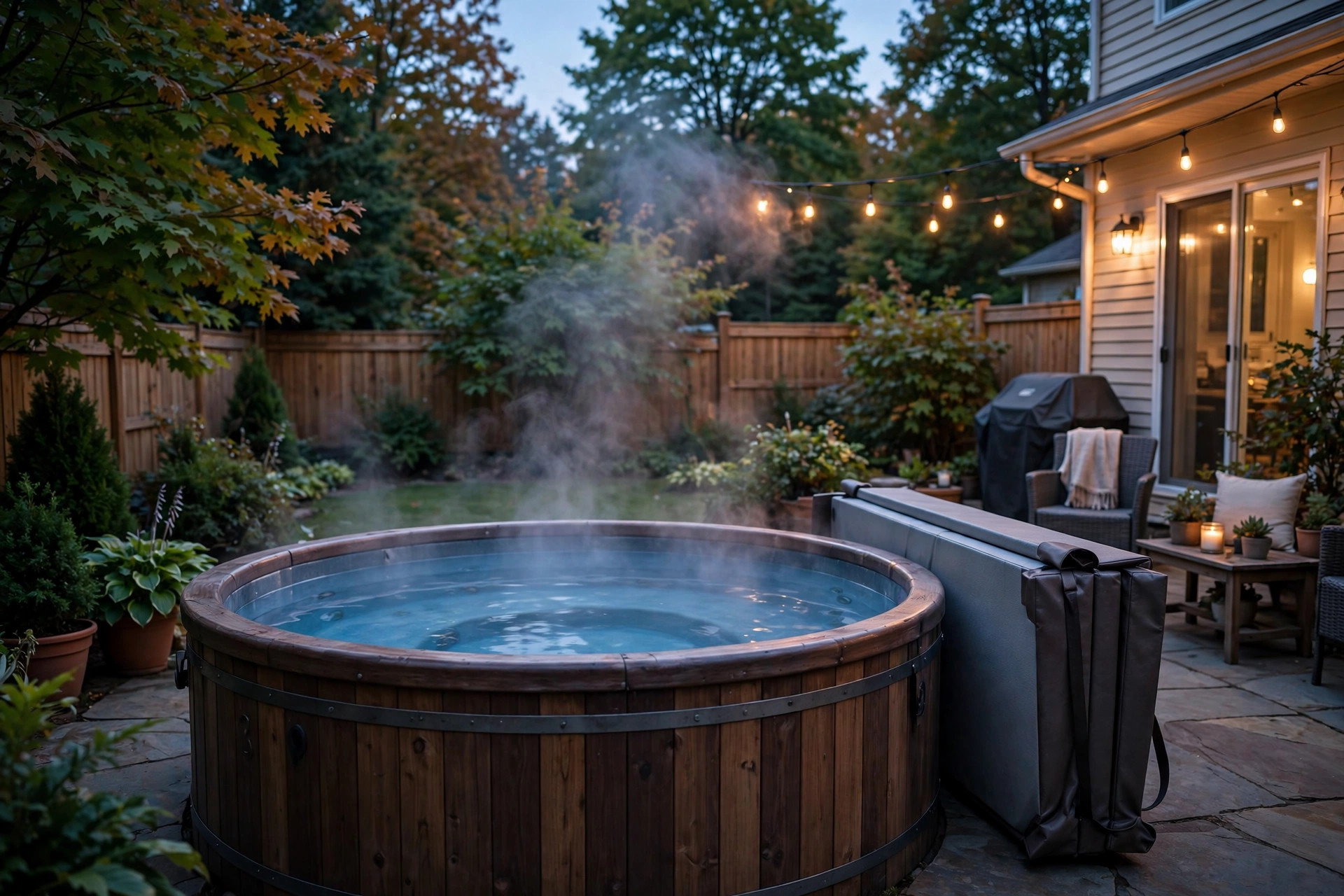

A hot tub is a fine place to end a long day. Warm water eases tired muscles. Steam rises into the night air. Yet each soak leaves something behind. Body oils, sweat, and lotions stay in the water. These wastes feed germs and cloud the water. That is why every owner should learn how to shock hot tub after use. Shocking means adding a strong dose of sanitizer or oxidizer to the water. It burns off waste that normal daily doses cannot remove. It also kills germs that grow fast in warm water. After a shock treatment, the water turns clear again. The smell stays fresh. This guide explains the whole process in plain words. You will learn which shock to buy, how much to add, when to wait, and how to stay safe. No special training is needed. A few simple tools and ten minutes of care are enough.
Why Shocking After Use Matters
Hot tub water is small in volume and high in heat. That mix makes it a rich home for germs. Each person who steps in brings bacteria, oils, dead skin, and traces of soap. Warm water speeds up how fast these wastes break down. Within hours, they can form chloramines. Chloramines cause the strong pool smell. They sting eyes and dull the water.
A shock treatment is a much larger dose than the daily sanitizer. It oxidizes the waste. Oxidation means it breaks the waste down into harmless parts. The result is clear water with no harsh odor.
Shocking after use is the best timing for most owners. The waste is fresh. The tub will often sit idle until the next day. That idle time lets the shock work without people in the water. By morning, levels drop back to safe range. The tub is ready for the next soak.
The Two Main Kinds of Hot Tub Shock: How to Shock Hot Tub After Use
Two kinds of shock serve hot tub owners. Each has clear strengths. The right choice depends on your sanitizer, your schedule, and your comfort.
Chlorine Shock
Chlorine shock is the classic choice. It is sold as granules, usually sodium dichlor. It both sanitizes and oxidizes. That means it kills germs and burns off waste in one step. It works fast. It is also low in cost. Many spa owners keep it as their main tool.
The trade-off is wait time. Chlorine shock raises the free chlorine level high. You must wait until it falls back below 5 parts per million before soaking. That wait can take several hours. Some owners shock at night and soak the next day. If you use bromine as your main sanitizer, chlorine shock still works. It reactivates the bromide bank in the water. Many bromine users shock with chlorine for that reason.
Non-Chlorine Shock
Non-chlorine shock is made of potassium monopersulfate, often called MPS. It oxidizes waste but does not sanitize. It breaks down oils and chloramines without adding chlorine. The great gain is speed. You can often soak again in about 20 to 30 minutes.
MPS shock is a good fit for owners who soak every day. It is also kind to people who dislike chlorine smell. The trade-off is that it does not kill germs on its own. Your regular sanitizer must still be at the right level.
For a new owner, a best hot tub chemicals starter kit often includes both kinds.
What to Check Before You Shock
A good shock starts with good numbers. Test the water first with strips or a drop kit. Write down three readings: sanitizer level, pH, and total alkalinity. pH should sit between 7.2 and 7.8. Alkalinity should sit between 80 and 120 parts per million. Shock works best when these ranges hold.
If the pH is far off, fix it first. High pH makes chlorine weak. Low pH can harm the heater and irritate skin. A small dose of pH increaser or decreaser takes only minutes to mix in. Then retest.
Check the water level too. It should reach the marked line on the skimmer. Low water can let air into the pump. That can cause damage over time. Top up with a garden hose if needed.
Look at the filter. If it looks gray or slimy, rinse it with a hose before you shock. A dirty filter traps waste and slows the shock. A clean filter lets the treated water flow well.
Finally, read the shock label. Each brand gives a dose per gallon. Most home spas hold between 300 and 500 gallons. Check your manual for the exact volume. A wrong guess leads to too much or too little. Too much can bleach the cover and irritate skin. Too little will not clear the water.
How to Shock Hot Tub After Use: Step by Step
Follow these steps each time. They take about ten minutes of hands-on work.
First, remove the cover fully. Set it aside where it will not drag on the ground. Leave the cover off for the whole process. Shock fumes can harm the underside of the cover if it stays closed.
Second, turn on the jets. Run them on high with the air valves open. Moving water spreads the shock fast. It also helps gases escape. Leave the jets on for at least 20 minutes after you add the shock.
Third, measure the dose. Use a clean, dry scoop or cup. Scoop only the amount the label calls for. Do not guess. Most home spas hold between 300 and 500 gallons. Check your manual for the exact volume.
Fourth, add the shock slowly. Pour the granules into the moving water near a jet. Spread it around the tub. Keep your face back from the water as you pour.
Fifth, let the jets run. Keep them on high for 20 to 30 minutes with the cover off. This mixes the shock and lets gases vent.
Sixth, test the water after the wait. For chlorine shock, free chlorine should fall below 5 parts per million before anyone soaks. For MPS shock, wait the label time, often 20 to 30 minutes, then test. If levels are still high, give it more time.
Seventh, put the cover back on. Lock it if your model has straps. Note the date in a small log. A notebook or a phone note works well. A log helps you see patterns in water care.
That is the whole method for how to shock hot tub after use. With practice, it becomes a quick habit. Many owners do it while they towel off and lock up for the night.
How Often to Shock Your Hot Tub
After heavy use, shock every time. A party with four people is heavy use. A long soak with lotions or hair products is heavy use. A single short soak by one person may not need a full shock. In that case, a small oxidizer dose or nothing at all may be fine.
As a base rule, shock once a week. That weekly shock keeps waste from building up. If you soak three or more times a week, shock after each of the heavier sessions. If you soak daily, MPS shock after each use is a light and fast routine.
Watch the water for signs. Cloudy water is a clear call for shock. A strong chemical smell means chloramines have formed. Foam that will not quit is another sign. Body oils cause foam. An oxidizer dose helps the filter catch the rest.
Season changes the schedule too. In cold months, a well-insulated spa may need less care. Cold air slows germ growth. But heavy winter use still calls for after-use shocks. If you are shopping for a new unit, a best hot tub for cold climates guide can help you pick a model with strong insulation and a good heater. A tight cover also keeps heat in and cuts chemical use.
Keep a simple log. Write the date, what you added, and the test readings. After a month, patterns appear. You will see how your tub responds to your habits. Then you can tune the schedule to fit your life.
What It Costs
Shock is one of the cheapest parts of hot tub care. A two-pound bag of chlorine shock often costs between 10 and 20 dollars. For a 400-gallon spa, one dose may cost less than a dollar. MPS shock costs a bit more per pound. It still works out to about one to two dollars per dose.
Test strips are the other steady cost. A bottle of 50 strips costs under 15 dollars. You will use one or two per shock session. Drop kits cost more up front but last longer. They also give more exact readings.
Retail prices vary by store and brand. Big home stores like Home Depot carry many spa chemical brands. Specialty shops like Pool Warehouse and SpaDepot focus on pools and spas. Guides from Swim University explain dosing math in plain terms.
Budget about 20 to 40 dollars a month for all spa chemicals. That covers sanitizer, shock, pH adjusters, and test strips. It is a small price for safe water.
Care and Upkeep Between Shocks
Daily habits matter as much as the shock itself. Rinse off before you soak. A quick shower removes most oils, sweat, and lotions.
Keep the sanitizer at the right level every day. For chlorine, hold free chlorine between 1 and 3 parts per million. For bromine, hold between 3 and 5 parts per million. Test at least twice a week. Test more often when use is heavy. See this guide on how to maintain hot tub water chemistry for the full daily routine.
Clean the filter on a set schedule. Rinse it with a hose every one to two weeks. Deep clean it with filter cleaner once a month. Replace it once a year, or sooner if it looks worn. A good filter is the silent partner of every shock treatment.
Wipe the waterline each week. Oils gather where water meets the shell. A soft cloth and a spa-safe cleaner remove the film. Do not use household cleaners. They can foam and upset the water balance.
Safety Rules to Follow
Chemicals demand respect. Store all spa products in a cool, dry place. Keep them locked away from children and pets. Never mix different chemicals in one cup. Mixing can cause heat, fumes, or fire.
Wear gloves and eye cover when you handle shock. Granules can burn skin and harm eyes. Wash your hands after use.
Never shock with people in the water. Wait until levels fall to the safe range before soaking. For chlorine shock, that means below 5 parts per million of free chlorine. Test to be sure. Do not trust the clock alone.
Vent fumes well. Always shock with the cover off and the jets running. Do this in open air. If your tub sits in an enclosed room, open doors and windows. Fumes can irritate lungs in still air.
The U.S. Consumer Product Safety Commission offers guidance on pool and spa safety for homes with children. A locking cover and a fence add real protection. Teach children that the tub is not a toy. Set clear rules about who may use it and when.
Keep a phone number for poison control near the chemical shelf. Accidents are rare, but quick help matters. If granules touch skin, rinse with plenty of water. If they reach eyes, rinse for 15 minutes and seek care.
Frequently Asked Questions
How long should I wait to use the hot tub after shocking? It depends on the kind of shock. With non-chlorine MPS shock, wait about 20 to 30 minutes. With chlorine shock, wait until free chlorine falls below 5 parts per million. That can take a few hours. Always test before you soak.
Can I shock my hot tub with the cover on? No. Keep the cover fully off while you shock. Fumes can damage the underside of the cover. The cover also traps gases that need to escape.
Will shock harm my hot tub cover or shell? Used at the right dose, shock is safe for the shell and cover. Too much shock can bleach vinyl covers and fade headrests. Measure each dose with care. Keep the cover off during treatment to guard it from fumes.
What is the difference between shock and regular sanitizer? Regular sanitizer holds a steady low level each day. It kills germs as they arrive. Shock is a large one-time dose. It burns off built-up waste that daily levels cannot remove. You need both for clean water.
Can I use pool shock in my hot tub? Only if the label says it is safe for spas. Many pool shocks are calcium hypochlorite. That kind can cloud spa water and harm equipment. Spa shock is made for small, hot volumes of water. Brand guides from makers like Jacuzzi, Hot Spring Spas, and Bullfrog Spas all point owners to spa-rated products.
My water is still cloudy after shocking. What now? First, check the filter. A clogged filter traps cloudiness. Rinse it well. Next, check pH and alkalinity. Fix them if they are off. If the water is still dull after a day, the dissolved solids may be too high. A partial drain and refill often solves it. Home advice sites like The Spruce and local dealers such as Olympic Hot Tub offer more steps for stubborn water.
A Final Word
Learning how to shock hot tub after use is a small skill with a large payoff. Ten minutes of care keeps the water clear. It guards your health. It guards your equipment.
Start with the right product. Test before you dose. Keep the cover off and the jets on. Wait until levels are safe. Write down what you did. These five habits will carry you through years of easy spa ownership.
References
Bullfrog Spas. (n.d.). Hot tubs and spas. https://www.bullfrogspas.com Hot Spring Spas. (n.d.). Hot tubs and spas. https://www.hotspring.com Jacuzzi. (n.d.). Hot tubs and hydrotherapy. https://www.jacuzzi.com Olympic Hot Tub. (n.d.). Hot tub sales and service. https://www.olympichottub.com Pool Warehouse. (n.d.). Pool equipment and supplies. https://www.poolwarehouse.com SpaDepot. (n.d.). Spa parts and supplies. https://www.spadepot.com Swim University. (n.d.). Pool and hot tub care guides. https://www.swimuniversity.com The Home Depot. (n.d.). Home improvement products. https://www.homedepot.com The Spruce. (n.d.). Home and garden advice. https://www.thespruce.com U.S. Consumer Product Safety Commission. (n.d.). Product safety information. https://www.cpsc.gov
Was this guide helpful?

About Lisa Anderson
The My Garden US editorial team writes practical, in-depth home and garden guides for American homeowners — tested advice, no fluff.
You May Also Like
Above Ground Pool Liner Replacement Cost: A Plain Guide
September 10, 2026 0 views
Best Pool for Exercise Lap Swimming: A Homeowner’s Guide
July 23, 2026 0 views
How to Fix Cloudy Hot Tub Water: A Clear Guide for Owners
January 22, 2026 0 views