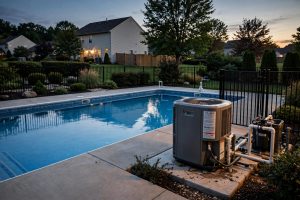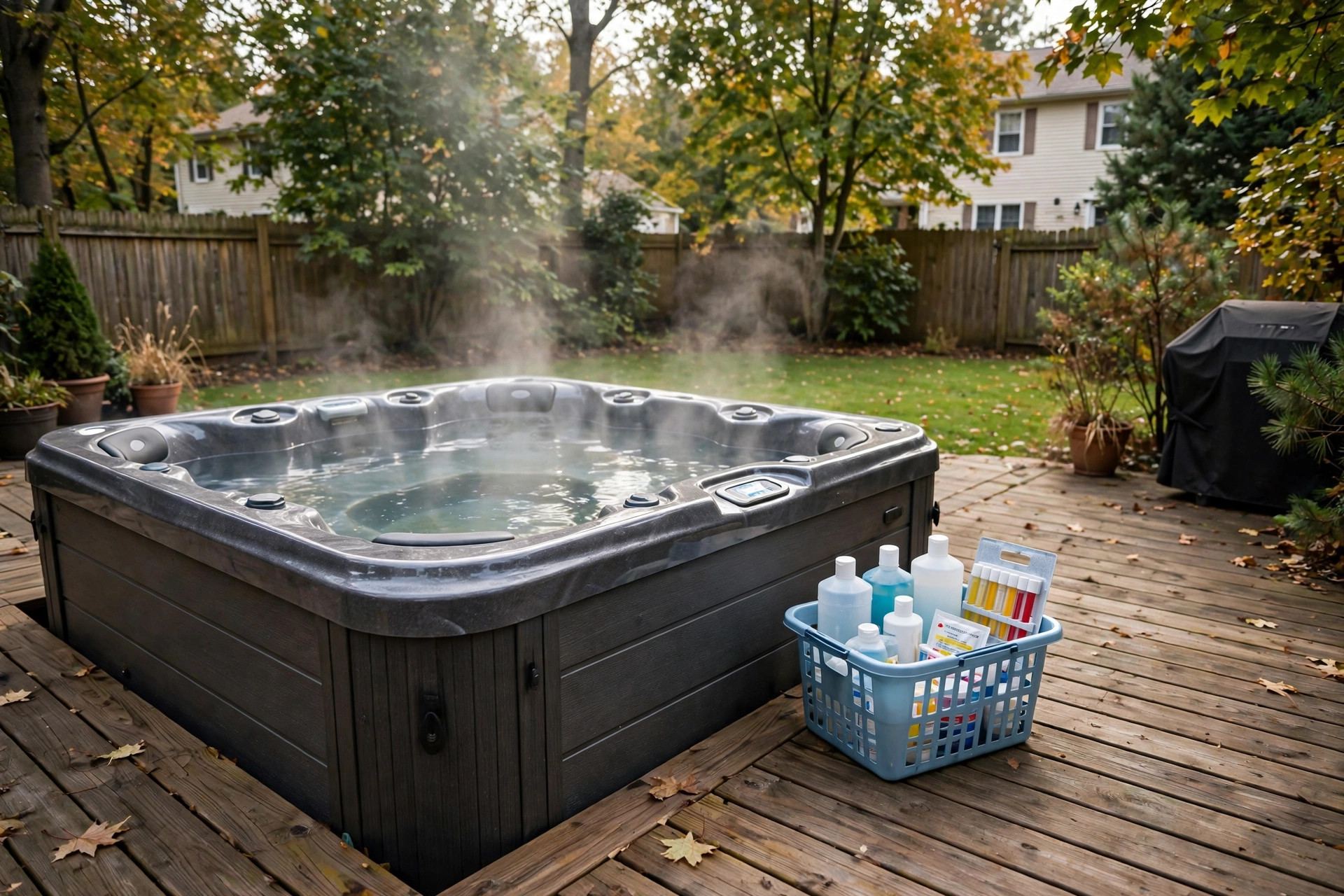

A new hot tub brings joy. Warm water on a cold night feels like a reward after a long day. But that small body of water needs care. Without the right treatment, it turns cloudy. It grows germs. It smells bad. The best hot tub chemicals starter kit gives a new owner everything needed to start right. One box holds the sanitizer, the balancers, the shock, and the test strips. Each bottle does a clear job. Together they keep the water clean and the tub in good shape.
This guide explains what a starter kit contains. It shows how to pick one. It covers cost, safety, and a simple weekly routine. By the end, a first-time owner will know exactly what to buy and how to use it.
Why Water Care Matters in a Hot Tub
A hot tub holds far less water than a pool. A pool may hold ten thousand gallons. A tub may hold only four hundred. That small volume warms to one hundred degrees or more. Heat and bodies create a fast change. Oils from skin, sweat, and lotion feed germs. In warm water, germs grow in hours, not days.
Clear water can still hide germs. A tub may look fine yet carry bacteria. These germs can cause skin rashes. They can irritate the eyes. They can cause a lung illness called hot tub lung. Right chemistry stops this. Sanitizer kills germs. Balancers keep the water in a range where the sanitizer works. Without both, the water turns risky fast.
There is a second reason to care. Bad chemistry harms the tub itself. Low pH eats metal parts. High pH leaves scale on the heater. Both faults cost money. Pumps, heaters, and jets last longer when the water stays balanced. A small spend on chemicals saves a large repair bill later. Good care also protects the cover and its lifter from damage caused by harsh chemical fumes.
What a Starter Kit Should Include: Best Hot Tub Chemicals Starter Kit
The best hot tub chemicals starter kit holds six to eight items. Each one solves one problem. Here is what to expect in a good kit.
Sanitizer
The sanitizer kills germs. Most kits use bromine or chlorine in slow-dissolve form. Bromine suits hot water well. It stays active longer at high heat. Chlorine costs less and works fast. Pick one type. Never mix the two. A kit built for one sanitizer keeps the choice simple.
pH Up and pH Down
pH measures how acid or base the water is. The safe range is 7.2 to 7.8. Water outside this range stings the eyes. It also weakens the sanitizer. pH up raises a low reading. pH down lowers a high one. Both come as dry granules. A small scoop goes a long way.
Alkalinity Increaser
Total alkalinity acts like a cushion. It holds the pH steady. When alkalinity runs low, the pH jumps up and down with each use. The kit should include a product that raises it. The target range is 80 to 120 parts per million. Many new owners skip this step. They should not.
Calcium Hardness Increaser
Soft water feels nice but attacks the tub. It pulls minerals out of metal parts. Calcium hardness increaser adds what the water lacks. The right range is 150 to 250 parts per million. One dose at fill time often lasts for months.
Shock Treatment
Shock is a strong dose of oxidizer. It burns off body oils, sweat, and lotion. It frees up the sanitizer to do its real job. Most kits include a non-chlorine shock. Use it once a week. Use it after heavy use too. A party of six needs a shock dose the next morning.
Test Strips or a Test Kit
You cannot fix what you do not measure. Test strips give a quick read of sanitizer, pH, and alkalinity. Dip one strip. Wait fifteen seconds. Match the colors to the chart. A liquid test kit works too. It costs more but reads more exact. Either tool belongs in the kit.
Extras Worth Having
Some kits add a filter cleaner. Filters trap oil and dirt. A soak in cleaner each month keeps them strong. Some kits add a defoamer. Foam from lotions and suits breaks down fast with a few drops. Some add a scale control for hard water areas. These extras help. They are not required. Do not pay a large premium for them.
How to Choose Between Chlorine and Bromine Kits
This choice splits most buyers. Both work. Each has tradeoffs.
Chlorine kits cost less. Chlorine kills germs fast. It has little odor at the right dose. But heat burns it off quicker. A chlorine tub needs more frequent checks. Some people find chlorine harsh on the skin at high levels.
Bromine kits cost more. Bromine holds up better in hot water. It keeps working when chlorine fades. It smells less strong. Many owners find it gentler. But bromine can cloud some test readings. It also needs an activator to start each fill.
A new owner in a cold climate hot tub setup may prefer bromine. Heat loss in winter makes water care harder. Bromine forgives a missed day better. A budget buyer may pick chlorine and test a bit more often. Either path works with a steady routine.
Reading Labels Before You Buy
Boxes make big claims. Labels tell the truth. Read them in the store or online before you buy.
Check the sanitizer type first. Make sure the whole kit uses one system. A kit that mixes chlorine shock with a bromine base confuses new users. Look for clear dose charts. Good kits print how much to add per one hundred gallons. Bad kits leave you guessing.
Check the sizes. A kit should treat a full fill and last two to three months. Tiny bottles that run out in three weeks are a poor deal. Check the date. Old chemicals lose strength. A kit that sat in a hot warehouse for a year may test weak.
Watch for fillers. Some cheap kits bulk up bottles with salt or clay. The active amount shrinks. Compare the active ingredient list. Higher active content means fewer scoops per dose.
Buyer guides from places like Consumer Reports can help sort claims from facts. Retailers such as Home Depot list full label details online. Take five minutes to read before you click buy.
Cost and Price: What You Should Expect to Pay
A solid starter kit costs between forty and one hundred twenty dollars. The range reflects size and brand more than quality. A forty-dollar kit treats a small tub for two months. An eighty-dollar kit from a known maker lasts three to four months. Premium kits add filter cleaner and defoamer.
Do not judge by bottle count alone. A kit with twelve small bottles may hold less active product than a kit with six full ones. Divide price by weeks of use. That math shows the real cost. Most owners spend fifteen to twenty-five dollars a month on chemicals after the kit runs out.
Spa dealers often bundle a kit free with a new tub. Ask what the bundle includes. A free kit with weak doses costs more later than a paid kit that works. Online sellers like Leslie’s Pool Supplies and Pool Warehouse run sales in spring. Buying then can cut the price by a third.
A Simple Weekly Routine for New Owners
Chemicals work best on a schedule. The routine below takes ten minutes a week. It suits most home tubs.
Test the water twice a week. Use a strip before a soak and once more midweek. Write down the three numbers: sanitizer, pH, alkalinity. Patterns show up fast. You will learn what your tub needs after heavy use.
Adjust in order. Fix alkalinity first. Then fix pH. Then check sanitizer. This order matters. pH will not hold until alkalinity sits right. Sanitizer works best in balanced water. Small doses beat big ones. Wait twenty minutes and test again after each change.
Shock once a week. Add the shock after the last soak of the evening. Leave the cover off for twenty minutes so gases escape. Replace the cover. The tub will be fresh by morning. Skip shock the week you drain and refill.
Rinse the filter every week. Hose it down with plain water. Soak it in filter cleaner once a month. A clean filter cuts chemical use. It also keeps water clear with less work.
Track your results. A notebook by the tub works fine. Note the date, the test colors, and what you added. In a month you will have a custom guide for your water and your use. Learning how to maintain hot tub water chemistry gets easier with every entry.
Step-by-step help lives online too. Sites like Swim University publish clear dosing charts. The EPA posts plain facts about safe chemical storage. Use these free resources when a number looks strange.
Safety Rules for Storing and Handling Chemicals
Pool and spa chemicals are safe when used right. They turn risky when handled with carelessness. Follow these rules without exception.
Store bottles in a cool, dry place. Keep them out of reach of children and pets. Never store different chemicals in one bucket. A spill that mixes chlorine and acid can release gas. Keep the storage spot away from the tub. Heat and moisture shorten shelf life.
Add chemicals to water, never water to chemicals. Wear gloves when you handle strong products. Do not breathe the dust straight from the bottle. Rinse any spill on skin with plain water at once.
Never mix products in one container. Never use a kitchen spoon for dosing and then use it for food. Keep each scoop with its own bottle. Label everything if the print fades.
Read the federal guidance too. The Consumer Product Safety Commission tracks injuries from pool chemicals each year. Most come from mixing products or storing them wrong. A few minutes of care prevents all of them.
Frequently Asked Questions
How long does one starter kit last? Most kits last two to four months for a home tub used three or four times a week. Heavy use shortens that. Test often. Buy refills of single products as each runs out rather than a whole new kit.
Can I use pool chemicals in my hot tub? No. Pool doses assume thousands of gallons. Hot tub doses assume hundreds. Pool tablets may also be the wrong type. Use products made for spas. They dissolve at the right speed for small, hot water.
Why does my water smell like strong chlorine? The smell does not come from too much sanitizer. It comes from used-up sanitizer bound to body waste. This is called combined chlorine. A shock dose breaks it apart. After shocking, the smell fades and the water clears.
How soon can I use the tub after adding chemicals? Wait twenty minutes after normal doses. Run the jets with the cover off so fumes leave. Wait until sanitizer reads in the safe range on a test strip. Never soak right after a shock dose.
Do I need to drain the tub? Yes. Drain and refill every three to four months. Dissolved solids build up over time. No chemical removes them. Fresh water needs fewer products and feels better. Clean the shell while it sits empty.
What if my eyes sting in the water? Check pH first. High or low pH causes most sting. Check sanitizer next. Very high sanitizer burns the eyes too. Adjust slowly. Test again before the next soak. If the problem repeats, drain and start fresh.
A Final Word
The best hot tub chemicals starter kit is the one you will actually use. Fancy boxes mean nothing if the routine feels hard. Pick a single sanitizer system. Learn the three numbers that matter. Test twice a week. Shock on schedule. Handle every bottle with care.
Good water care is a habit, not a chore. Ten minutes a week keeps the tub clear and safe. It protects the heater, the pump, and the shell. It makes every soak as good as the first one. Start with the right kit. Follow the simple routine. Enjoy the warm water with a clear mind.
More help is close at hand. Makers such as Hot Spring and Bullfrog Spas publish owner guides for their tubs. General advice lives at The Spruce. Read a little, test a little, and the work soon feels easy.
References
Bullfrog Spas. (n.d.). Hot tubs and spas. https://www.bullfrogspas.com Consumer Reports. (n.d.). Product reviews and ratings. https://www.consumerreports.org Hot Spring Spas. (n.d.). Hot tubs and spas. https://www.hotspring.com Leslie’s Pool Supplies. (n.d.). Pool supplies and equipment. https://www.lesliespool.com Pool Warehouse. (n.d.). Pool equipment and supplies. https://www.poolwarehouse.com Swim University. (n.d.). Pool and hot tub care guides. https://www.swimuniversity.com The Home Depot. (n.d.). Home improvement products. https://www.homedepot.com The Spruce. (n.d.). Home and garden advice. https://www.thespruce.com U.S. Consumer Product Safety Commission. (n.d.). Product safety information. https://www.cpsc.gov U.S. Environmental Protection Agency. (n.d.). Protecting human health and the environment. https://www.epa.gov
Was this guide helpful?

About James Carter
The My Garden US editorial team writes practical, in-depth home and garden guides for American homeowners — tested advice, no fluff.
You May Also Like
The Best Hot Tub for Muscle Recovery: A Plain Guide
June 3, 2026 0 views
Best Hot Tub for Backyard Parties: How to Choose the Right One
May 15, 2026 0 views
Best Hot Tub Cover for Snow Load: A Winter Buying Guide
April 23, 2026 0 views