---
Table of Contents
Table of Contents
- Winterize Salt Chlorine Generator Cell: Why the Salt Cell Needs Special Attention
- When to Winterize the Cell
- What You Will Need
- Step 1: Balance the Water First
- Step 2: Power Down the Generator
- Step 3: Remove the Cell
- Step 4: Bridge the Gap in the Plumbing
- Step 5: Clean the Cell
- Step 6: Dry and Store the Cell
- Step 7: Finish the Pool Closing
- Spring Startup: Bringing the Cell Back
- How Long Should a Salt Cell Last
- Common Mistakes
- Frequently Asked Questions
- The Bottom Line
- References
Salt chlorine generators make pool care easier all summer. The cell quietly turns dissolved salt into chlorine, and you barely think about it. Then the swim season ends, temperatures drop, and that same cell becomes the most freeze-sensitive part of your equipment pad. Water trapped inside the cell expands as it freezes, and it can crack the housing or ruin the plates inside. A replacement cell costs hundreds of dollars. Winterizing it properly costs you an afternoon. This article explains winterize salt chlorine generator cell in simple terms.
This guide shows how to winterize a salt chlorine generator cell step by step: when to shut it down, how to remove and clean it, where to store it, and how to bring it back in spring. Follow your manufacturer's manual alongside these steps, since details vary by brand.
Winterize Salt Chlorine Generator Cell: Why the Salt Cell Needs Special Attention
When it comes to winterize salt chlorine generator cell, getting the details right makes all the difference.
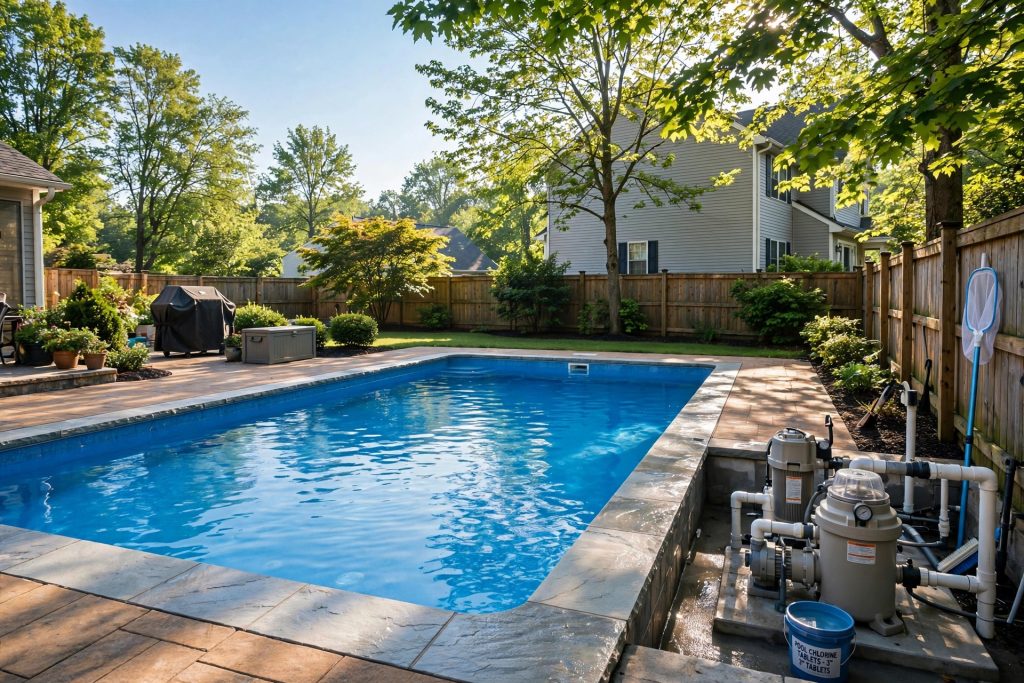
Many homeowners find that winterize salt chlorine generator cell is easier than they expected once they know the basics.
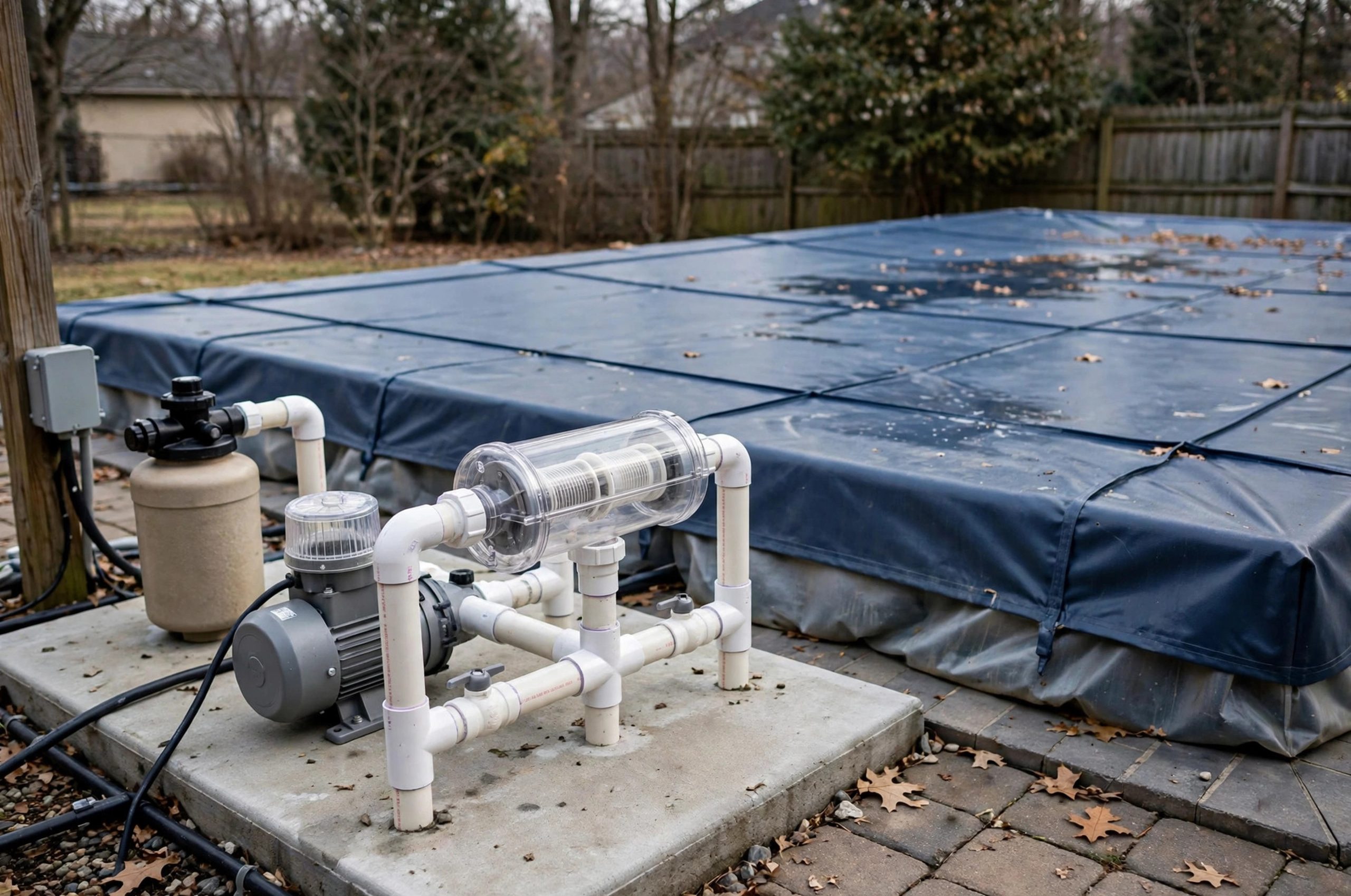
The salt cell is a chamber full of metal plates with narrow gaps between them. Water flows through those gaps all season. When you close the pool, that water sits still. If it freezes, it expands with enough force to split the plastic housing or warp the plates. Even in milder areas, months of cold, stagnant, chemically treated water sitting inside the cell shortens its life.
There is a second reason to pull the cell. Salt chlorine generators stop producing chlorine once water gets cold, usually somewhere below 50 to 60 degrees. The system may show a cold-water warning or simply shut down. At that point the cell is doing nothing useful in the plumbing, so there is no reason to leave it exposed to winter. The Beatbot saltwater closing checklist recommends removing the cell once the water is balanced and chemicals have circulated.
When to Winterize the Cell
Many homeowners find that winterize salt chlorine generator cell is easier than they expected once they know the basics.
The key to winterize salt chlorine generator cell is choosing the right approach for your space and budget.
Time the job to your pool closing, not to the calendar alone. The right moment is when:
- Water temperature stays below about 60 degrees and the season is over.
- You are ready to do the full pool closing in the same stretch of days.
- The forecast shows freezing nights ahead.
Do not wait until ice forms. Pulling a cell in freezing weather is miserable work, and one hard freeze can crack a cell that still has water in it. If you live where winters stay mild and the pool runs all year, you may not need to remove the cell at all. Check your manual. Many owners in warm climates simply turn the output down and keep the system running. For a broader look at salt system quirks, the salt water pool problems troubleshooting guide covers issues that show up across seasons.
What You Will Need
The key to winterize salt chlorine generator cell is choosing the right approach for your space and budget.
With a little planning, winterize salt chlorine generator cell can fit even a busy schedule.
- Your owner's manual for the generator
- A garden hose
- A bucket
- A soft brush or cloth
- Salt cell cleaner or diluted muriatic acid (only if you see scale)
- Rubber gloves and eye protection (if using acid)
- A dummy cell, bypass pipe, or winterizing unions (check what your system included)
- Silicone-based O-ring lubricant
- A dry storage spot indoors
Step 1: Balance the Water First
With a little planning, winterize salt chlorine generator cell can fit even a busy schedule.
Before you start, it helps to understand how winterize salt chlorine generator cell works in real homes.
A few days before closing, test and balance the pool water. Aim for pH between 7.2 and 7.6, total alkalinity between 80 and 120 ppm, and calcium hardness between 200 and 400 ppm. Shock the pool to kill off remaining bacteria, then let the chlorine drift back toward normal over a day or two before you add any winter algaecide. Closing with balanced water protects the pool surfaces through the months of sitting still.
Do not add salt right before closing unless the reading is clearly below your system's range and the manual calls for it. The generator will be off all winter, so fine-tuning salt can wait for spring. The Pool Chemical Calculator closing guide notes that spring is usually the better time to dial salt in.
Step 2: Power Down the Generator
Before you start, it helps to understand how winterize salt chlorine generator cell works in real homes.
A good plan for winterize salt chlorine generator cell saves time, money, and frustration.
Turn off power to the salt chlorine generator at its control panel and at the breaker. The system must not try to produce chlorine while you work on it or while water sits stagnant in the lines. If your control panel is weather-resistant and rated for outdoor winter exposure, it can stay mounted, though bringing it indoors adds protection. The Pool Factory winterizing guide recommends storing the control panel indoors when possible.
Step 3: Remove the Cell
A good plan for winterize salt chlorine generator cell saves time, money, and frustration.
For most people, winterize salt chlorine generator cell comes down to a few smart choices.
With the power off and the pump off, unscrew the unions on each end of the cell. Have a bucket or towels ready, since water will spill out. Lift the cell out of the plumbing line.
Note how the cell was oriented. Some cells have a flow direction arrow. A quick photo with your phone saves confusion in spring.
Step 4: Bridge the Gap in the Plumbing
For most people, winterize salt chlorine generator cell comes down to a few smart choices.
If you are new to winterize salt chlorine generator cell, start with the simplest option and build from there.
The cell leaves an open gap in the pipe run. You need to close it so the rest of the closing process can move water through the lines.
- If your system came with a dummy cell or blank, install it now.
- If not, use a winterizing tube or a short piece of PVC with the right unions.
- Some setups use bypass piping built into the plumbing.
Whatever you use, make sure the connections are snug. You will run the pump during the rest of the closing, and a loose joint will spray water across the equipment pad.
Take your time with winterize salt chlorine generator cell and the result will last.
Step 5: Clean the Cell
If you are new to winterize salt chlorine generator cell, start with the simplest option and build from there.
When it comes to winterize salt chlorine generator cell, getting the details right makes all the difference.
Look inside the cell. If the plates look clean, a rinse with the garden hose is enough. If you see white crusty scale, the cell needs a deeper clean before storage. Storing a scaled cell lets the deposits harden further over winter.
For scale, use a salt cell cleaner or a diluted muriatic acid bath. The standard safe mix is about four parts water to one part acid, always adding acid to water, never the reverse. Wear rubber gloves and eye protection, and work outside in fresh air. Soak the cell with the electrical end up and out of the liquid, only until the bubbling stops, usually under fifteen minutes. Long acid soaks can damage the plate coating. Rinse thoroughly with the hose afterward. Hayward's Turbo Cell cleaning instructions follow this same procedure and warn to keep soak times short.
Do not scrape the plates with metal tools. The coating on the plates is thin and critical to chlorine production. Scratches shorten cell life fast. The Trouble Free Pool discussion on cleaning methods is blunt on this point: no pressure washers, no metal scrapers.
Step 6: Dry and Store the Cell
When it comes to winterize salt chlorine generator cell, getting the details right makes all the difference.
Many homeowners find that winterize salt chlorine generator cell is easier than they expected once they know the basics.
Let the cell drain fully. Tip it so water trapped between the plates runs out. Some owners leave it upside down for a few minutes to be sure.
Store the dry cell indoors, somewhere it will not freeze: a garage shelf, a utility closet, or a basement corner. Keep it where it will not get crushed or knocked over. Do not store it in a bucket of water. The plates do not need to stay wet, and standing water invites corrosion over the months.
While the cell is out, check the union O-rings. Wipe them clean and apply a thin coat of silicone lubricant. Avoid petroleum jelly, which can damage rubber over time. The Aiper winterizing guide includes this O-ring check as part of protecting the cell through winter.
Step 7: Finish the Pool Closing
Many homeowners find that winterize salt chlorine generator cell is easier than they expected once they know the basics.
With the cell safely stored, continue your normal closing routine: lower the water level if your method calls for it, blow out the plumbing lines, plug the fittings, add winter chemicals, and put the cover on. Salt pools close much like chlorine pools from here on. The generator simply sits out the winter. For the full sequence, the pool closing checklist for fall season walks through each stage.
One salt-specific note: add a metal or stain preventer if your fill water runs high in metals. Months of still water give metals plenty of time to stain surfaces.
Spring Startup: Bringing the Cell Back
The key to winterize salt chlorine generator cell is choosing the right approach for your space and budget.
When opening season arrives, reverse the process.
1. Reinstall the clean, dry cell in its original orientation. Lubricate the O-rings again if they look dry. 2. Remove the dummy cell or bypass and store it with your winter gear. 3. Balance the water first: pH, alkalinity, calcium, then salt. Do not switch the generator on until salt is in range and the water is balanced. Running the cell in unbalanced water scales the plates fast. 4. Power up the system and confirm it reads the salt level correctly. Many units show a salt reading on the display. If it disagrees with your test kit by a wide margin, trust the kit and investigate. 5. Start at a moderate output setting and adjust over the first week.
The Poseidon salt system winterizing guide notes that proper closing extends cell life year after year, and a careful spring startup is part of that payoff.
How Long Should a Salt Cell Last
With a little planning, winterize salt chlorine generator cell can fit even a busy schedule.
A typical residential salt cell lasts three to five years, depending on pool size, run time, and water balance. Winterizing does not make a cell immortal, but freeze damage is one of the most common early killers. Owners who remove, clean, and store the cell each fall routinely get the full life out of it. When replacement time comes, the salt cell replacement cost guide helps you budget. If you are still deciding between systems, the salt water versus chlorine pool comparison lays out the trade-offs, and the best pool cover for winter reviews will help you pick protection for the months the cell sits out.
Common Mistakes
Leaving the cell in over winter. This is the big one. Even if your winters are mild, a surprise hard freeze can crack a cell overnight.
Acid-cleaning on a schedule. Only use acid when you see scale. Routine acid baths wear the plate coating and shorten cell life. A hose rinse is enough for a clean-looking cell.
Storing the cell wet. Drain it fully. Trapped water plus freezing temperatures equals a cracked housing.
Forgetting the gap in the plumbing. An open pipe run sprays water during the rest of the closing. Install the dummy cell or bypass before you run the pump again.
Starting the generator on unbalanced spring water. Balance first, then power up. High calcium or wild pH will scale fresh plates in days.
Frequently Asked Questions
Can I leave the cell in if I keep the pump running all winter? In warm climates where the pool never freezes and the system runs year-round, yes, with the output turned down. In any area with freezing nights, remove it. Moving water still freezes in a cold snap if the power blips.
Should I clean the cell even if it looks fine? A hose rinse is enough. Save the acid for visible scale. Over-cleaning does more harm than good.
My dummy cell is missing. What can I use? A short piece of PVC pipe with matching unions works. Measure the gap and match the diameter. Your pool store can help you size it.
Does winterizing void the warranty? No. Manufacturers expect winter removal in cold climates. In fact, freeze damage from leaving the cell in is often excluded from warranty coverage, which is another reason to pull it.
The Bottom Line
Winterizing a salt chlorine generator cell is simple insurance. Power it down, pull it out, bridge the plumbing, clean off any scale, dry it fully, and store it where it cannot freeze. Come spring, reinstall it on balanced water and it will pick up right where it left off. An hour of care in the fall protects one of the priciest parts of your pool system and keeps it making chlorine efficiently for years. That is all it takes to handle winterize salt chlorine generator cell with confidence.
References
- Aiper. (n.d.). Winterize a salt water pool without killing the cell. https://aiper.com/blogs/how-to-winterize-a-salt-water-pool/
- Aqua Leisure Pools and Spas. (n.d.). Closing a salt water above ground pool: Proven safe. https://www.aqualeisurepoolsandspas.com/how-to-winterize-a-salt-water-pool-7-methods-that-guarantee-results/
- Beatbot. (n.d.). Saltwater pool pre-closing checklist: How to winterize it step by step. https://beatbot.com/blogs/pool-care-solutions/saltwater-pool-closing-checklist
- Hayward. (n.d.). How to clean your Hayward salt chlorinator Turbo Cell. https://hayward.com/blog/post/how-to-clean-your-hayward-salt-chlorinator-turbo-cell
- Pool Chemical Calculator. (n.d.). How to close a saltwater pool: Step-by-step winter guide. https://poolchemicalcalculator.com/news/how-to-close-a-saltwater-pool/
- Poseidon Pools and Spas. (n.d.). How to winterize a pool salt system. https://www.psposeidon.com/en/blog/winterize-pool-salt-system
- Saltwater Chlorinator. (n.d.). Cleaning a salt water chlorinator cell with muriatic acid. https://saltwater-chlorinator.com/cleaning-salt-cell-with-muriatic-acid/
- The Pool Factory. (n.d.). Winterizing tips for salt chlorine generators. https://www.thepoolfactory.com/blogs/pool-care/how-to-winterize-your-saltwater-chlorine-generator
- Trouble Free Pool. (n.d.). Power washer to clean salt cell plates: Yes or no? https://www.troublefreepool.com/threads/power-washer-to-clean-salt-cell-plates-yes-or-no-answer-no.282490/
Was this guide helpful?

About My Garden US
The My Garden US editorial team writes practical, in-depth home and garden guides for American homeowners — tested advice, no fluff.
You May Also Like
How to Clean a Pool Skimmer Weir Door
October 16, 2026 14 views
Best Pool for Kids with Slide: A Parent Guide
March 7, 2026 18 views
How to Add Salt to a Pool Correctly: A Simple Step-by-Step Guide
January 17, 2026 17 views