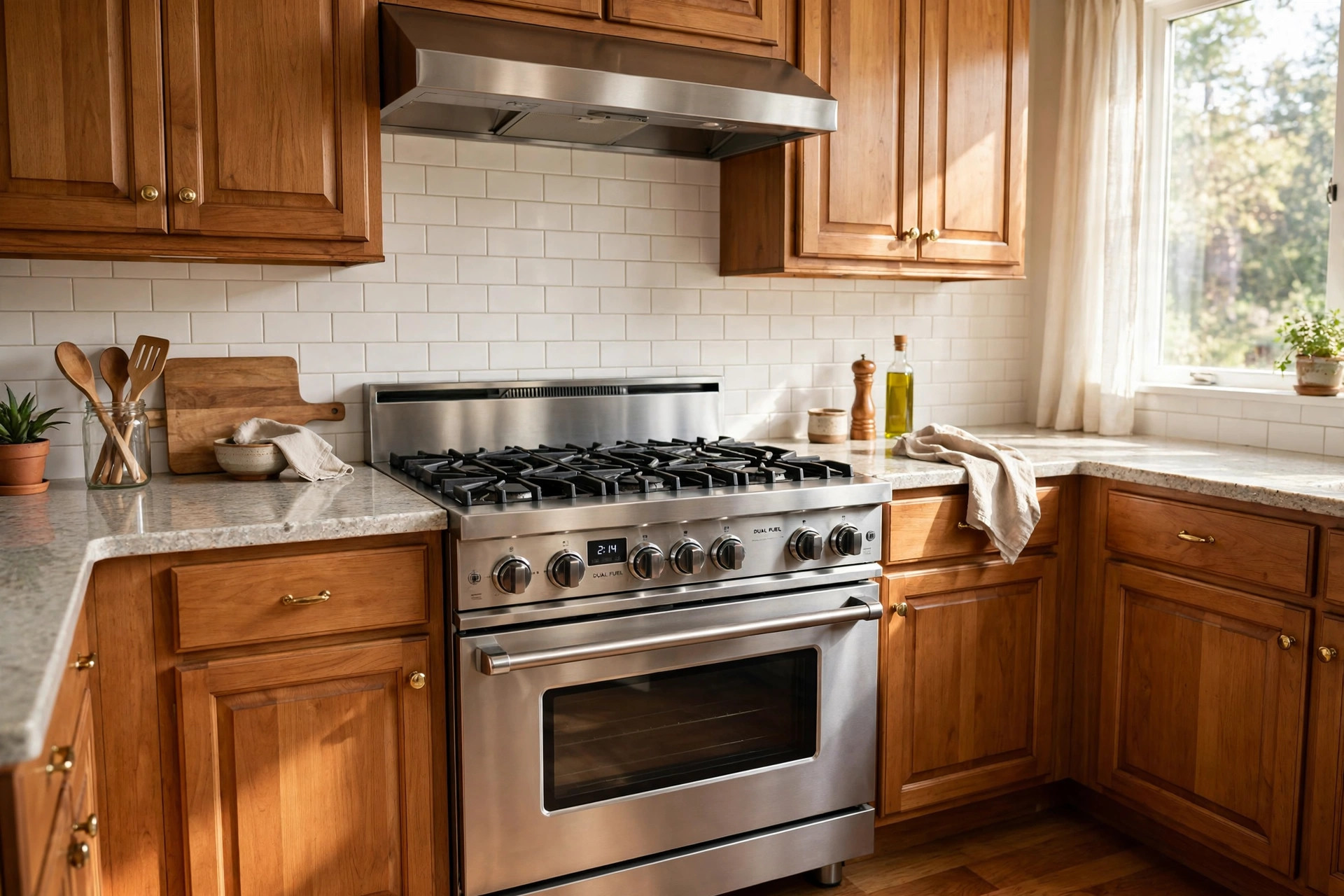

Many home cooks in the United States have heard of a dual fuel range. Few know just what it is. This dual fuel ranges american homes guide explains the idea in plain terms. A dual fuel range burns gas on top and bakes with electricity below. The cooktop gives open flame heat. The oven gives steady electric heat. Together they offer the best of both fuels in one appliance. Many buyers shop with this dual fuel ranges american homes guide in hand, and this article covers every step of that choice.
The idea is old. Professional kitchens used gas burners with electric ovens for decades. In the past twenty years, makers brought the idea into home models. Today you can find dual fuel ranges in many price groups. This guide tells you how they work, why cooks like them, what to check before you buy, and how to care for one.
Why a Dual Fuel Range Matters
A dual fuel range solves an old problem. Gas burners heat fast and answer at once. When you turn the flame down, the heat drops at once. That is hard to match. But gas ovens heat less evenly than electric ones. Hot spots form. Bread browns on one side and stays pale on the other.
Electric ovens solve that. Their heating parts cycle on and off with care. The heat stays even from top to bottom. Bakers love this. Cakes rise flat. Roasts cook through with no burnt edges.
A dual fuel range puts both in one body. You sear on the gas top with full control. Then you slide the dish into the electric oven for even baking. For a cook who roasts meat on Sunday and bakes bread on Monday, this mix makes sense. That is why so many American home kitchens now hold one.
What “Dual Fuel” Really Means
The name says it all. Two fuels feed one range. Gas, usually natural gas or liquid propane, feeds the cooktop burners. Electricity feeds the oven parts and the controls. The range needs both hookups. A gas line and a 240-volt electric outlet must both reach the kitchen.
If your home has gas heat and 240-volt service in the kitchen, the hookup is simple. If you cook on electric now and have no gas line, you will need a plumber to run one. That adds cost. Plan for it.
How to Choose the Right Dual Fuel Range: Dual Fuel Ranges American Homes Guide
Buying a range is a big step. Use this checklist before you shop.
Size and Fit
Most American dual fuel ranges are 30 inches wide. Pro-style models run 36 or 48 inches. Measure your opening before you shop. Leave a small gap on each side for air flow. Check the depth as well. Some pro-style models stand deeper than the counter.
Burner Power
Gas burners are rated in BTU. A weak simmer burner may give 5,000 BTU. A strong power burner may give 18,000 BTU or more. Look for at least one high-heat burner for searing and one low simmer burner for sauces. Major brands such as Whirlpool list BTU ratings on every model page, which helps you compare.
Oven Capacity
A 30-inch range often holds about 5 to 6 cubic feet. A 48-inch model may hold two ovens. Think about your cooking. A large family that roasts whole turkeys needs room. A couple that bakes once a month does not.
Convection
Many dual fuel ovens add a fan. This is convection cooking. The fan moves hot air around the food. It cooks faster and browns more evenly. Convection is a strong plus for a baker. Energy guides from ENERGY STAR explain how convection cuts cooking time and saves energy.
Controls
Look at the knobs and the panel. Heavy metal knobs last longer than plastic ones. A clear digital display helps you set exact heat. Some models add a temperature probe that beeps when meat is done.
Self-Cleaning
Pyrolytic self-cleaning locks the oven and burns spills to ash at high heat. Steam clean uses water and lower heat. Self-cleaning saves labor. But pyrolytic cycles use much power and can wear parts. Choose based on how much you cook.
Matching the Hood
A gas cooktop needs a strong range hood above it. The hood must move enough air. Rule of thumb: at least 100 CFM per 10,000 BTU. For a stainless range hoods buying guide usa see our related post, which covers how to size and pick a hood for a gas top.
Griddles and Extra Burners
Some dual fuel ranges add a built-in griddle plate in the middle of the cooktop. A griddle is handy for pancakes, grilled sandwiches, and bacon. Other models add a fifth or sixth burner. These extras add width and cost. They also add cleaning work. Decide if you will use them each week before you pay for them.
Types and Options
Dual fuel ranges come in a few main styles.
Slide-In Models
Slide-in ranges sit between cabinets. The controls sit at the front. The back is low, so you can see the wall behind. They cost less than pro-style models. Most homes use this style.
Freestanding Models
Freestanding ranges have finished sides and a back panel with controls. They fit at the end of a counter run. They are easy to install. They are the most common style in American homes.
Pro-Style Models
Pro-style ranges look like restaurant gear. They are wide, heavy, and bold. Brass or steel trim is common. Burner power runs high. They cost much more. They suit serious cooks and large kitchens. Makers such as GE Appliances and Bosch sell both slide-in and pro-style lines.
Color and Finish
Stainless steel is still the top pick. Black stainless and matte black have grown in favor. White and cream fit farmhouse kitchens. Pick a finish that matches your other appliances. Note that some dark finishes scratch more easily. Read the care guide that comes with the range, since each finish cleans best with its own method.
Cost and Price
Price runs wide. A basic 30-inch slide-in dual fuel range may cost about $2,000 to $3,000. Mid-range models with convection and self-cleaning run $3,000 to $5,000. Pro-style 36-inch models often cost $6,000 to $10,000. A 48-inch model with two ovens can pass $12,000.
These prices do not cover hookup work. Running a new gas line can cost a few hundred to a few thousand dollars. Upgrading the electric panel to add a 240-volt circuit can add more. Get quotes from a licensed plumber and electrician before you buy. Big-box stores like Home Depot and Lowe’s often bundle delivery and basic hookup, which can lower the total.
Watch for sales. Holiday weekends in the fall often bring deep cuts on ranges. Independent test labs such as Consumer Reports publish ratings that can steer you to the best value in each price group.
Operating Cost
Gas is cheap for the cooktop. Electric ovens cost more per hour than gas ovens. In most homes the total energy bill changes little. The range is not the biggest power user in the house. Convection mode trims bake times and helps.
Care and Upkeep
A dual fuel range lasts long with simple care.
– Wipe the cooktop after each use. Burnt-on food is hard to remove later. – Lift off the grates and wash them in hot soapy water. Dry them well before you put them back. – Clean spills in the oven before they bake on. Use the self-clean cycle only a few times a year. – Check the oven seal once a year. A worn seal leaks heat and wastes power. – Keep the burners clear. If a flame burns yellow or lifts off the burner, clean the ports with a pin and call for service if it does not fix it. – Do not use foil on the oven floor. It can melt onto the heating part.
Repair guides from This Old House and Bob Vila show how to clean grates and fix common range problems step by step. For daily cooking tips and recipes suited to dual fuel ovens, The Spruce keeps a large free library.
The Electric Parts
The oven parts, fans, and controls run on power. If the display goes dark, check the breaker first. If the oven heats poorly, the heating part may be worn. A service tech can test it. Do not open the back panel yourself. High voltage lives inside.
The Gas Parts
Treat gas with respect. You should never smell gas. If you do, turn off the range, open windows, leave the house, and call the gas company. Have a licensed tech check the gas hookups every few years. Keep a working smoke and carbon monoxide detector in the kitchen.
Safety
Gas ranges are safe when installed right. Follow these rules.
– Always use the range hood when you cook with gas. It vents heat, steam, and small amounts of combustion gas. – Keep curtains, paper towels, and wooden tools away from open flames. – Turn pot handles inward so no one knocks a pot off the stove. – Teach children that the stove is not a toy. Use the control lock if your model has one. – If your home uses liquid propane, make sure the range is set for propane, not natural gas. The setup is different and a pro must do it.
Frequently Asked Questions
Do I need both a gas line and a 240-volt outlet?
Yes. The cooktop burns gas and the oven runs on electric power. Both hookups must reach the range spot. A 120-volt outlet is not enough for the oven.
Can I change an all-gas range to dual fuel?
You can replace the range, but you must add a 240-volt circuit. An electrician must run it. The gas line can stay. Check your panel for free space first.
Are dual fuel ranges worth the extra cost?
It depends on how you cook. If you sear meat and bake often, the mix pays off. If you mostly reheat and boil water, an all-electric or all-gas range may serve you just as well for less money.
Do dual fuel ranges need special cleaning products?
No. Warm soapy water handles most jobs. For the glass or steel top, a soft cream cleaner made for cooktops works well. Skip harsh scrub pads. They scratch the finish. When you remodel around a new range, you may also want to update nearby fixtures; for ideas see our microwave drawer units for sale usa post and our shaker cabinet doors deals near me post.
How long does a dual fuel range last?
With care, 15 to 20 years is normal. The sealed burners last long. The oven parts and the electronic panel are the parts most likely to need repair first.
Can I install a dual fuel range myself?
You can slide it into place, but hookups need pros. Gas work needs a licensed plumber or gas fitter. The 240-volt line needs a licensed electrician. This is not a do-it-yourself job.
Will a dual fuel range raise my gas bill?
Only a little. The cooktop burns gas, but burners run for short bursts. A home with gas heat already uses far more gas for the furnace. The range adds a small share. The electric oven is the bigger power user, and even that runs a few hours a week in most homes.
A Final Word
A dual fuel range is a sound pick for an American home when you want gas speed on top and electric evenness in the oven. Measure your space. Check your hookups. Set a budget. Then shop with care. The right range will serve your kitchen for many years.
References
Bob Vila. (n.d.). Home improvement advice. https://www.bobvila.com Bosch. (n.d.). Home appliances. https://www.bosch-home.com Consumer Reports. (n.d.). Product reviews and ratings. https://www.consumerreports.org ENERGY STAR. (n.d.). Energy efficient products. https://www.energystar.gov GE Appliances. (n.d.). Kitchen and home appliances. https://www.geappliances.com Lowe’s. (n.d.). Home improvement products. https://www.lowes.com The Home Depot. (n.d.). Home improvement products. https://www.homedepot.com The Spruce. (n.d.). Home and garden advice. https://www.thespruce.com This Old House. (n.d.). Home renovation guidance. https://www.thisoldhouse.com Whirlpool. (n.d.). Home appliances. https://www.whirlpool.com
Was this guide helpful?

About Emily Rodriguez
The My Garden US editorial team writes practical, in-depth home and garden guides for American homeowners — tested advice, no fluff.
You May Also Like
Dishwasher Third Rack Reviews Buying Guide USA
January 30, 2026 0 views
Kitchen Pantry Cabinets for Sale USA: A Practical Buying Guide
June 22, 2026 0 views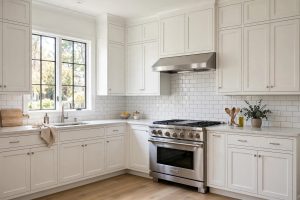
Shaker Cabinet Doors: A Guide for American Homes
June 30, 2026 0 views