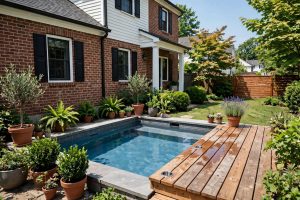

A swimming pool is one of the largest projects a homeowner can take on. When you research fiberglass pool installation cost usa, you will find a wide range of numbers. Some sites quote forty thousand dollars. Others quote one hundred thousand. Both can be right. The final bill depends on the size of the shell, the condition of your yard, and the features you add around the pool.
This guide walks through each part of the price. You will learn what the shell costs, what the digging and setting costs, and what the extras add. You will also learn how a fiberglass pool compares with other types of pools, how to care for it after the install, and how to keep it safe.
Why a Fiberglass Pool May Be Right for You
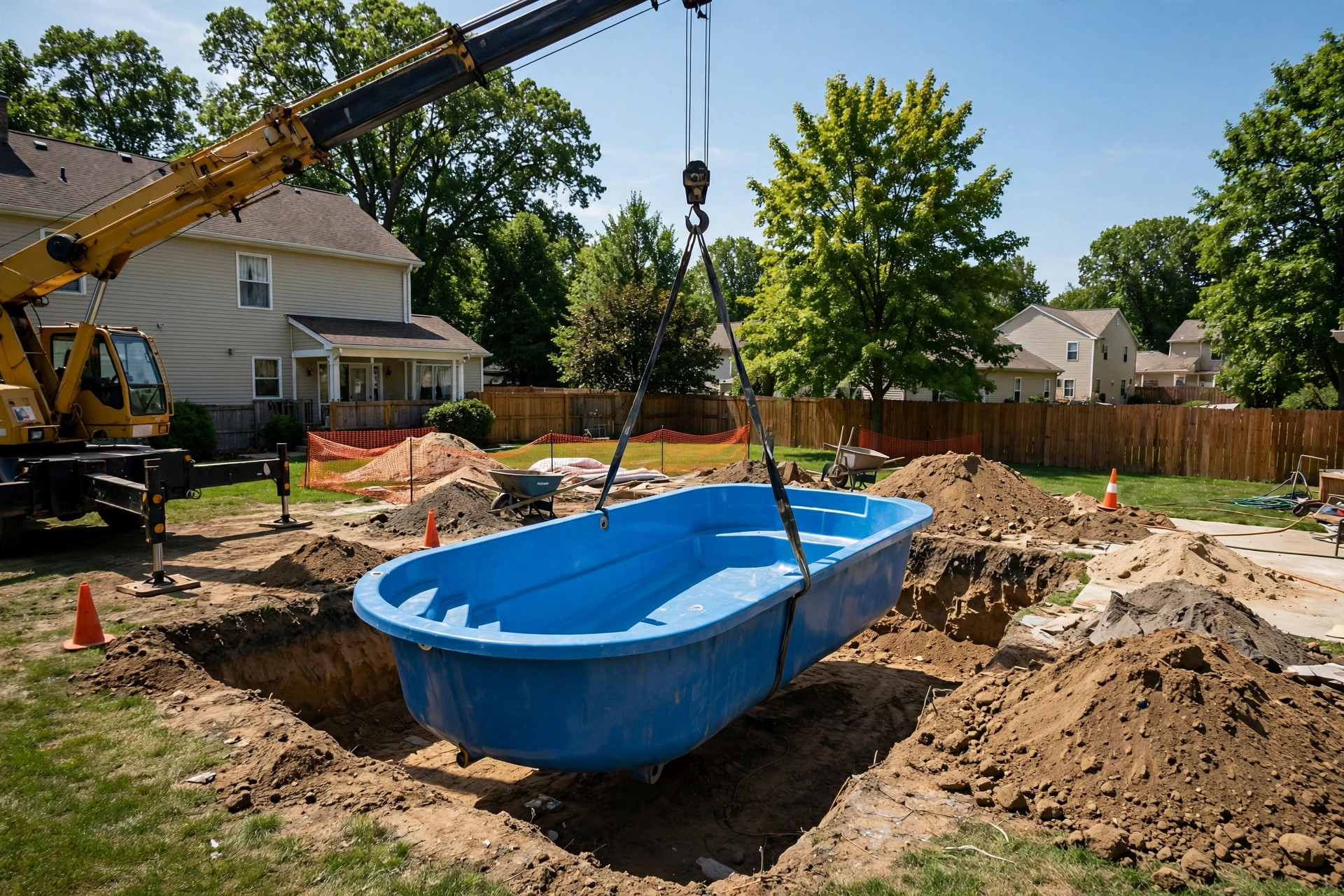
A fiberglass pool is built in a factory. Workers mold the shell from fiberglass and resin, then cure it until it is hard. A truck carries the finished shell to your home. A crane lifts it over the fence and sets it into a hole that has been dug for it. Most yards go from bare dirt to a finished pool in three to six weeks.
That speed is the main draw. A concrete pool can take three to six months to build. A fiberglass shell arrives in one piece, so the on-site work is shorter. The smooth surface is another draw. Algae has a hard time gripping fiberglass, so many owners use less chlorine and spend less time brushing.
The shell is also built to flex. Ground that shifts a little will not crack it the way it can crack concrete. In cold states, where the ground freezes and thaws each year, that flex can save you from expensive repairs.
If budget is your main concern, you may want to compare options first. If you are weighing a cheaper route, read our above ground pool installation cost guide before you decide.
How to Choose the Right Shell and Size: Fiberglass Pool Installation Cost Usa
Fiberglass shells come in set shapes and sizes. You cannot ask for a custom shape the way you can with concrete. But makers now offer dozens of models, from small plunge pools to long lap pools. The guides at The Spruce can help you picture what each shape looks like in a real yard.
Picking the size
Measure your yard before you shop. A pool needs three to four feet of clear space on every side for decking and walkways. Small shells run about 24 feet long. Mid-size shells run 30 to 35 feet. Large shells reach 40 feet or more. A bigger shell costs more to buy and more to set, and it needs more water, more chemicals, and more heat.
Think about who will swim. A family with young kids may want a wide shallow end and built-in steps. A lap swimmer may want a long, narrow shape with a deep end. Many shells come with tanning ledges, bench seats, and spas built into the mold. Each feature adds to the price, so pick the ones you will truly use.
Picking the maker
A few large makers sell fiberglass shells across the United States. The pool shell catalog at Pool Warehouse shows how many models are on the market today. Ask each dealer about the warranty. Most offer a lifetime structural warranty on the shell and a shorter warranty on the surface finish. Read the fine print. Some warranties end if you drain the pool without the dealer present.
Getting quotes
Call at least three local builders. Ask each one for an itemized quote. A good quote lists the shell, the dig, the setting, the plumbing, the electric work, the backfill, the deck, and the start-up chemicals as separate lines. Quotes that lump everything into one number make it hard to compare.
Cost and Price: What the Bill Really Includes
The total fiberglass pool installation cost in the USA usually falls between fifty thousand and eighty-five thousand dollars for a full turnkey job. A small shell with a basic concrete deck can land near the low end. A large shell with a full patio, fence, and heater can pass one hundred thousand dollars.
Here is where the money goes.
The shell itself
The shell is the single largest line. A basic 30-foot shell may cost twenty-five to forty thousand dollars. A premium 40-foot shell with built-in features may cost forty-five to sixty thousand dollars. Prices vary by region and by maker. Builders in high-cost states often quote more than builders in the Southeast, where pools are common and crews stay busy year round.
Digging and setting
Excavation costs three to seven thousand dollars in most cases. Rocky ground raises the price. So does a tight lot where the digger cannot turn around. Setting the shell is quick work. The crane arrives, lifts the shell, and lowers it onto a bed of gravel. The crew then levels it and starts backfilling around the sides. Crane time and labor usually run two to four thousand dollars.
Plumbing and electric
Pumps, filters, and heaters must be wired and piped. Most fiberglass pools use a variable-speed pump and a cartridge or sand filter. Add a gas or electric heater if you want a long swim season. Together, plumbing and electric work often run four to eight thousand dollars. If your home needs a new breaker panel or a long gas line run, the price climbs.
Decking, fence, and extras
The pool is only part of the project. Most towns require a fence or a wall around the pool. A basic aluminum fence can add three to six thousand dollars. Decking runs ten to twenty dollars per square foot for concrete, and more for pavers or stone. Lighting, a salt system, a cover, and landscaping each add their own line. The pool supply guides at Leslie’s give a sense of what owners spend on equipment after the build.
For big-picture pricing on supplies and tools, the home improvement prices at Home Depot and Lowes are useful benchmarks. The project guides at This Old House also walk through what each stage of a pool build should cost.
Those long-term savings matter when you compare with a vinyl liner pool, which needs a new liner every decade or so. See our pool liner replacement cost estimate to understand that trade-off.
Care and Upkeep After the Install
A fiberglass pool is easy to care for, but it is not care-free. The water still needs balanced chemistry. Test the water two or three times a week in swim season. Keep the pH between 7.2 and 7.6 and keep chlorine at a safe level. The smooth shell means you can brush once a week instead of every few days, but do not skip it.
Run the pump at least eight hours a day in summer. Clean the skimmer baskets and the filter on a set schedule. Watch the water level. If it drops fast, check for a leak at the fittings or the light niche.
Many owners add a salt chlorine generator. Salt systems keep the chlorine level steady and feel softer on the skin. Many owners add a salt system later; see our salt water pool conversion cost guide for what that project runs. The pool care guides at Swim University are a strong place to learn the weekly routine.
Open and close the pool on time each year. In cold states, the pool must be winterized before the first hard freeze. In warm states, the pool may run all year, which means year-round chemical costs.
Safety Around the Pool
Every pool owner must take safety as a job, not a hope. Drowning is fast and quiet. A fence at least four feet high should stand between the house and the pool, with a self-closing, self-latching gate. The safety standards at the CPSC explain what a proper pool barrier looks like.
Add layers of protection. A pool alarm that sounds when the water surface breaks can buy precious seconds. Keep rescue gear by the pool: a long pole and a ring buoy. Never leave a child alone in or near the water, not even for a minute. Teach every member of the family to swim, and make sure guests know the pool rules before they get in.
Chemicals need safe storage too. Keep chlorine and acid in a locked, dry, vented shed, away from kids and pets. Never mix chemicals, and never add water to chemicals. Read each label before you open the bottle.
Frequently Asked Questions
How long does a fiberglass pool installation take? Most installs take three to six weeks from the first dig to the first swim. The shell itself goes in within days. The rest of the time goes to plumbing, electric work, backfill, and decking. Weather and permit delays can stretch the schedule.
What is the average fiberglass pool installation cost in the USA? A full turnkey job usually runs fifty thousand to eighty-five thousand dollars. Small shells with basic decks land near the low end. Large shells with heaters, covers, and full patios can pass one hundred thousand dollars. Always get itemized quotes from local builders, since labor rates vary by state.
Do fiberglass pools last as long as concrete pools? Yes, and often longer with less repair. A well-made fiberglass shell can last fifty years or more. The surface finish may need recoating after twenty to thirty years, but that job is far cheaper than replastering a concrete pool. The spa and pool makers at Bullfrog Spas and Hot Spring also build long-life shells for hot tubs, which shows how durable molded shells can be.
Can a fiberglass pool be installed in a small yard? Yes. Makers sell compact shells as short as twenty feet. These fit city lots and cost less to install. Measure carefully and leave room for the crane to reach over the house or fence. Tight access is the most common reason a small-yard quote comes in high.
Does a fiberglass pool add value to a home? It can, but not dollar for dollar. In warm states where pools are common, a clean, modern pool helps a home sell faster. In cold states, the added value is smaller. Buy the pool because your family will use it, not because you expect to earn the money back at sale time.
Is financing available for a fiberglass pool? Yes. Many builders work with lenders that offer pool loans, and home equity loans or lines of credit are common choices. Compare rates from at least three lenders. A pool loan can run ten to twenty years, so the interest adds up. Make sure the monthly payment fits your budget before you sign.
A Final Word
The fiberglass pool installation cost in the USA is a big number, but it is not a mystery. The shell, the dig, the plumbing, and the extras each have a price you can pin down with good quotes. Spend time on the planning stage. Pick a size that fits your yard and your family. Choose a builder with strong reviews and a clear, itemized quote. Take care of the water each week, fence the pool well, and store chemicals safely. Get bids in the off season if you can, since builders are less busy in fall and winter and prices can soften. Done right, a fiberglass pool will give your family decades of summer days for a fair and honest price.
References
Bullfrog Spas. (n.d.). Hot tubs and spas. https://www.bullfrogspas.com Hot Spring Spas. (n.d.). Hot tubs and spas. https://www.hotspring.com Leslie’s Pool Supplies. (n.d.). Pool supplies and equipment. https://www.lesliespool.com Lowe’s. (n.d.). Home improvement products. https://www.lowes.com Pool Warehouse. (n.d.). Pool equipment and supplies. https://www.poolwarehouse.com Swim University. (n.d.). Pool and hot tub care guides. https://www.swimuniversity.com The Home Depot. (n.d.). Home improvement products. https://www.homedepot.com The Spruce. (n.d.). Home and garden advice. https://www.thespruce.com This Old House. (n.d.). Home renovation guidance. https://www.thisoldhouse.com U.S. Consumer Product Safety Commission. (n.d.). Product safety information. https://www.cpsc.gov
Was this guide helpful?

About David Wilson
The My Garden US editorial team writes practical, in-depth home and garden guides for American homeowners — tested advice, no fluff.
You May Also Like
How to Figure the Pool Pump Running Cost Per Month
June 1, 2026 0 views
The Best Pool Brush for Algae Removal: A Complete Buyer’s Guide
May 31, 2026 0 views
The Best Pool Vacuum for Automatic Cleaning: What to Know Before You Buy
March 10, 2026 0 views